Dell UltraSharp 32 4K QD-OLED (U3226Q) Review: A Masterpiece for Color-Critical Workflows

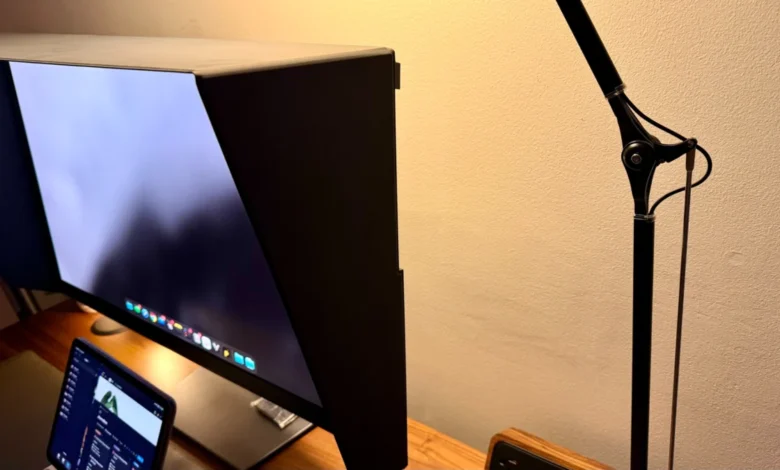
The landscape of professional desktop displays has evolved significantly over recent years, moving away from standard IPS panels toward advanced self-emissive technologies. Dell Technologies has firmly planted its flag in this high-end segment with the release of the Dell UltraSharp 32 4K QD-OLED (U3226Q). Aimed squarely at professional photographers, video editors, color graders, and high-end digital creators, this 32-inch monitor combines quantum dot organic light-emitting diode technology with a comprehensive suite of hardware calibration tools and connectivity options. However, with a luxury price tag running well into four figures, this display is designed for a niche audience whose professional output demands absolute color fidelity and visual precision.
Main Facts and Specifications
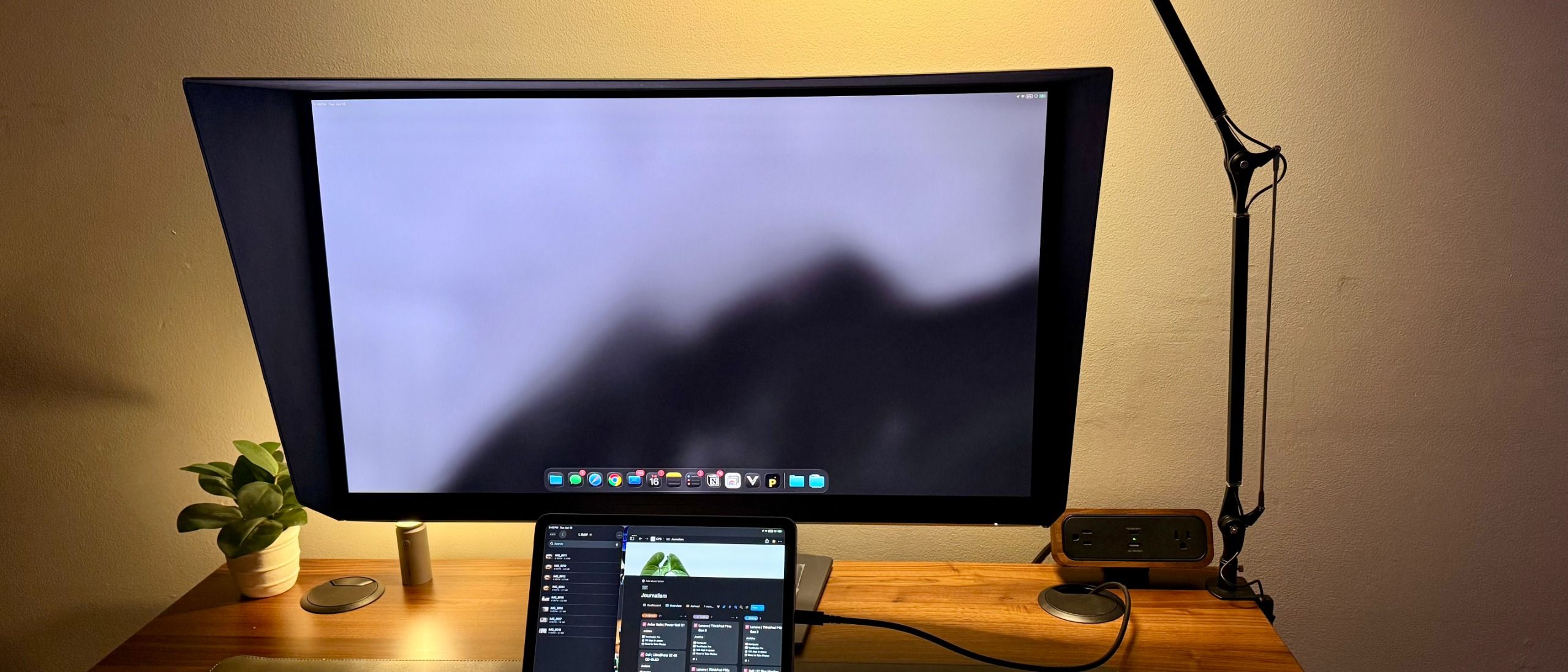
The Dell UltraSharp 32 4K QD-OLED (U3226Q) is built around a 31.5-inch Quantum Dot OLED panel delivering a native 4K UHD resolution of 3840 x 2160 pixels. The display supports a 120Hz refresh rate, providing smoother motion handling during timeline scrubbing in video editing suites compared to traditional 60Hz professional panels.
Key technical specifications and integrated hardware features include:
- Display Technology: QD-OLED with DisplayHDR True Black certification.
- Brightness: Up to 1,000 nits of peak brightness, overcoming traditional OLED luminance limitations while maintaining deep, ink-black contrast ratios.
- Color Accuracy: Built-in motorized colorimeter for automated hardware calibration, ensuring consistent color reproduction over extended periods without relying solely on software-based adjustments.
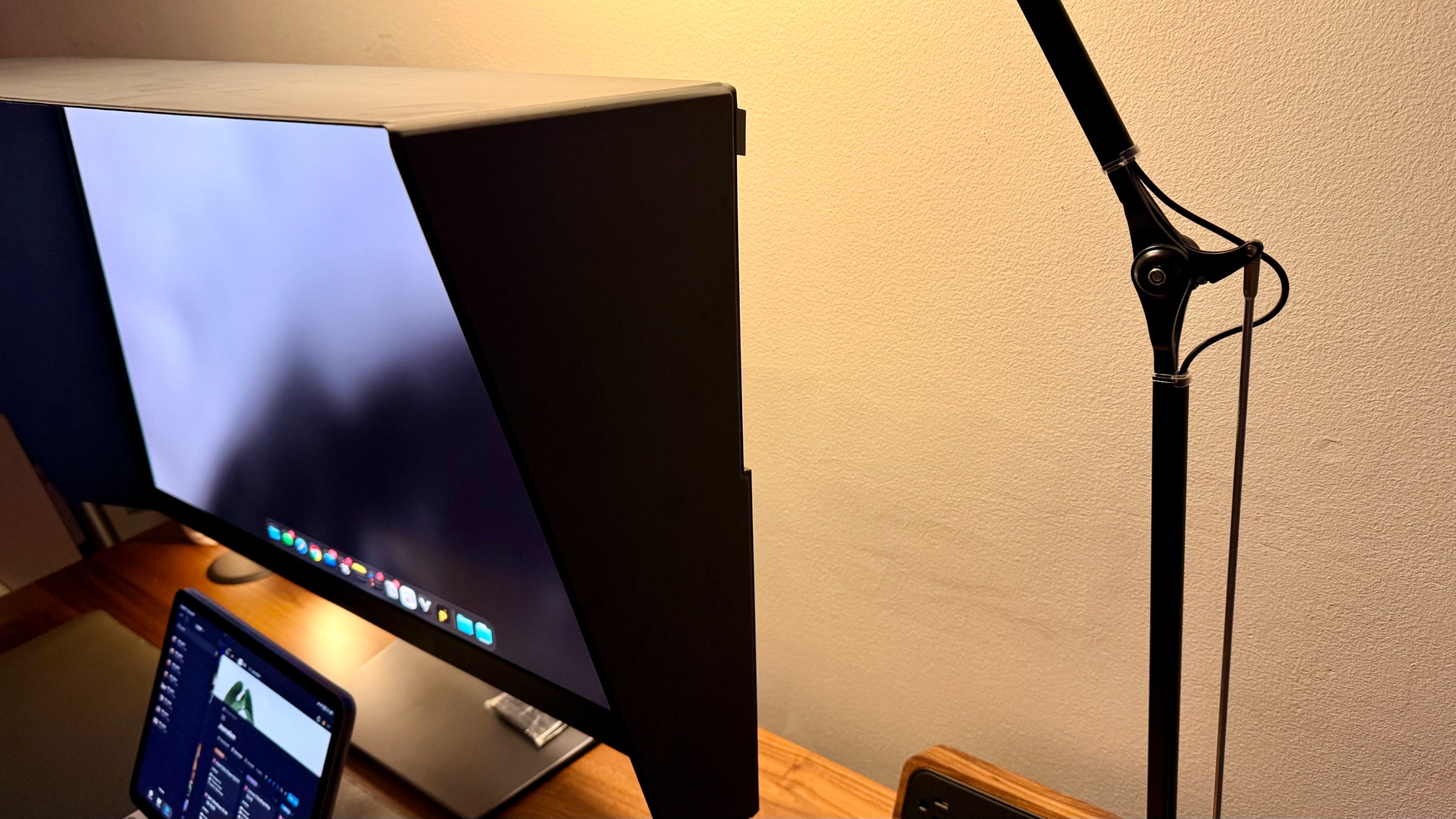
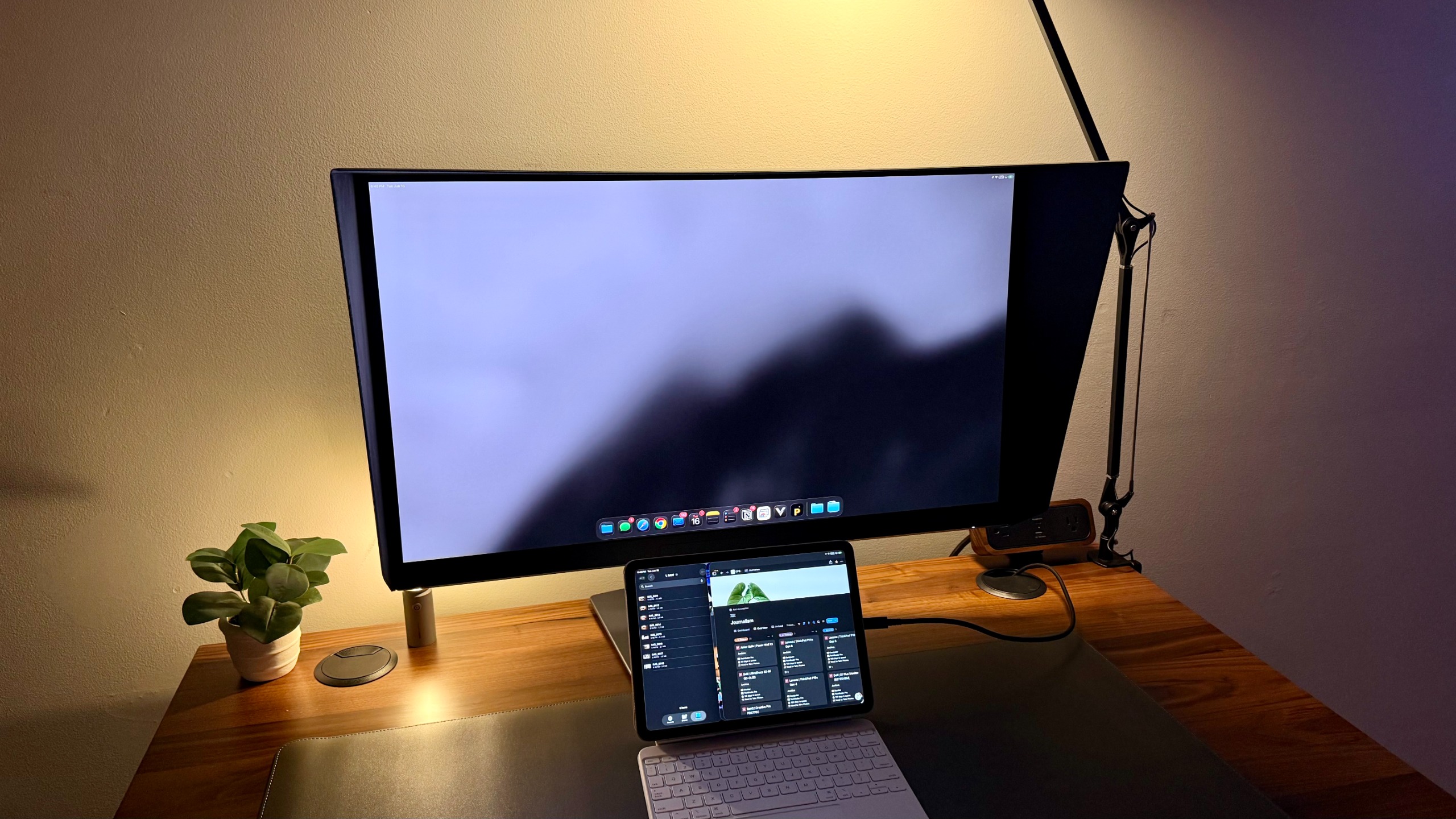
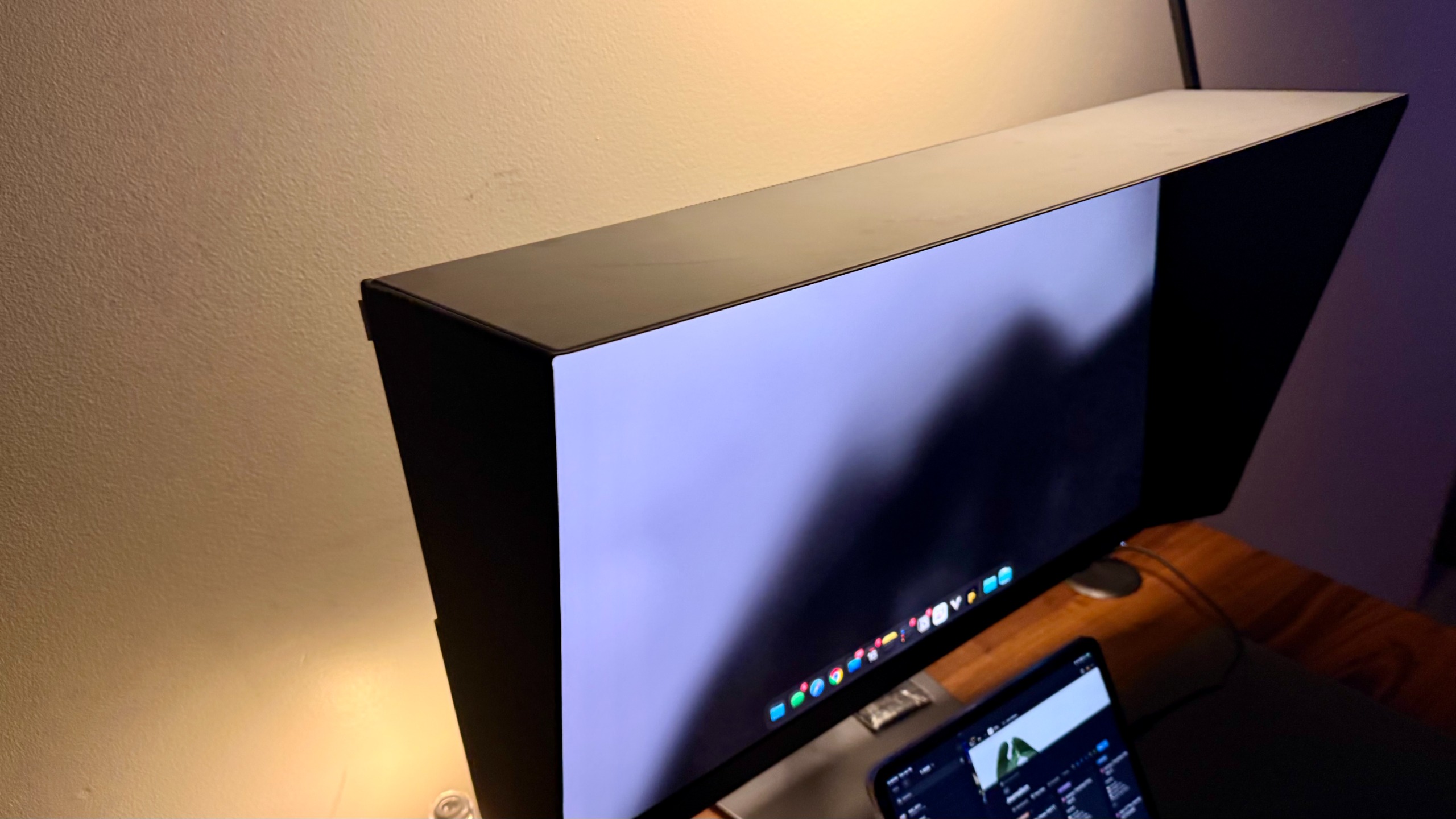
- Physical Accessories: A custom-engineered, magnetically attaching monitor shader designed to block ambient light in brightly lit or inconsistent studio environments.
- Connectivity: Integrated Thunderbolt docking capabilities, allowing users to connect a primary workstation or laptop via a single USB-C/Thunderbolt cable for simultaneous data transfer, peripheral connectivity, and power delivery (Power Delivery up to 90W or higher depending on configuration), alongside HDMI and DisplayPort inputs.
Pricing and Market Availability
Positioned at the pinnacle of Dell’s UltraSharp lineup, the U3226Q carries a substantial financial barrier to entry. In the United States, the monitor retails directly through Dell’s commercial store for $2,440, while UK buyers face an equivalent retail price of approximately £2,405. Availability through third-party enterprise hardware vendors and traditional electronics retailers remains sporadic, with most units distributed directly via manufacturer channels or specialized B2B distributors.
This pricing tier places the Dell U3226Q in direct competition with specialized reference displays from legacy broadcast brands such as Sony and Flanders Scientific, as well as high-end creator panels from manufacturers like Asus, BenQ, and Samsung.
Background Context and Industry Evolution
For decades, the professional photo and video editing markets were dominated by traditional IPS (In-Plane Switching) LCD monitors equipped with complex backlighting systems, such as mini-LED or wide-gamut fluorescent bulbs, to achieve accurate color reproduction across AdobeRGB and DCI-P3 color spaces. While IPS panels offered stable viewing angles and high sustained brightness, they historically struggled with true black levels, blooming artifacts around high-contrast elements, and uniform pixel response times.
The introduction of OLED technology to desktop monitors initially targeted the gaming community, focusing on rapid response times and high refresh rates. However, the adoption of Quantum Dot layers—which enhance color purity and peak luminance—bridged the gap between consumer gaming panels and professional color-critical displays. Dell’s entry into this space represents a strategic expansion of its UltraSharp brand, which has long enjoyed a reputation for robust enterprise reliability, ergonomic versatility, and dependable port ecosystems.
Design, Build Quality, and Ergonomics
Dell has maintained its signature minimalist design language, avoiding aggressive gaming aesthetics in favor of a sleek, professional aesthetic. The chassis is engineered to integrate cleanly into modern studio desks, supporting standard VESA mounting arms as well as its robust included adjustable stand, which offers height, tilt, swivel, and pivot adjustments.
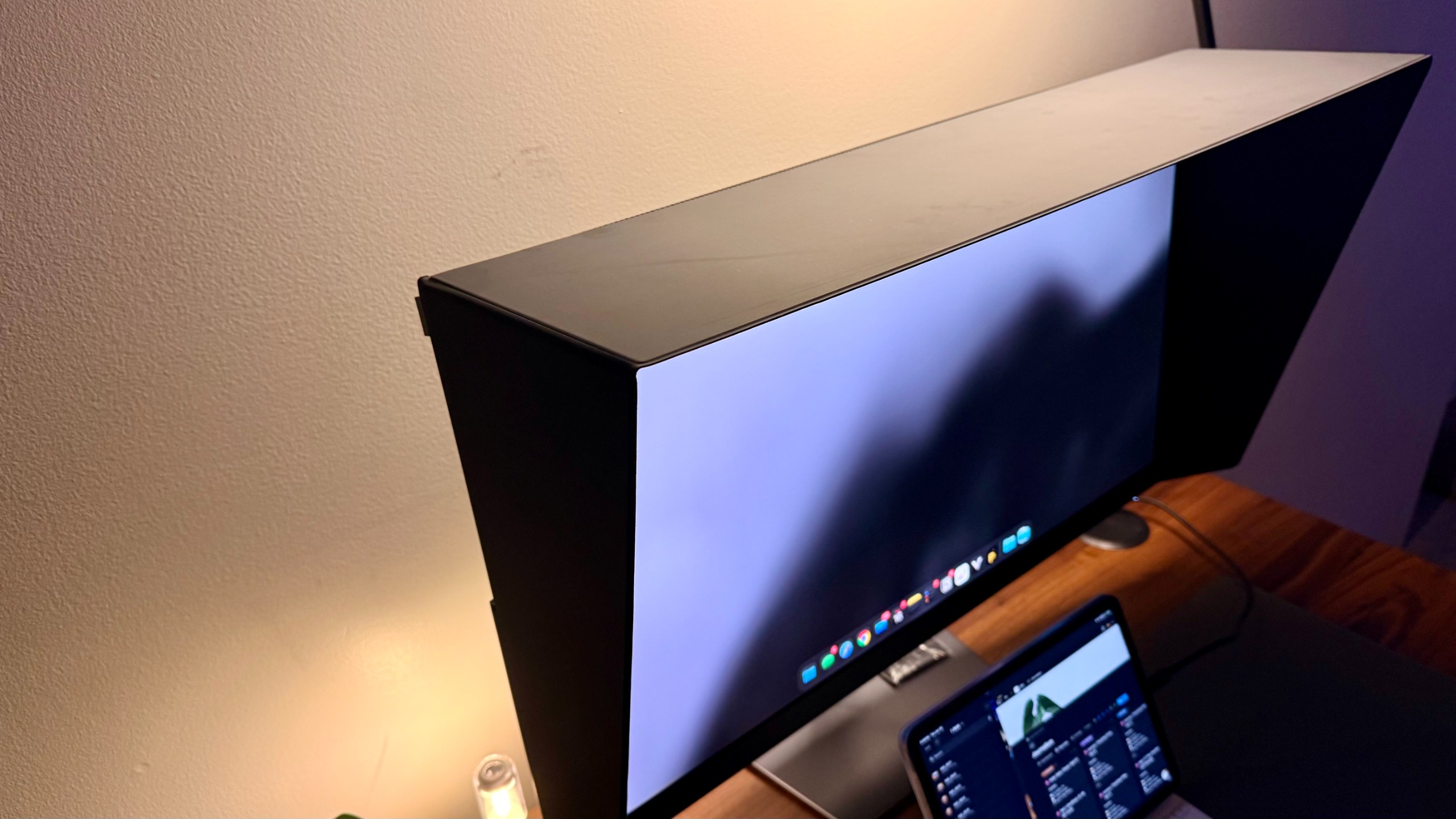
A notable hardware addition is the included magnetically attaching monitor shader. Unlike traditional bulky hoods that require manual screwing or clamping, Dell’s magnetic attachment system allows creators to snap the shade into place instantly when ambient studio lighting threatens to compromise contrast or introduce glare. Crucially, the panel’s anti-reflective QD-OLED coating manages ambient light far more effectively than glossy consumer OLED panels, mitigating purple-tint issues under office fluorescent lighting.
In-Use Performance and Workflow Integration
In practical deployment within multi-disciplinary creative environments, the U3226Q excels across various color-managed tasks, including RAW photo development, 4K/8K video editing, and digital design.
Color Accuracy and Calibration
The inclusion of a built-in, retractable colorimeter addresses one of the most common maintenance challenges in professional workflows: drift in color calibration over time. Users can schedule automated calibration routines using Dell’s proprietary software or third-party solutions, ensuring that the panel maintains tight tolerances against industry standards such as Rec. 709, DCI-P3, and sRGB without requiring an external puck dangling from the screen.
Luminance and HDR Performance
A common critique of early OLED desktop displays was their limited full-screen brightness and aggressive Automatic Brightness Limiting (ABL) algorithms, which dimmed the display during bright, white-heavy office applications. The U3226Q manages thermal dissipation and power delivery efficiently enough to sustain high peak brightness levels—reaching up to 1,000 nits in HDR windows—without punishing users during standard productivity tasks. The DisplayHDR True Black certification ensures that shadow details remain discernible, a critical requirement for grading dark cinematic footage.
Connectivity and Cable Management
The integration of a Thunderbolt dock simplifies desktop architecture. A single cable connection to a MacBook Pro or Windows workstation drives the 4K display at 120Hz while simultaneously charging the laptop and routing peripheral connections (such as external storage drives, audio interfaces, and input devices) plugged directly into the monitor’s rear I/O ports. This reduces desk clutter and streamlines mobile-to-desktop transitions for hybrid professionals.
Broader Impact and Industry Implications
The launch of the Dell UltraSharp 32 4K QD-OLED signifies a maturation of the professional monitor market. As high-bitrate video formats, HDR deliverables, and wide-gamut photography workflows become standard across media production, the demand for self-emissive reference-grade displays has shifted from elite Hollywood post-production houses down to boutique creative agencies and independent content creators.
By combining the self-emissive perfection of QD-OLED with practical enterprise features like built-in calibration sensors, magnetic light shields, and robust single-cable docking, Dell has redefined expectations for what a professional productivity monitor should offer.
Final Verdict and Target Audience
The Dell UltraSharp 32 4K QD-OLED (U3226Q) is an exceptional piece of hardware, but its utility is strictly tied to the user’s professional requirements.
For enterprise environments, standard administrative tasks, web browsing, and casual media consumption, the U3226Q is substantial overkill. Purchasing this monitor solely for spreadsheet management or word processing fails to leverage its advanced color science, high refresh rate, and expensive QD-OLED panel technology.
However, for professional photographers, digital colorists, video editors, and visual effects artists who require precise color management, exceptional contrast, and reliable hardware calibration out of the box, the U3226Q stands out as one of the most capable and well-engineered displays available on the market. For those whose livelihood depends on pixel perfection, the steep investment is easily justified by the precision and efficiency the monitor brings to color-critical workflows.