Meta Launches Facebook Verified: A New Free Badge for Real Person Confirmation

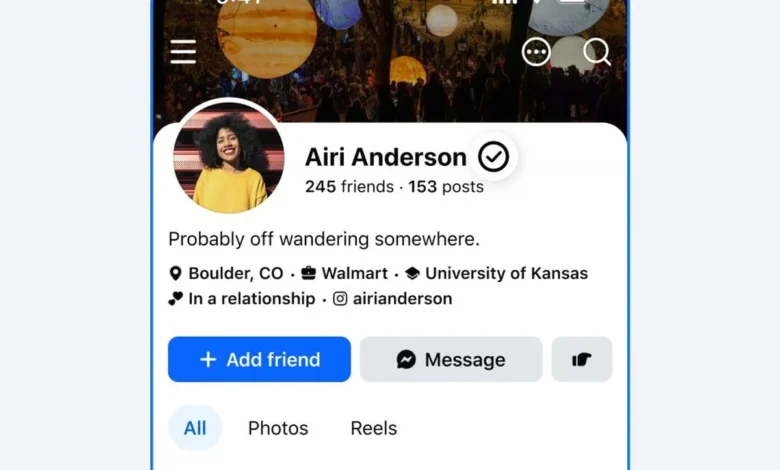
Today marks a significant development in Meta’s ongoing efforts to enhance authenticity and trust across its vast social media ecosystem with the launch of Facebook Verified. This new initiative introduces a free badge designed to signal that a real person is operating an account, addressing a persistent challenge of identity verification on digital platforms. The system employs a straightforward, selfie-based verification process, requiring users to record a brief video which is then cross-referenced against existing profile pictures to confirm identity. This process is engineered for efficiency, typically taking only a few minutes to complete, aiming for minimal disruption to the user experience.
Mechanism of Verification: A Selfie-Based Approach
The core of Facebook Verified lies in its innovative yet accessible verification mechanism. Users interested in obtaining the badge must navigate a specific pathway within the Facebook application to initiate the process. This involves recording a short selfie video, a method increasingly adopted across various digital identity verification systems due to its ability to capture dynamic biometric data and reduce the likelihood of static image manipulation. Once submitted, Meta’s systems conduct a sophisticated comparison between the live selfie video and the user’s pre-existing profile pictures. This comparison is not merely a superficial visual check but involves advanced facial recognition algorithms designed to identify consistent features and confirm a match, thereby establishing a high degree of confidence that the individual performing the verification is indeed the legitimate account holder. The brevity of the process, typically under five minutes, underscores Meta’s commitment to user convenience while bolstering security.
Phased Rollout and Platform Integration
Upon successful verification, the distinctive Facebook Verified badge will initially be prominently displayed across several key areas of the Facebook platform. These include Facebook Marketplace, a bustling hub for commerce; Facebook Dating, where trust and authentic representation are paramount; Facebook Groups, communities often susceptible to spam and inauthentic participation; and directly on the user’s profile page, offering immediate visual confirmation to anyone viewing the account. Looking ahead, Meta has articulated plans for a broader integration, with the badge slated to appear within Feed posts. This expansion signifies Meta’s intent for the badge to become a ubiquitous symbol of authenticity, permeating daily interactions and content consumption across the platform. It is crucial to note, however, that the presence of this badge serves a specific purpose: to confirm the existence of a real person behind an account. Meta explicitly states that the badge does not constitute an endorsement of the user or a guarantee of their trustworthiness, a critical distinction that manages user expectations regarding the scope of the verification.
The rollout strategy for Facebook Verified is designed to be incremental, commencing in an initial set of unnamed "select markets" before a gradual, global expansion. This phased approach allows Meta to monitor performance, gather user feedback, and make necessary adjustments to the system, ensuring stability and effectiveness before widespread deployment. Such a strategy is common for large-scale feature introductions on platforms with billions of users, mitigating potential issues and optimizing the user experience.
Eligibility and Exclusions: Defining Authentic Participation
Access to Facebook Verified is predicated on a clear set of eligibility criteria designed to promote genuine and compliant participation. The feature is available exclusively to eligible users aged 18 and above, aligning with general age restrictions for adult content and services on the platform. Furthermore, prospective users must be in "good standing" with Meta’s stringent Community Standards. This encompasses adherence to policies specifically prohibiting fraud, scams, and deceptive practices, which are direct targets of this verification initiative. Accounts exhibiting any evidence of "inauthentic behavior" – a broad category that includes bot activity, coordinated inauthentic behavior (CIB), or the use of fake identities – will be deemed ineligible. This stringent vetting process underscores Meta’s commitment to not just identifying real people, but real people who engage responsibly and ethically on the platform.
Significantly, Facebook Verified is not being extended to Pages or ProMode accounts. This distinction is crucial. Pages, often representing businesses, brands, public figures, or organizations, already have separate verification mechanisms, such as the established grey or blue verification badges, which serve different purposes related to official representation rather than individual identity confirmation. ProMode accounts, which allow individual profiles to access professional tools and insights typically reserved for Pages, also fall outside the scope of this particular "real person" verification. This targeted application ensures that the badge addresses a specific need within the personal user profile segment, complementing rather than duplicating existing verification frameworks.
The Rationale Behind Facebook Verified: A Push for Authenticity and Trust
The introduction of Facebook Verified is not an isolated event but rather a strategic response to a confluence of persistent challenges facing Meta and the broader social media landscape. In an era increasingly defined by digital interactions, the erosion of trust due to the proliferation of fake accounts, bots, and sophisticated scam operations has become a critical concern. Studies and internal reports from various social media companies consistently highlight the staggering volume of inauthentic accounts and malicious activity. For instance, Meta’s own transparency reports frequently detail the proactive removal of billions of fake accounts, indicating the sheer scale of the problem. These inauthentic entities contribute to a range of detrimental outcomes, including:
- Spam and Harassment: Bots and fake profiles are often used to disseminate unsolicited messages, engage in targeted harassment campaigns, or amplify divisive narratives.
- Financial Scams and Fraud: Impersonation and deceptive practices by fake accounts lead to significant financial losses for users through phishing, romance scams, investment frauds, and fake marketplace listings.
- Misinformation and Disinformation: Coordinated networks of fake accounts can rapidly spread false information, impacting public discourse, elections, and even public health.
- Erosion of User Trust: When users encounter a high volume of inauthentic interactions, their overall trust in the platform diminishes, leading to decreased engagement and a less valuable user experience.
Facebook Verified directly aims to counter these issues by providing a clear, visible signal of human authenticity. By making it easier for users to identify and interact with real people, Meta hopes to foster a more transparent, trustworthy, and ultimately safer environment. This initiative can be seen as part of a broader industry trend towards more robust digital identity solutions, recognizing that a foundational layer of verified identity is essential for building healthy online communities.
Meta’s Broader Verification Strategy: A Historical Context
Meta’s journey with identity verification has been evolutionary, reflecting the changing landscape of online interaction and the escalating challenges of maintaining platform integrity. Historically, verification on Facebook was largely reserved for public figures, celebrities, and brands, signified by the iconic blue checkmark. This "legacy verified" status was about proving authenticity for high-profile accounts, preventing impersonation, and signifying official presence.
More recently, in February 2023, Meta introduced Meta Verified, a paid subscription service initially launched on Instagram and Facebook, and later expanded to WhatsApp Business. Meta Verified offers a suite of benefits, including an authenticated badge, proactive account protection, direct access to customer support, and increased visibility. The key distinction is that Meta Verified is a paid service primarily targeting creators and businesses looking to build their presence and receive enhanced support, while also offering a basic layer of identity verification.
Facebook Verified, in contrast, is a free offering focused purely on confirming that "there’s a real person behind an account" for general users. This distinction is critical. While Meta Verified aims to empower creators and businesses with enhanced tools and credibility for a fee, Facebook Verified seeks to democratize basic identity verification for the everyday user, free of charge. This suggests a two-tiered approach to verification: a premium, feature-rich option for professional users, and a foundational, accessible option for all other eligible users, underscoring Meta’s recognition that different segments of its user base have different needs regarding identity and trust. The introduction of a free option signals a strategic pivot to address the widespread issue of inauthentic profiles at scale, rather than just for a niche group of high-value accounts.
Industry Trends in Digital Identity and Authenticity
The move by Meta with Facebook Verified is symptomatic of a larger industry-wide shift towards more robust and verifiable digital identities. As online life increasingly mirrors and sometimes supersedes offline interactions, the need for reliable identity mechanisms has become paramount. Other platforms like X (formerly Twitter) have also grappled with verification, evolving their systems from a free legacy blue check to a paid subscription model (X Premium) that includes verification. LinkedIn, a professional networking site, inherently relies on a higher degree of real-world identity association.
The broader tech industry is exploring decentralized identity solutions, self-sovereign identity (SSI), and verifiable credentials, all aimed at giving individuals more control over their digital personas while providing reliable proof of identity when needed. Facebook Verified, while centralized, aligns with this broader trend by providing a standardized, platform-backed method of identity confirmation, even if it’s confined to Meta’s ecosystem. The continuous battle against deepfakes, AI-generated content, and sophisticated social engineering attacks further underscores the urgency for platforms to implement stronger identity safeguards.
Inferred Statements from Meta and Official Responses
While the provided article does not contain direct quotes, it is possible to infer the likely messaging from Meta regarding this launch. A typical statement from a Meta spokesperson or executive would emphasize the company’s commitment to user safety, security, and the fostering of authentic connections. For example:
"At Meta, our mission is to build communities and bring the world closer together. A fundamental pillar of this mission is ensuring a safe and authentic environment for our users. The introduction of Facebook Verified represents a significant step forward in our ongoing commitment to combating inauthentic behavior, fraud, and scams across our platforms. By providing a free, accessible way for users to confirm they are interacting with a real person, we aim to significantly enhance trust and create more meaningful, genuine interactions for our global community. This initiative complements our existing efforts and underscores our dedication to maintaining the integrity of our platform."
Such statements would typically highlight the ease of use, the security of the selfie-based verification, and the long-term vision for a more trustworthy online experience.
Potential User and Platform Implications
The launch of Facebook Verified carries several significant implications for both individual users and the overall health of the Facebook platform.
1. Enhanced User Trust and Interaction Quality:
The most direct impact is the potential for increased trust. When users see a verified badge, they may feel more confident that they are interacting with a genuine individual, reducing apprehension about scams or misleading profiles. This could lead to more open and authentic communication, particularly in sensitive areas like Facebook Dating or Marketplace, where trust is crucial for successful interactions. It might encourage users to engage more freely, knowing there’s a real person on the other end.
2. Deterrent Against Scams and Inauthentic Behavior:
While no system is foolproof, a widely adopted verification badge could serve as a significant deterrent to scammers and those operating fake accounts. If a substantial portion of legitimate users become verified, unverified accounts might become more suspect, making it harder for fraudulent actors to blend in. Scammers often rely on anonymity and the creation of numerous disposable accounts; a verification requirement, even if optional, raises the bar for their operations. This could lead to a measurable reduction in certain types of fraud and spam, especially in areas like Marketplace where direct transactions occur.
3. Privacy Considerations and User Adoption:
The selfie-based verification process, while efficient, involves the collection of biometric data. This inevitably raises privacy questions and concerns among some users. Meta will need to be transparent about how this data is stored, processed, and secured, and for how long. User adoption will hinge not only on the ease of the process but also on the level of trust users place in Meta’s data handling practices. If users perceive the privacy risks to outweigh the benefits of the badge, adoption rates could be lower than anticipated. Meta’s history with data privacy issues means this aspect will be under scrutiny.
4. Challenges and Limitations:
Despite its promise, Facebook Verified will face challenges. No verification system is entirely impervious to circumvention. Sophisticated actors might still attempt to bypass the system, perhaps through identity theft or the use of deepfake technology, though the selfie video component aims to mitigate this. Furthermore, the badge confirms a "real person," but it doesn’t guarantee the person’s intentions or moral character, as Meta itself states. Users will still need to exercise caution and critical judgment in their online interactions. The success of the initiative will also depend on a critical mass of users adopting it; if only a small percentage opts in, its effectiveness as a trust signal will be diminished.
5. Impact on Content Moderation and Platform Integrity:
By creating a clearer distinction between verified and unverified accounts, Meta’s content moderation efforts might become more efficient. Actions taken against verified accounts for violating Community Standards could carry more weight, potentially leading to more decisive enforcement. It could also help in identifying and isolating coordinated inauthentic behavior more effectively, as verified accounts are less likely to be part of such networks.
6. The Future of Identity on Social Platforms:
Facebook Verified represents a significant step in the evolution of digital identity on social platforms. It suggests a future where a baseline level of identity verification becomes increasingly normalized, moving beyond mere profile creation to a more robust affirmation of real-world identity. This could pave the way for more secure transactions, more accountable online discourse, and potentially, a richer integration of online and offline identities, while still grappling with the delicate balance between privacy and transparency.
Conclusion
The launch of Facebook Verified marks a pivotal moment in Meta’s long-standing battle against inauthenticity and its ongoing quest to foster a more trustworthy digital environment. By offering a free, accessible, and selfie-based verification process, Meta aims to empower its vast user base to distinguish genuine human interactions from the pervasive noise of bots, scammers, and fake profiles. While the initiative holds significant promise for enhancing user trust, deterring fraud, and improving the overall quality of engagement across Facebook’s myriad features, its ultimate success will depend on robust implementation, transparent data handling, and widespread user adoption. As the digital landscape continues to evolve, initiatives like Facebook Verified underscore the critical importance of verifiable identity in building and maintaining healthy, thriving online communities in the face of increasingly sophisticated threats. This move positions Meta to reinforce its foundational commitment to a more authentic and secure online experience for billions of users worldwide.