The once-hyped promise of 8K television resolution is now met with a deafening silence from major industry players, casting a long shadow over its future as a mainstream technology. Despite significant advancements and substantial marketing efforts in previous years, manufacturers are increasingly reluctant to discuss their 8K strategies, leaving consumers and industry analysts questioning the technology’s viability and the sincerity of past pronouncements. This abrupt shift in communication, particularly in the lead-up to significant industry events like the annual What Hi-Fi? Home Cinema Week, has generated a palpable sense of apprehension and a loss of trust.
The narrative surrounding 8K televisions has been one of relentless optimism, with companies like Samsung championing the resolution as the undisputed future of home entertainment. However, a recent investigation involving direct inquiries to major manufacturers has yielded a consistent, and frankly, unhelpful, response: "We can’t comment on this," "No updates right now," and "We have no plans or updates to share for the technology." This collective reticence stands in stark contrast to the proactive and enthusiastic promotion of 8K that characterized the preceding decade.
The Rise and Fall of 8K Hype
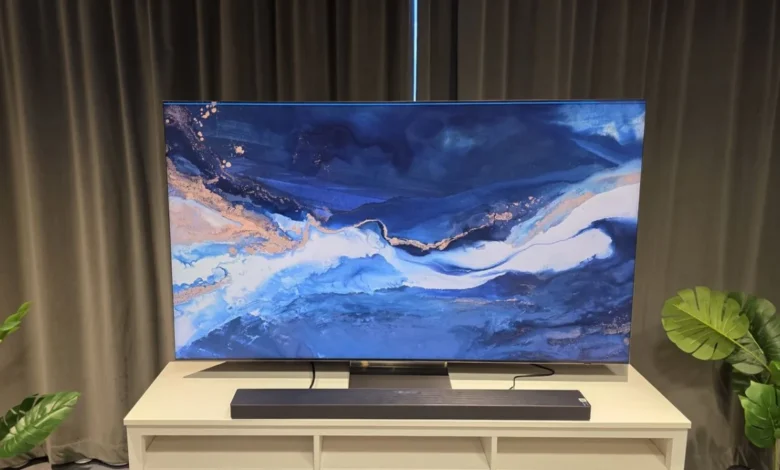
The concept of 8K resolution, offering a staggering 7680 x 4320 pixels – approximately four times the pixel density of 4K (3840 x 2160 pixels) – first gained traction in the early 2010s. Samsung, a leading force in display technology, began making significant noise about 8K’s potential, consistently portraying it as the next evolutionary leap in visual fidelity. This vision was not merely aspirational; starting in 2018, Samsung began actively producing and marketing 8K televisions, investing heavily in research, development, and consumer outreach. Their commitment was underscored by the critical acclaim received by models like the 2024 Samsung QN900D, which garnered a five-star review from What Hi-Fi? and secured an award, demonstrating the technological prowess achievable at this resolution.
Other major players, including LG and Sony, also briefly entered the 8K arena. LG offered several generations of its Z-series OLED 8K TVs, while Sony introduced its Z9K 8K Mini LED model in 2022. These ventures, while showcasing impressive display capabilities, ultimately proved to be short-lived. Both LG and Sony have since officially exited the 8K television market, leaving Samsung as the primary, and almost solitary, proponent of the technology among the major global brands. This strategic withdrawal by key competitors has amplified the industry’s silence surrounding 8K, further isolating Samsung’s continued efforts.
The Content Conundrum and Consumer Dilemma
A significant factor contributing to the lukewarm consumer adoption of 8K has been the persistent scarcity of native 8K content. While the technology itself offers unparalleled detail, the lack of programming mastered and distributed at this resolution has meant that most 8K viewing experiences rely on upscaling, a process that can enhance lower-resolution content but cannot fully replicate the benefits of native 8K material. This content gap has been a recurring point of contention for critics and a source of skepticism for potential buyers.
The current industry silence is particularly galling for consumers who heeded the marketing push for 8K as a "future-proof" investment. Many individuals, including dedicated enthusiasts and those with significant disposable income, purchased 8K televisions with the expectation of staying ahead of the technological curve. The sudden withdrawal of discussion and apparent abandonment of the technology by multiple manufacturers now leaves these early adopters in a precarious position, potentially owning a display technology whose future support and content ecosystem are uncertain. This situation evokes parallels with previous technological fads that promised a revolution but ultimately failed to gain widespread traction, such as 3D televisions and curved displays.
Emerging Technologies and Shifting Priorities
The current landscape of television technology is characterized by a rapid evolution of competing and complementary innovations. As the industry pivots away from 8K, several other technologies are vying for the spotlight and consumer attention. One prominent area of development is RGB Mini LED technology, being aggressively promoted by various companies as the potential "OLED killer." While promising advancements in brightness and contrast, reviews of high-profile models like the Sony Bravia 7 II and Bravia 9 II suggest that this technology is still in its developmental stages and not yet universally convincing as a definitive successor to OLED.
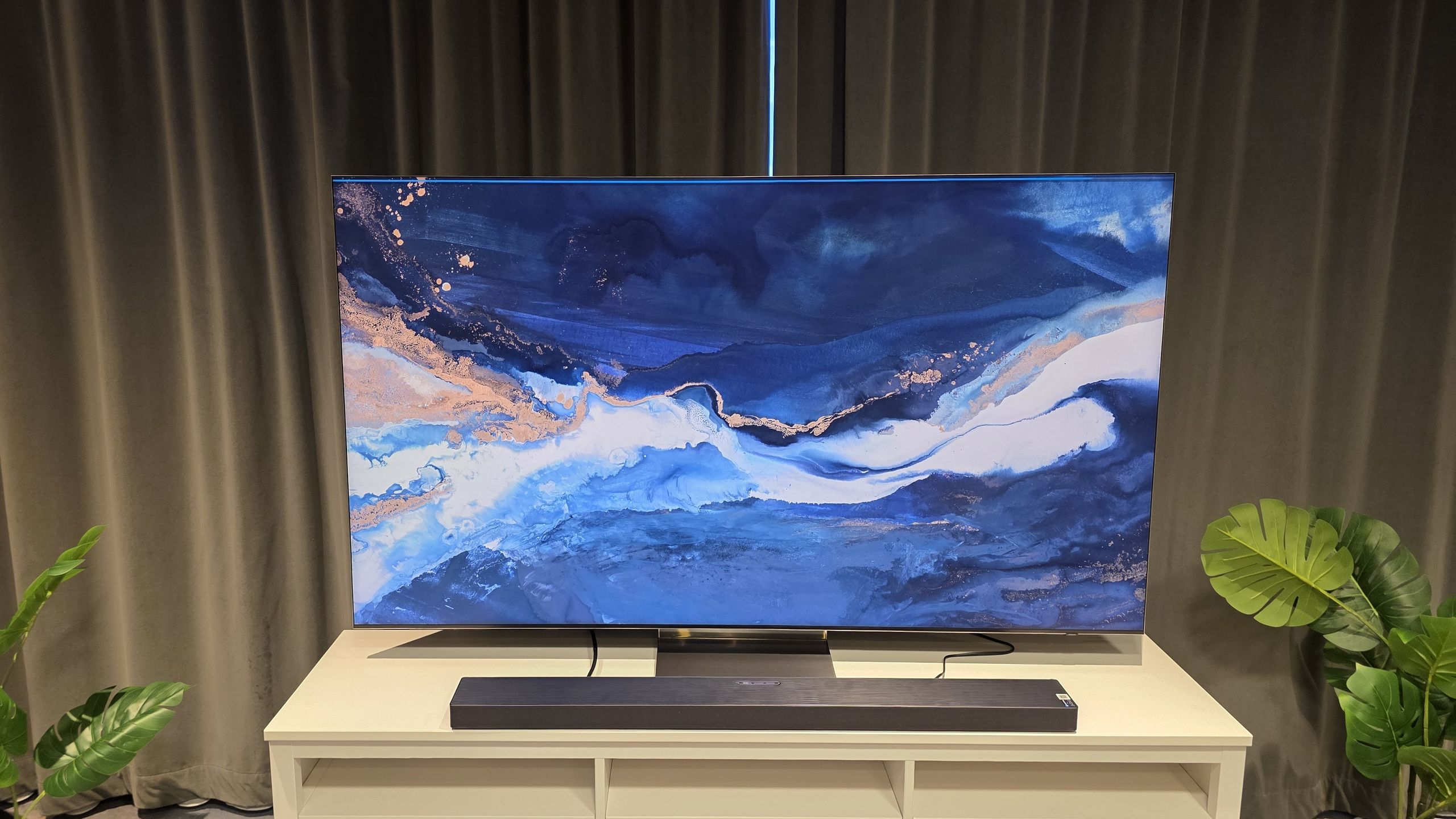
Another emerging technology generating significant buzz is Dolby Vision 2. This advanced dynamic range format is being positioned by some firms as an essential "future-proof" feature for new televisions. While there are confirmed plans for content creation in Dolby Vision 2, the current lack of widespread content mastered in this format mirrors the initial challenges faced by 8K. This repetition of a familiar pattern – the promotion of a premium feature with limited immediate content availability – raises concerns about the long-term viability and consumer value of these new technologies.
Analysis: The Marketing Echo Chamber and Lost Trust
The industry’s current reticence on 8K raises critical questions about the motivations behind past marketing strategies. It appears that the fervent promotion of 8K as the inevitable future of television may have been driven more by sales targets and the desire to create a perceived technological imperative than by a clear and sustainable roadmap for consumer adoption. The narrative of "future-proofing" has proven to be a double-edged sword, potentially leading to a significant erosion of consumer trust.
The implications of this shift are far-reaching. For consumers, it serves as a stark reminder that marketing and sales departments are not always aligned with their best interests. The allure of cutting-edge technology, particularly when presented as a must-have investment, can obscure the practical realities of content availability and long-term support. The current situation with 8K suggests a need for greater consumer vigilance and a more critical assessment of marketing claims.
For the industry, the abandonment of a high-resolution standard like 8K, after years of advocacy, could lead to a more cautious approach to future technology introductions. The credibility of pronouncements regarding the "next big thing" may be diminished, potentially impacting consumer willingness to embrace new, unproven technologies. The ongoing silence from manufacturers regarding 8K creates a vacuum that can only be filled by speculation, leaving a void where clear communication and a defined future strategy should reside.
The Future of 8K: Hope or Hype?
With Samsung standing as the primary, if not sole, major manufacturer continuing to produce 8K televisions, the future of the resolution hangs precariously in the balance. The question remains whether this sustained commitment will eventually be vindicated by a surge in 8K content and broader industry adoption, or if 8K is destined to become another footnote in the history of consumer electronics, relegated to the same "farm" as 3D and curved TVs – technologies that promised much but ultimately failed to deliver on their revolutionary potential.
The current lack of engagement from industry leaders is disheartening, especially for those who invested in the technology with the expectation of a long and supported lifespan. However, a sliver of hope persists. It is possible that the current silence is not an admission of defeat, but rather a strategic pause, perhaps in anticipation of a significant, yet-to-be-announced development in 8K content production or technology refinement. Such an announcement, if it were to materialize, would undoubtedly be a welcome surprise, offering a much-needed lifeline to the beleaguered 8K standard and validating the faith of its remaining proponents. Until then, the industry’s silence on 8K continues to be a cause for concern, leaving consumers to navigate a landscape of evolving technologies with a heightened sense of caution.
Further Reading:
- The Best TVs We’ve Reviewed
- The Best OLED TVs
- The Best Mini LED TVs
Related posts: