Keychron K2 Ultra 8K Review: A High-Performance Wireless Mechanical Keyboard with Exceptional Value and Retro Design

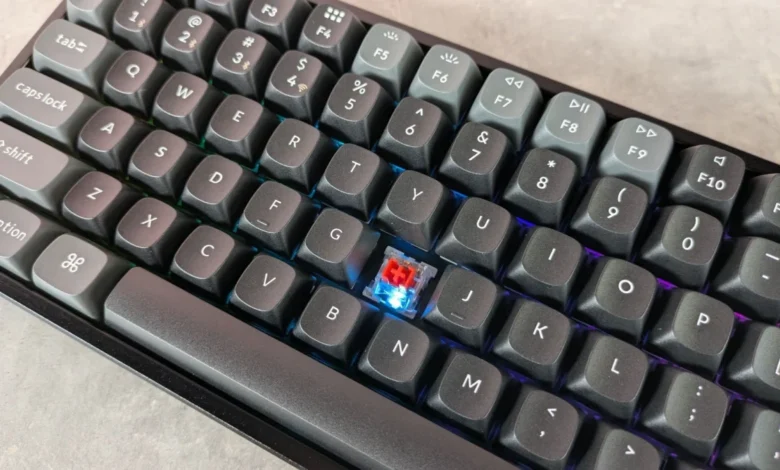
The Keychron K2 Ultra 8K has officially entered the competitive peripheral market as a wireless mechanical keyboard designed to bridge the gap between enthusiast-grade build quality and mainstream affordability. Positioned as a high-performance evolution of the classic K2 series, this model integrates advanced features such as an 8,000Hz polling rate, hot-swappable switches, and a robust aluminum frame. While the device targets a broad demographic—from competitive gamers to productivity-focused professionals—it maintains a distinct retro aesthetic characterized by a substantial, chunky chassis and tall keycaps. At a retail price of $119.99, the K2 Ultra 8K attempts to undercut major industry players like Razer and HyperX while delivering a hardware suite that suggests a more premium investment.
The Evolution of Keychron and the K2 Series Context
To understand the significance of the K2 Ultra 8K, one must look at the trajectory of Keychron as a brand. Keychron emerged through highly successful crowdfunding campaigns, quickly establishing itself as a favorite among Mac and Windows users who sought mechanical alternatives to membrane keyboards. The original K2 was a landmark product for the company, popularizing the 75% layout—a compact form factor that retains the function row and arrow keys while reducing the footprint of the board.
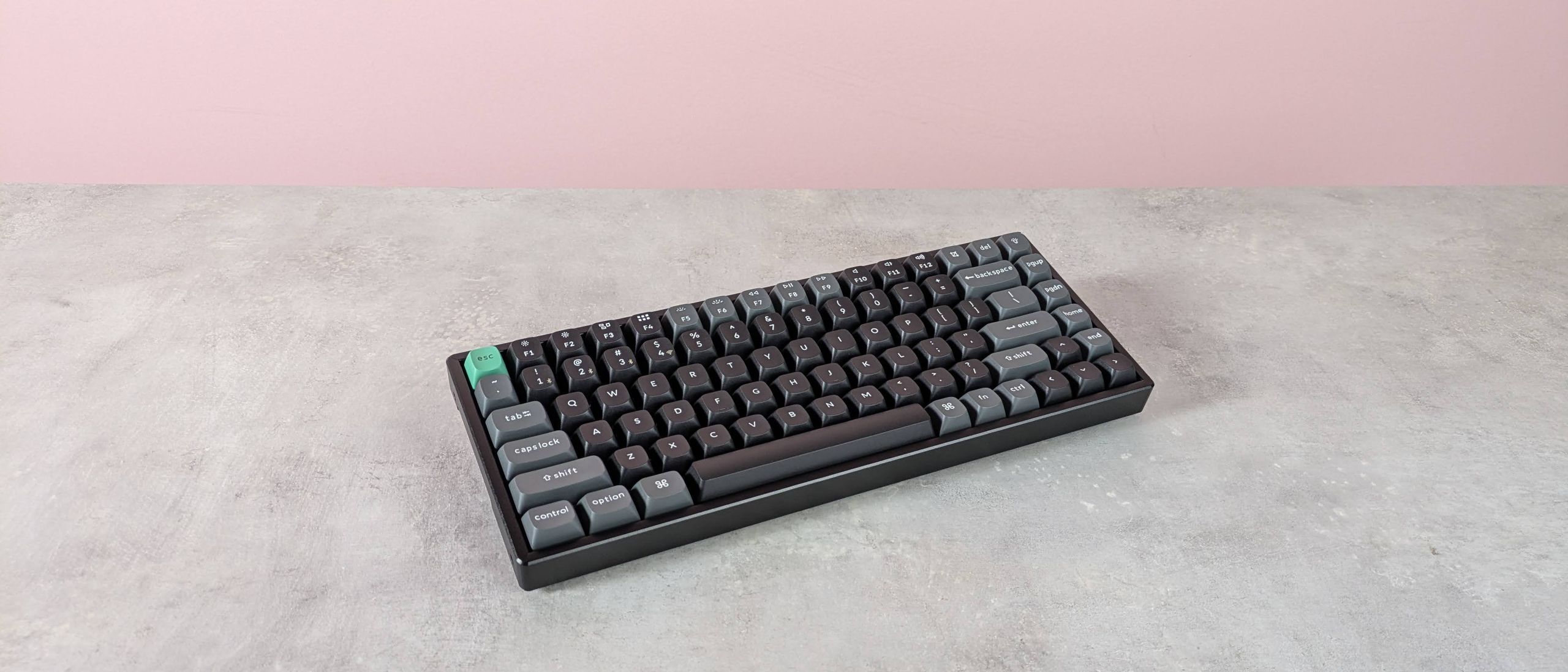
The "Ultra 8K" designation represents a significant technical leap. Historically, wireless keyboards were often criticized for latency issues, making them unsuitable for high-stakes competitive gaming. By introducing an 8,000Hz polling rate (8K), Keychron is addressing the professional gaming market directly. This polling rate means the keyboard communicates with the computer 8,000 times per second, resulting in a theoretical input latency of just 0.125 milliseconds. This puts the K2 Ultra 8K on par with the fastest wired gaming keyboards currently available.
Technical Specifications and Engineering Architecture
The K2 Ultra 8K is built upon a foundation of durability and customization. The core specifications reveal a device designed for longevity:
- Layout: 75% (TKL-adjacent)
- Frame Material: Aluminum
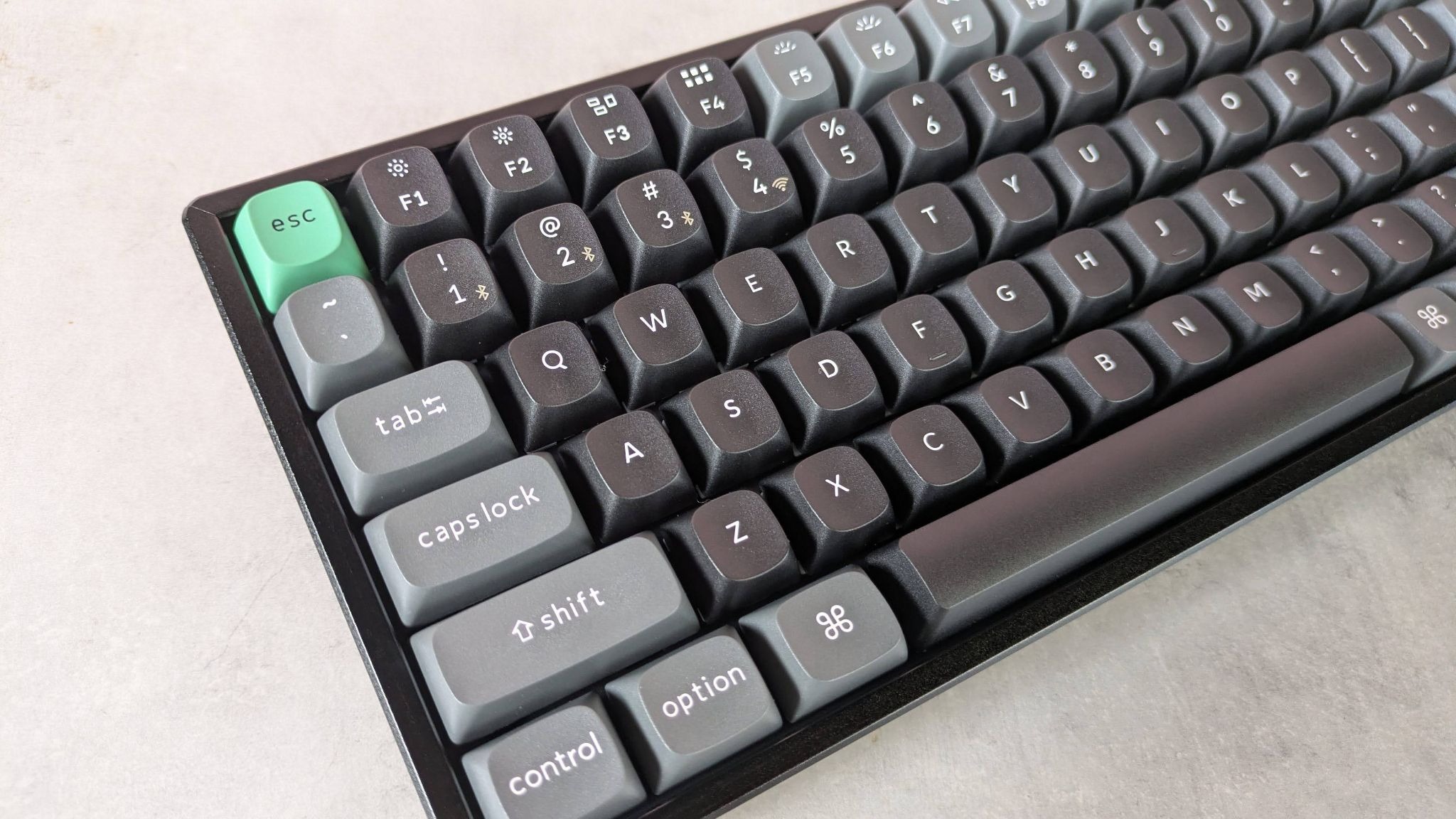
- Keycaps: Double Shot PBT (Opaque)
- Switches: Keychron Apex Mechanical (Hot-swappable)
- Polling Rate: 8,000Hz
- Connectivity: 2.4GHz Wireless, Bluetooth, and USB-C Wired
- Customization: Web-based App (VIA-compatible)
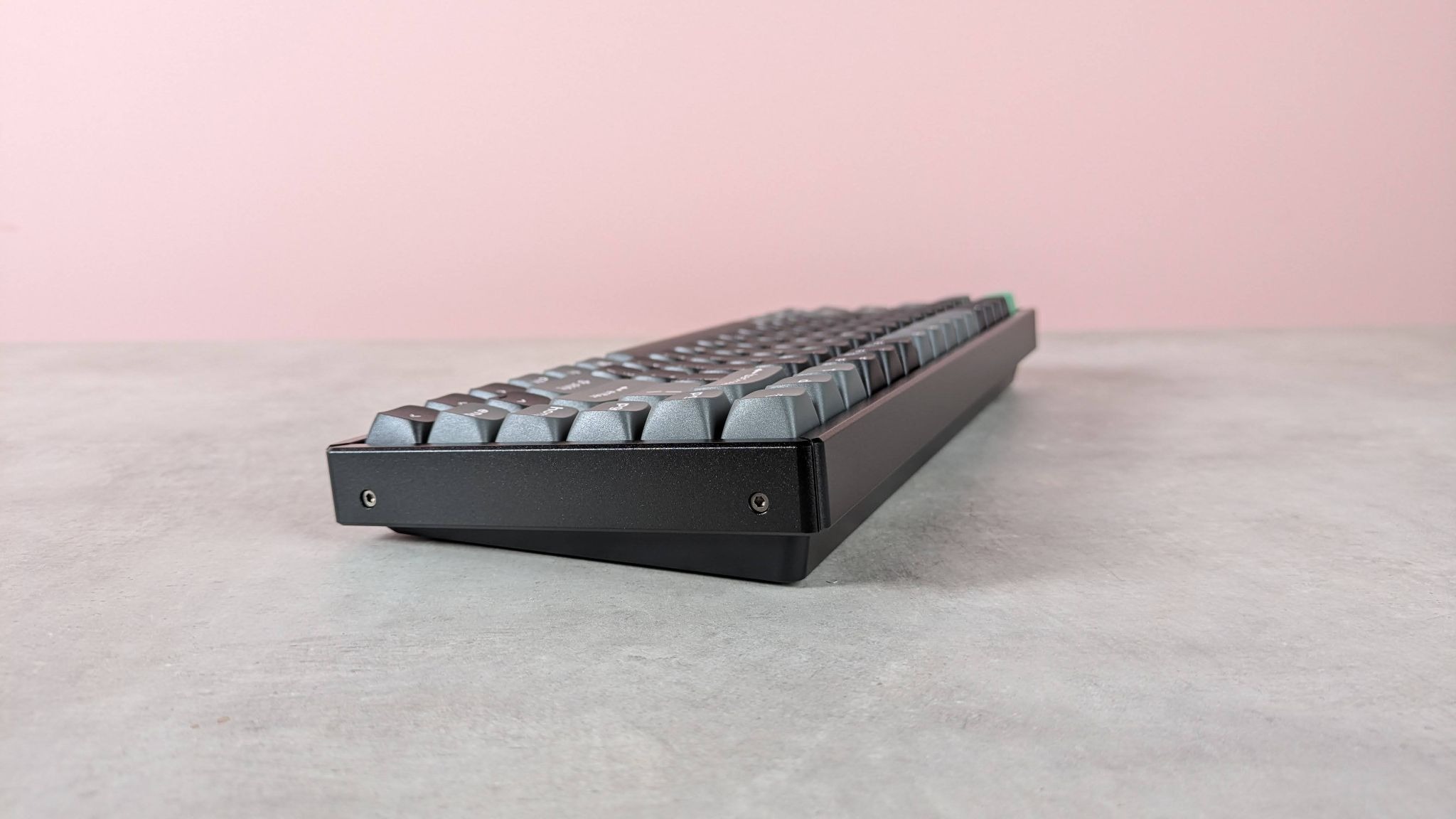
- Dimensions: 311.5 x 121.5 x 31.2 mm
- Switch Options: Red (Linear), Brown (Tactile), Banana (Early Tactile)
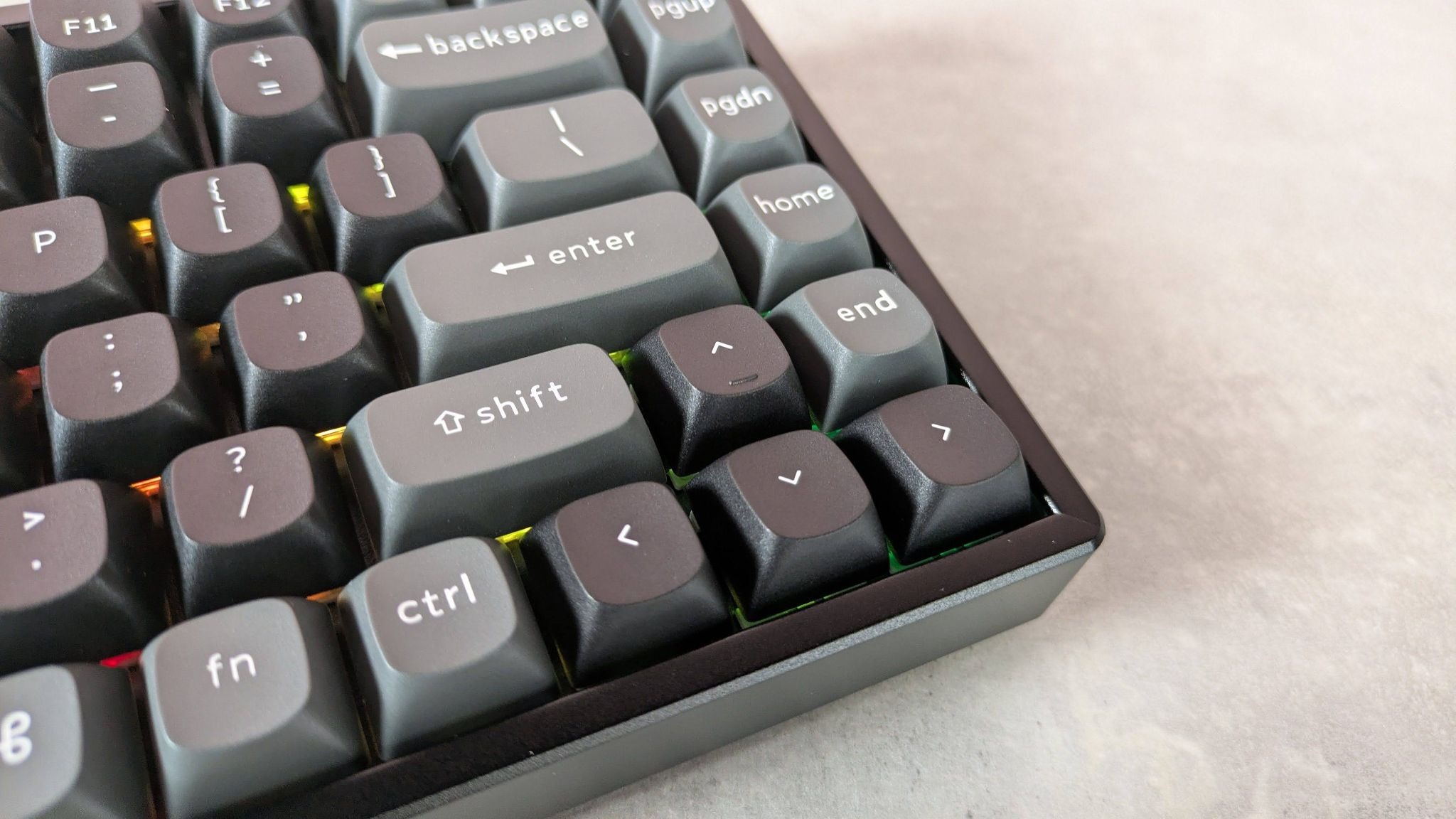
The choice of Double Shot PBT (polybutylene terephthalate) for the keycaps is a notable inclusion at this price point. Unlike cheaper ABS plastic, PBT is resistant to the "shine" caused by finger oils and offers a more textured, premium feel. However, Keychron has opted for opaque lettering. While this enhances the structural integrity of the keycap, it limits the effectiveness of the RGB backlighting, as light cannot pass through the legends.
Design Philosophy and Ergonomic Considerations
The K2 Ultra 8K embraces a "chunky" design language that pays homage to the mechanical keyboards of the 1980s and 90s. This aesthetic choice results in a unit with significant weight and stability. The aluminum frame provides a rigid structure that prevents flexing during intense typing sessions, though the external texture has been described as functional rather than luxurious.
One of the most polarizing aspects of the design is its height. Standing at over 31mm, the keyboard is considerably thicker than many modern low-profile or even standard mechanical boards. During testing, this height proved to be a double-edged sword. While it contributes to the retro appeal and allows for deep switch travel, it places the user’s wrists at a steep angle. Without an external wrist rest—which is not included in the box—users may experience fatigue or discomfort during extended periods of use.
Interestingly, Keychron has moved the USB-C charging and data port to the left side of the chassis. While unusual, the inclusion of an L-shaped cable jack ensures that the wire can be routed toward the back of the desk without creating a significant protrusion. This side-loading port is a hallmark of certain Keychron models, designed to accommodate users who prefer to use their keyboards in wired mode alongside a laptop without the cable interfering with the screen hinge.
Performance Analysis: Gaming and Productivity
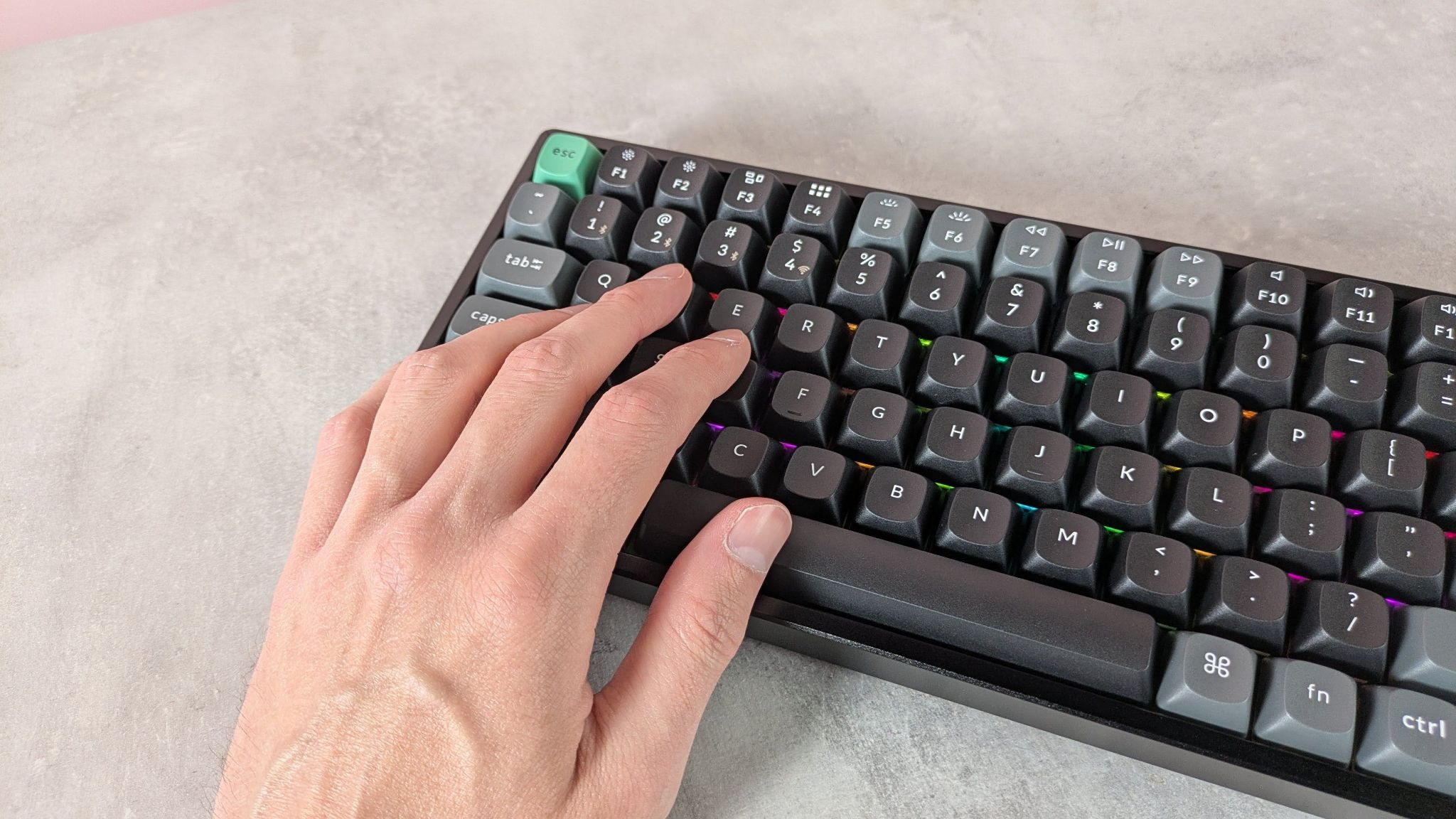
Performance testing of the K2 Ultra 8K, particularly with the stock Red switches, reveals a nuanced experience. The Red switches are pre-lubed and damped, providing a smooth linear action and a satisfying acoustic profile. However, the actuation point—the distance the key must be pressed before the computer registers the input—is relatively deep.
For productivity and high-speed typing, this deep actuation can lead to missed keystrokes if the user has a "light touch." In comparison to low-profile switches or those with shorter actuation points (like "Silver" or "Speed" switches), the K2 Ultra 8K requires more deliberate force. Conversely, for gaming, the experience is more positive. The generous spacing between keys reduces the likelihood of accidental presses, and the rapid rebound of the switches is well-suited for titles like Counter-Strike 2 or fast-paced shooters where quick, repetitive inputs are necessary.
The 8,000Hz polling rate performs flawlessly in wireless mode via the 2.4GHz dongle. In high-level play, the reduced latency provides a subtle but measurable advantage in responsiveness. Furthermore, the ability to hot-swap between devices via Bluetooth and the physical toggle switch on the side makes it a versatile tool for those managing multiple workstations.
Software Customization and the Rise of SOCD
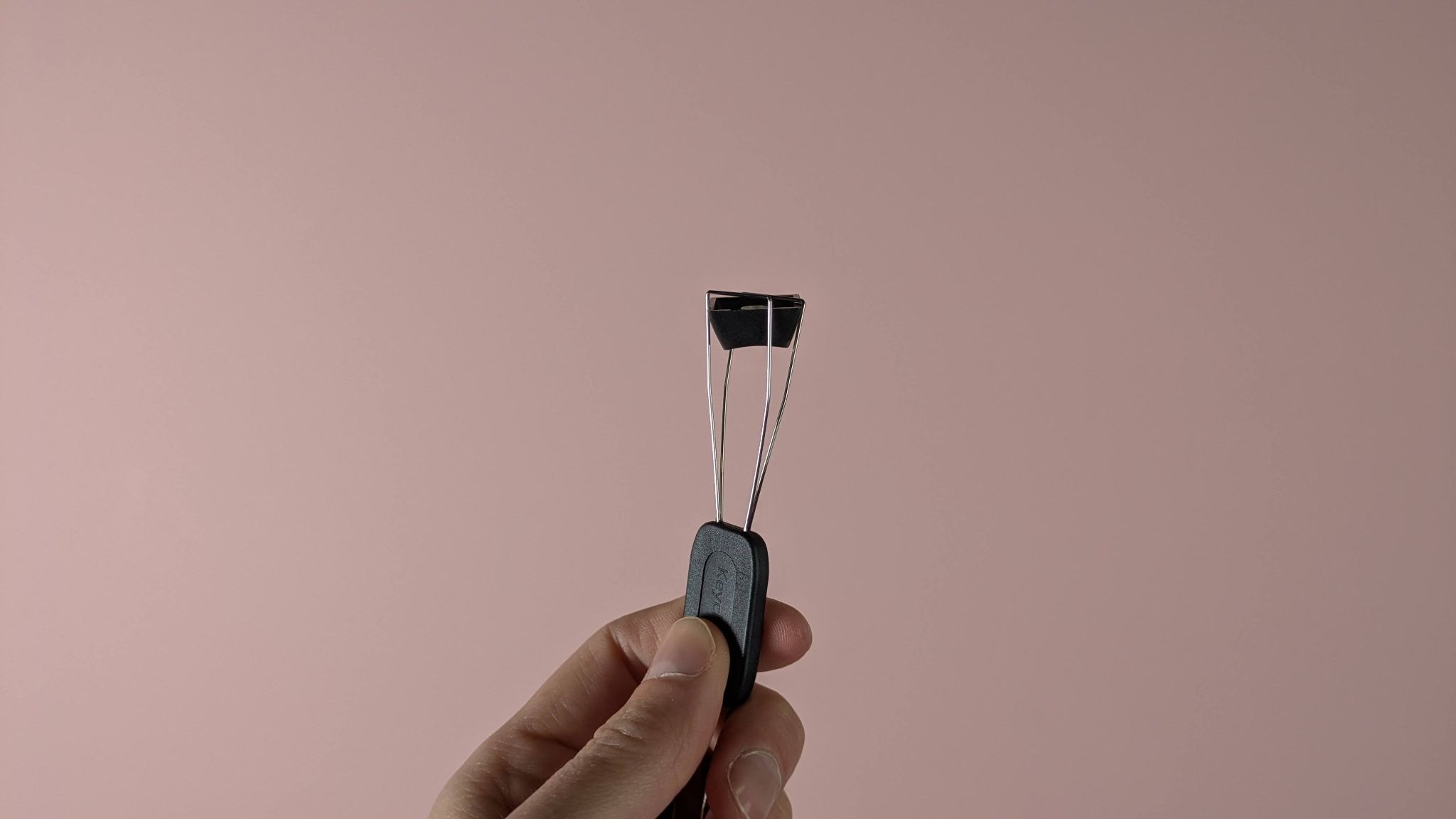
Keychron utilizes a Web App for customization, a move away from the traditional model of requiring bulky, background-running software like Razer Synapse or Corsair iCUE. This web interface allows for extensive remapping of keys, macro creation, and the adjustment of RGB patterns.
A standout feature in the software suite is the inclusion of SOCD (Simultaneous Opposite Cardinal Direction) settings. In the context of modern gaming, SOCD allows the user to define how the keyboard reacts when two opposing keys (such as A and D) are pressed simultaneously. This is a critical feature for "counter-strafing" in tactical shooters. The K2 Ultra 8K allows users to set priorities—such as having the last pressed key take precedence or canceling both inputs—providing a level of control usually reserved for custom enthusiast boards.
Additionally, the software offers "bounce time" adjustments for both downstrokes and upstrokes. By allowing users to tweak these settings in millisecond increments (ranging from 10ms to 50ms), Keychron provides a way to eliminate "key chatter" or double-pressing issues that can plague mechanical switches as they age.
Market Positioning and Comparative Data
The K2 Ultra 8K enters a market currently divided between premium "gaming" brands and "enthusiast" custom brands. Its primary competition includes:
- Razer BlackWidow V4 Pro 75%: Priced at approximately $299, the Razer offers a more polished software experience, superior RGB integration, and a dedicated OLED display. However, the K2 Ultra 8K provides the same 75% layout and similar build materials for less than half the price.
- HyperX Origins 2 1800: This model is priced closer to the Keychron but is limited to wired connectivity. While the HyperX is praised for its "upmarket" feel, the Keychron’s wireless capabilities and 8K polling rate offer a higher technical ceiling for users who prioritize performance and desk aesthetics.
The value proposition of the K2 Ultra 8K is clear: it offers 80-90% of the performance of a $300 flagship keyboard for $120. For users willing to provide their own wrist rest and potentially swap out the keycaps for "shine-through" variants, the savings are substantial.
Broader Impact and Industry Implications
The release of the K2 Ultra 8K signals a shift in the peripheral industry. High-end features that were once the exclusive domain of boutique custom keyboard builders—such as 8K polling, hot-swappable sockets, and pre-lubed switches—are now becoming standard in mid-range consumer products.
Keychron’s success with this model may force larger manufacturers to reconsider their pricing structures. As consumers become more educated about mechanical keyboard components (such as the difference between PBT and ABS keycaps or the benefits of lubed stabilizers), brand loyalty is being replaced by a demand for raw hardware value.
Conclusion and Final Assessment
The Keychron K2 Ultra 8K is a testament to the democratization of high-end keyboard technology. It is a durable, heavy-duty peripheral that excels in technical performance and customization. While its ergonomic height and opaque keycaps represent minor hurdles, they are far from deal-breakers when viewed through the lens of its $119.99 price tag.
For the competitive gamer, the 8K polling rate and SOCD features provide a professional edge. For the office worker, the hot-swappable nature of the board means it can be customized with silent switches to suit a shared environment. Ultimately, the K2 Ultra 8K is a versatile, high-value entry that reinforces Keychron’s position as a disruptive force in the mechanical keyboard market. It is a "tough unit" that offers a premium mechanical experience without the premium price tag, provided the user is prepared for its substantial physical presence.