Apple’s Next-Generation MacBook Neo 2: A Deep Dive into Anticipated Features, Performance Upgrades, and Market Impact

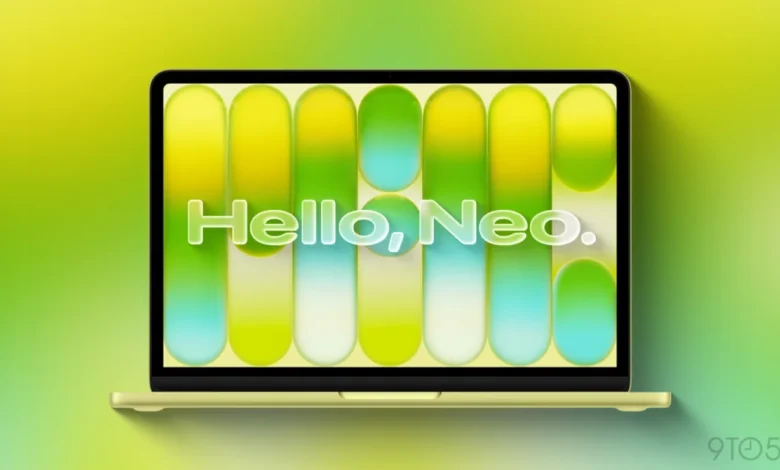
The introduction of the all-new MacBook Neo earlier this year marked a significant moment for Apple, establishing itself as a resounding success and exceeding initial demand expectations, leading to reported supply chain challenges. This entry-level laptop has quickly cemented its position within Apple’s ecosystem, appealing to a broad segment of users seeking an affordable yet powerful macOS experience. As the tech world turns its attention to future innovations, details regarding the next iteration, tentatively dubbed the MacBook Neo 2, are beginning to emerge, promising substantial upgrades that underscore Apple’s commitment to its most accessible portable Mac. This article compiles everything currently known about the forthcoming MacBook Neo 2, examining its anticipated features, potential release timeline, and the broader implications for Apple’s strategic direction in the competitive personal computing market.
The Foundation of Success: The Current MacBook Neo’s Impact
Launched in March of the current year, the original MacBook Neo quickly captured market attention, lauded for its innovative design, robust performance powered by the A18 Pro chip, and its attractive price point. This model was a strategic move by Apple to broaden its Mac user base, offering a gateway into the macOS experience without the premium cost associated with the MacBook Air or Pro lines. Its immediate success, as indicated by overwhelming demand that outstripped supply, highlighted a significant market appetite for an affordable, high-performance Apple laptop. The A18 Pro chip, shared with the flagship iPhone 16 Pro, delivered impressive efficiency and power, setting a new standard for what an entry-level laptop could achieve. This success forms the crucial backdrop against which the upcoming MacBook Neo 2 is being developed, with Apple aiming to build upon this momentum with even more compelling features.
Anticipated Enhancements: MacBook Neo 2 Features
The core of the MacBook Neo 2’s appeal lies in its rumored technological advancements, primarily centered around a new, more powerful chip, increased memory, and enhanced AI capabilities. These upgrades are not merely incremental; they represent a concerted effort to push the boundaries of performance and user experience in the affordable laptop segment.
The Powerhouse: A19 Pro Chip Integration

At the heart of the MacBook Neo 2 is the much-anticipated transition to the A19 Pro chip. The current MacBook Neo leverages the A18 Pro, a chip that has already demonstrated formidable capabilities, mirroring the processing power found in the iPhone 16 Pro. However, according to reports from Bloomberg, Apple is poised to equip the next-generation MacBook Neo with the A19 Pro chip, a silicon powerhouse also featured in the flagship iPhone 17 Pro and iPhone Air.
This upgrade is far from trivial. Performance benchmarks suggest the A19 Pro delivers a substantial leap over its predecessor. In single-core and multi-core CPU tests, the A19 Pro is estimated to be approximately 10-15% faster than the A18 Pro. More significantly, the graphical processing unit (GPU) performance is expected to see an even more dramatic boost, with benchmarks indicating an impressive up to 40% improvement. This considerable gain in GPU performance is attributed to a crucial architectural enhancement: every GPU core in the A19 Pro now integrates Neural Accelerators. This dedicated hardware for artificial intelligence and machine learning tasks is a testament to Apple’s forward-looking strategy, anticipating an increasing reliance on on-device AI for various computing functions.
However, in a move to differentiate product tiers and manage production yields, reporter Tim Culpan has indicated that Apple will likely employ a "binned" version of the A19 Pro chip for the MacBook Neo 2. While the A19 Pro in the iPhone 17 Pro boasts a 6-core GPU, the MacBook Neo variant is expected to feature a 5-core GPU. This common industry practice allows manufacturers to utilize chips that may not meet the highest specifications for their top-tier products, redirecting them to more affordable lines while still offering significant performance improvements over previous generations. This strategy ensures a balance between cost-effectiveness and delivering a premium user experience, maintaining a clear distinction within Apple’s broader product portfolio.
Memory Boost: Addressing a Key Limitation
One of the few compromises identified in the current MacBook Neo, particularly when compared to other Macs, is its base configuration of 8GB of Unified Memory (RAM). While Apple’s efficient memory management with Apple Silicon often makes 8GB perform akin to higher amounts in other systems, the rest of Apple’s Mac lineup typically commences with 16GB of RAM.
The MacBook Neo 2 is expected to address this point of differentiation, albeit not by jumping directly to 16GB. Instead, reports suggest the next-generation model will offer 12GB of RAM, a direct benefit of the A19 Pro chip’s enhanced memory controller and system architecture. While 8GB of RAM was deemed a non-critical limitation in many reviews for the initial MacBook Neo, an increase to 12GB represents a significant improvement for users engaging in more demanding tasks such, as advanced photo editing, light video editing, or running multiple applications concurrently. This memory upgrade will contribute to a smoother multitasking experience and improved overall system responsiveness, further enhancing the laptop’s value proposition without pushing it into the higher price bracket of the MacBook Air.
Unlocking Advanced AI Capabilities
The synergistic combination of the more powerful A19 Pro chip and the increased 12GB of RAM is poised to unlock support for Apple’s advanced on-device AI model, which was prominently unveiled at WWDC. This sophisticated model is designed to operate locally on the device, significantly enhancing privacy and responsiveness by reducing reliance on cloud processing.
For users, this translates into tangible improvements. The new AI model is expected to enable a more accurate and nuanced dictation experience, capable of understanding context and adapting to individual speech patterns with greater precision. Furthermore, it will introduce new options for customizing the Siri voice, allowing for a more personalized interaction with Apple’s virtual assistant. The current MacBook Neo, constrained by its A18 Pro chip and 8GB of RAM, does not support these cutting-edge AI features. The inclusion of these capabilities in the MacBook Neo 2 highlights Apple’s broader strategy to embed advanced artificial intelligence directly into its hardware, offering intelligent features that seamlessly integrate into the user workflow and elevate the overall macOS experience. This move is crucial in a rapidly evolving tech landscape where on-device AI is becoming a key differentiator.
Aesthetic Evolution: New Color Palettes
Beyond internal hardware enhancements, the MacBook Neo 2 is also expected to receive cosmetic updates. The current MacBook Neo is celebrated for its vibrant array of color options, including citrus, blush, indigo, and silver, reflecting a more playful and personal aesthetic compared to the traditionally muted tones of other MacBooks. Bloomberg reports that Apple’s strategy is to "periodically" refresh the MacBook Neo’s color palette, maintaining its appeal to a fashion-conscious and diverse user base. While specific new colors for the next-generation model have not yet been detailed, this approach allows Apple to introduce fresh options that align with current trends or seasonal themes, ensuring the product remains visually exciting and relevant in the market. This strategy is reminiscent of how Apple manages the color offerings for its iPhone and iPad lines, using aesthetics as a powerful tool for consumer engagement and product refresh cycles.
Market Context and Apple’s Strategic Positioning
The MacBook Neo’s emergence and the anticipation for its successor must be viewed within the broader context of Apple’s product strategy and the evolving personal computing market. The current MacBook Neo’s success, evidenced by its overwhelming demand and subsequent supply chain issues, underscores the significant market segment hungry for an affordable Apple laptop. This device effectively serves as an on-ramp to the Apple ecosystem for students, first-time Mac users, and those who prioritize portability and design without needing the raw power of a MacBook Pro.
Apple’s decision to utilize its A-series chips, traditionally reserved for iPhones and iPads, in the MacBook Neo highlights a strategic pivot. By leveraging its highly optimized mobile silicon, Apple can achieve an impressive balance of performance, power efficiency, and cost-effectiveness that is difficult for competitors to match with off-the-shelf components. This vertical integration strategy gives Apple unparalleled control over its hardware and software, leading to a cohesive and optimized user experience. The "binned" A19 Pro chip for the Neo 2 further exemplifies this strategy, maximizing chip yield and allowing for price differentiation across the product line while still delivering a significant upgrade.

Chronology and Release Expectations
The current MacBook Neo was introduced in March of the current year, making its debut a relatively recent event in Apple’s product cycle. Following this timeline, and factoring in production cycles and chip development, Tim Culpan reports that the A19 Pro-powered MacBook Neo 2 is slated for a release sometime in 2027. This suggests an approximate two-year refresh cycle for this particular product line, a pace that aligns with Apple’s typical update cadence for its more consumer-focused devices, balancing innovation with market saturation.
The timeline also provides context for the A19 Pro chip’s availability, which would have debuted in the iPhone 17 Pro and iPhone Air in late 2026 or early 2027, allowing for its subsequent integration into Mac products. Such a phased rollout ensures that Apple’s latest silicon innovations first power its highest-volume products (iPhones) before cascading down to other segments like the entry-level MacBooks.
Supply Chain and Manufacturing Considerations
The reported supply chain problems faced by the initial MacBook Neo due to demand exceeding expectations offer valuable insight into the challenges Apple navigates. Manufacturing complex silicon like the A18 Pro and A19 Pro chips, alongside assembling a new laptop form factor, requires immense logistical coordination. The "binning" process for the A19 Pro chip in the Neo 2 is a direct response to these manufacturing realities, allowing Apple to salvage and utilize chips that may have minor imperfections, thus increasing yield and managing costs for a high-volume, affordable product.
Industry analysts suggest that Apple’s experience with the initial Neo’s demand surge has likely informed their production planning for the Neo 2. Efforts to diversify supply chains and ramp up production capacity for the A19 Pro chip will be critical to avoid similar bottlenecks upon the successor’s launch. The global semiconductor industry remains volatile, and securing sufficient components for a device with anticipated mass appeal like the MacBook Neo 2 will be a paramount challenge for Apple’s operations team.
Competitive Landscape and Broader Implications

The MacBook Neo 2, with its enhanced performance, increased memory, and advanced AI features, is poised to further strengthen Apple’s position in the fiercely competitive laptop market. It directly challenges entry-level and mid-range Windows laptops, particularly those adopting ARM-based processors, by offering a highly optimized hardware-software ecosystem that leverages the efficiency and power of Apple Silicon.
For Apple, the MacBook Neo 2 represents more than just a product refresh; it is a strategic pillar in its ecosystem expansion. By offering a compelling entry point, Apple aims to capture new users who might otherwise opt for a Windows machine, drawing them into the world of macOS, iCloud, Apple services, and potentially other Apple hardware. This "halo effect" is a critical component of Apple’s business model.
The advanced on-device AI capabilities are particularly significant. As artificial intelligence becomes increasingly integrated into everyday computing, having these features accessible on an affordable Mac ensures that Apple’s AI innovations are not exclusive to its premium devices. This broadens the reach of Apple’s AI strategy, making it a more significant player in the evolving AI landscape against competitors like Microsoft and Google.
Furthermore, the continued success of the MacBook Neo line reinforces the viability of Apple’s A-series chips in portable computers, potentially paving the way for even more diverse product offerings in the future. It demonstrates that powerful, energy-efficient computing can be achieved at various price points, driven by custom silicon.
Conclusion: A Promising Future for Apple’s Entry-Level Mac
The anticipated MacBook Neo 2 appears set to be a significant evolution of Apple’s most affordable laptop. With a powerful A19 Pro chip, increased 12GB RAM, and advanced on-device AI capabilities, it promises a substantial upgrade in performance and user experience. The periodic introduction of new colors will also ensure its continued aesthetic appeal. Slated for a 2027 release, the MacBook Neo 2 is not just an incremental update; it is a strategic move by Apple to solidify its presence in the entry-level laptop market, expand its user base, and showcase the capabilities of its integrated hardware and software ecosystem, particularly in the realm of artificial intelligence. Its success will be a testament to Apple’s ability to innovate and deliver compelling technology across its product spectrum, reinforcing its standing as a dominant force in the global technology landscape.