Florida Resident Arrested for Masterminding Cybercrime Ring that Infected 8,000 PCs via Malicious Video Games, Stole $220,000 in Cryptocurrency


A 21-year-old Florida resident, Zyaire Dontaevious Zamarion Wilkins, has been apprehended by the Federal Bureau of Investigation (FBI) on charges of orchestrating a sophisticated cybercrime operation that leveraged seemingly innocuous video games to distribute malware, infecting approximately 8,000 personal computers (PCs) and siphoning an estimated $220,000 in cryptocurrency from around 80 digital wallets. The alleged scheme, detailed in a federal indictment and corroborated by reports from cybersecurity publication TechSpot, spanned a significant period from May 2024 to February 2026, marking a concerning convergence of online gaming, digital finance, and cyber nefariousness.
The Genesis of the Digital Heist: Malware Masquerading as Games
The operation, according to court documents, involved the distribution of malware cleverly disguised within popular-looking video game titles. While the indictment judiciously refrains from explicitly naming the storefront, several of the compromised games were reportedly available on Steam, the world’s largest digital distribution platform for PC gaming, until early 2026. Wilkins, along with unnamed co-conspirators, now faces a battery of charges, prominently including conspiracy to distribute malware, a serious federal offense reflecting the gravity of the digital intrusion.
The FBI complaint specifically identifies four titles as central to the malicious campaign: BlockBlasters, Dashverse, Lunara, and PirateFi. TechSpot’s investigation revealed that all four of these games had a presence on Steam until the FBI publicly announced its investigation and issued an urgent call for any individuals who had downloaded these titles to come forward, signaling the immediate threat they posed to user security. The sheer reach of Steam, which passed 200 million monthly active users in July 2026, underscores the vast potential attack surface such a method could exploit, turning a popular entertainment medium into a vector for financial fraud.
Forensic cryptocurrency researcher ZachXBT, renowned for his on-chain investigations, and the malware repository vx-underground, an authoritative source for malware analysis, have shed further light on the scale of the financial damage. BlockBlasters alone is estimated to have been responsible for the theft of approximately $150,000 in cryptocurrency, impacting between 261 and 478 individual victims. This figure represents a substantial portion of the total alleged stolen amount, highlighting the particular efficacy or widespread distribution of this specific malicious game.
One particularly poignant instance of theft involved Twitch streamer RastalandTV. In September 2025, the streamer reportedly lost $32,000, funds that had been generously donated by viewers to assist with crucial cancer treatment costs. This specific detail not only underscores the devastating financial impact but also the profound emotional and ethical dimensions of such cybercrimes, revealing the callous nature of perpetrators who prey on vulnerable individuals. The malware deployed in Wilkins’ operation was explicitly designed to harvest passwords and other highly sensitive data from victims’ computers. Once acquired, this confidential information was then systematically exploited to gain unauthorized access to and subsequently drain online cryptocurrency wallets, leaving victims financially devastated.
A Sophisticated Modus Operandi: From Promotion to Exploitation
Investigators allege that Wilkins and his associates meticulously promoted these infected games across a spectrum of popular online platforms, including Discord, Telegram, X (formerly Twitter), and LinkedIn. This multi-platform approach ensured a broad reach, targeting potential victims where they were most active. The complaint further details a sophisticated targeting mechanism: the use of automated bots to identify users with substantial cryptocurrency holdings. Once identified, these high-value targets were reportedly contacted directly, likely through social engineering tactics, to encourage them to download and play the malicious games.
Beyond merely distributing the malware, the FBI believes Wilkins played a pivotal role in the financial and strategic aspects of the operation. He is suspected of financing the entire enterprise and actively marketing the malware to other cybercriminals on various underground forums, suggesting a deeper involvement in the illicit cybercrime ecosystem. This indicates that Wilkins may have been a key player not just in using the malware, but also in its broader proliferation or "malware-as-a-service" model.
Further evidence linking Wilkins to the sprawling operation emerged from recovered Signal chats obtained from the devices of a suspected malware developer. Miami news station WPLG Local 10, citing these messages, reported that Wilkins, operating under the dark web alias "Sibel.eth," allegedly purchased a $10,000 remote access trojan (RAT). These chats also reportedly contained discussions about various deceptive methods to trick victims into inadvertently approving fraudulent cryptocurrency transactions, illustrating a calculated and deliberate intent to defraud. While the suspected developer’s identity has not been publicly disclosed, nor have they been formally charged, their alleged collaboration points to a network of individuals involved in the intricate layers of this cybercriminal enterprise.
The Digital Breadcrumb Trail: How the FBI Unraveled the Scheme
The investigation into Wilkins’ operation serves as a compelling case study in the evolving capabilities of law enforcement to combat digital crime. The FBI successfully tracked the stolen Bitcoin, a notoriously challenging task given the pseudo-anonymous nature of cryptocurrency, to over 150 Bitrefill gift cards. Bitrefill is a service that allows users to purchase gift cards and mobile refills with cryptocurrency. TechSpot highlighted a crucial operational security misstep by the suspects: a significant portion of these gift cards were used to pay for Uber Eats orders. This seemingly mundane real-world spending habit provided a critical link, transforming abstract blockchain activity into tangible, traceable purchases, thereby playing a pivotal role in identifying the suspects and connecting their digital footprints to their physical identities.
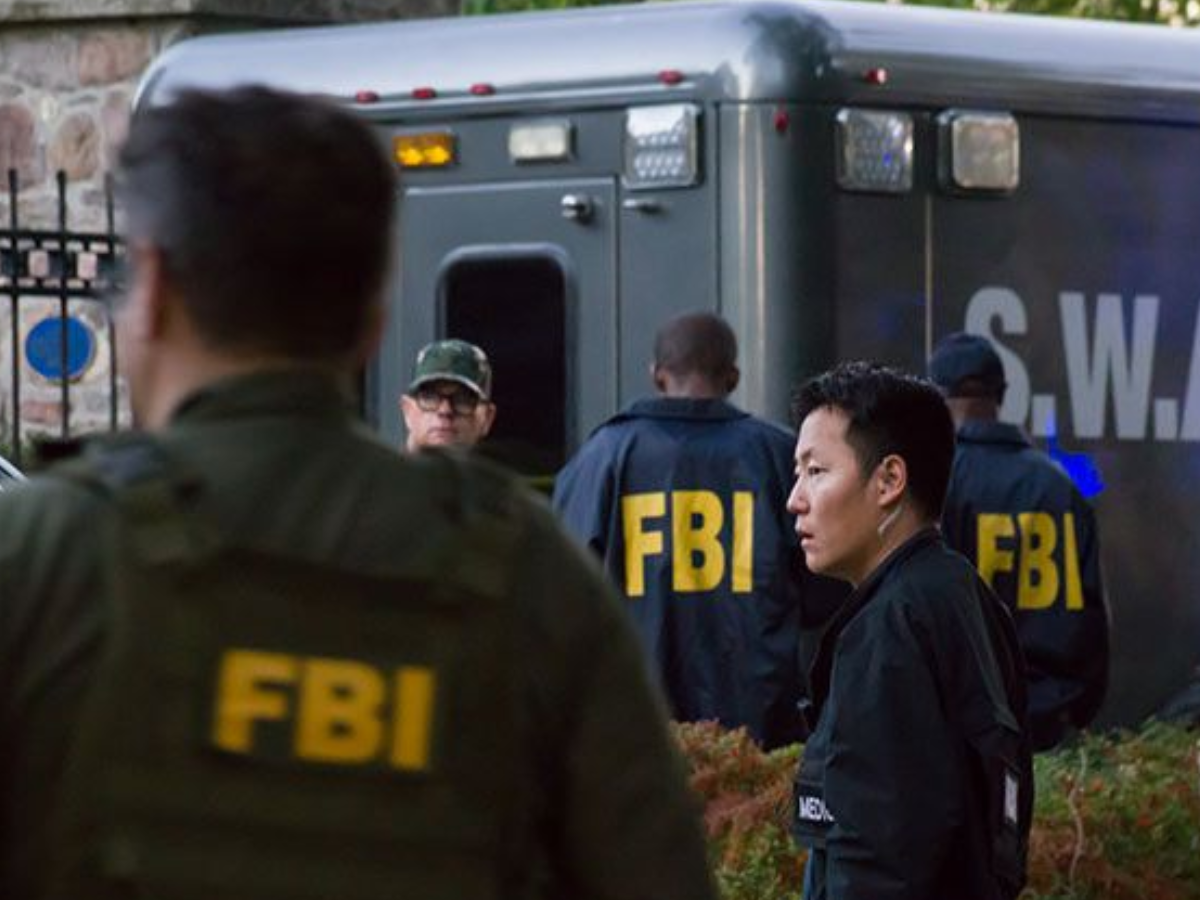
In addition to the digital forensics, investigators also executed searches on the property of the suspected malware developer, seeking additional evidence to corroborate their findings and expand the scope of the investigation. The combination of advanced blockchain analysis, traditional investigative techniques, and the perpetrators’ own operational security failures ultimately led to the unmasking and arrest of Wilkins. This demonstrates the increasing sophistication of law enforcement agencies in navigating the complexities of the digital financial landscape.
A Broader Threat: Cybersecurity Landscape for Gamers and Crypto Holders
The Wilkins case is a stark reminder of the escalating cyber threats targeting the burgeoning communities of online gamers and cryptocurrency holders. Gamers, often equipped with powerful PCs and spending significant time online, represent an attractive target for cybercriminals. Their systems frequently contain valuable personal data, credit card information linked to gaming accounts, and increasingly, access to cryptocurrency wallets. The perception of anonymity in online gaming communities can also foster a false sense of security, making users more susceptible to social engineering tactics.
Cryptocurrency, with its decentralized nature and often high market value, has become a prime target for illicit activities. While blockchain technology offers transparency in transactions, the pseudo-anonymous nature of wallet addresses, combined with the irreversible nature of transfers, makes recovery of stolen funds incredibly difficult once they are moved. This makes direct theft from user wallets highly lucrative for criminals. The prevalence of dark web marketplaces facilitating the sale of malware, stolen credentials, and illicit services further fuels this ecosystem, enabling individuals with varying technical skills to participate in cybercrime.
Protecting Your Digital Assets: Essential Safeguards in a Risky Environment
For users who downloaded BlockBlasters, Dashverse, Lunara, or PirateFi on any platform, the FBI’s recommendation is unequivocal: consider your systems compromised. The malware was designed to capture a broad spectrum of credentials, including those associated with browser sessions and cryptocurrency wallets. Any accounts accessed on an affected machine during the period of exposure may now be at significant risk. Immediate and decisive action is crucial to mitigate further damage.
Recommended actions based on the malware’s behavior and general cybersecurity best practices include:
- Change All Passwords Immediately: Prioritize critical accounts such as email, online banking, cryptocurrency exchanges and wallets, social media platforms, and all gaming accounts. Use strong, unique passwords for each, ideally generated by a reputable password manager.
- Enable Two-Factor Authentication (2FA): Implement 2FA on every possible online account, especially those linked to finances or sensitive data. Hardware security keys (like YubiKey) or authenticator apps are generally more secure than SMS-based 2FA.
- Secure Cryptocurrency Holdings: Immediately transfer any remaining cryptocurrency from compromised wallets or exchanges to a new, secure wallet. Hardware wallets (cold storage) offer the highest level of security for significant holdings. Be extremely cautious and double-check all addresses before sending funds.
- Perform Comprehensive System Scans: Conduct a full system scan using up-to-date, reputable antivirus and anti-malware software. Consider using multiple scanners to ensure thorough detection.
- Consider Operating System Reinstallation: For critical systems that may have been deeply compromised, a complete reinstallation of the operating system is the most secure option to ensure all traces of malware are removed. Backup essential data to a separate, clean drive first.
- Isolate Affected Devices: Disconnect any potentially compromised devices from your network to prevent the malware from spreading to other devices or accessing shared resources.
- Monitor Financial and Cryptocurrency Accounts: Keep a vigilant eye on all bank statements, credit card transactions, and cryptocurrency wallet activity for any unauthorized or suspicious movements.
- Report to Authorities: Contact the FBI and your local law enforcement agencies to report the incident. Provide them with any relevant information, as your data can aid ongoing investigations. Also, notify your financial institutions.
- Be Wary of Unsolicited Downloads: Exercise extreme caution when downloading games, mods, or software from unofficial sources. Always verify the legitimacy of the developer and the distribution platform.
- Keep Software Updated: Regularly update your operating system, web browsers, antivirus software, and all applications. These updates often include critical security patches that protect against known vulnerabilities.
- Educate Yourself: Stay informed about the latest cyber threats, phishing techniques, and social engineering tactics used by criminals.
The FBI has specifically urged anyone who downloaded the infected titles to contact investigators to assist with the ongoing and complex investigation, emphasizing the collective effort required to combat such large-scale cybercrime.
Legal Proceedings and Lingering Questions
As of the latest reports, Zyaire Dontaevious Zamarion Wilkins has been charged, but it is important to note that he has not yet been convicted, and the legal process is ongoing. The indictment explicitly mentions the involvement of unnamed co-conspirators, indicating that Wilkins may not have acted alone. The FBI has not publicly stated whether additional arrests are anticipated or if a more comprehensive list of affected titles, beyond the four already named, will eventually be revealed.
TechSpot’s observation that the indictment refrains from specifying which storefront hosted the games, combined with Valve’s silence on the matter, leaves several questions unanswered regarding the platform’s role and responsibility. While Steam has robust security measures, the incident highlights the continuous challenge faced by large platforms in vetting every piece of content, especially with the sheer volume of games released. The lack of an official statement from Valve or Steam regarding the four titles mentioned by the FBI adds a layer of ambiguity to the incident’s impact on one of the gaming industry’s most dominant players.
The broader implications of this case extend to the ongoing arms race between cybercriminals and cybersecurity professionals, as well as law enforcement. The ability of investigators to trace digital assets through seemingly innocuous real-world purchases underscores the persistent vulnerabilities that criminals leave behind, even in the seemingly anonymous realm of cryptocurrency. This case serves as a powerful reminder that while digital crimes may feel abstract, their consequences are very real, impacting individuals financially and emotionally, and necessitating vigilance from all online participants.