Game of Thrones: War for Westeros Delayed to Early 2027, PlaySide Studios Prioritizes Quality

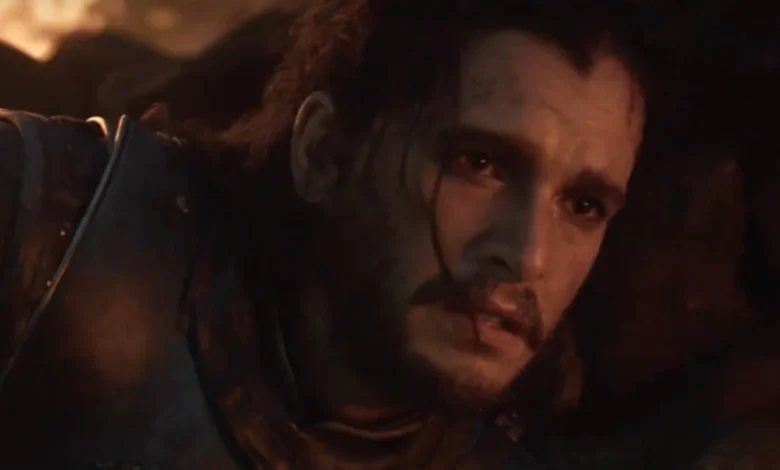
The highly anticipated real-time strategy (RTS) game, Game of Thrones: War for Westeros, developed by PlaySide Studios, has officially been postponed from its previously targeted 2026 release to early 2027. The decision, announced via an official development blog post, stems from the studio’s commitment to delivering a high-quality gaming experience that meets the expectations of both dedicated RTS players and the vast fanbase of George R.R. Martin’s iconic fantasy saga.
Development Update and Rationale for Delay
In a recent update to the Game of Thrones: War for Westeros development blog, the studio conveyed that while progress had initially been reported as "progressing well," the team has made the strategic decision to push back the release date. This adjustment is intended to provide the necessary time to "continue building towards that goal and ensure that the game reaches the high level of quality we are aiming for." The original release window of 2026 has now been formally shifted to early 2027, a move PlaySide Studios acknowledges may be met with disappointment but emphasizes as crucial for the game’s ultimate success.
The studio’s statement read, "We remain unwavering in our mission to deliver a real-time strategy game set in the world of Westeros that meets the expectations of both RTS players and Game of Thrones fans. This decision gives us the time needed to continue building towards that goal and ensure that the game reaches the high level of quality we are aiming for. Thank you for your patience and continued support. We know the wait has been long, and we do not take your support for granted."
Game Features and Player Experience
Game of Thrones: War for Westeros aims to immerse players in the brutal political and military landscape of Westeros, allowing them to command one of four distinct factions: House Stark, House Lannister, House Targaryen, or the formidable Army of the Dead led by the Night King. The core gameplay loop will revolve around strategic decision-making, resource management, and tactical combat, all set against the backdrop of the epic struggle for the Iron Throne.
A key feature highlighted by the developers is the inclusion of "iconic heroes" within each faction. These legendary figures are designed to be pivotal in turning the tide of battles, possessing the ability to level up, unlock new skills, and significantly bolster their accompanying armies. The effective leadership and strategic deployment of these heroes are emphasized as critical elements for achieving victory in skirmishes and larger engagements.
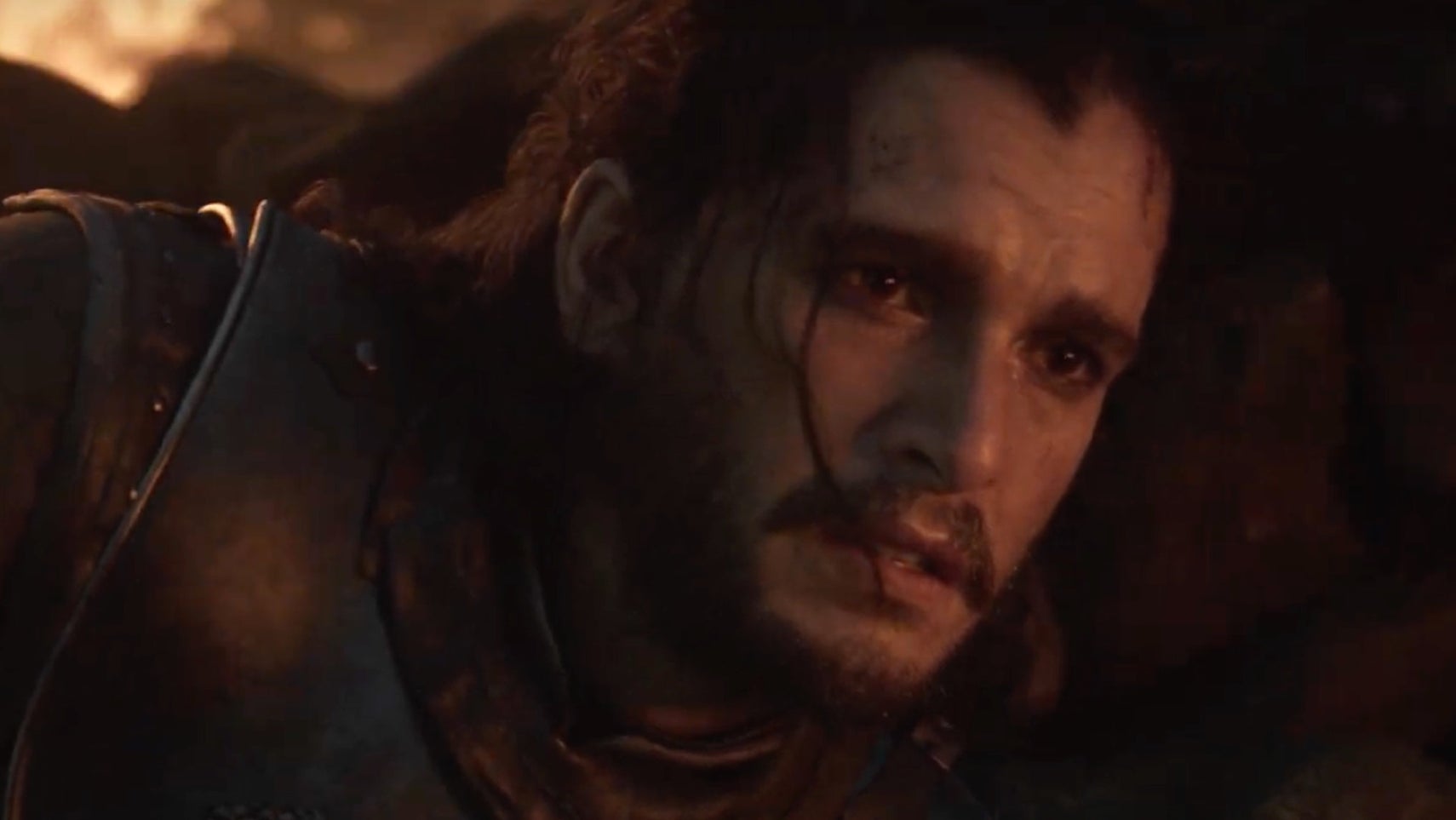
PlaySide Studios has also placed a significant emphasis on the tactile and visceral aspects of gameplay. The development team has dedicated substantial resources to refining unit responsiveness, ensuring believable unit behavior, and creating a palpable sense of physical impact on the battlefield. The goal is to make every clash feel "visceral," with intricate feedback mechanisms designed to enhance the player’s connection to the on-screen action. This meticulous attention to detail in unit interactions and battlefield feedback is a testament to the studio’s ambition to create an RTS experience that is both strategically deep and immediately engaging.
Timeline and Background of Development
Game of Thrones: War for Westeros was first revealed to the public in June 2025, generating considerable excitement among fans of both the franchise and the real-time strategy genre. The announcement, which included the release of an official reveal trailer, provided an initial glimpse into the game’s visual style, core mechanics, and the epic scale of conflict that players could expect.
The game’s development has been spearheaded by PlaySide Studios, an Australian-based developer known for its work on mobile games and, more recently, expanding into PC and console titles. This project represents a significant undertaking for the studio, venturing into the complex and demanding realm of PC RTS development, a genre with a dedicated and discerning player base. The ambition to translate the rich narrative and complex character dynamics of Game of Thrones into a compelling RTS experience is a challenging but potentially rewarding endeavor.
The initial target release year of 2026 set an ambitious timeline. However, as is often the case with large-scale game development, especially those aiming for a high degree of polish and innovation, unforeseen challenges and the desire for further refinement can necessitate adjustments to release schedules. The decision to delay until early 2027 suggests that PlaySide Studios is prioritizing the long-term success and critical reception of War for Westeros over meeting an arbitrary deadline.
Industry Context and Implications of the Delay
The real-time strategy genre, while perhaps not as commercially dominant as it once was, continues to hold a dedicated following. Games like StarCraft II, Age of Empires IV, and Company of Heroes 3 have demonstrated the enduring appeal of strategic depth, base building, and large-scale warfare. For Game of Thrones: War for Westeros to succeed, it must not only capture the essence of its source material but also compete effectively within this established genre.
A delay of this nature, while disappointing for eager players, is often a sign of a studio committed to quality. In the current gaming landscape, rushed releases can lead to significant backlash, negative reviews, and long-term damage to a game’s reputation. By opting for a later release, PlaySide Studios is signaling a dedication to polishing the game’s mechanics, optimizing performance, and ensuring a stable and engaging experience from launch.

The extended development period could also allow for further iteration on features, potentially incorporating player feedback from early testing phases or even adapting to emerging trends within the RTS genre. The "high level of quality" that the studio aims for suggests a focus on intricate details, robust multiplayer experiences, and a compelling single-player campaign, all of which require significant development time.
Broader Impact on the Game of Thrones Gaming Landscape
The Game of Thrones franchise has seen various forays into the video game industry, with titles ranging from narrative-driven adventures to role-playing games. A full-fledged RTS game offers a distinct gameplay experience, focusing on grand strategy and large-scale conflict rather than individual character narratives. The success of War for Westeros could pave the way for more ambitious and diverse Game of Thrones gaming experiences in the future, potentially attracting new developers to the beloved IP.
Conversely, a poorly executed or buggy release could dampen enthusiasm for future Game of Thrones game projects. Therefore, the decision to delay, while potentially frustrating in the short term, is a calculated risk that prioritizes the integrity of the game and the reputation of the franchise. The anticipation for this title remains high, and the extended development period offers the potential for a truly remarkable entry into the RTS genre.
Fans will be keenly watching for further updates from PlaySide Studios as development progresses towards the early 2027 launch. The commitment to quality, underscored by the delay, provides a degree of reassurance that the game being crafted will indeed be a worthy addition to the Westeros universe and the annals of real-time strategy gaming. The wait may be longer, but the promise of a polished and immersive strategic experience within the world of Game of Thrones remains the ultimate objective.
Related posts: