From Dining Room to Digital Display: Crafting Compelling Product Videos with Everyday Resources

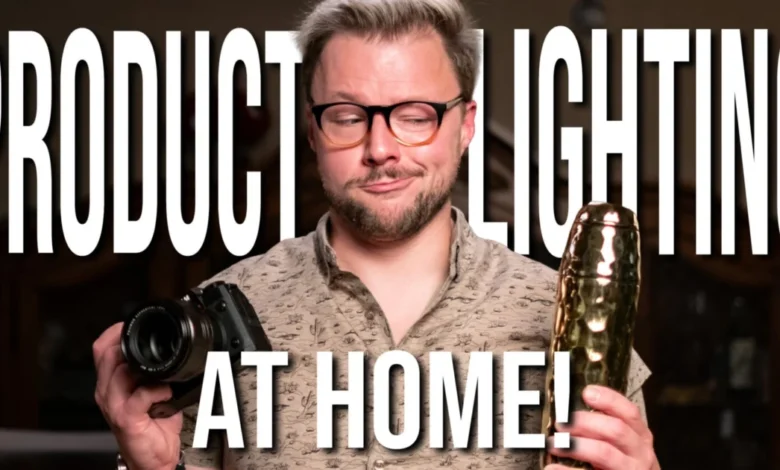
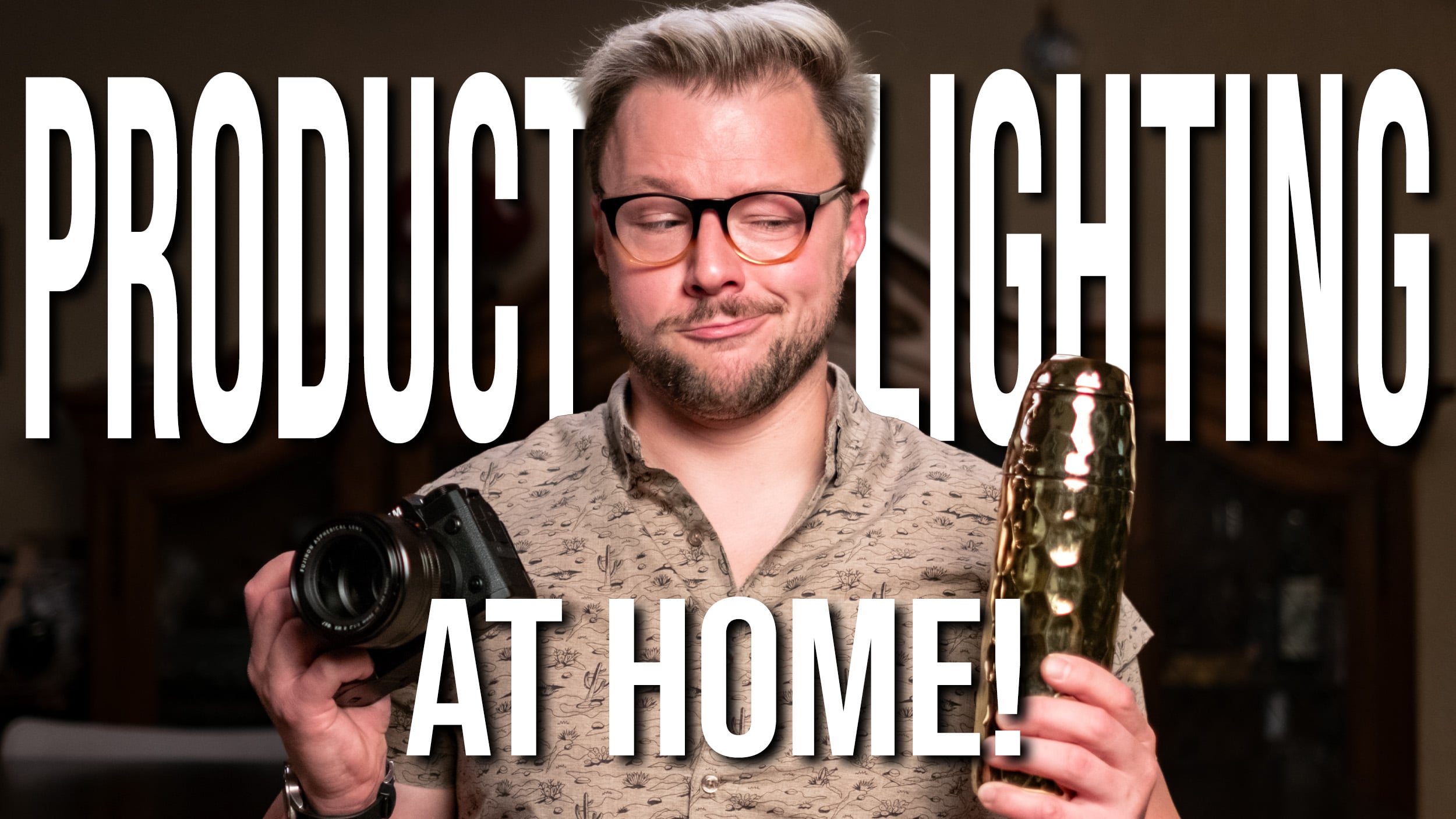
Recently, a prominent culinary brand approached an individual with a request that transcended the typical feedback loop for product development. Instead of a standard survey, the company sought an experiential review of their unreleased cocktail shaker, a sophisticated piece boasting a sleek design and intricate gold facets. The challenge was clear: transform a potentially mundane product assessment into a compelling visual narrative. This initiative, undertaken within the confines of a domestic dining room, highlights a growing trend in product marketing—leveraging accessible technology and creative ingenuity to produce high-quality promotional content without the need for extensive studio infrastructure.
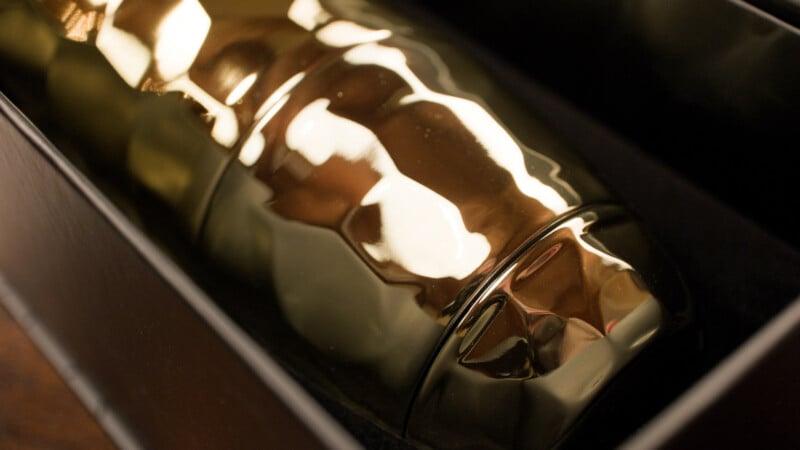
The project commenced with a clear objective: to move beyond a simple written review and instead produce a dynamic promotional video. This ambition, fueled by a recognized understanding of effective product presentation, set the stage for an exploration of how readily available photographic and lighting equipment could be employed to showcase the shaker’s aesthetic appeal. The inherent challenge lay in the product’s highly reflective surface, a characteristic that demanded meticulous control over lighting to accentuate its design rather than distort it.
Mastering the Light: The Foundation of Visual Appeal
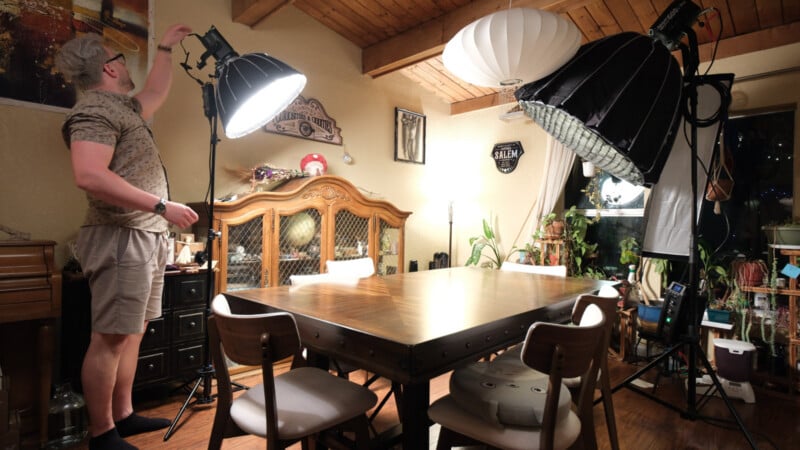
The initial phase of the production focused on meticulously controlling the ambient light. Recognizing the potential for daylight to introduce unwanted reflections and color casts, the decision was made to simulate a controlled, nighttime shooting environment. This was achieved by effectively blacking out the primary window in the dining room and drawing heavy curtains over a secondary window. While a perfect blackout was not attained, the degree of darkness achieved was sufficient for the powerful studio lights to completely overpower any residual ambient light. This control over the light source allowed for precise manipulation of color temperature, a critical element in achieving the desired mood and accurately representing the product’s materials. The photographer opted to balance the color temperature around 2,700 to 2,900 Kelvin, a warmer range that complemented the rich tones of the dining room environment and the gold accents of the shaker.
The lighting setup itself was a testament to resourcefulness. The primary or "key" light was an Aputure 600 Bicolor LED, fitted with a medium dome softbox. This light was strategically positioned to illuminate the cocktail preparation area, where the shaker would be in action. To further refine the light’s quality and prevent excessive spill, a grid was added to the softbox. This modification concentrates the light beam, ensuring it precisely illuminates the subject without bleeding into unwanted areas of the frame.
Complementing the key light were two additional lights, serving as "edge" lights. These were Nanlite 150 fixtures, each equipped with small circular dome softboxes. One edge light was positioned on one side of the setup, and the second on the opposite side. These lights were crucial for creating separation between the product and its background, adding depth and dimension to the visuals. To further enhance light control and prevent unwanted flare or spill, grids were also applied to the softboxes of these edge lights. This layered approach to lighting, utilizing both a primary illuminator and accentuating edge lights, is a cornerstone of professional product photography, ensuring that every facet of the shaker could be rendered with clarity and visual impact.
The Dynamics of Movement: Bringing the Product to Life
While static shots provide a foundational view of a product, the true power of promotional video lies in its ability to convey dynamism and engagement. The project recognized that product videography thrives on movement, employing techniques such as slow push-ins, controlled dollies, and subtle rotations to create a sense of immersion. To achieve this, a variety of camera support systems were utilized.
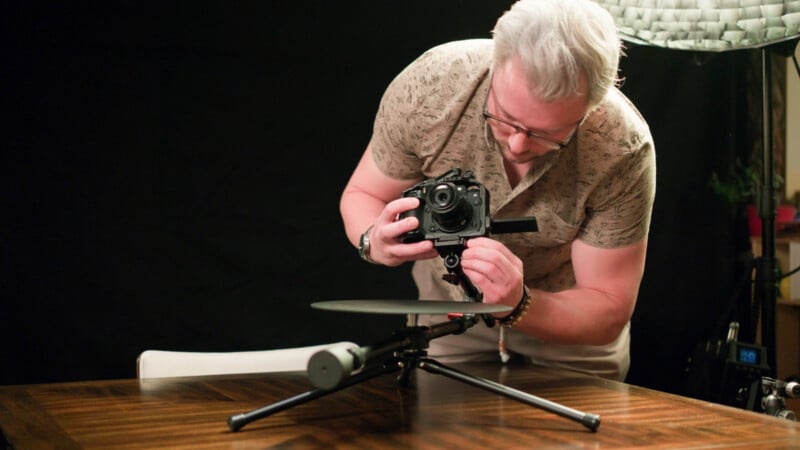
A motorized 30-inch slider was employed for executing smooth, controlled push-in shots. This device allows the camera to glide along a track, creating a sense of approach and revealing details progressively. For cylindrical products like cocktail shakers and glasses, which benefit from being viewed from multiple angles, a small turntable proved invaluable. This rotating platform enabled the camera to maintain focus on the product while circling it, capturing the interplay of light on its reflective surfaces. This technique is particularly effective for showcasing the completeness of a product’s design and the way it interacts with its surroundings.
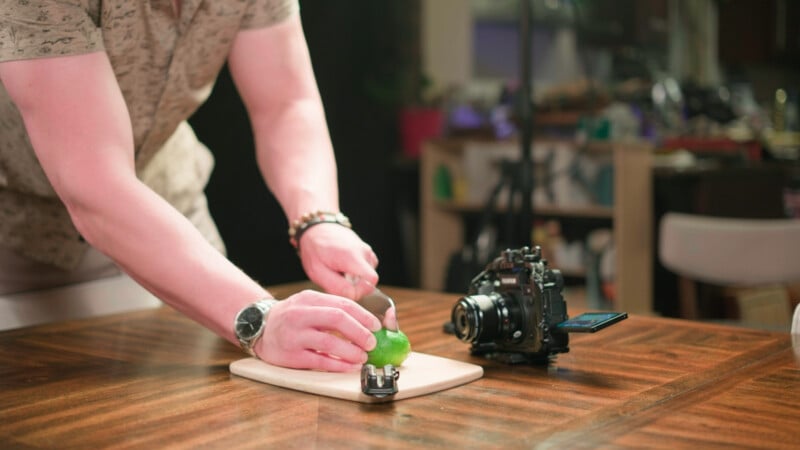
Beyond these motion-controlled systems, traditional tripod-mounted shots played a vital role. These were essential for capturing intricate details, such as the precise moment a lemon wedge is squeezed into a cocktail, the meticulous preparation of ingredients, or the delicate slicing of citrus. The photographer focused on achieving precise manual focus for these macro shots, orchestrating the action within a shallow depth of field to draw the viewer’s eye to the essential elements.
An additional perspective was achieved through overhead shots. This was accomplished by positioning the tripod above the table, pointing directly downwards. Again, manual focus was critical in ensuring that the product remained sharp and in focus, even from this elevated vantage point. These varied angles and shot types contribute to a comprehensive visual narrative, allowing the viewer to appreciate the product from every conceivable dimension.
Innovative Techniques for Captivating Visuals
The project embraced a spirit of innovation, pushing the boundaries of readily available equipment. After capturing the essential static shots, the turntable was brought into play for more fluid movements. With the shaker placed on the turntable, the focus was meticulously set, and a series of takes were recorded as the product rotated. To add further visual interest and create opportunities for dramatic slow-motion effects in post-production, many of these shots were captured at 120 frames per second. This high frame rate allows for significant deceleration during editing, transforming simple movements into captivating visual sequences.
A particularly ingenious technique was employed to create a compelling shot involving the product’s packaging. The challenge was to simulate the visual of a razor blade gliding across the packaging. Instead of moving the blade, the camera was kept stationary, and the packaging itself was placed on the slider. This created the illusion that the camera was tracking the blade’s movement, when in fact, only the packaging was in motion. This clever inversion of typical motion control demonstrates how creative problem-solving can yield sophisticated results with minimal specialized equipment.
The final sequence of shots focused on the prepared cocktails themselves, showcasing the finished product of the shaker’s labor. Close-ups of vibrant, condensation-covered glasses filled with expertly mixed drinks served as the ultimate testament to the shaker’s utility and the aspirational lifestyle it represents.
The Broader Implications: Democratizing Product Marketing
The success of this project, executed with limited gear and within a domestic setting, carries significant implications for the landscape of product marketing and content creation. The photographer’s assertion that a professional studio is not a prerequisite for high-quality product videography challenges traditional notions and underscores the increasing accessibility of advanced production techniques.
The core message resonates with a wider audience of creators and businesses: by meticulously controlling lighting, incorporating dynamic movement, and devising unique shooting setups with existing equipment, surprisingly professional and engaging video content can be produced. This democratizes the ability to create compelling product visuals, empowering small businesses, independent creators, and even individuals to compete on a more even playing field with larger corporations that possess extensive resources.
The emphasis on “keep creating and challenging yourself” serves as a powerful call to action. It encourages a mindset that prioritizes ingenuity and problem-solving over the perceived limitations of resources. This approach not only fosters personal and professional growth but also leads to more authentic and relatable content, as it often reflects the real-world environments and constraints within which many products are used.
The implications extend beyond mere cost savings. The ability to produce high-quality promotional material from unconventional locations can also lend a unique character and authenticity to brand storytelling. A product showcased within a lived-in space, rather than a sterile studio, can forge a stronger emotional connection with consumers who identify with similar environments.
Furthermore, this trend aligns with the evolving demands of digital platforms, which increasingly favor dynamic, engaging video content. As social media and online retail continue to dominate consumer interaction, the capacity to produce visually appealing and informative videos becomes not just an advantage, but a necessity. This project demonstrates that achieving this standard is within reach for a broader spectrum of creators, signaling a shift towards more accessible and innovative product marketing strategies. The culinary brand, in opting for this experiential review, has not only gained valuable feedback but has also inadvertently become a proponent of this new era of creative content production.