OnePlus Exits North America and Europe, Marking a Significant Shift in the Global Smartphone Landscape

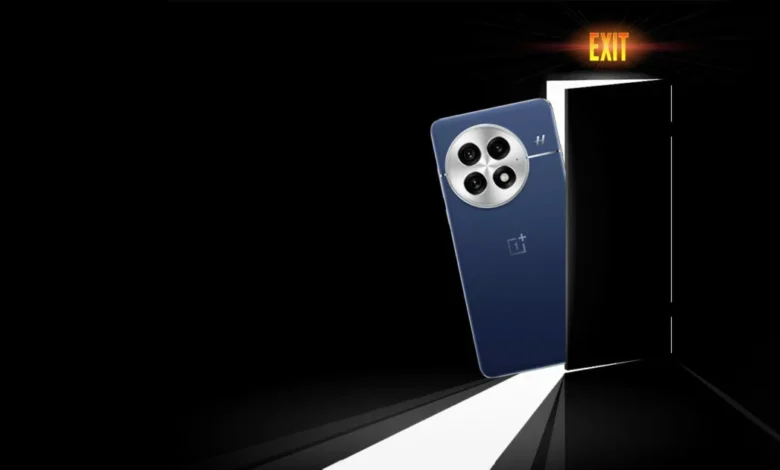
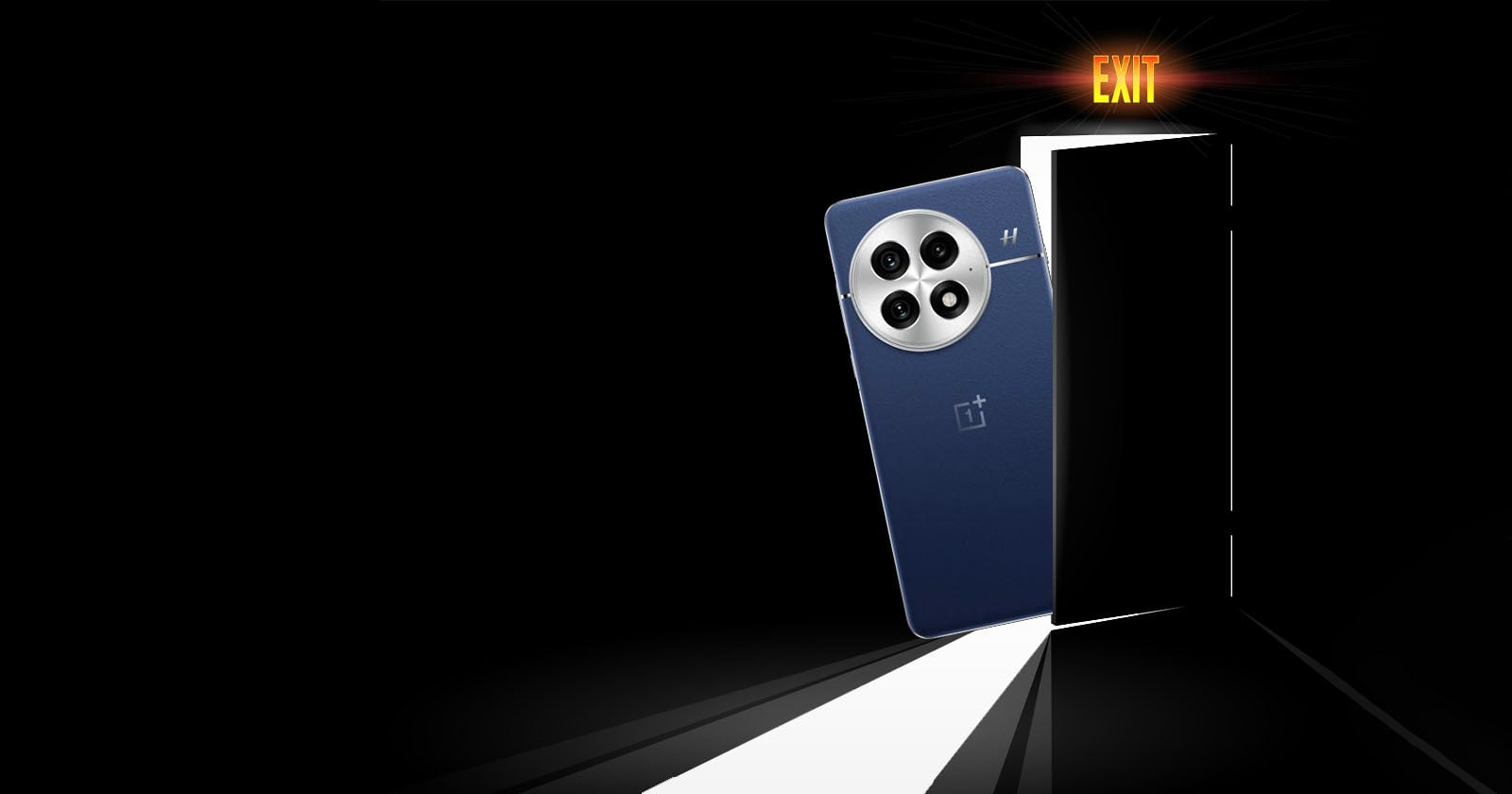
OnePlus, a brand once heralded as a disruptive force in the smartphone industry, has officially ceased its operations in North America and Europe. This strategic withdrawal, confirmed by the company, signals a profound recalibration of its global ambitions and leaves a notable void in markets that once embraced its "flagship killer" ethos. The decision, attributed to shifting market dynamics and an ongoing integration with its parent company, Oppo, signifies an end to an era for a brand that consistently pushed boundaries in performance, design, and pricing.
The End of an Era: A Strategic Retreat
For years, OnePlus cultivated a devoted following in North America and Europe by offering high-spec smartphones at competitive price points, often undercutting established giants like Apple and Samsung. Its journey, which began in December 2013, was characterized by a commitment to innovation and a user-centric approach, famously encapsulated by its former slogan, "Never Settle." However, the increasingly saturated and competitive nature of these markets, coupled with the company’s deepening integration with Oppo, has apparently led to a strategic pivot.
The merger of OnePlus and Oppo, with Oppo emerging as the dominant entity, has been a key factor in this transition. Both brands have increasingly shared technology and software, particularly in markets like China, India, and Europe. This consolidation appears to have led Oppo to re-evaluate its market presence, prioritizing regions and strategies that offer a more sustainable path to growth. The exit from North America and Europe, therefore, can be viewed not as a complete dissolution of the OnePlus brand, but rather a strategic refocusing on other global markets, likely with an increased emphasis on more affordable product lines.
A Legacy of Disruption: From "Flagship Killer" to Market Player
OnePlus burst onto the scene with the OnePlus One, a device that offered flagship-level specifications at a mid-range price. Its initial "invite-only" system was a novel approach to manage demand and build a sense of exclusivity, resonating with a tech-savvy audience eager for alternatives to the established players. At the time of its launch, the smartphone market was considerably more diverse, featuring prominent brands such as HTC, Nokia, LG, BlackBerry, and Microsoft, all of which have since seen their market share significantly diminish or have exited the sector altogether.
As the market evolved, with new entrants like Oppo, Xiaomi, Vivo, Huawei, and Nothing gaining traction, OnePlus adapted its strategy. It transitioned from solely focusing on affordable and mid-range devices to offering premium flagships, a significant shift marked by the release of the OnePlus 7 Pro in 2019. This device, lauded for its impressive camera performance and top-tier specifications, demonstrated the brand’s growing maturity and its ability to compete at the highest level.
A pivotal moment in OnePlus’s trajectory was its 2021 partnership with the renowned camera manufacturer Hasselblad. This collaboration, largely a consequence of Oppo’s own deal with the Swedish imaging giant, aimed to elevate OnePlus’s mobile photography capabilities. While Hasselblad’s contribution focused on software processing and color science rather than hardware lenses, the association signaled a serious commitment to advancing mobile imaging. Reviews of the OnePlus 13, for instance, praised its camera system as one of the best of its time, attributing its success to the synergy between advanced hardware and refined software processing. The OnePlus 13 also notably introduced MagSafe-compatible charging solutions to the Android ecosystem through accessories, further highlighting the brand’s innovative spirit.
However, the absence of Hasselblad in the subsequent OnePlus 15 launch, just ten months later, raised questions about the long-term commitment to this partnership and hinted at internal strategic realignments. While the OnePlus 15 still offered capable photography, its perceived step back from the advancements seen in its predecessor fueled speculation about an impending crisis within the company.
The Unseen Hurdles: Carrier Support and Market Inertia
A significant factor contributing to OnePlus’s struggles in North America and Europe was the persistent lack of robust carrier support. Unlike in Asia and Europe, where direct-to-consumer purchases are more common, North American consumers traditionally rely on carrier subsidies and installment plans to acquire new smartphones. OnePlus, for the most part, failed to secure sustained partnerships with major carriers in the U.S. and Canada. This forced consumers in these regions to purchase OnePlus devices outright at full retail price, a considerable financial commitment, especially for premium flagship models.
While OnePlus experienced brief periods of availability through carriers like T-Mobile in the U.S., and no Canadian carrier ever officially stocked its devices, this limited reach proved unsustainable. Retail channels such as Best Buy, Amazon, and the OnePlus website became the primary avenues for purchasing their devices. From a business perspective, this indirect distribution model is challenging to maintain long-term in a market dominated by carrier-driven sales.
The dominance of Apple, Samsung, and Google in the North American market is partly attributable to their strong relationships with carriers, who often prioritize promoting these established brands. This creates a significant barrier to entry for smaller players, fostering a market that can be perceived as stagnant and resistant to disruption. Anecdotal observations in carrier retail stores often reveal sales staff who are primarily knowledgeable about the top three brands, with lesser-known devices like those from Motorola or OnePlus receiving little to no attention, even when available. This "wall of ignorance," as some observers have termed it, presents a unique challenge that OnePlus, despite its innovative products, was unable to overcome in these key markets.
A Lasting Impact: OxygenOS and Technological Advancements
Despite its departure from North America and Europe, OnePlus leaves behind a legacy of technological contributions that have influenced the broader smartphone landscape. OxygenOS, the brand’s custom Android overlay, has been widely praised for its clean interface, user-friendly design, and performance, often considered superior to many other manufacturer skins. This software philosophy cultivated a loyal community of enthusiasts who valued usability and a near-stock Android experience.
OnePlus was a pioneer in popularizing key features that are now considered standard. It was among the first to introduce 90Hz display refresh rates, a technology that significantly enhances visual fluidity and user experience. Furthermore, the company championed ultra-fast charging technology at a time when competitors were still focused on slower wired and wireless charging solutions, consistently including chargers in the box to facilitate rapid power-ups.
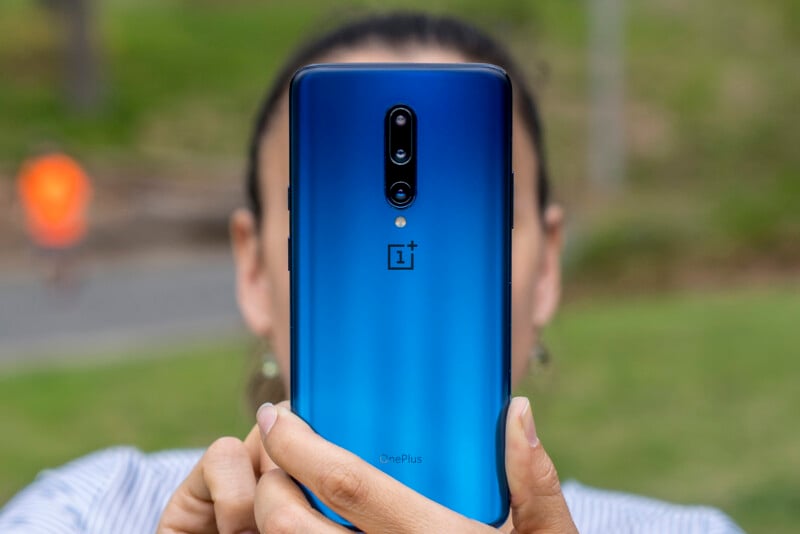
The OnePlus 7 Pro notably featured a unique motorized pop-up front-facing camera, eliminating the need for a notch or hole-punch cutout on the display. While this design element did not reappear in subsequent models, it exemplified OnePlus’s willingness to experiment with innovative hardware solutions. Even its foray into the foldable market, the OnePlus Open, has been recognized for its competitive features and solid performance.
By consistently offering high-end specifications at aggressive price points, OnePlus applied pressure on established brands like Samsung, LG, HTC, Sony, and Google, compelling them to justify their premium pricing and to innovate more rapidly. The brand’s focus on camera performance, fast charging, and clean software reshaped consumer expectations for what an Android flagship could deliver, ultimately benefiting the entire market through increased competition and accelerated feature adoption.
Support and Transition for Existing Users
OnePlus has stated that its withdrawal from North America and Europe will not leave existing users in a state of abandonment. The company assures that all current devices will continue to receive software updates, security patches, and "applicable support" for the duration of their promised update cycles. Warranties will remain valid, and the OnePlus support website will continue to operate for repairs. However, the logistics of handling repairs in North America, given Oppo’s limited presence there, remain somewhat unclear. Current retail inventory will be available until it is depleted, suggesting a phased rather than an abrupt exit.

For eligible devices, users will have the option to switch to Oppo’s ColorOS or revert to OxygenOS if they prefer. While not mandatory, the implications of choosing not to switch are yet to be fully detailed. Older models that are no longer eligible for major software updates will still receive necessary maintenance updates. The company has reaffirmed its commitment to the multi-year update promises originally made for these devices.
In Europe, the transition is expected to be smoother, with Oppo already having a more established presence. Oppo is anticipated to expand its own product lineup to fill the void left by OnePlus, particularly strengthening its position in Central Europe and Nordic countries. This strategic alignment suggests a more integrated approach to market presence across the continent.
In other regions, such as India, the OnePlus N6 has recently been launched, indicating continued product development. However, the future availability of flagship models in India remains uncertain. Operations in China are unaffected by this announcement, with business continuing as usual.
An Unfortunate Conclusion to a Bold Chapter
The departure of a company that consistently challenged the status quo and championed innovation is, by all accounts, an unfortunate event for the global smartphone market. OnePlus’s journey, from its inception as a "flagship killer" to its eventual integration with Oppo, serves as a compelling case study in the evolving dynamics of the tech industry. The brand’s emphasis on pushing boundaries in areas like camera technology, exemplified by its partnership with Hasselblad, and its pioneering of ultra-fast charging and high refresh rate displays, have undeniably left a lasting imprint.
The legacy of OxygenOS as a benchmark for clean and efficient Android software, coupled with the company’s consistent efforts to offer premium features at competitive prices, has had a tangible impact on consumer expectations and industry practices. By forcing established players to justify their pricing and accelerate their innovation cycles, OnePlus played a crucial role in shaping the modern smartphone landscape. Its exit from two major markets represents a loss of a significant force for disruption, the long-term implications of which will continue to unfold in the years to come. The competition that OnePlus fostered, and the features it helped to standardize, will continue to benefit consumers worldwide, a testament to the brand’s enduring influence even as its direct presence diminishes in key Western markets.