Running Shoe Clearance Sales Offer Up to 50 Percent Off Top Brands for Summer Training and Back to School Season.

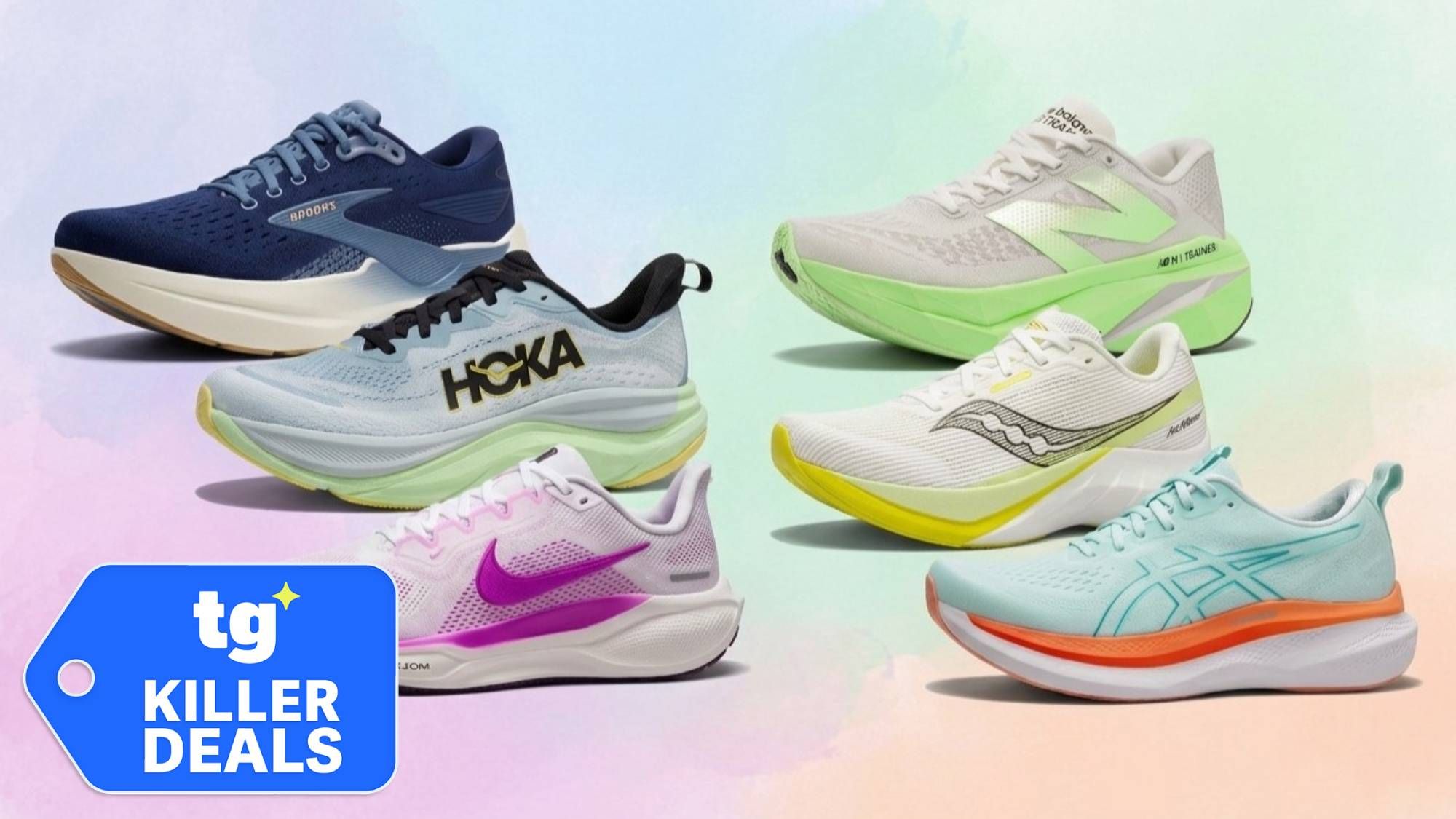
As the mid-summer heat reaches its peak, the athletic footwear industry has initiated a series of aggressive price reductions aimed at clearing seasonal inventory and capturing the early "back to school" demographic. Major performance brands including Hoka, Asics, Brooks, New Balance, Nike, and Saucony have authorized significant markdowns across various retail platforms, with some premium models seeing price cuts of up to 50 percent. This seasonal shift represents a strategic opportunity for both competitive athletes and casual consumers to acquire high-performance gear at entry-level price points, with some reputable styles now retailing for as low as $44.
The timing of these discounts aligns with the traditional retail transition period between the conclusion of the summer racing circuit and the commencement of the academic year. For marathoners in the midst of autumn race training and parents preparing for the fall sports season, the current market landscape offers a rare convergence of high availability and low pricing. Industry analysts note that while premium running shoes have seen a steady increase in Manufacturer’s Suggested Retail Price (MSRP) over the last three years—often exceeding $160 for flagship models—the current clearance cycle effectively resets these costs to pre-inflationary levels.
The Economics of Mid-Summer Footwear Liquidation
The current wave of sales is driven by a complex interplay of supply chain management and consumer demand cycles. Footwear manufacturers typically operate on a biannual release schedule, with major updates to "legacy" shoe lines arriving in the spring and late autumn. By July and August, retailers are under pressure to liquidate remaining stock of current-year models to make warehouse space for the incoming winter and holiday collections.
Data from the athletic footwear sector suggests that the "Back to School" period is the second-largest shopping window in the United States, trailing only the November-December holiday corridor. By offering deep discounts on high-performance brands like Hoka and Brooks, retailers are attempting to capture a larger share of household discretionary spending before it is diverted to electronics and apparel. Furthermore, the "athleisure" trend continues to blur the lines between performance running gear and everyday fashion, expanding the target market for these sales beyond the core running community to a broader lifestyle audience.
Brand Analysis: Performance Meets Value
The diversity of brands currently on sale reflects a competitive landscape where manufacturers are vying for brand loyalty. Each brand participating in the current clearance cycle brings a specific technological focus to the market:
Hoka and the Maximalist Trend: Hoka has maintained a dominant position in the "maximalist" footwear category, characterized by high stack heights and superior cushioning. Historically, Hoka shoes have rarely seen significant markdowns due to high demand. However, the current inclusion of Hoka models in summer sales indicates a strategic move to lower the barrier to entry for new users who may have been deterred by the brand’s premium pricing.
Asics and Brooks: The Stability Leaders: Both Asics and Brooks have built reputations on reliability and biomechanical support. Models such as the Asics Gel-Kayano and the Brooks Ghost are considered "industry standards" for daily training. With discounts reaching 50 percent, these brands are targeting the high-volume trainer market, appealing to runners who cycle through three to four pairs of shoes annually.
Nike and New Balance: Innovation and Lifestyle Integration: Nike continues to leverage its "Zoom" technology and carbon-fiber plate innovations, while New Balance has successfully pivoted toward a "Fresh Foam" platform that emphasizes comfort. These brands are frequently discounted on multi-brand platforms like Amazon and specialized sporting goods retailers, often serving as the primary "hook" for back-to-school shoppers.
Technical Considerations for the Consumer
While the $44 entry point is attractive, podiatrists and running experts caution consumers to evaluate the technical specifications of discounted footwear rather than choosing based on price alone. The effectiveness of a running shoe is determined by several key factors:
- Pronation Support: Shoes are generally categorized into neutral, stability, and motion-control. Purchasing a heavily discounted stability shoe when one has a neutral gait can lead to discomfort or injury.
- Stack Height and Drop: The "drop" (the difference in height between the heel and the toe) significantly impacts how a runner’s foot strikes the ground. Mid-summer sales often include older models with traditional 10mm to 12mm drops, as well as newer, "natural" 0mm to 4mm drop designs.
- Terrain Specificity: The current sales include both road-running shoes and trail-specific models. Trail shoes feature deeper lugs and more durable outsoles designed for uneven terrain, which may be counterproductive for those primarily using treadmills or paved paths.
Timeline of the Summer Sale Cycle
The current discounting period follows a specific chronological progression that began in early July.
- Early July (Phase 1): The cycle initiated with "Prime Day" and competing "Black Friday in July" events. These sales primarily focused on high-volume, older inventory.
- Late July (Phase 2): Current Phase. Markdowns have expanded to include current-year models and "tier-one" performance brands as retailers prepare for August inventory audits.
- August (Phase 3): Expected Trend. As the back-to-school season peaks, discounts are expected to shift toward smaller sizes (youth and junior) and lifestyle-oriented colorways, while high-performance "pro" models may see a reduction in available stock.
Market Implications and Inflationary Pressures
The aggressive nature of this year’s sales is partly a response to broader economic pressures. With inflation impacting the cost of living, consumers have become increasingly "deal-sensitive" regarding discretionary purchases. A report on retail behavior indicates that while performance footwear is often viewed as a necessity by serious athletes, the "occasional runner" or "gym-goer" is significantly more likely to delay a purchase until a sale occurs.
By offering 40 to 50 percent off, brands are effectively mitigating the "sticker shock" that has characterized the post-pandemic retail environment. This strategy not only maintains sales volume but also prevents the accumulation of "dead stock"—inventory that remains unsold for over six months and eventually loses its structural integrity due to the degradation of the foam and adhesives used in shoe construction.
Sustainability and the Footwear Lifecycle
From a sustainability perspective, these clearance events play a crucial role in the circular economy of the fashion industry. Every year, millions of pairs of athletic shoes end up in landfills. By incentivizing the purchase of previous-season models through deep discounts, retailers ensure that manufactured goods are utilized rather than discarded. Furthermore, several brands, including Nike and New Balance, have begun integrating recycled materials into their discounted lines, aligning performance value with environmental responsibility.
Expert Recommendations for Shoppers
Retail experts suggest several strategies for consumers looking to maximize the value of the current sales:
- Colorway Flexibility: Often, the steepest discounts are reserved for less popular colorways. Shoppers willing to wear "loud" or unconventional colors can frequently save an additional 10 to 20 percent over those insisting on black or white models.
- Size Verification: Since clearance sales often involve "broken size runs" (where only very small or very large sizes remain), consumers are encouraged to use filters on retail websites to search by size first, rather than by brand or style.
- Multi-Pair Purchasing: For runners who have found a specific model that works for their biomechanics (e.g., the Brooks Adrenaline GTS or the Saucony Ride), the 50 percent discount threshold is often the ideal time to purchase two or three pairs to last through the following year.
Future Outlook
Looking ahead to the fourth quarter, industry analysts expect a brief stabilization of prices in September before the next major discounting cycle begins around the Thanksgiving holiday. However, the current summer-to-fall transition remains the most advantageous time for those seeking performance-specific gear, as Black Friday sales often prioritize general-purpose sneakers over specialized marathon or trail running equipment.
The current availability of top-tier brands like Hoka, Asics, and Nike at prices starting at $44 represents a significant moment in the 2024 retail calendar. As the "Back to School" rush intensifies, these inventories are expected to deplete rapidly, marking the end of the most consumer-friendly window for athletic footwear this year. For the athlete, the student, or the casual walker, the message from the market is clear: the time to invest in high-quality footwear is now, before the seasonal shift concludes and prices return to their premium baselines.