The Deliberate Imperfection: How Netflix, Nolan, and Gen Z Are Reshaping Audiences’ Appetite for Analog Authenticity

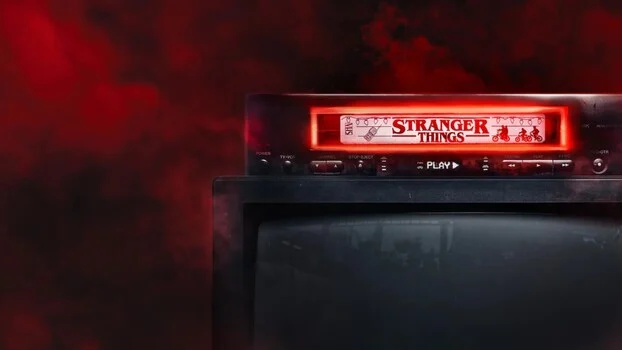
Netflix’s decision to deliberately degrade the visual quality of its most popular show is not an isolated incident; it’s a profound signal mirroring a broader cultural shift. The streaming giant invested significant engineering resources to create a "VHS Special Edition" of the first season of Stranger Things, complete with the artifacts of analog technology like 4:3 pan-and-scan cropping and simulated tracking glitches. This move, coinciding with Christopher Nolan’s $250 million blockbuster The Odyssey being shot entirely on physical film, underscores a burgeoning trend that transcends mere nostalgia. It signifies a fundamental reevaluation of what audiences desire, a phenomenon that every creator, from photographers to videographers, must acknowledge and understand.
Netflix Embraces Imperfection for Stranger Things
To commemorate the 10th anniversary of its breakout hit, Stranger Things, Netflix launched "Stranger Things: VHS Special Edition." This curated release meticulously recreated the look and feel of 1980s home video, transforming the pristine 4K digital footage into a grainy, imperfect representation. The Duffer Brothers, creators of the series, explained the rationale behind the project, stating, "If Stranger Things existed in Hawkins, sitting on a shelf at Family Video, it would look just like this – complete with pan-and-scan." They further hinted at the possibility of extending this treatment to subsequent seasons if the special edition garnered sufficient viewership.
This initiative, while seemingly a marketing stunt, carries significant weight. A company with unparalleled access to advanced digital mastering technologies—including 4K resolution and High Dynamic Range (HDR)—opted to invest in the creation and distribution of an intentionally degraded version of its flagship series. This decision resonates deeply with photography and videography professionals who invest heavily in achieving the sharpest images and cleanest sensor data. The implication is clear: the pursuit of technical perfection may no longer be the sole, or even primary, driver of audience engagement.
Nolan’s Analog Opus: A Blockbuster Bet on Film
The timing of Netflix’s analog foray aligns with the theatrical release of Christopher Nolan’s ambitious film, The Odyssey. This cinematic spectacle holds the distinction of being the first feature film ever shot entirely using IMAX film cameras. IMAX, in collaboration with Nolan, undertook the significant engineering feat of developing an entirely new, quieter camera system specifically to accommodate the demands of this project. The choice to shoot on physical film, with its inherent grain, dynamic range, and tactile aesthetic, represents a substantial financial and artistic commitment to analog processes in an era dominated by digital convenience. This deliberate embrace of imperfection, rather than a retreat from it, is a recurring theme across various media.
Gen Z’s Rediscovery of Analog Visuals
The drive towards analog aesthetics is not confined to major studios with extensive marketing budgets. A rapidly growing cohort of younger creators is actively seeking out vintage camcorders—iconic models like Sony Handycams, JVCs, and Panasonic units manufactured between the 1980s and 2000s. These creators are deliberately choosing the grainy, degraded quality of analog video over the crisp, clean output of modern smartphones and digital cameras. This trend is prominently visible in music videos, with artists such as Sabrina Carpenter, $UICIDEBOY$, and PinkPantheress incorporating camcorder-style footage into their visual presentations. For professionals transitioning from stills photography to motion picture, understanding these emerging visual preferences is crucial.
Data supports this observation. A report by Fortune in 2025 indicated that a significant portion of active film camera users worldwide, approximately 35% of the 42 million individuals, were between the ages of 18 and 30. Concurrently, searches for analog photography terms saw a year-over-year increase of 41%. Rotem Rozental, a lecturer at USC specializing in student media consumption, posits that this trend is less about a simple yearning for the past and more about an "aesthetic rebellion." In an environment saturated with hyper-polished, overproduced digital content, lo-fi aesthetics are emerging as a powerful symbol of authenticity. The market for working vintage camcorders, while primarily secondhand and ranging from $18 to $300, is a testament to this growing demand, signaling where a significant segment of the audience’s visual taste is being shaped.
The Warmth of Analog Audio
This same inclination towards analog characteristics extends to the realm of audio production. Engineers, podcasters, and musicians are increasingly opting for vintage-style microphones over modern digital condensers. The Royer R-121 ribbon microphone, for instance, is prized for its "warmer timbre," which engineers use to counteract the perceived analytical nature of digital recording formats. It has become a staple for recording guitar amps, brass instruments, and vocals. Similarly, microphones like the Warm Audio WA-47 and WA-251, which are reproductions of vintage Neumann U47 and Telefunken ELA M251E, are designed to capture that sought-after vintage tone without the prohibitive cost of original units, which can fetch upwards of $8,000. Even the Shure SM7B, a dynamic microphone renowned for its warm sound profile—famously used on Michael Jackson’s Thriller and now a standard for podcasts and streaming—features gently rolled-off high frequencies that offer a more forgiving and pleasing sound compared to bright USB condensers.
Instax’s Dominance: A Celebration of Imperfect Prints
Beyond professional creative circles, the analog resurgence is evident in consumer markets. Fujifilm announced in April 2025 that it had surpassed 100 million cumulative sales of its Instax cameras and printers since 1998. The Instax brand now accounts for more than half of Fujifilm’s imaging division revenue. Fujifilm itself frames the appeal of Instax in terms of its "unique texture and nostalgic analog feel." This is particularly noteworthy coming from a company at the forefront of digital imaging technology. The best-selling Instax Mini 12, available for under $100, exemplifies how a product engineered for visual imperfection can achieve remarkable market success.
The Enduring Appeal of Vinyl, Cassettes, and Film
The resurgence of vinyl records and film photography has been extensively documented. However, recent data highlights the continued momentum of these analog formats. Vinyl experienced its most successful year on record in 2025, with revenue exceeding $1 billion for the first time, according to the RIAA. Unit sales climbed to 46.8 million, marking the 19th consecutive year of growth and surpassing CD sales by a significant margin. The RIAA chairman attributed this growth to vinyl’s dual role as both a listening experience and a collectible art form.
Cassettes are also undergoing a peculiar revival. US cassette sales in 2025 reached 446,500 units, a 17.5% increase year-over-year, representing a five-fold increase from sales a decade prior. Gen Z has emerged as the primary demographic for cassette purchases, with resale prices for sought-after tapes escalating by as much as 1,000%. Major artists like Taylor Swift, Chappell Roan, Sabrina Carpenter, and Charli XCX have released music on cassette, tapping into this renewed interest. Startups like We Are Rewind are capitalizing on this trend by producing new Walkman-style Bluetooth cassette players, aiming to capture an estimated 30% annual market growth.
The film manufacturing sector has also seen significant activity. Harman, the parent company of Ilford, made its largest investment in film manufacturing since the 1990s, installing new machinery to more than double its annual 35mm film output. Despite this expansion, prices for US film, paper, and chemicals increased by 11% in April 2025 due to tariffs and sustained demand. Kodak Portra 400 experienced a 64% price increase between 2019 and 2022, while Ektar 100 saw a 137% rise. Ricoh’s release of the Pentax 17, its first new film camera in two decades, is a direct response to what the company describes as the "growing popularity lately of film photography among younger photographers."
The Psychological Underpinnings: "Adaptive Regression" and Tactile Engagement
The appeal of analog extends beyond creative industries and into everyday consumer electronics. Purchases of "brick phones" or feature phones by individuals aged 18 to 24 increased by 148% between 2021 and 2024. Psychotherapist Phil Lane identifies this phenomenon as "adaptive regression," a conscious and healthy retreat into tactile, single-purpose devices as a counterbalance to constant digital overstimulation. This impulse is also evident in the retail sector, with a craft retailer reporting a 1,200% surge in searches for yarn kits.
Implications for Image Makers
This widespread embrace of analog aesthetics does not signal the obsolescence of digital technology. Instead, it highlights a significant cultural current: a growing appetite for texture, friction, and visible imperfection, which stands in contrast to the seamless polish of digital output. This preference is manifesting across the entire spectrum of media, from multi-million dollar film productions to budget-friendly cassette players. For professionals who create images for a living, understanding the underlying reasons for this audience preference is paramount. Whether or not one chooses to shoot film, recognizing why audiences are increasingly drawn to the unpolished, human-generated version of things is a critical insight for engaging contemporary audiences. It suggests that authenticity, often found in the inherent characteristics of analog mediums, is becoming a more valued currency than technical flawlessness.