SpaceX and Other Musk-Led Ventures Propel Cybertruck Registrations Amidst Cooling Retail Demand for Tesla’s Electric Pickup

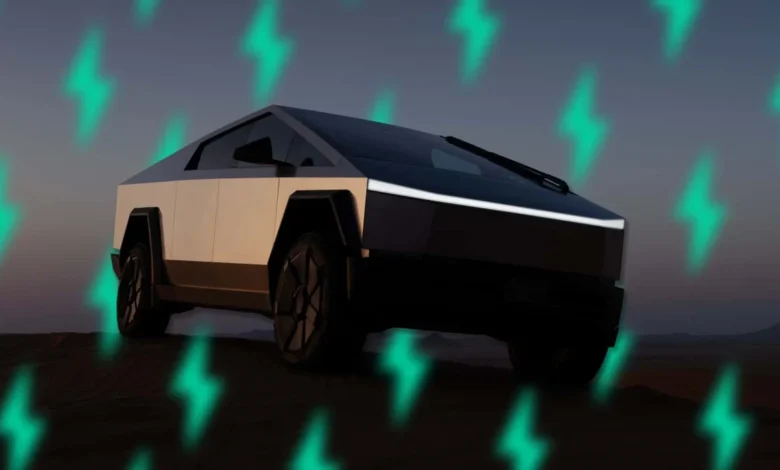
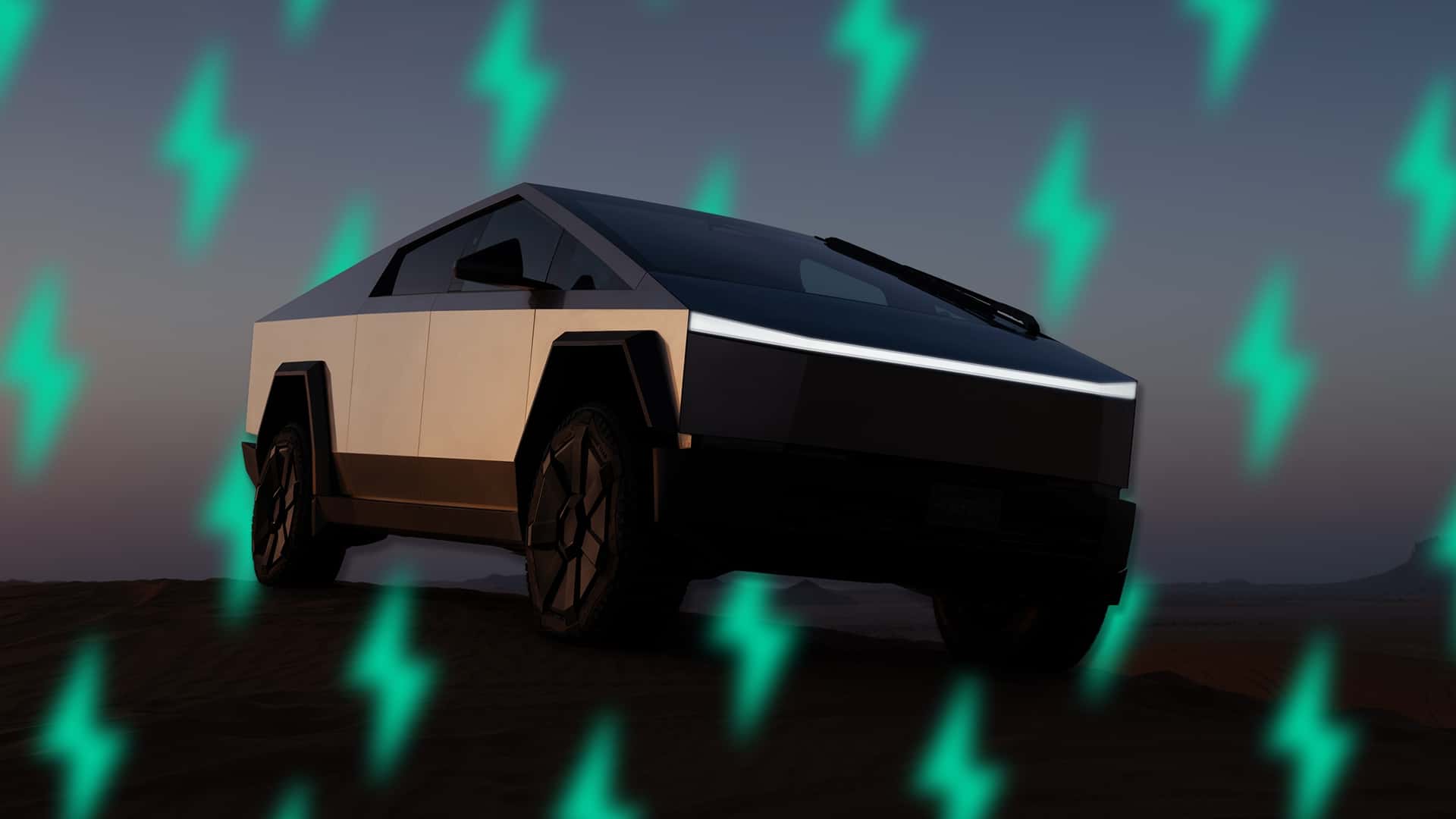
The Tesla Cybertruck, a vehicle that arrived with the promise of disrupting the global pickup truck market with its polarizing "exoskeleton" design and stainless-steel finish, is increasingly finding its most reliable customers within Elon Musk’s own corporate ecosystem. According to recent data and investigative reporting, a significant portion of Cybertruck registrations in late 2025 and early 2026 can be traced back to companies owned or led by Musk, including SpaceX, the Boring Company, Neuralink, and the newly integrated xAI. This trend highlights a strategic internal effort to bolster delivery numbers as the initial wave of retail enthusiasm for the electric pickup begins to subside.
Data provided by S&P Global Mobility and first reported by Bloomberg indicates a notable shift in the Cybertruck’s delivery demographics. During the fourth quarter of 2025, a total of 7,071 Cybertrucks were registered across the United States. Of that total, approximately 1,279 units were registered to SpaceX. An additional 60 units were distributed among Musk’s other ventures, including the Boring Company and Neuralink, as well as xAI—the artificial intelligence startup that was officially acquired by SpaceX earlier in 2025. Collectively, these internal "Musk-orbit" registrations accounted for nearly 19% of all Cybertruck sales for the final quarter of the year.
A Targeted Internal Acquisition Strategy
The reliance on internal fleet sales appears to have continued into the new year. Supplementary data shows that companies associated with Musk registered another 225 Cybertrucks during the first two months of 2026. This internal support comes at a critical juncture for Tesla, as the company navigates a cooling market for high-end electric vehicles. Furthermore, industry observers have noted that Tesla has begun absorbing unsold Cybertruck inventory into its own corporate fleet, repurposing the vehicles as mobile service units.
The financial scale of these transactions is substantial. Based on the Cybertruck’s base price of approximately $70,000, the acquisitions by SpaceX, xAI, the Boring Company, and Neuralink represent a capital expenditure exceeding $100 million. While it remains unclear if these entities received specialized fleet pricing or volume discounts, the movement of funds from one Musk-led entity to another to purchase Tesla products is a maneuver that has precedent in the billionaire’s history of corporate synergy.
Justification for Fleet Integration
From an operational standpoint, some of these acquisitions have clear logistical justifications. In October 2025, Wes Morrill, the lead engineer for the Cybertruck project, confirmed that SpaceX had begun a systematic effort to replace its aging fleet of internal combustion engine (ICE) support vehicles with Cybertrucks. Given the rugged nature of rocket launch sites and the heavy-duty requirements of aerospace logistics, the Cybertruck’s advertised towing capacity and durable exterior offer a logical fit for SpaceX’s ground operations at Starbase in Texas and the Kennedy Space Center in Florida.
However, the rationale behind other acquisitions is less apparent. Industry analysts have questioned the utility of a rugged, off-road capable pickup truck for companies like Neuralink, which focuses on brain-computer interface technology, or xAI, a firm primarily concerned with large language models and computational social media analysis. The registration of 50 units by an AI and social media-centric organization has sparked debate regarding whether these purchases are driven by genuine operational needs or a desire to artificially inflate Tesla’s delivery figures to satisfy shareholders.
The Rise and Decline of Cybertruck Demand
To understand the current reliance on internal sales, one must look at the Cybertruck’s trajectory since its high-profile unveiling in 2019. At the time of its announcement, Musk set an ambitious target of 250,000 units per year, citing a massive backlog of pre-orders. When the truck finally entered production after years of delays, it initially saw a surge in volume. Cox Automotive estimates suggest that Tesla sold approximately 39,000 units in 2024, the vehicle’s first full year on the market.
This early success was largely attributed to "pent-up demand" from brand loyalists and early adopters who had maintained their reservations for years. However, by 2025, sales volume was roughly halved. This decline is not unique to Tesla; the broader electric pickup truck market has faced significant headwinds. Competitors such as the Ford F-150 Lightning and the Rivian R1T have also struggled to maintain early momentum. Truck buyers, a demographic traditionally prioritized by range, towing reliability, and cost-effectiveness, have expressed ongoing concerns regarding the high MSRP of electric trucks and the degradation of range when hauling heavy loads.
Historical Precedents of Musk’s Corporate Weaving
The financial and operational intertwining of Musk’s companies is a well-documented phenomenon. This "inter-company" support system has often been used to stabilize various arms of his empire during turbulent periods.
- SolarCity: One of the most prominent examples was Tesla’s acquisition of SolarCity in 2016, a move that critics at the time described as a bailout of a struggling company led by Musk’s cousins.
- The Boring Company: The tunneling venture utilizes Tesla Model X and Model Y vehicles exclusively for its transit systems, such as the Las Vegas Convention Center Loop.
- xAI and Tesla: In early 2025, Tesla announced a $2 billion investment into xAI, cementing a partnership that involves shared compute resources and engineering talent.
Musk has frequently defended these arrangements as a way to maximize efficiency and accelerate the development of sustainable technology. By using Cybertrucks within SpaceX and the Boring Company, Tesla gains real-world fleet data that can be used to refine the vehicle’s software and hardware, while the purchasing companies benefit from reduced fuel costs and a unified brand aesthetic.
Challenges in the Premium Segment
The Cybertruck’s struggle to maintain retail momentum comes at a time when Tesla’s broader premium lineup is undergoing a significant transition. The company recently moved to phase out the aging Model S sedan and Model X SUV, effectively leaving the Cybertruck as the sole representative of Tesla’s high-end, high-margin offerings.
With the Model S and Model X no longer serving as the flagship luxury options, the pressure on the Cybertruck to perform has intensified. However, its divisive design remains a barrier for mainstream truck buyers who prefer the traditional styling of the Chevrolet Silverado or Ford F-150. Furthermore, the stainless-steel construction of the Cybertruck has presented unique manufacturing challenges, leading to higher production costs that make it difficult for Tesla to lower the price point to a level that would stimulate mass-market demand.
The Path Forward: Project Redwood and Market Realities
As Tesla navigates the plateauing sales of its current lineup, the company is reportedly looking toward a new "hero" model to revitalize its growth. Reports from Reuters and other industry insiders suggest that Tesla has accelerated plans for a more affordable, compact crossover—often referred to in the media as the "Model 2" or "Project Redwood."
This proposed vehicle, expected to be priced significantly lower than the Model 3, is seen as the key to unlocking the next tier of global EV adoption. Unlike the Cybertruck, which serves a niche market of tech enthusiasts and fleet operators, a compact crossover would compete directly in the most popular segment of the global automotive market.
Until that model arrives, Tesla appears focused on managing the lifecycle of the Cybertruck through creative fleet solutions and internal support. While the 1,279 units purchased by SpaceX and the units absorbed into Tesla’s own service fleet provide a necessary cushion for quarterly reports, analysts suggest that long-term sustainability for the model will require a broader appeal beyond the "Musk-led" corporate family.
Industry Implications and Analysis
The trend of internal sales raises important questions for the electric vehicle industry at large. If the most innovative and hyped vehicle of the decade requires internal subsidies to maintain its sales narrative, it may signal that the EV transition for the light-duty truck segment is further off than previously estimated.
For Tesla, the Cybertruck remains a testament to the company’s willingness to take massive risks on design and engineering. However, the data from late 2025 serves as a sobering reminder that even the most recognizable brands must eventually contend with the realities of market saturation and the pragmatic needs of the average consumer. As the automotive world watches, the "stainless-steel gamble" continues to play out, bolstered for now by the very empire that created it.