Apple Rolls Out macOS 26.5 Developer Beta 3 Amidst Quiet Pre-WWDC26 Cycle, Highlighting Incremental Updates and Strategic Preparations

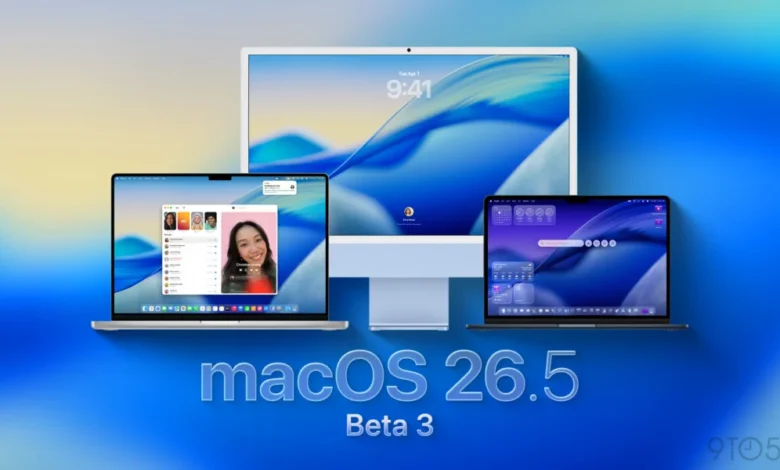
Cupertino, California – Apple has commenced the rollout of macOS 26.5 developer beta 3, marked by build version 25F5058e, to registered developers. This release follows a somewhat unusual cadence, with Apple opting to bypass a public beta 2 after the developer beta 2 was made available last week. The current update cycle for macOS 26.5 is characterized by a notable absence of significant user-facing features, a pattern that often precedes major announcements typically reserved for the company’s annual Worldwide Developers Conference (WWDC).
A Measured Approach to Iterative Development
The release of macOS 26.5 developer beta 3 signals Apple’s ongoing commitment to refining its desktop operating system, even as the broader focus shifts towards the anticipated revelations at WWDC26. Developer betas serve a critical function in Apple’s software development lifecycle, allowing application developers to test their software against upcoming changes, identify potential compatibility issues, and prepare for new APIs or system behaviors before a wider public release. The incremental nature of this particular beta suggests a period of consolidation, where Apple engineers are likely concentrating on stability enhancements, performance optimizations, and the resolution of underlying bugs rather than introducing novel functionalities. This strategic quiet period often indicates that the company’s primary development resources are being channeled into more transformative projects destined for a grander unveiling.
Chronology of the macOS 26.5 Beta Cycle
The journey to macOS 26.5 developer beta 3 has unfolded steadily, albeit with a slight deviation from the typical dual-track release schedule for developer and public betas. The initial macOS 26.5 developer beta 1 was released, setting the stage for the next iterative phase. This was followed by macOS 26.5 developer beta 2 last Monday, which, much like its predecessor, did not introduce a plethora of new features for end-users to discover. Curiously, Apple decided to skip the corresponding public beta 2, meaning that only developers had access to the second iteration of this particular software branch. This decision, while not unprecedented, can sometimes indicate a desire to maintain a tighter control over the testing environment or that the changes within beta 2 were primarily internal and not deemed ready or necessary for broader public scrutiny. The subsequent release of developer beta 3, carrying build 25F5058e, now continues this refined testing trajectory, urging developers to integrate and validate their applications against the latest system adjustments.
The "Quiet" Update Cycle: Implications and Context

The descriptor "quiet update cycle" for macOS 26.5 is particularly apt when contrasted with recent prior releases. Unlike significant updates that often bring a raft of new functionalities and visual overhauls, the current beta series appears to be more subdued. This tranquility is not necessarily a cause for concern but rather a common characteristic of Apple’s development strategy in the months leading up to WWDC. Historically, the period preceding the developer conference is often utilized for internal fine-tuning and the preparation of the next generation of operating systems. Major feature additions are typically held back to create a more impactful presentation during the keynote address, generating excitement and providing a clear vision for the future of Apple’s platforms.
Therefore, the lack of groundbreaking features in macOS 26.5 betas suggests that Apple’s engineering teams are likely heavily invested in the development of macOS 27 (or whatever the next major iteration will be named), which is expected to be unveiled at WWDC26. This period allows developers to focus on ensuring their existing applications are robust and compatible, rather than grappling with significant new APIs or UI changes that would necessitate substantial rework.
Contrasting with macOS 26.4: A Recent Precedent for Feature-Rich Updates
To fully appreciate the quiet nature of macOS 26.5, it is insightful to look back at its immediate predecessor, macOS 26.4, which brought several noteworthy enhancements. macOS 26.4 introduced features that directly impacted user experience and system functionality, demonstrating Apple’s commitment to continuous improvement.
One of the most significant additions in macOS 26.4 was the Charge Limit feature. This functionality was designed to extend the lifespan of Mac notebook batteries by preventing them from charging past a certain percentage (typically 80%) until closer to the time they are expected to be used. This intelligent charging optimization, previously seen on iOS devices, addresses a common concern among users regarding battery degradation over time, particularly for those who frequently keep their laptops plugged in. By reducing the time a battery spends at 100% charge, which can stress the battery’s chemistry, Apple provided users with a tool to proactively manage their device’s longevity. This feature underscored Apple’s increasing focus on sustainability and hardware longevity, providing tangible benefits to users.
Another prominent return in macOS 26.4 was the compact tab view in Safari. This design option, which had been previously experimented with and then refined, allows users to consolidate the URL bar and tab bar into a single, streamlined interface. This change aimed to maximize screen real estate, particularly beneficial on smaller displays or for users who prefer a more minimalist browsing experience. The reintroduction and refinement of this feature demonstrated Apple’s responsiveness to user feedback and its continuous efforts to enhance the browsing experience within Safari, a core application for many Mac users. These features in macOS 26.4 provided clear, tangible improvements, making the current absence of similar additions in 26.5 all the more pronounced.
Broader Ecosystem Context: The iOS Anomaly and Apple’s Monetization Strategy
While macOS 26.5 remains largely focused on under-the-hood refinements, the broader context of Apple’s recent beta releases across its operating systems does reveal one notable change that hints at future strategic directions. The most significant alteration observed in the recent beta cycle for iOS 26.5 developer beta 2 was the appearance of a new popup in Apple Maps related to advertisements. This development, which lays groundwork for the upcoming rollout of ads on the platform, is a significant indicator of Apple’s evolving monetization strategies within its Services division.
For years, Apple has emphasized privacy as a core tenet, often contrasting itself with ad-driven business models. However, the company has also been steadily expanding its Services revenue, which now constitutes a substantial portion of its overall financial performance. The introduction of advertising within Apple Maps, even if initially subtle or limited, represents a calculated move to further tap into this lucrative stream. It suggests a delicate balancing act for Apple: leveraging its vast user base and platform control to generate additional revenue, while attempting to do so in a manner that ideally does not alienate users or compromise its brand image associated with privacy. This shift could have long-term implications for how Apple integrates advertising across its various proprietary applications and services, potentially paving the way for further monetization efforts in the future. The fact that this notable change appeared on iOS, while macOS remains quiet, further reinforces the idea that the Mac platform is currently in a stabilization phase, perhaps awaiting its own set of more significant changes post-WWDC.
Anticipation Builds for WWDC26: The Horizon of Innovation
The quiet nature of macOS 26.5 betas naturally shifts the spotlight towards WWDC26, Apple’s premier annual event for developers and a platform for announcing the next generation of its operating systems. Typically held in June, WWDC is where Apple unveils major updates to iOS, iPadOS, watchOS, tvOS, and most significantly, macOS.
WWDC keynotes are renowned for introducing revolutionary features, new design languages, and powerful APIs that empower developers to create innovative applications. Given the rapid advancements in artificial intelligence and machine learning, alongside Apple’s strategic investments in these areas, there is considerable anticipation that WWDC26 will feature significant AI-driven enhancements across its platforms. These could range from more intelligent system functionalities and advanced personal assistants to new developer tools that facilitate AI integration into third-party apps.
For macOS, this could translate into a completely refreshed user experience, deeper integration with Apple Silicon’s neural engine capabilities, and potentially new productivity paradigms. The current macOS 26.5 betas, therefore, can be seen as the final polish before the curtain rises on these next-generation innovations. Developers are keen to see what new frameworks and technologies will be presented, as these will dictate the direction of software development for the Mac ecosystem in the coming year.
The Indispensable Role of Developer Betas

The ongoing release of developer betas, even those without headline-grabbing features, underscores their indispensable role in Apple’s robust software ecosystem. Registered developers gain early access to these builds, allowing them to:
- Ensure Compatibility: Test their existing applications against the latest system changes to identify and address any breaking issues before the general public release.
- Optimize Performance: Fine-tune their apps to take advantage of new underlying optimizations and ensure smooth operation on the updated OS.
- Provide Feedback: Utilize Apple’s Feedback Assistant tool to report bugs, suggest improvements, and engage directly with Apple’s engineering teams. This feedback loop is crucial for refining the software and catching issues that might not be apparent during internal testing.
- Prepare for Future Features: While 26.5 might be light on new features, developers are constantly preparing for the next major OS version, ensuring their development environments are up-to-date and ready for new APIs.
For developers, installing the macOS 26.5 developer beta 3 involves navigating to System Settings > General > Software Update on their Mac, provided they are enrolled in Apple’s Developer Program. While beta software inherently carries risks of instability and potential data loss, a dedicated testing partition or secondary device is typically recommended for developers to mitigate these risks while still benefiting from early access.
Implications for Users and the Path Ahead
For the average Mac user, the current quiet phase of macOS 26.5 betas primarily implies a focus on stability and refinement. While they might not see new flashy features immediately, these incremental updates contribute to a more robust, secure, and performant operating system in the long run. Users can anticipate that any eventual public release of macOS 26.5 will be a highly stable version, acting as a mature platform until the next major iteration is introduced following WWDC26.
The overarching implication is that Apple is strategically managing its software releases, using minor updates to solidify its current offerings while dedicating significant resources to crafting the next generation of its flagship operating systems. This meticulous approach ensures that when new features and OS versions are eventually unveiled, they are polished, powerful, and ready to meet the high expectations of Apple’s vast user base and developer community. As the industry watches closely, all eyes are now firmly set on WWDC26, where Apple is expected to reveal the fruits of this intensive development period and lay out its vision for the future of macOS and its entire ecosystem.