Tesla Cybercab Order Launch Sparks Public Dispute Between Elon Musk and YouTuber Marques Brownlee Over 2024 Predictive Wager

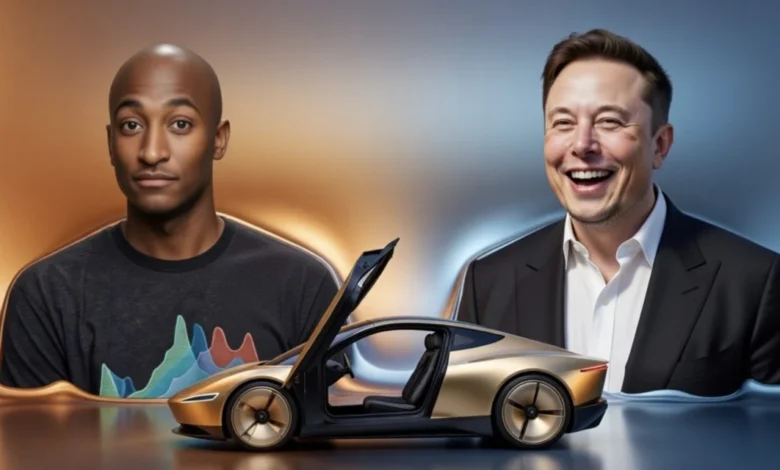
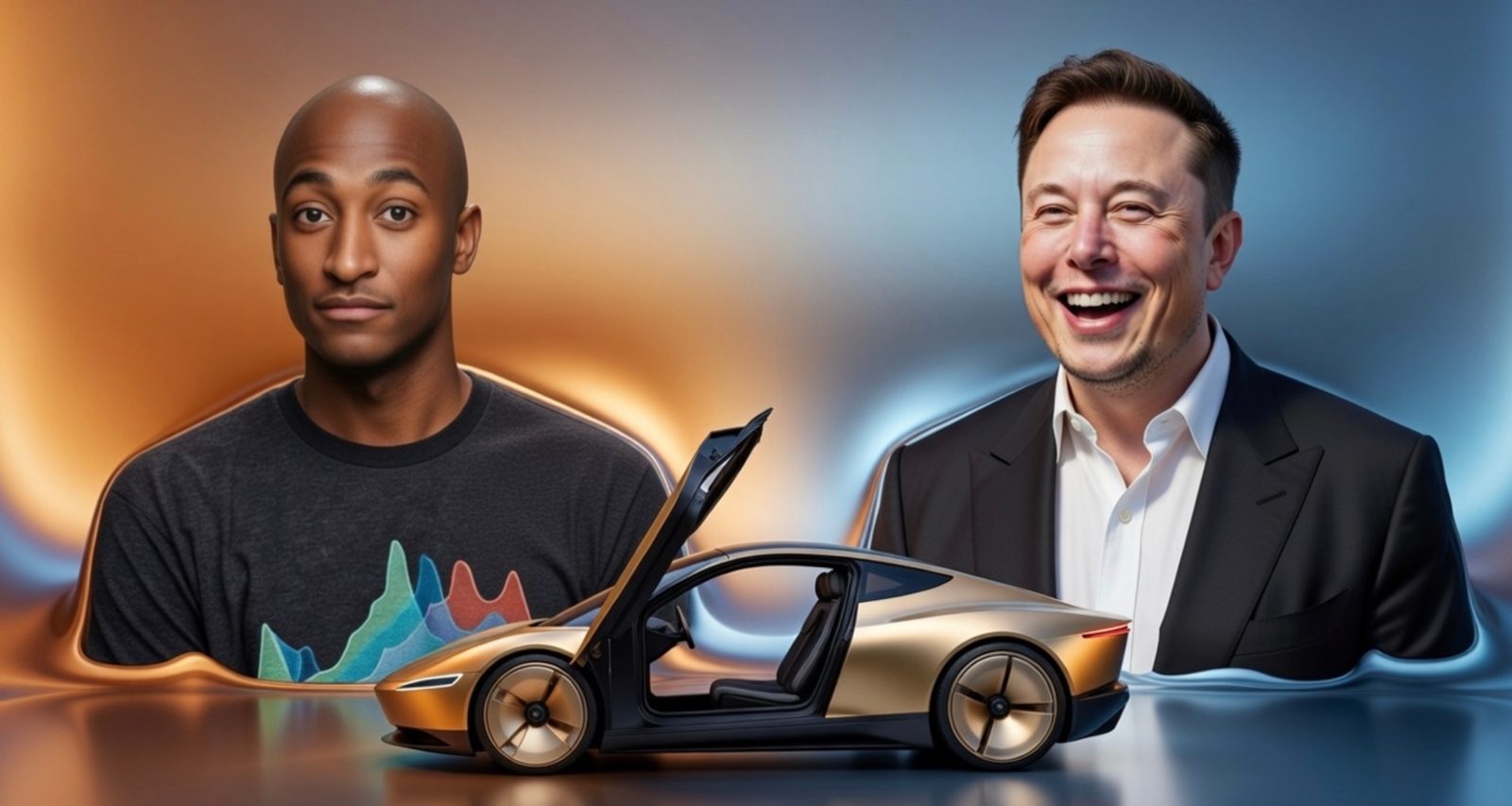
The intersection of social media commentary, viral public wagers, and high-stakes corporate product rollouts reached a contentious peak when Tesla Chief Executive Officer Elon Musk publicly criticized prominent technology content creator Marques Brownlee, colloquially known as MKBHD. The digital exchange erupted just hours after Tesla initiated an invite-only order framework for its highly anticipated autonomous vehicle, the Cybercab, priced at an eye-catching threshold of $29,990. The core of the public disagreement centers on whether this limited product release fulfills the strict definitions of a famous high-profile bet established over two years ago—a wager in which Brownlee promised to shave his head on camera if Tesla successfully delivered a sub-$30,000 autonomous vehicle to regular consumers before the arrival of 2027.
With a mere seven weeks remaining before the definitive December 31, 2026 deadline, the newly unveiled purchasing pathway has ignited fierce debate across the automotive and tech journalism sectors. Critics, industry analysts, and observers have questioned whether the hastily structured, highly restrictive purchasing program represents a genuine commercial milestone or a symbolic maneuver designed strictly to settle a social media dispute. As timelines compress and regulatory hurdles persist, the unfolding situation highlights the increasingly blurred lines between digital entertainment culture and corporate accountability at the world’s most valuable electric vehicle manufacturer.
The Origin of the Wager and the Escalation of Public Tension
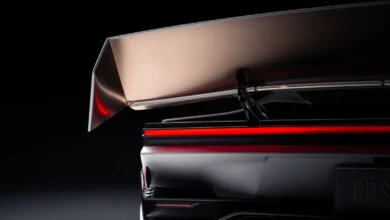
The roots of the controversy stretch back to October 2024, following Tesla’s heavily publicized "We, Robot" autonomous vehicle showcase. During the event, the company unveiled its futuristic Cybercab—a two-seater vehicle devoid of traditional steering controls and pedals, explicitly designed to operate as a self-driving taxi. Shortly after the presentation, Marques Brownlee evaluated the vehicle’s commercial viability during his video programming, asserting with considerable confidence that Tesla could not realistically manufacture, clear regulatory hurdles for, and deliver a production Cybercab to a consumer for under $30,000 prior to 2027.
To emphasize his conviction, Brownlee stated on camera that he would shave his head if the company achieved the feat. What began as a standard speculative assessment among tech commentators quickly evolved into a personal fixation for the Tesla CEO. Elon Musk, renowned for utilizing social media to engage directly with critics and supporters alike, seized upon the wager.
The tension escalated progressively over the subsequent months. In February, when the first developmental Cybercab rolled off the assembly line at Tesla’s Gigafactory Texas, Musk replied directly to a digital meme depicting a bald version of Brownlee, writing, "Gonna happen." In September, as Brownlee reiterated his skepticism in a subsequent analysis video, Musk doubled down, posting that the YouTuber seemingly harbored a hidden desire to alter his hairstyle. Throughout late 2024 and 2025, the digital sparring match transformed into a running joke across the technology sector, eventually culminating in the unexpected commercial rollout in November 2026.
Anatomy of the Cybercab Personal-Use Purchase Agreement
On Friday, Tesla altered the competitive landscape by quietly opening an ordering portal for select customers to acquire a Cybercab for personal use. The pricing structure initially appears to meet the strict numerical criteria of the original bet, listing a base vehicle cost of $29,990, alongside a non-refundable deposit of $1,000. Estimated delivery windows for these early reservation holders point toward December 2026, positioning the potential handover mere weeks before the expiration of the 2027 threshold.
However, a granular examination of the purchase agreement and vehicle capabilities reveals significant structural limitations. According to Tesla’s documentation, the newly available personal-use Cybercabs are subject to severe operational boundaries. First, the vehicles are restricted strictly to existing Tesla Robotaxi geographic fencing zones, primarily centered in select Texas metropolitan areas. Second, ownership is tethered to a mandatory, non-negotiable "Autonomy Subscription" priced at $299 per month.
Crucially, terms within the Autonomy Subscription agreement stipulate that the vehicle "will not operate" should the monthly subscription lapse. Furthermore, the contract explicitly bars private owners from deploying their purchased Cybercabs onto the commercial Robotaxi network for independent ride-hailing revenue generation. The agreement also grants Tesla the unilateral right to shrink, modify, or eliminate the approved operating geofence at any time. Consequently, an owner who ceases payments or finds their local geographic area removed from the authorized software map would possess a vehicle functionally rendered immobile—colloquially described by critics as an expensive paperweight.
Financial Breakdown and Total Cost of Ownership
From an economic perspective, financial analysts and consumer advocates have raised concerns regarding the true cost of the personal-use Cybercab model. While the initial vehicle purchase price hits the vital $29,990 mark, the mandatory $299 monthly subscription fee introduces a substantial ongoing financial commitment. Over a standard five-year ownership horizon, the monthly subscription alone accumulates to $17,940. Combined with the initial purchase price, the baseline expenditure reaches $47,930 before accounting for mandatory state registration, comprehensive insurance premiums, maintenance, and electrical charging costs.
Furthermore, industry observers have drawn direct comparisons between the Cybercab offering and alternative vehicles within Tesla’s existing lineup. For instance, a consumer can purchase a standard Tesla Model Y—which utilizes comparable autonomous driving architecture and is actively deployed within Tesla’s emerging autonomous fleet initiatives—for approximately $40,000. Owners of traditional Tesla models can then opt into Full Self-Driving (FSD) software capabilities for a significantly lower recurring cost, typically structured around $99 to $199 per month, while retaining full driving controls, a steering wheel, national highway usability, and the freedom to travel outside restricted geofenced corridors.
Marques Brownlee Responds to the Launch
Following the release of the order page, Marques Brownlee formally addressed the development through social media and digital platforms, maintaining that his wager remained undefeated based on the specific parameters of public availability and functional utility.
"The memes are everywhere, so let’s go back over the bet: Cybercab publicly available for under $30k by the end of 2026," Brownlee posted, outlining his defense. He underscored several key factors supporting his position: first, that no actual customer deliveries had yet taken place, with the current status limited strictly to estimated December timelines; second, that the vehicle was deployed on an exclusive, invite-only basis rather than being accessible to the general public; and third, that the severe operational constraints and geofencing limitations prevented the vehicle from functioning as a practical, universally viable automobile.
The reaction from prominent Tesla advocates and supporters was swift and polarized. Figures aligned closely with corporate messaging, such as independent commentators and digital influencers, argued that the open order book at the sub-$30,000 price point technically satisfied the literal conditions of the wager. Proponents urged Brownlee to concede the bet publicly, generating widespread community polling and digital discourse across multiple platforms.
Elon Musk’s Contradictory Statements and CEO Clarifications
Adding a layer of corporate ambiguity to the ongoing debate, Elon Musk weighed in directly on the commercial viability and pricing structure of the newly introduced subscription tier. Responding to public discussions regarding the $299 monthly fee, Musk conceded that the current financial terms may require adjustment.

"It will be available nationwide, as we receive regulatory approval," Musk stated in a direct reply. "But the monthly fee is too high. Should match the cost of Tesla FSD and connectivity for other models, which is more like ~$115/month."
This admission from the chief executive officer introduced a curious paradox into the narrative. By acknowledging publicly that the mandatory $299 monthly fee was excessively priced—while retaining direct executive control over the pricing mechanisms—Musk inadvertently highlighted the experimental and potentially unpolished nature of the product launch. Financial analysts noted that a CEO publicly criticizing the pricing of a product less than 24 hours after its commercial debut underscores the rushed execution of the rollout.
Historical Precedents and Industry Implications
Automotive historians and market analysts have noted parallels between the current Cybercab release and past strategic maneuvers by Tesla. In June 2025, the company executed a single, highly publicized "autonomous delivery" of a Model Y specifically to meet a self-imposed corporate milestone deadline, after which similar routine deliveries were not immediately scaled. Observers suggest that the sudden introduction of a restricted, invite-only personal-use Cybercab mirrors these tactical milestones, prioritizing public narrative control over broad commercial readiness.
The broader implications of the Cybercab controversy touch upon fundamental shifts in automotive ownership models. As software-defined vehicles increasingly rely on cloud connectivity, recurring subscriptions, and over-the-air regulatory permissions, the boundary between owning a physical asset and leasing access to a software ecosystem continues to blur. Legal and consumer protection advocates have frequently cautioned against automotive architectures that render vehicles inoperable due to remote software termination or subscription lapses.
Furthermore, the integration of autonomous technology into consumer-facing markets faces complex regulatory matrices across different jurisdictions. While Tesla continues to expand its supervised Autopilot and Full Self-Driving deployment frameworks, achieving nationwide regulatory clearance for a steering-wheel-free, pedal-free vehicle like the Cybercab remains a monumental undertaking. Transport authorities across multiple states maintain strict safety validation protocols that require extensive testing before driverless commercial or private deployment can be authorized at scale.
Conclusion and Future Outlook
As the calendar approaches December 2026, the focal point remains squarely fixed on whether Tesla can successfully transition the Cybercab from digital order forms into the physical possession of private consumers under conditions that satisfy both strict legal definitions and public scrutiny.
Whether Marques Brownlee will ultimately face the barber’s chair or retain his hair depends entirely on the precise interpretation of "public availability" and vehicle functionality before the midnight hour of the new year. Regardless of the outcome of the social media wager, the episode serves as a notable case study in contemporary corporate communication, demonstrating how digital culture, executive engagement, and modern automotive technology intersect in real time. For Tesla, the challenge moving forward extends far beyond winning a viral Internet bet; it requires proving that a geofenced, subscription-dependent, steering-wheel-free vehicle can deliver genuine utility and enduring value to the modern driving public.