Nintendo Switch users have until January 25 to change how they sign in to the Nintendo Switch app on their smartphones.

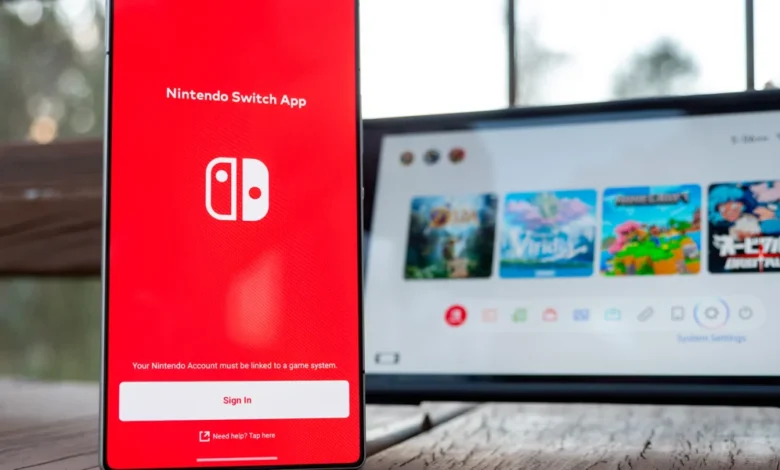
The gaming giant has issued a formal notice to its global user base, signaling a significant shift in its digital security infrastructure. Beginning January 26, 2027, Nintendo will officially deprecate support for third-party account linking, specifically the "Sign in with Google" and "Sign in with Apple" authentication methods. This transition marks a decisive move by the Kyoto-based company to centralize its authentication ecosystem, pushing users toward a proprietary passkey-based login system to enhance account security and streamline user management.
The Chronology of the Shift
The transition period, which commenced with the official announcement in late 2026, provides users with approximately two months to decouple their Nintendo accounts from external identity providers. Nintendo’s official support documentation indicates that the change is final: after January 25, 2027, the interface for the Nintendo Switch app will no longer offer the buttons that allow users to authenticate via Google or Apple credentials.
For users who currently rely on these third-party links, the requirement is to register a native Nintendo passkey. If a user fails to make this transition before the January 26 deadline, they will not lose their account data, but they will be forced to undergo a manual account recovery process. This involves navigating to the official Nintendo Account portal and utilizing the "forgot password" protocol to establish a standalone password, effectively resetting the account to a traditional email-and-password configuration or, ideally, a modern passkey.

Understanding the Shift to Passkeys
A passkey is a digital credential tied to a user’s device, allowing for authentication without the need for a traditional password. Unlike passwords, which are susceptible to phishing, credential stuffing, and brute-force attacks, passkeys utilize public-key cryptography. When a user registers a passkey, their device generates a unique pair of keys: a public key stored on the Nintendo server and a private key stored securely on the user’s device (protected by biometric data such as FaceID, TouchID, or a device-specific PIN).
Nintendo’s move aligns with a broader industry trend among technology leaders, including Google, Apple, and Microsoft, to move toward a "passwordless" future. By eliminating the reliance on third-party OAuth providers, Nintendo gains direct control over its authentication flow, reducing the risk that a compromise at a third-party service could inadvertently grant unauthorized access to a user’s gaming profile.
Cybersecurity Context and Industry Implications
While Nintendo has not issued a detailed white paper explaining the specific vulnerabilities that prompted this decision, cybersecurity analysts point to the increasing sophistication of automated threats. The rise of generative AI has revolutionized the capability of malicious actors to conduct high-speed, large-scale automated attacks. These bots can test thousands of account-password combinations in seconds, often exploiting vulnerabilities in third-party integration pathways.
By forcing users into a native environment, Nintendo is closing off potential "backdoor" entry points that are inherently difficult to monitor when relying on external service providers. In an era where digital identities are increasingly linked to financial information—such as saved credit cards for eShop purchases—the reduction of the attack surface is a standard, albeit disruptive, defensive measure.

Broader Impact on the Nintendo Ecosystem
The Nintendo Switch app serves as the primary hub for social interaction, voice chat, and game management for titles like Splatoon 3, Animal Crossing: New Horizons, and Mario Kart 8 Deluxe. For millions of users who utilized the convenience of "Sign in with Google" during the initial setup of their consoles, this change represents a minor friction point that could lead to widespread frustration if not communicated effectively.
The challenge for Nintendo lies in its massive, often casual user base. Many players may not check support pages regularly or pay close attention to email notifications from service providers. Consequently, the company faces the risk of a surge in customer support inquiries on January 26, as users find themselves locked out of their accounts. This necessitates a proactive strategy from Nintendo to ensure that the transition is seamless for the non-technical demographic of its audience.
Economic and Operational Considerations
From an operational perspective, removing third-party login support also allows Nintendo to simplify its backend maintenance. Supporting OAuth integrations requires constant updates to ensure compatibility with the changing security protocols of Google and Apple. By moving to a proprietary system, Nintendo standardizes its authentication stack, allowing for more consistent updates across its various digital platforms, including the Nintendo Account website, the Switch console itself, and the mobile application.
Furthermore, this move strengthens the Nintendo Account as a standalone digital identity. By disentangling the user from external services, Nintendo increases its ability to maintain direct communication with its customers and provides a more unified experience across potential future hardware platforms. This is a common strategic maneuver for companies looking to maximize the "walled garden" approach, where user data remains contained within the company’s own ecosystem.

Recommendations for Users
To avoid potential service interruptions, users are advised to take the following steps immediately:
- Verify Current Login Method: Determine if you are currently using a Google or Apple account to access the Nintendo Switch app.
- Access Account Settings: Log into the official Nintendo Account website (accounts.nintendo.com).
- Register a Passkey: Follow the prompts to set up a passkey or create a traditional, secure password that does not rely on third-party linking.
- Verify Backup Methods: Ensure that your recovery email address is current and that you have access to the secondary verification methods associated with your account.
- Update the Application: Ensure the Nintendo Switch app is updated to the latest version to maintain compatibility with the new authentication protocols.
Looking Ahead
The decision to abandon third-party logins by early 2027 is a clear indicator of where the gaming industry is heading. As cybersecurity threats evolve, the convenience of universal logins is being weighed against the necessity of hardened, proprietary security. While the transition may be inconvenient for those accustomed to the ease of single-sign-on (SSO) solutions, the long-term benefit of a more secure, controlled environment is the primary driver behind this policy.
Nintendo’s leadership in this area reflects a broader industry recognition that, in the context of digital security, convenience cannot come at the expense of integrity. As we move into 2027, it is highly probable that other major gaming platforms will evaluate similar measures, potentially leading to a more fragmented but significantly more secure landscape for digital identity management in the entertainment sector. For the time being, the onus remains on the end-user to ensure their digital assets are protected by complying with these new, more stringent requirements before the mid-January deadline.
Ultimately, this move should be viewed as a necessary modernization of the Nintendo infrastructure. While the transition will undoubtedly cause temporary confusion, the shift toward passkeys is objectively superior to legacy password systems, providing a robust defense against the modern, AI-augmented threat landscape. By acting now, users can ensure that their gaming history, purchases, and social connections remain secure within the Nintendo ecosystem for the years to come.