AMD Shifts Focus to Data Centers and AI Infrastructure as CEO Lisa Su Forecasts Significant PC Market Challenges Ahead

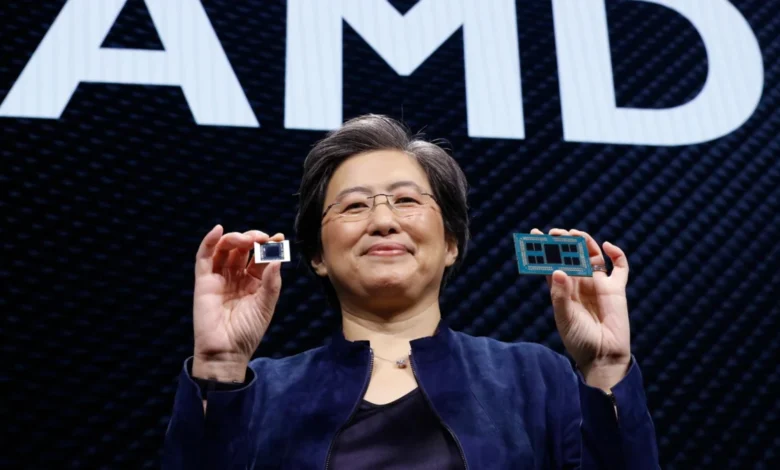
Advanced Micro Devices (AMD) has firmly cemented its transition from a traditional consumer-hardware manufacturer into a data center-first enterprise, a strategic pivot that highlights the semiconductor industry’s broader pivot toward artificial intelligence infrastructure. In a comprehensive interview with Yahoo Finance on Thursday, November 5, followed by concurrent disclosures during the company’s third-quarter earnings call for 2026, AMD Chief Executive Officer Lisa Su outlined an aggressive corporate trajectory centered heavily on high-performance computing, enterprise AI clusters, and long-term ecosystem investments. While this structural evolution has positioned AMD for explosive enterprise growth—with data center revenue projected to surge by 50% sequentially from the third quarter to the fourth quarter of 2026—it has simultaneously ignited intense debate across the tech and gaming communities. Consumer advocates and industry commentators have raised concerns over the collateral damage this shift inflicts on the traditional personal computer market, particularly as Su forecasted a double-digit percentage decline in overall PC sales heading into 2027.
The Corporate Pivot: Prioritizing Enterprise Infrastructure
During her statements to financial analysts and media outlets, Dr. Su detailed the operational realities driving AMD’s modern business model. Emphasizing the immense resource allocation required to meet global computational demands, Su explicitly categorized the semiconductor giant under a new operational identity.
"We’re a tech company that has a lot of resources and the ability to expand our supply and expand our ability to help our customers, and that’s what’s led to tremendous growth," Su stated during the interview. Highlighting the immediate financial momentum of the enterprise sector, she added, "Being able to say that my data center business is going to grow 50% sequentially from Q3 to Q4, it’s a big step up and it’s a testament to how important computing is in the industry today. We’re looking to double the business—more than double the business—as we go into next year. We are a data center-first company, that is our profile, and people need more computing to power all these applications."
This pivot represents a fundamental reallocation of corporate priorities. Historically recognized as a primary competitor to Intel in the consumer CPU market and Nvidia in consumer GPUs, AMD is increasingly channeling its manufacturing capacity, research and development budgets, and wafer allocations toward enterprise-grade accelerators, server processors, and cloud computing infrastructure. The immense profitability and scaling potential of generative AI deployments have effectively reshaped the financial incentives for major silicon designers, pulling capital away from consumer-facing retail products and redirecting it toward hyperscale data center operators.

Addressing Market Volatility and Long-Term Vision
The announcement coincided with a broader market correction across the technology sector following the post-US midterm election cycle, which saw temporary slumps in AI-related valuations and tech stock prices. Addressing investor anxiety regarding these market fluctuations, Dr. Su dismissed short-term financial volatility as a distraction from the structural transformation currently reshaping the global economy.
"I think the market can sometimes be a little bit short-sighted. Look, it is what it is," Su noted. "What I look at is in the long term, if you believe—which I do, deeply—that computing in many ways equates to intelligence, so the more compute you have, the more intelligent you are, the more intelligent your company is, the more problems you’re going to be able to solve, the more you’re going to accelerate your business. If you believe that foundation, then investing ahead of the curve is the right thing to do because we’re always investing for the long term. Long term being, you know, three, four, five years and beyond. And that means you have to make the investments now."
Su’s philosophical framework hinges on the premise that artificial intelligence and superintelligence will become foundational, non-negotiable utilities across every sector of modern enterprise and daily life. By viewing compute capacity as a direct proxy for intellectual and economic output, AMD has chosen to aggressively front-load capital expenditures to secure market share in the burgeoning AI hardware ecosystem.
The Human Cost: Consumer Backlash and the 2027 PC Outlook
Despite the bullish financial forecasts and enthusiasm from institutional investors, AMD’s strategic pivot has drawn sharp criticism from consumer advocates, gaming journalists, and retail customers. The primary friction point stems from the inverse relationship between data center expansion and consumer hardware availability. As semiconductor fabrication plants prioritize high-margin enterprise AI accelerators and server-grade silicon, consumer components—including desktop graphics processing units and high-performance central processing units—face tighter supply constraints and escalating price points.
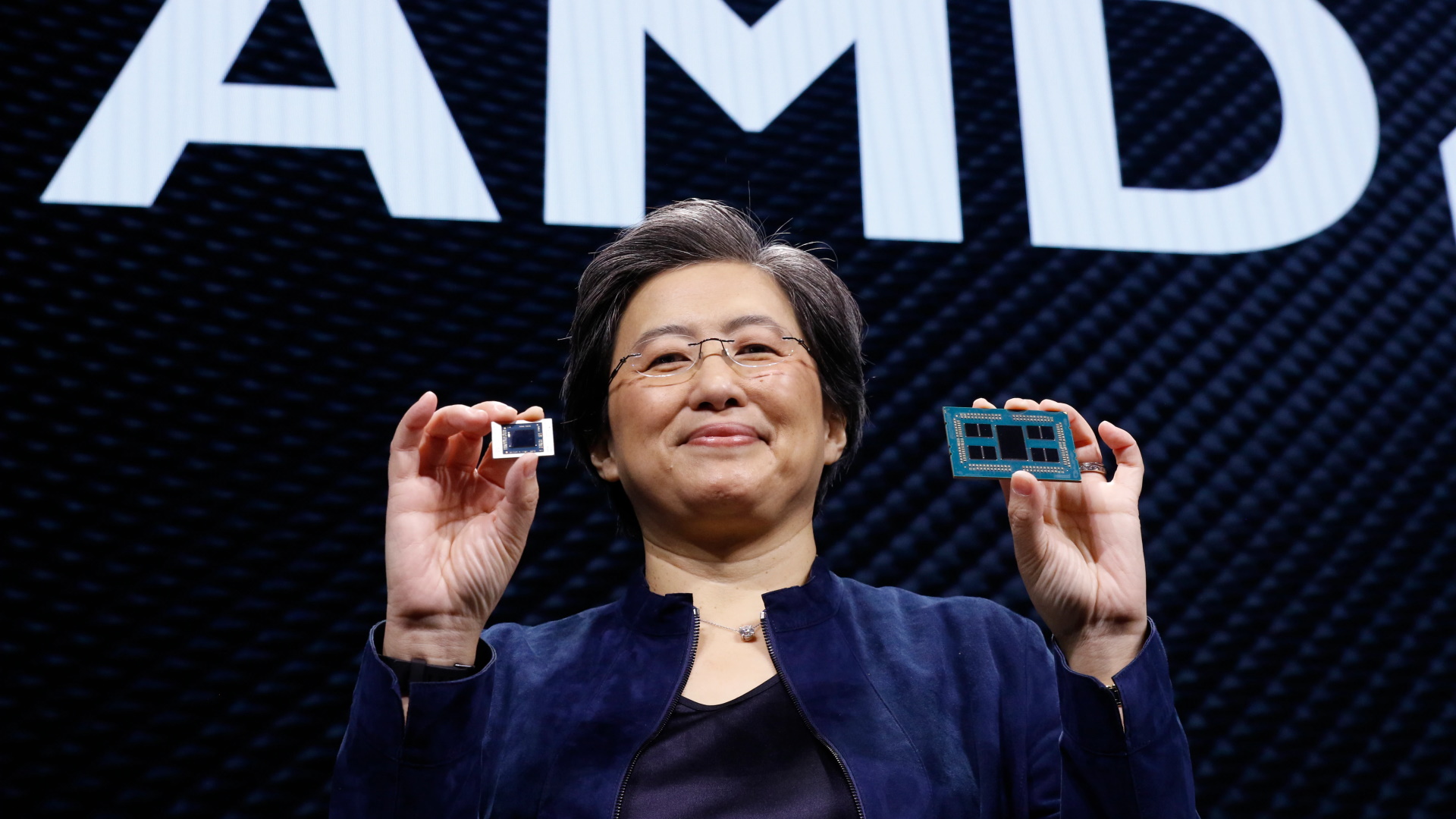
Industry analysts tracking the retail hardware space have expressed deep skepticism regarding the long-term utility of generative AI applications relative to their massive societal and economic costs. Critics argue that while enterprise clients reap the financial rewards of automation and machine learning, everyday consumers experience the negative externalities: hardware pricing that has scaled beyond traditional affordability benchmarks, component scarcity, and a stagnant upgrade cycle for home users.
Compounding these frustrations is Su’s recent forecast predicting a double-digit percentage decline in global PC shipments for 2027. Market observers note a bitter irony in this prediction: hardware manufacturers and silicon designers warning of a contracting consumer PC market are simultaneously the architects of that contraction, having redirected critical supply chains away from retail channels in pursuit of hyper-profitable enterprise contracts. This dynamic has left DIY PC builders, gamers, and standard productivity users navigating an increasingly hostile marketplace characterized by inflated component costs and limited innovation in the consumer tiers.
Broader Economic Implications and Market Vulnerabilities
The broader economic implications of the semiconductor industry’s aggressive pivot toward artificial intelligence extend far beyond retail pricing. A significant portion of modern global capital—including retirement portfolios, mutual funds, and institutional pension schemes—has been heavily exposed to the sustained growth of the technology sector and AI-related equities.
Financial analysts have increasingly voiced concerns over potential overinvestment in data center buildouts. If the projected return on investment for enterprise AI applications fails to materialize at the scale anticipated by industry leaders, the resulting market correction could carry severe systemic repercussions. Unlike previous technological revolutions confined primarily to venture capital and institutional investors, the widespread integration of tech equities into mainstream retirement funds means that any sharp downturn in the AI sector would distribute financial losses across a vast cross-section of everyday workers.
Furthermore, the structural shift toward data center dominance permanently alters the competitive landscape of the personal computing industry. As traditional PC sales face prolonged slumps, hardware ecosystems risk entering a plateau phase where innovation for individual consumers slows down significantly. With profit margins heavily skewed toward cloud providers and enterprise infrastructure, silicon designers face fewer commercial incentives to develop breakthrough technologies for desktop and laptop environments.

Looking Ahead: A Diverging Tech Landscape
As AMD and its industry peers continue to execute their data center-first strategies, the technology sector stands at a definitive crossroads. On one side lies an unprecedented expansion of enterprise computing capacity, fueled by billions of dollars in capital expenditure and driven by the relentless pursuit of artificial intelligence capabilities. On the other side stands a alienated consumer base, grappling with higher costs, hardware scarcity, and a waning commitment to the traditional personal computer market.
Whether Dr. Su’s long-term vision of ubiquitous, compute-driven intelligence justifies the immediate friction experienced by the consumer hardware ecosystem remains to be seen. However, the events of late 2026 have made one reality indisputable: the era of consumer-led semiconductor dominance has officially ended, replaced by an enterprise-driven paradigm that will shape the global economy for decades to come.