Apple Watch Sleep Apnea Detection Feature Saves Life of Air Force Veteran in Latest Health Milestone

Wearable technology has transitioned rapidly from a simple fitness tracker into a sophisticated, life-saving medical diagnostic assistant. Two years after Apple first rolled out its innovative sleep apnea notification feature for the Apple Watch, real-world accounts continue to underscore the profound impact of proactive health monitoring. A recent, highly publicized case involving a 38-year-old United States Air Force veteran illustrates how continuous biometric tracking can uncover severe, hidden medical conditions long before they manifest into catastrophic health emergencies.
David Aladejobi, an Air Force veteran balancing the daily demands of life and post-military routines, found himself the unexpected beneficiary of wrist-based medical engineering. For months, Aladejobi had been battling persistent, unexplained morning headaches—a nagging ailment he frequently brushed off as simple stress or fatigue. Concurrently, he experienced routine snoring, a common nocturnal occurrence that millions of individuals dismiss as harmless annoyance rather than an indicator of underlying pathology.
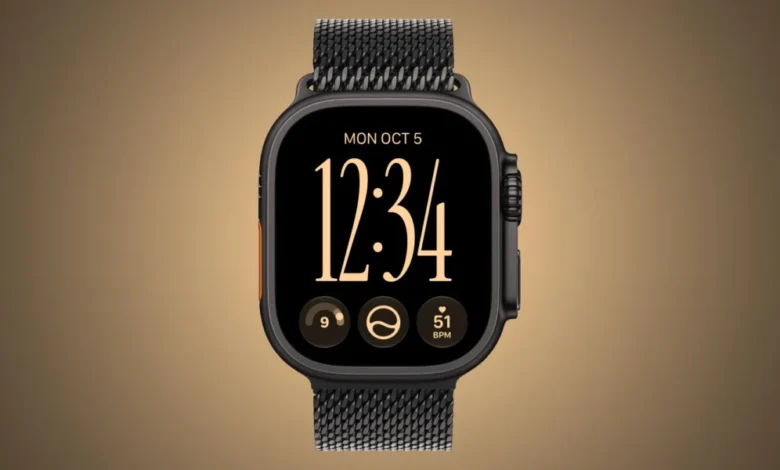
However, his routine changed permanently when his Apple Watch Ultra buzzed with an urgent health notification. The device flagged consistent breathing disturbances while he slept, suggesting potential signs of moderate to severe sleep apnea. Initially, Aladejobi paid little attention to the alert, operating under the assumption that the watch might simply be registering an irregular sleeping position or a minor glitch. Yet, upon reflecting on his chronic snoring and the persistent morning headaches that plagued his daily productivity, he decided to take a cautious approach. He captured a digital screenshot of the warning on his watch interface and presented it to his primary care physician during a scheduled checkup.
Following a thorough clinical evaluation, his physician recognized the validity of the biometric warning and referred Aladejobi to a specialized sleep laboratory for comprehensive diagnostic testing. The subsequent clinical sleep study confirmed what the consumer-grade smartwatch had predicted: Aladejobi was suffering from undiagnosed sleep apnea, a potentially life-threatening sleep disorder characterized by repeated interruptions in breathing throughout the night. His physician immediately prescribed a Continuous Positive Airway Pressure (CPAP) machine to regulate his breathing patterns during sleep, effectively neutralizing the silent nightly threat.
Reflecting on the experience, Aladejobi emphasized the vital intersection of consumer electronics and preventative medicine. His doctor explicitly warned him that untreated, chronic sleep apnea significantly elevates the risk of sudden cardiac events, stroke, and chronic hypertension, which can ultimately lead to premature death. The realization that a device already strapped to his wrist could intercept a silent killer left a lasting impression. He noted that utilizing a gadget already integrated into his daily wardrobe to prompt a critical medical consultation was an invaluable, life-altering intervention.
Understanding the Technology: How Apple Watch Identifies Sleep Apnea
The underlying engineering behind the Apple Watch sleep apnea notification system represents a major milestone in digital health innovation. Introduced as part of Apple’s broader initiative to transform its wearable ecosystem into a comprehensive health guardian, the feature utilizes the device’s internal hardware to monitor physiological metrics invisible to the naked eye.
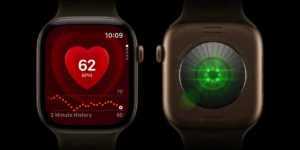
At the core of this capability is the Apple Watch accelerometer. While the user is asleep, the accelerometer quietly and continuously monitors small movements at the wrist that are associated with interruptions in normal breathing patterns. These microscopic physical disturbances—referred to clinically as breathing disturbances—are logged and analyzed over a rolling 30-day monitoring window.
To ensure clinical accuracy and minimize false alarms, the algorithm requires a robust data set. Users must actively enable sleep tracking and consistently wear a compatible Apple Watch model to bed for a minimum of 10 nights within the designated 30-day period. Once the software aggregates sufficient biometric data and detects consistent patterns indicative of moderate to severe sleep apnea, it generates a formal notification.
Medical experts and technology analysts emphasize that the Apple Watch notification is engineered strictly as an identification and awareness tool, rather than a definitive clinical diagnosis. The notification is explicitly targeted at adult users who have not previously received a formal diagnosis of sleep apnea. When the software triggers an alert, it acts as a bridge, giving patients concrete data to present to licensed medical professionals, thereby accelerating the diagnostic pipeline that might otherwise take years to initiate.
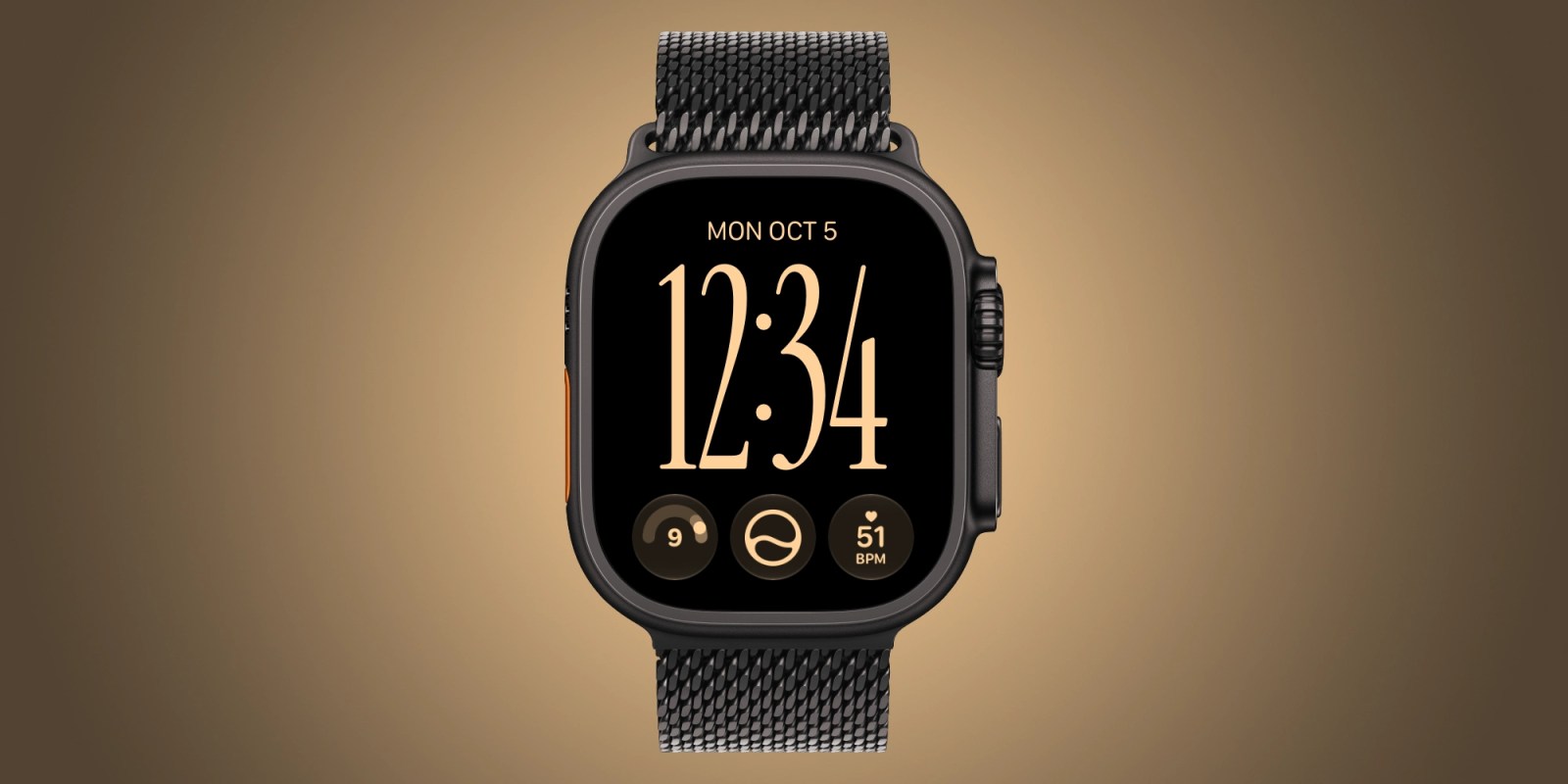
The feature is natively supported across several hardware generations, including the Apple Watch SE 3, Apple Watch Series 9 and later iterations, and the rugged Apple Watch Ultra 2 and subsequent models. This broad hardware compatibility ensures that millions of consumers worldwide have access to advanced nocturnal health surveillance without needing to purchase specialized, single-purpose medical apparatuses.
The Broader Evolution of Wearable Health Technology
The case of David Aladejobi is far from an isolated incident. Since regulatory bodies began greenlighting advanced biometric sensors on consumer wristwear, smartwatches have steadily evolved from simple step-counters into indispensable frontline medical sentinels.

Over the past decade, the industry has witnessed a paradigm shift. Features such as optical heart rate sensors for detecting atrial fibrillation (AFib), electrical heart sensors capable of recording single-lead electrocardiograms (ECGs), blood oxygen saturation (SpO2) monitoring, and wrist-temperature sensing for cycle tracking have routinely intercepted asymptomatic medical conditions. Sleep apnea detection represents the logical next step in this continuum, targeting a chronic condition that affects nearly one billion people globally, the vast majority of whom remain undiagnosed.
Public health economists and medical researchers have long pointed out the severe societal and financial costs of undiagnosed sleep disorders. Chronic sleep apnea forces the cardiovascular system to work overtime, resulting in sustained high blood pressure, increased arterial stiffness, and a dramatically elevated risk of myocardial infarction and ischemic stroke. Furthermore, the daytime cognitive impairment caused by fragmented sleep leads to diminished workplace productivity, depression, and a heightened risk of vehicular accidents caused by drowsy driving.
By embedding continuous screening into a device that consumers already purchase and wear voluntarily, technology companies have successfully bridged a critical gap in preventative healthcare. Traditional sleep studies, known as polysomnography, often involve lengthy wait times, expensive out-of-pocket costs, and the discomfort of sleeping overnight in an unfamiliar clinical laboratory hooked up to dozens of wires. While clinical studies remain the gold standard for formal diagnosis and prescription titration, consumer wearables serve as an invaluable triage mechanism, capturing individuals who would otherwise never suspect they have a sleep disorder.
Implications for the Future of Preventative Medicine
As artificial intelligence and biometric sensor arrays continue to advance at a rapid pace, the boundary between consumer technology and professional medicine will continue to blur. The successful integration of sleep apnea monitoring into mainstream smartwatches sets a powerful precedent for future health-related software updates.
Medical institutions are increasingly embracing this shift, transitioning from a reactive healthcare model—where patients seek treatment only after symptoms become severe—to a proactive, preventative paradigm driven by continuous health data. Physicians are learning to interpret wearable-generated data streams, incorporating digital health logs into electronic health records to provide more personalized and timely interventions.
For veterans like David Aladejobi, and countless other everyday consumers, the quiet algorithms running in the background of their wristwatches have fundamentally altered their health trajectories. What began as a routine notification on an Apple Watch ultimately spared an Air Force veteran from the silent, compounding damages of a severe, untreated medical condition. As these health-monitoring tools become even more ubiquitous and sophisticated, the modern smartwatch is cementing its legacy not merely as a convenient gadget, but as an essential instrument of modern preventative healthcare.