The Departure of Bence Beadyboy Hamos From Crytek Marks the End of an Era for Hunt Showdown and Highlights Wider Industry Instability

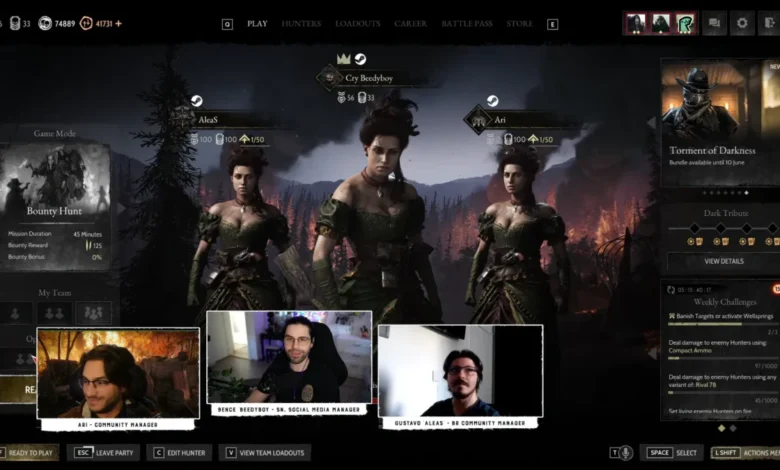
The video game industry has experienced a severe contraction over the past several years, resulting in tens of thousands of layoffs across major studios and independent developers alike. Amid this broader economic instability, human stories of long-term dedication and sudden displacement frequently emerge. One such story is that of Bence "Beadyboy" Hamos, a senior broadcast manager and the face of the long-running extraction shooter Hunt: Showdown, who was let go by Crytek in September as part of a corporate downsizing wave affecting at least 30 employees.
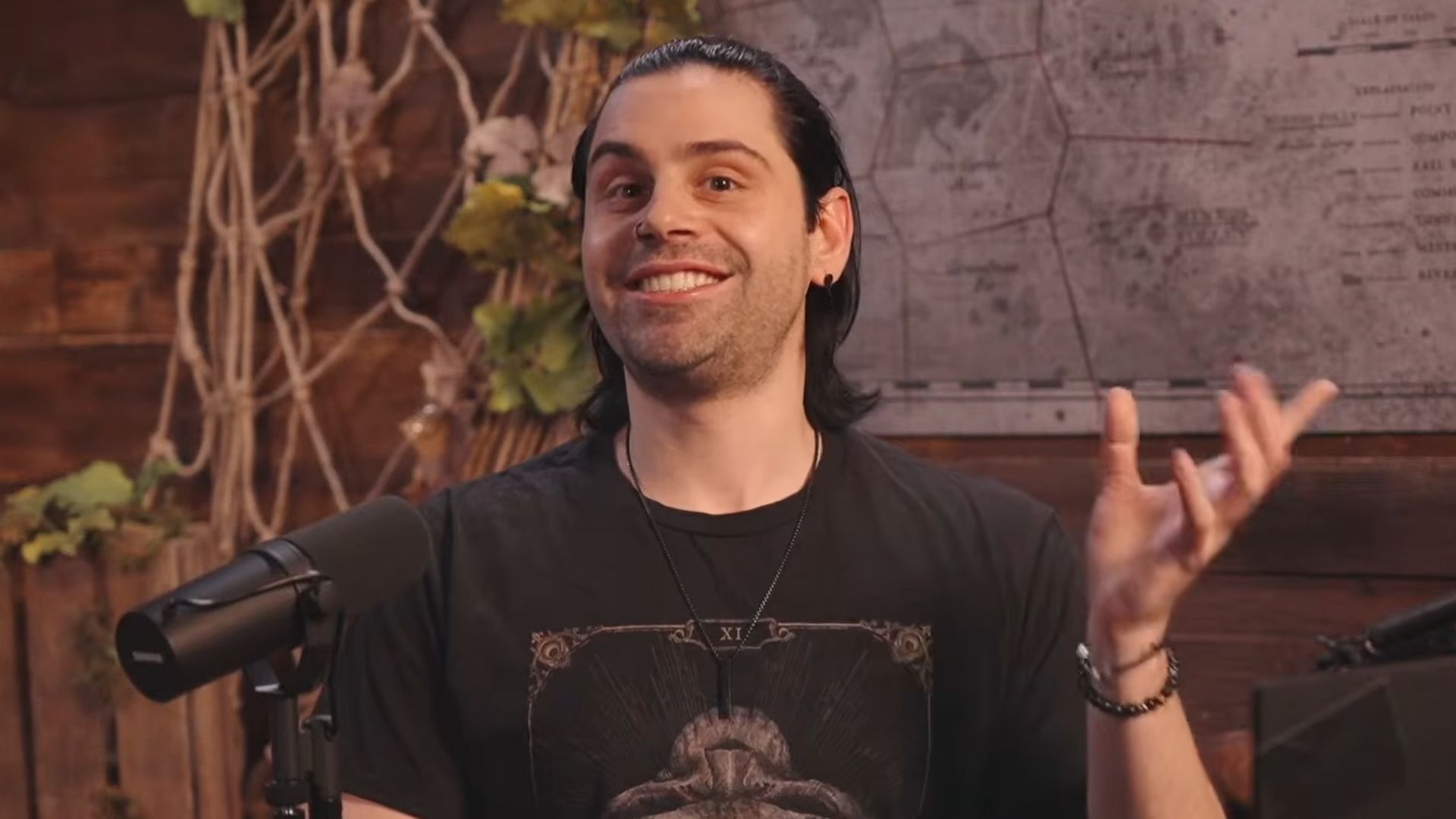
Hamos had spent nearly nine years with the German game development studio, anchoring its community outreach through livestreams, vlogs, and social media updates. His sudden departure sent shockwaves through the Hunt: Showdown player base, underscoring the vital, yet often precarious, role that community-facing personnel play in sustaining modern live-service video games.
Chronology of a Nine-Year Journey
Bence Hamos’s tenure with Crytek began in early 2018, just prior to the initial launch of Hunt: Showdown. Growing up in Budapest, Hungary, Hamos had looked up to the Frankfurt-based studio since his teenage years, when he played the critically acclaimed sci-fi shooter Crysis alongside his brother. Seeking career opportunities abroad, Hamos relocated to Germany with aspirations of breaking into the gaming industry, despite having no prior professional experience within the sector.
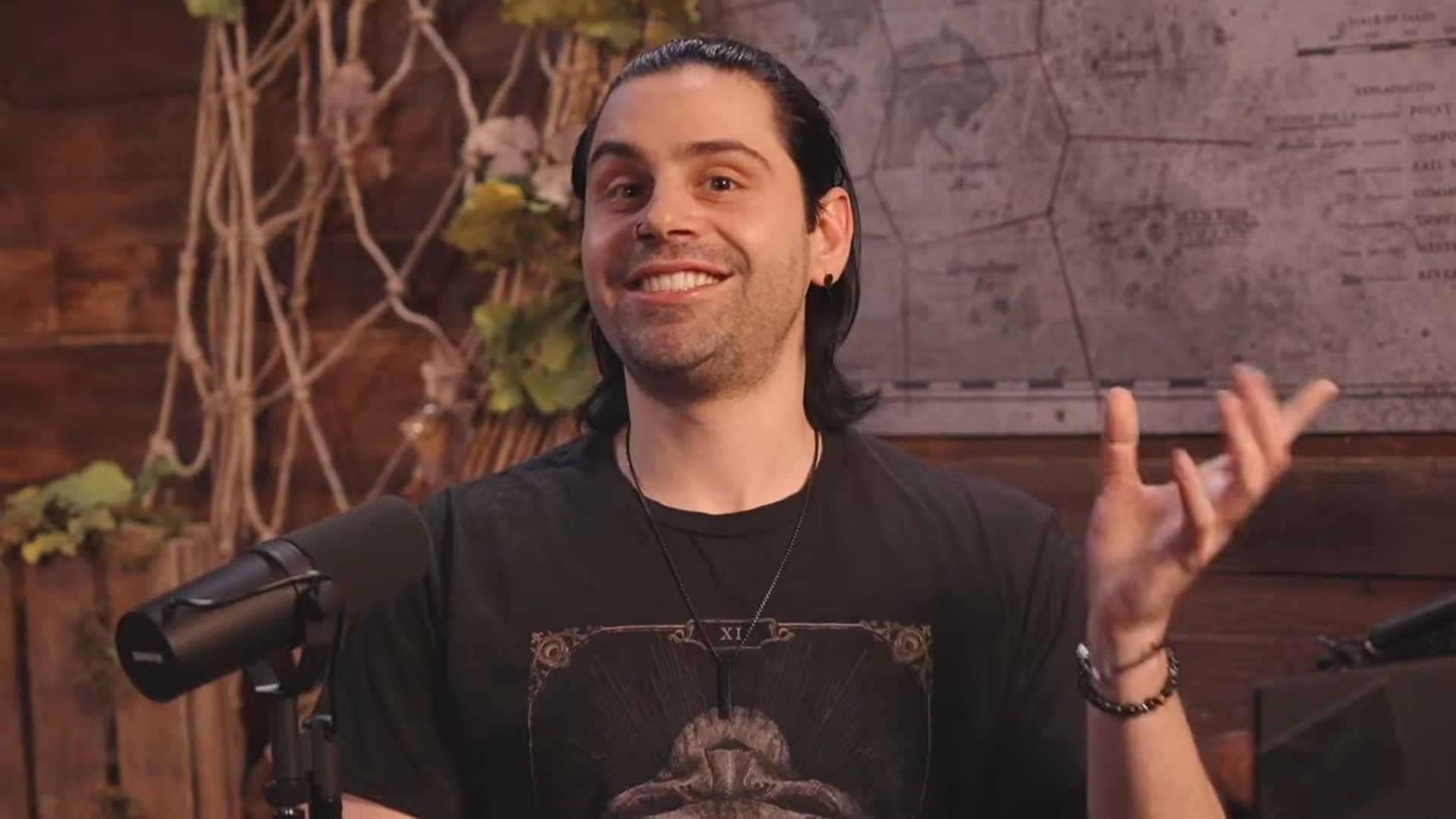
His entry into the industry was unconventional. Having managed his rock band’s social media presence, interacted with its fan base, and operated live streams via Ustream, Hamos leveraged these grassroots digital skills during his interview at Crytek. Within two weeks of applying for an entry-level social media position, he was hired.
Over the next nine years, Hamos grew alongside the title he championed. When he joined the company in 2018, the extraction shooter genre was in its infancy, lacking an established playbook for live-service operations, community management, or regular content updates. Hamos immersed himself in the project, ultimately logging between 2,000 and 3,000 personal hours in Hunt: Showdown in addition to his testing and work commitments. Through the game’s various technical highs, major updates, community events, and occasional monetization controversies, he remained a steady, accessible presence for the player base, eventually climbing the ranks to senior broadcast manager.

The Mechanics of Community Management and Development
Hamos’s approach to community management was rooted in personal immersion. Operating under the principle that effective management requires active participation, he regularly engaged with the game’s systems alongside the player base. This dual perspective placed him in a uniquely challenging intermediary position: he had to translate player sentiment and frustrations to the development team while simultaneously communicating the studio’s overarching vision and design constraints back to the community.
Behind the scenes, this process involved rigorous data collection and qualitative analysis. Hamos and his communications team compiled weekly and bi-weekly sentiment reports drawn from diverse platforms, including Reddit, Steam, Discord, and direct communications. These reports categorized feedback into positive, mixed, and negative metrics, quantifying community discontent to help developers prioritize fixes and adjustments.

Balancing player demands with game design realities frequently required difficult decisions. Hamos noted that community requests often conflicted with the technical limitations or creative vision of the development team. When ideas were rejected, transparency served as the primary tool to maintain trust. Furthermore, community managers had to contextualize hyperbole—particularly regarding weapon balancing—by examining objective data. For instance, vocal veterans and high-skill players representing a fraction of one percent of the active user base might perceive a specific weapon as overpowered, whereas global telemetry data might indicate low usage rates across the broader population. In such instances, transparency regarding usage metrics helped mitigate community friction.
Broader Industry Context and Layoffs at Crytek
The restructuring that resulted in Hamos’s departure was part of a broader wave of layoffs at Crytek, marking the second round of workforce reductions the studio had undergone since February 2025. These cuts reflect a wider trend across the interactive entertainment sector. According to industry trackers, tens of thousands of developers have lost their jobs since 2022 as post-pandemic market corrections, rising development costs, and shifting investment climates prompt widespread corporate belt-tightening.
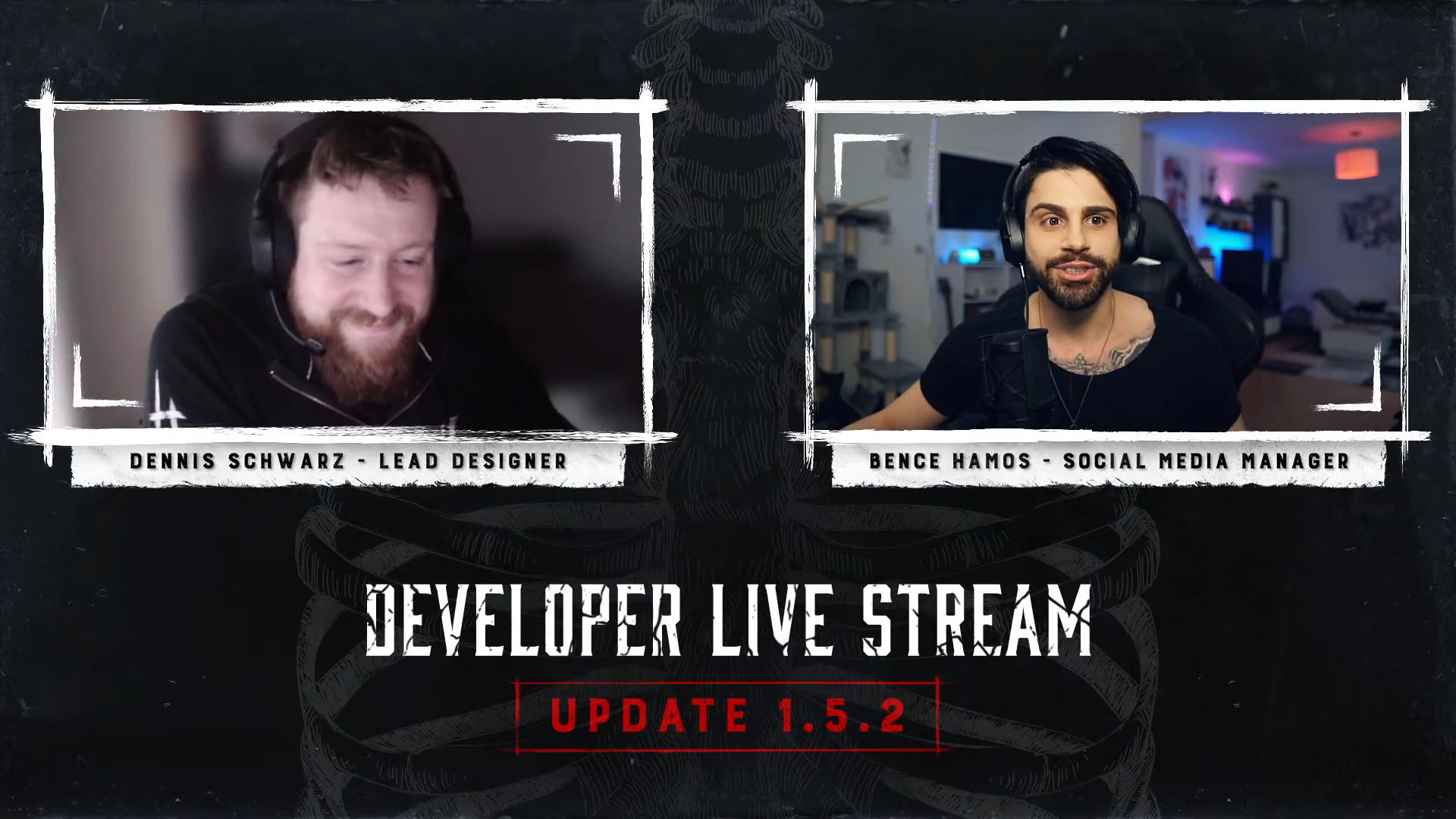
Despite the abrupt nature of his termination—which Hamos described as feeling like "a part of my soul was ripped out"—he expressed no animosity toward his former employer. Upon the announcement of his departure, Hamos published a farewell message on the official Hunt: Showdown subreddit. The post rapidly ascended to become the top thread on the forum, accumulating thousands of upvotes and hundreds of supportive replies from players acknowledging his nearly decade-long contribution to the game’s culture.
Implications for Hunt: Showdown and Future Prospects
The removal of a prominent, long-serving community figure inevitably introduces uncertainty for a live-service title. Community relations are a critical pillar for games reliant on sustained player engagement, regular content delivery, and ongoing monetization. Sudden workforce reductions among public-facing staff can temporarily disrupt the bridge between developers and consumers, potentially exacerbating friction during contentious updates or feature rollouts.

Nevertheless, Hamos’s departure has not severed his ties to the industry or the genre. Capitalizing on the reputation he built during his tenure at Crytek, Hamos quickly secured a new position in October, joining Good Fun Corporation—a studio founded by former developers of the tactical shooter Hell Let Loose—as the head of community and social. At the new studio, he is contributing to the development of Hunger, an extraction role-playing game featuring MMO elements and questing mechanics that share thematic DNA with Hunt: Showdown.
Reflecting on the state of the title he left behind, Hamos remains optimistic about its longevity. While many live-service multiplayer games experience rapid spikes in player counts followed by steep declines, Hunt: Showdown has demonstrated sustained, incremental growth over its lifespan. Hamos’s transition out of Crytek closes a foundational chapter for the game’s external communications, but the structural frameworks and community standards he helped cultivate over nine years remain deeply embedded in the identity of the title.