Sony is shifting towards more expensive, high-end cameras. The strategy is working, even amid the memory crisis

Financial Resilience Amidst Market Volatility
Sony Group Corporation’s financial disclosures for the second quarter of 2026 reveal a nuanced story of corporate adaptation. While total sales figures for the imaging division saw a year-over-year decline of 7.9 percent, the division’s operating income bucked the downward trend, climbing by 3.2 percent. This divergence between volume and profitability serves as a case study in premium-market positioning.
Lin Tao, Chief Financial Officer for Sony Group Corporation, addressed these results during the company’s recent earnings presentation, noting that the Imaging business faced a "challenging" environment, exacerbated by a notable slowdown in the Chinese market. However, the company successfully insulated its bottom line against rising memory costs and diminished unit movement by doubling down on its most capable, feature-rich cameras. By prioritizing the high-end segment, Sony has been able to maintain, and in some sectors expand, its market share even as broader macroeconomic pressures weigh on the industry.
The Evolution of the Product Lifecycle
Sony’s current approach to product releases avoids the traditional "entry-level" trap. Instead of dedicating massive R&D resources to budget-focused models, the company has adopted a "trickle-down" strategy for its technology. A primary example of this is the longevity of the Sony A7 III. Released in 2018, the camera continues to be marketed as a budget-friendly entry point into the full-frame mirrorless ecosystem. By maintaining older, reliable models in its catalog at lower price points, Sony satisfies the needs of budget-conscious consumers without requiring the development of lower-margin hardware that would dilute the brand’s premium identity.
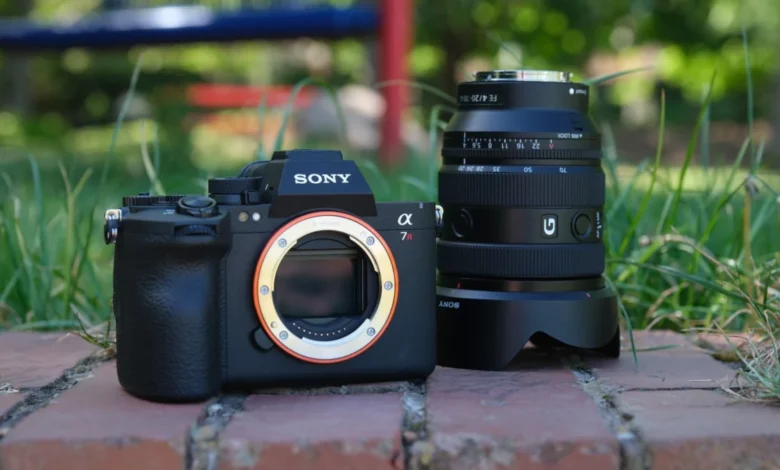
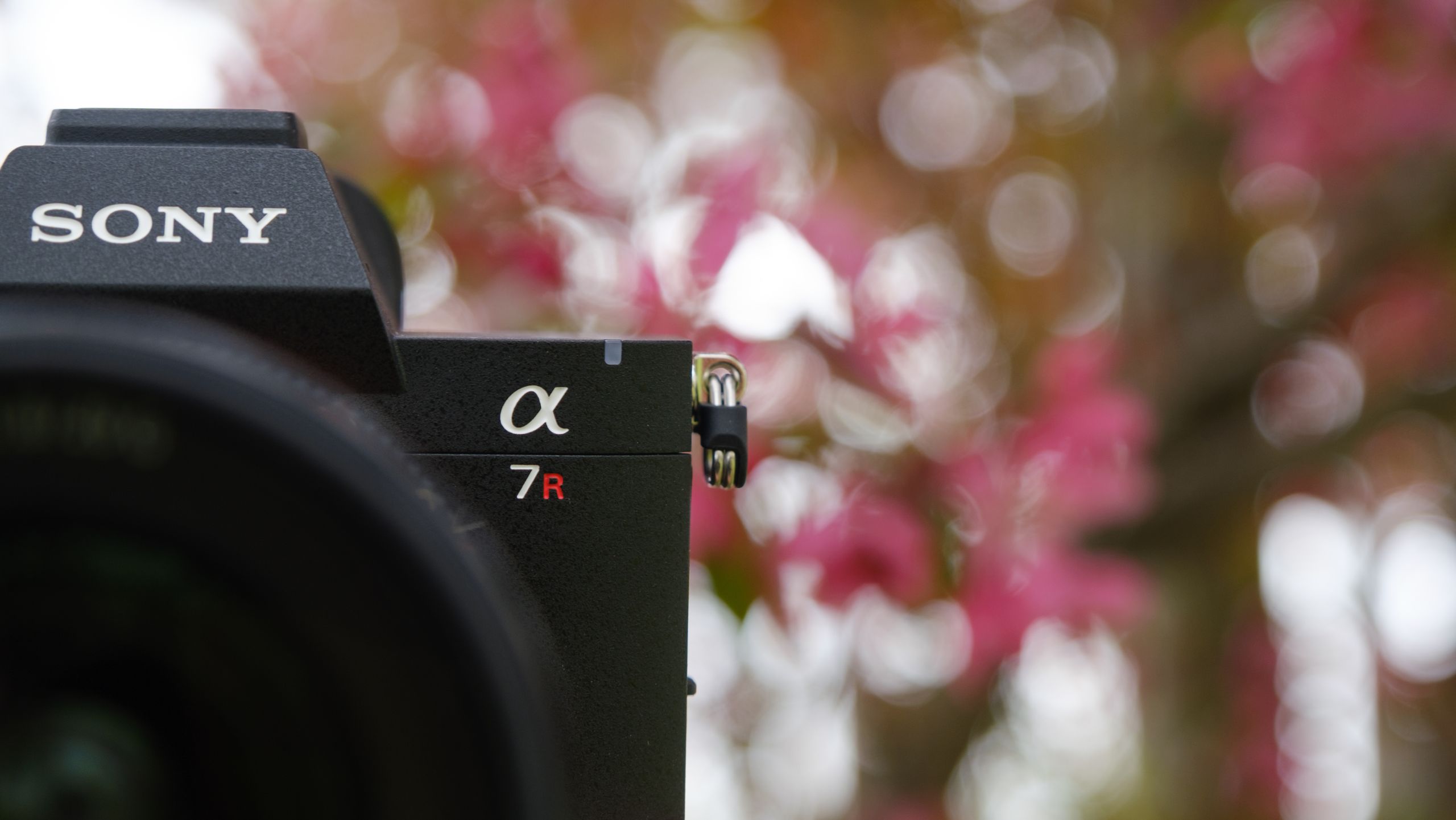
This strategy stands in stark contrast to recent high-end releases, which have seen a steady increase in launch pricing. The Sony A7R VI, widely considered the company’s flagship launch for 2026, debuted at a price point roughly $600 higher than the launch MSRP of its predecessor, the A7R V. Similar pricing trends have been observed in the A7 V and the RX10 V bridge camera. This clear upward trend in MSRP underscores Sony’s confidence in its ability to offer value through advanced computational photography, enhanced autofocus algorithms, and improved sensor performance, even if the barrier to entry is higher than in previous cycles.
Market Context and Industry Headwinds
The imaging industry at large is currently grappling with the "AI-driven memory crisis." As data centers and AI accelerators consume the global supply of high-speed memory—essential for both high-resolution sensors and high-speed data transfer in modern cameras—manufacturers have faced rising production costs. Reports from the Camera & Imaging Products Association (CIPA) indicate that mirrorless camera sales have experienced a notable slump throughout 2026, with many Japanese manufacturers feeling the pinch of supply chain constraints.

Compounding these challenges, the manufacturing infrastructure in Japan has faced significant physical disruptions. Earlier in the year, a powerful earthquake in Kumamoto—the location of Sony’s premier sensor manufacturing hub—forced a temporary halt to production. The shutdown, coupled with the subsequent costs of facility repairs and supply chain logistics, set the company back approximately 16 billion yen (roughly $101 million USD). Despite these obstacles, Sony’s sensor division reported that its facilities have fully recovered, though the division as a whole saw a 20 percent growth decline in the second quarter, largely due to the softening of the budget and mid-range mobile phone sensor market.
Expanding the Professional Cinema Ecosystem
Beyond still photography, Sony’s strategy for market expansion is heavily tied to the professional video and cinema market. The success of the "Cinema Line," particularly the FX5, illustrates the efficacy of this high-end focus. The demand for the FX5 was so robust upon its release that it immediately faced backorder status, proving that the professional market remains less sensitive to price increases than the consumer market, provided the tool offers tangible, workflow-improving capabilities.
This focus on professional-grade equipment allows Sony to command higher margins, which helps subsidize the R&D required to keep the brand at the cutting edge of image sensor technology. While this strategy has paid dividends for full-frame and cinema users, it has raised questions regarding the long-term support for the APS-C sensor segment.

The APS-C Conundrum
While Sony’s full-frame lineup receives frequent, high-profile updates, the APS-C category often experiences longer gaps between iterations. The A6700, the company’s most advanced APS-C still-photo camera, was introduced in 2023, while models like the A6400 have been in the market since 2019. Despite these cycles, Sony continues to see consistent performance from its ZV-series vlogging cameras, such as the ZV-E10 II (2024) and the original ZV-E10 (2021).
Analysts suggest that for Sony, the 3-to-4-year update cycle for APS-C models is a deliberate choice rather than a sign of neglect. By concentrating development on full-frame technologies that eventually filter down, the company ensures that when an APS-C model is refreshed, it benefits from the latest advancements in autofocus and image processing, rather than merely incremental hardware changes.
Future Outlook and Strategic Implications
Looking toward the remainder of the decade, Sony’s trajectory suggests a move toward becoming a "premium-first" manufacturer. By leaning into its strengths—specifically sensor innovation, high-end professional cinema, and high-resolution hybrid mirrorless cameras—Sony is effectively insulating itself from the volatility that has hampered lower-margin electronics producers.

The company’s ability to remain profitable despite lower unit sales is a clear signal that the consumer photography market is shifting. Professionals and enthusiasts are increasingly willing to pay a premium for tools that provide a competitive advantage, whether through faster frame rates, superior low-light performance, or integrated AI-driven subject recognition.
As the memory market eventually stabilizes, the efficiencies gained from this period of intense focus will likely position Sony to reclaim higher volumes. For now, the company’s strategy remains clear: provide the highest possible performance for the professional, keep legacy models available for the enthusiast, and continue to leverage its dominance in sensor manufacturing to dictate the pace of the industry. The success of this approach in the coming year will be a defining factor in whether other manufacturers follow suit or continue to struggle with the thinning margins of the mass-market camera business. With the industry still adjusting to the post-pandemic landscape, Sony’s ability to turn a challenging quarter into a display of financial fortitude serves as a critical benchmark for the future of imaging technology.