Apple iPad mini 8.5-inch (2026) Review: A Long-Awaited OLED Upgrade Brings Power and Portability Together

Apple’s smallest tablet has finally received the hardware overhaul that consumers and technology critics have requested for years. The new Apple iPad mini (2026), featuring an 8.5-inch form factor, introduces a long-awaited OLED display, a dramatically thinner chassis, and the formidable computing power of the A20 Pro chipset. While the device maintains its position as the ultimate ultra-portable tablet in Apple’s ecosystem, its higher entry price point and continued omission of a high-refresh-rate ProMotion screen present a nuanced value proposition for prospective buyers.
The Evolution of Apple’s Compact Tablet Lineup
The trajectory of the iPad mini has always been defined by a balancing act between pocketable dimensions and uncompromising performance. Historically, while Apple’s full-sized iPads and iPad Pro models received cutting-edge display technologies and silicon upgrades first, the mini form factor catered to a niche demographic of readers, travelers, and field professionals who prioritized extreme portability.
The 2026 iteration marks a monumental shift in this timeline. Pre-orders for the device commenced on October 28, ahead of its official commercial launch on November 6, 2026. Priced starting at $699 / £699 / AU$1,099 for the baseline Wi-Fi configuration and scaling up to $849 / £849 / AU$1,349 for Wi-Fi and Cellular variants, the device occupies a premium tier that blurs the pricing boundaries between smaller tablets and standard productivity laptops. Storage tiers are structured at 128GB, 256GB, and 512GB, with higher-end configurations offering compatibility with Apple’s proprietary nano-texture display coating for an additional $100 / £100 / AU$200.
Design and Durability: Thinner, Lighter, and Water-Resistant
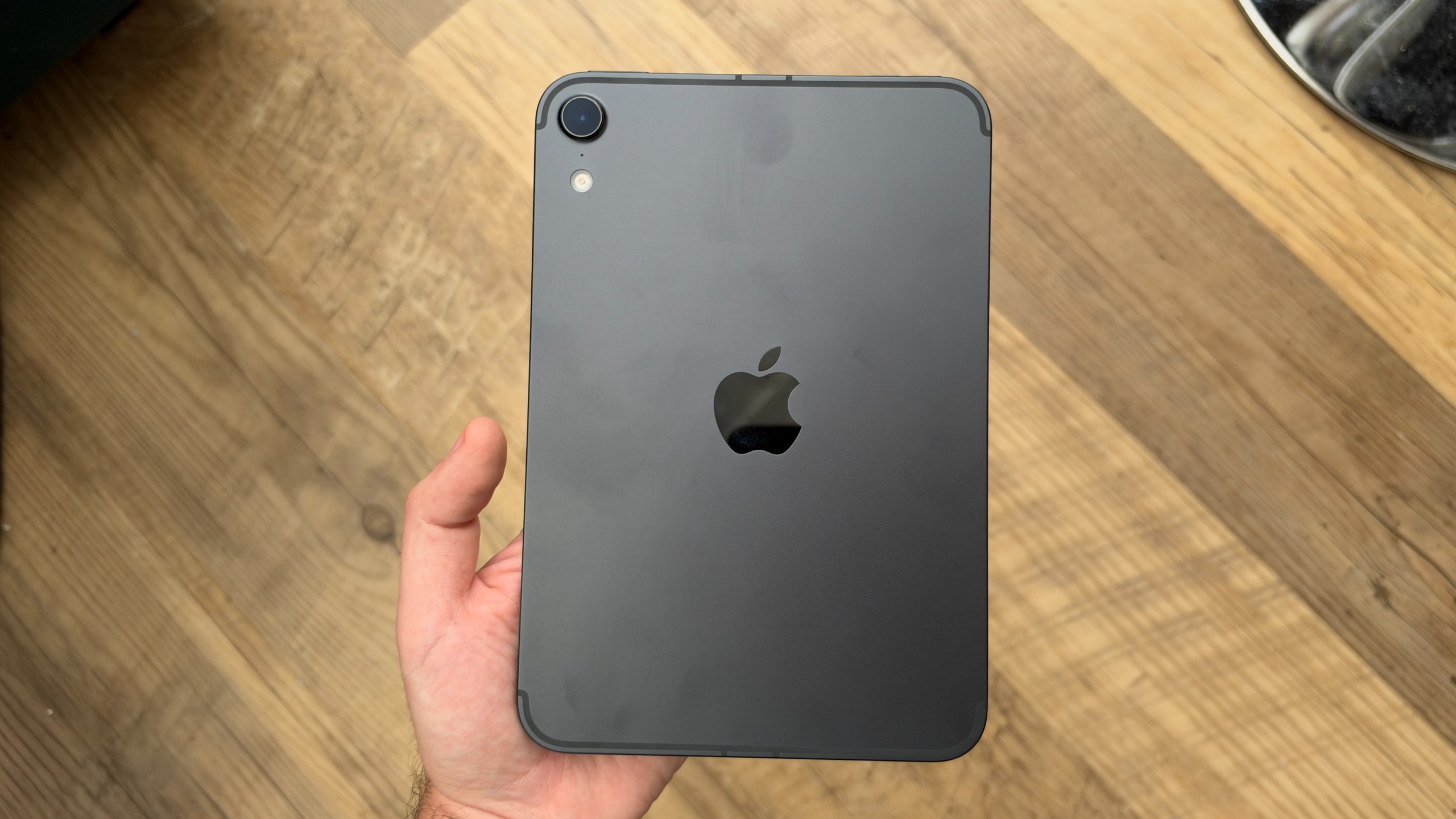
At first glance, the visual silhouette of the 2026 iPad mini feels familiar, but physical refinements make a notable impact during day-to-day handling. The device measures a remarkably slim 5.33mm in thickness and weighs just 254g for the Wi-Fi model (263g for the Cellular version). This represents a substantial reduction from the previous generation’s 6.35mm profile and 295g weight.
Beyond the physical reduction in mass, Apple has integrated meaningful structural improvements. For the first time in the mini lineup, the device features an official IP67 water and dust resistance rating. This addition provides crucial durability for family households, outdoor usage, and field environments where exposure to elements is a risk.
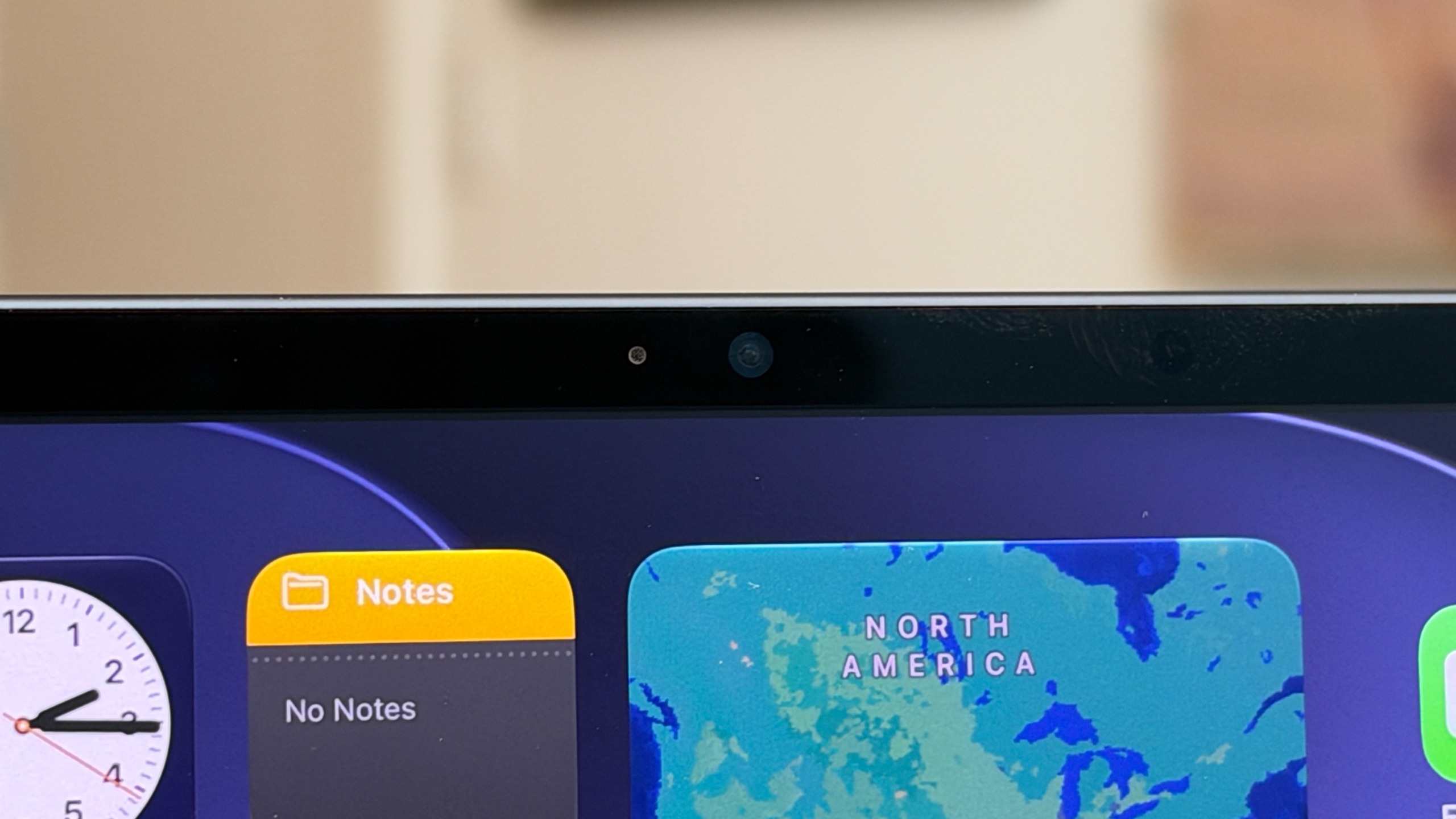
Achieving this level of water resistance required engineering adjustments, most notably the elimination of traditional speaker grilles in favor of a new Acoustic Audio system. The front-facing 12MP Center Stage camera has also been relocated to the top edge when held in landscape orientation, aligning it with modern video-calling standards across Apple’s hardware ecosystem. Security remains anchored by Touch ID embedded seamlessly into the top power button, foregoing Face ID to maintain the slim bezel architecture.
Display Technology: The Transition to OLED and Nano-Texture Benefits
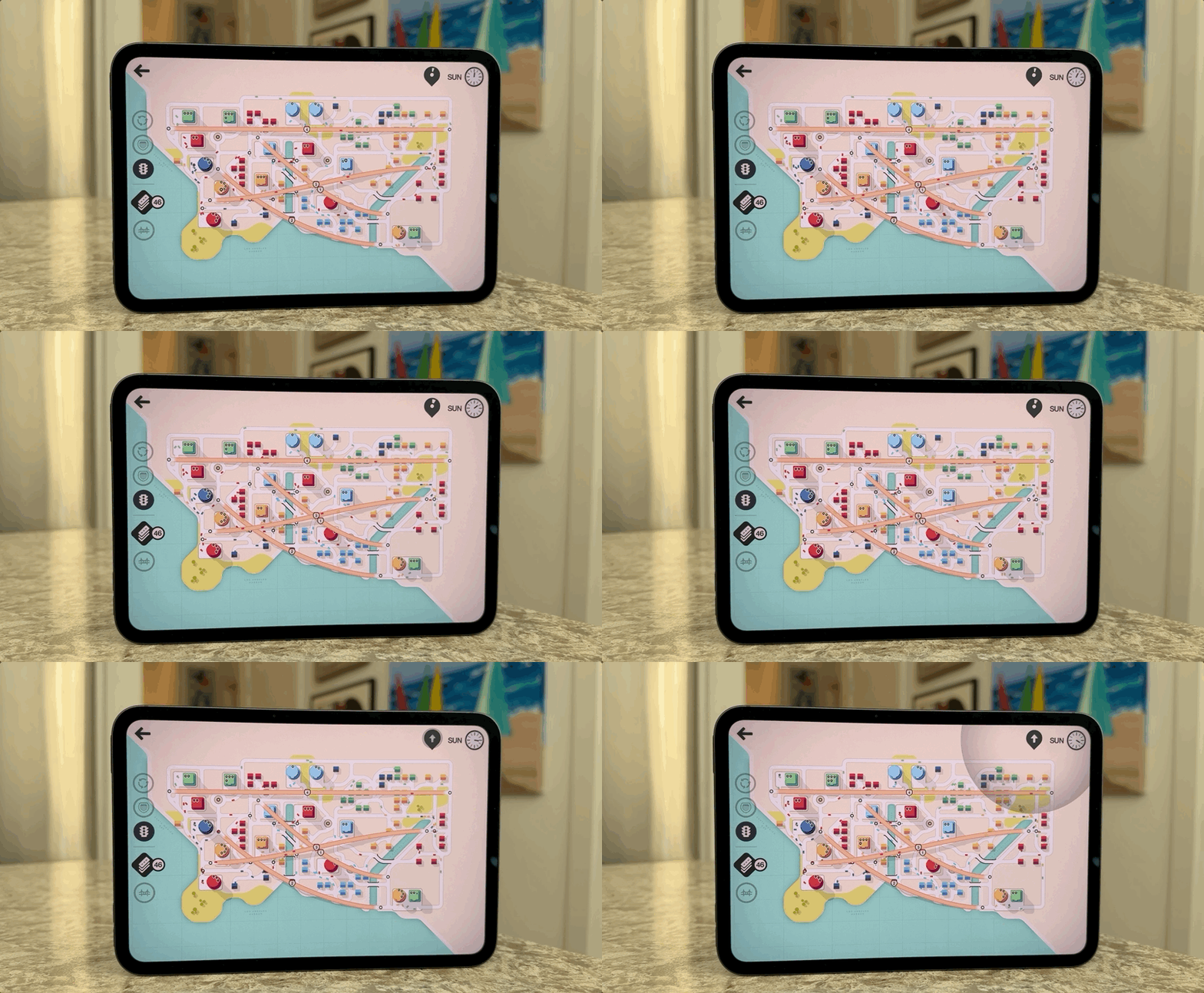
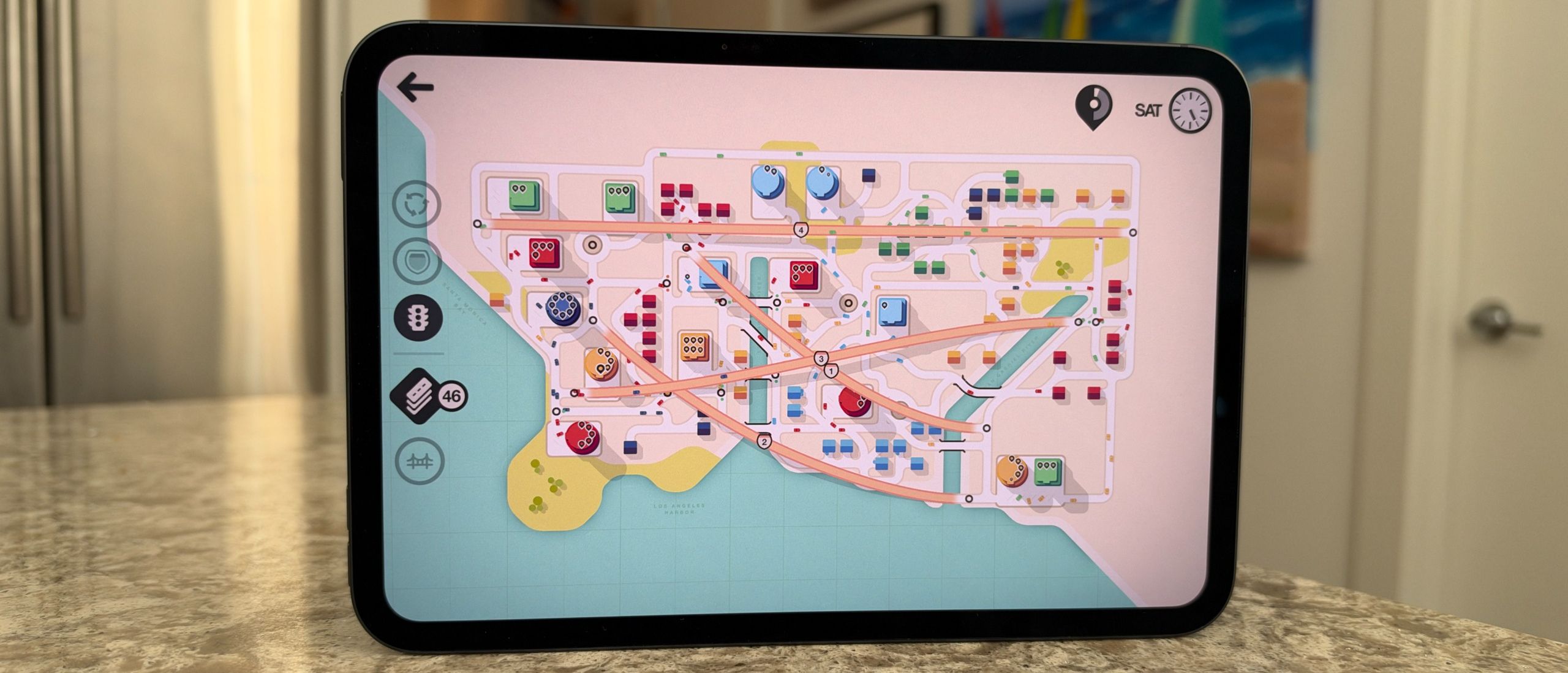
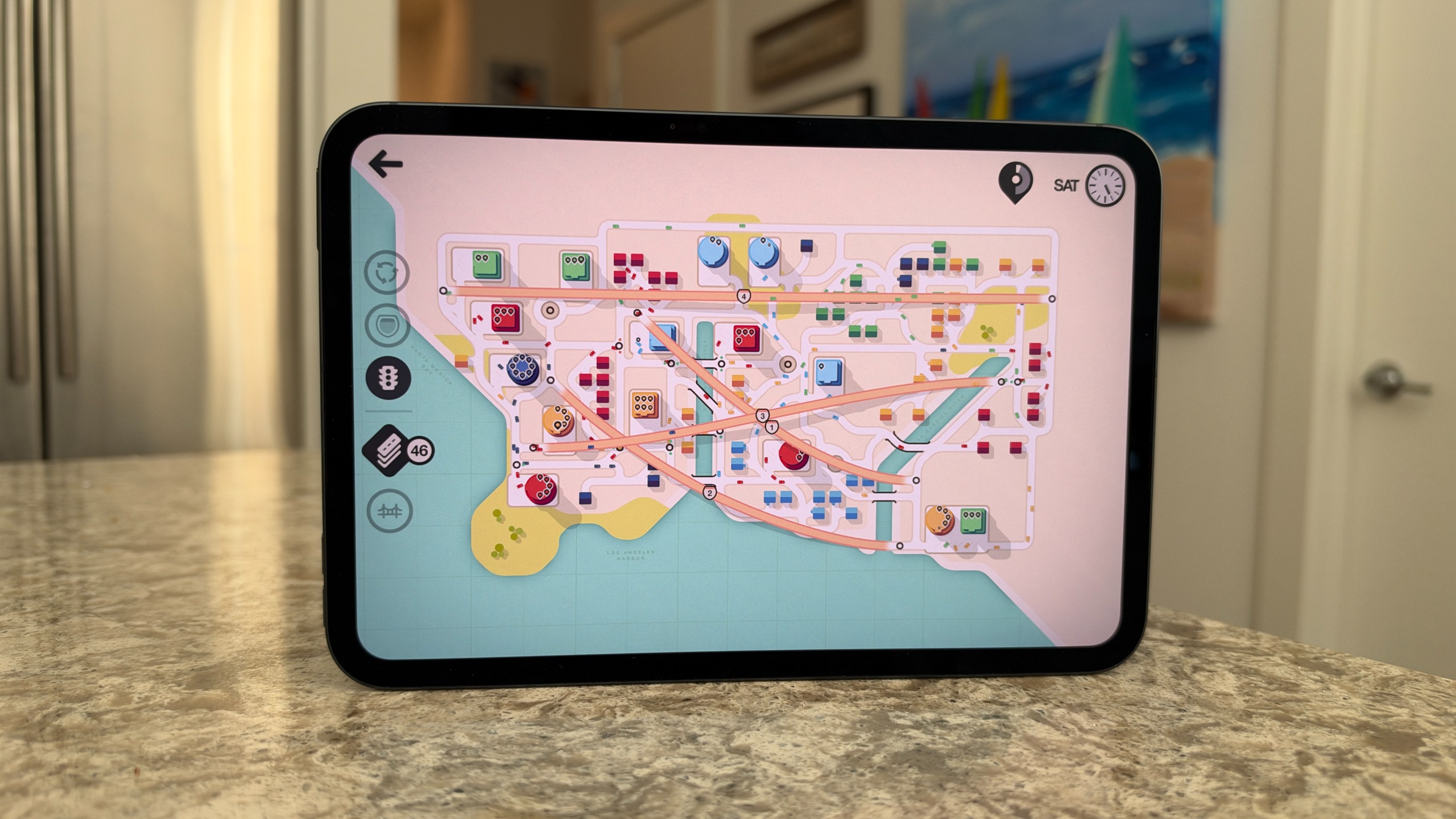
The headline feature of the 2026 iPad mini is undoubtedly the migration from traditional LCD panels to an advanced 8.5-inch Super Retina XDR OLED display. Operating at a resolution of 2316 x 1512, the panel delivers true inky blacks, exceptional color reproduction, and significantly enhanced contrast ratios.
Peak brightness metrics have also seen a generational increase, achieving 1,200 nits for HDR content and 600 nits during standard indoor or outdoor usage. This luminance boost ensures that media consumption—ranging from high-dynamic-range cinematic content to mobile gaming—is vibrant and immersive.
However, the display specifications reveal a notable point of discussion among tech analysts: the continued absence of ProMotion. The iPad mini remains capped at a standard 60Hz refresh rate, omitting the fluid 120Hz scrolling capabilities found on Apple’s Pro-tier devices. Despite this limitation, Apple has implemented sub-pixel millisecond control, which successfully improves display responsiveness and mitigates visual stutter during everyday navigation.
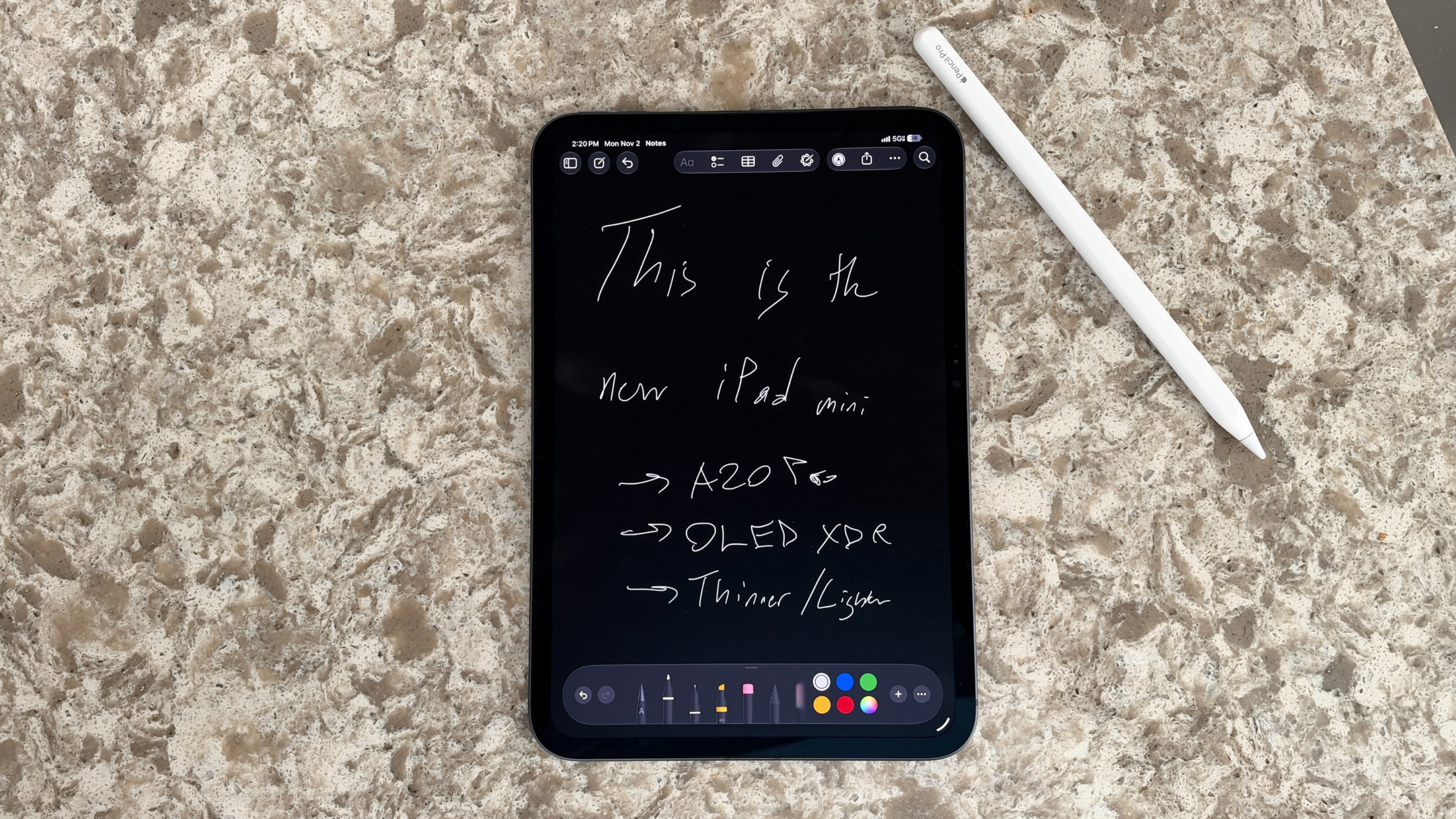
For users opting for the 256GB or 512GB configurations, the optional nano-texture glass coating offers an effective solution for glare reduction. By scattering ambient light, the etched glass surface drastically minimizes reflections from overhead lighting and direct sunlight, while lending the screen a tactile, paper-like friction that enhances note-taking and sketching with the Apple Pencil Pro or Apple Pencil USB-C.
Performance Metrics and Hardware Architecture
Beneath its sleek exterior, the iPad mini houses Apple’s A20 Pro processor, though the performance architecture varies depending on the chosen storage tier. Review units featuring the 512GB storage capacity utilize a fully enabled A20 Pro chipset, incorporating a six-core CPU (two performance cores and four efficiency cores), a seven-core GPU, and a Dual 16-core Neural Engine—matching the silicon profile found in Apple’s premier iPhone 18 Pro lineup. Configurations featuring 128GB or 256GB utilize a slightly binned variant with a five-core CPU configuration.
Synthetic benchmark results illustrate the sheer capability of the new silicon. In Geekbench 7 testing, the top-tier configuration achieved a single-core score of 3,998 and a multi-core score of 11,485, representing a massive leap over previous generations. In real-world application, these metrics translate to instantaneous app launching, seamless execution of power-intensive tasks like image upscaling in Pixelmator Pro, and robust local processing for Apple Intelligence features such as the Siri AI beta, Clean Up, and Expand Images.
Software Integration and Multitasking Capabilities
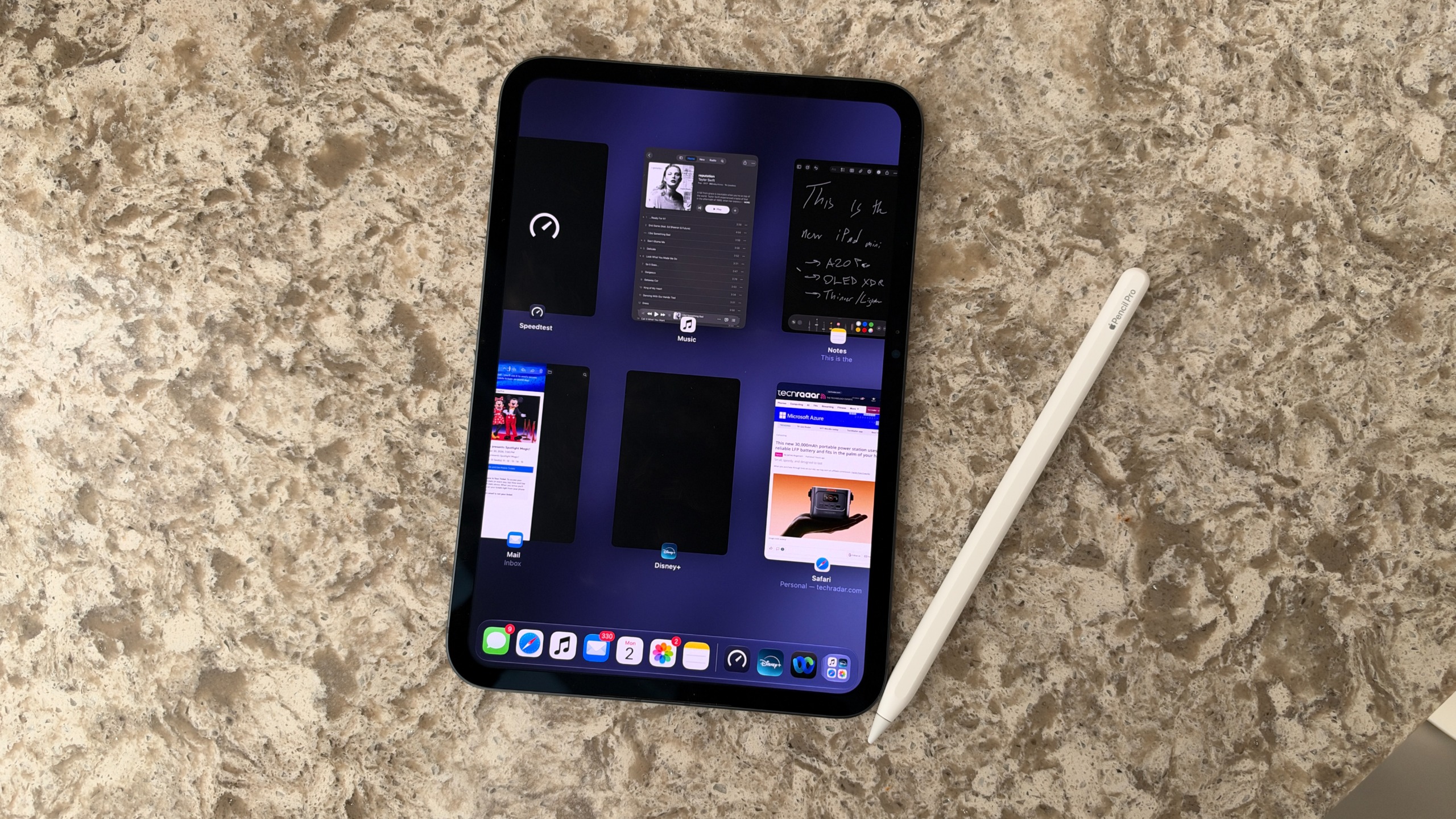
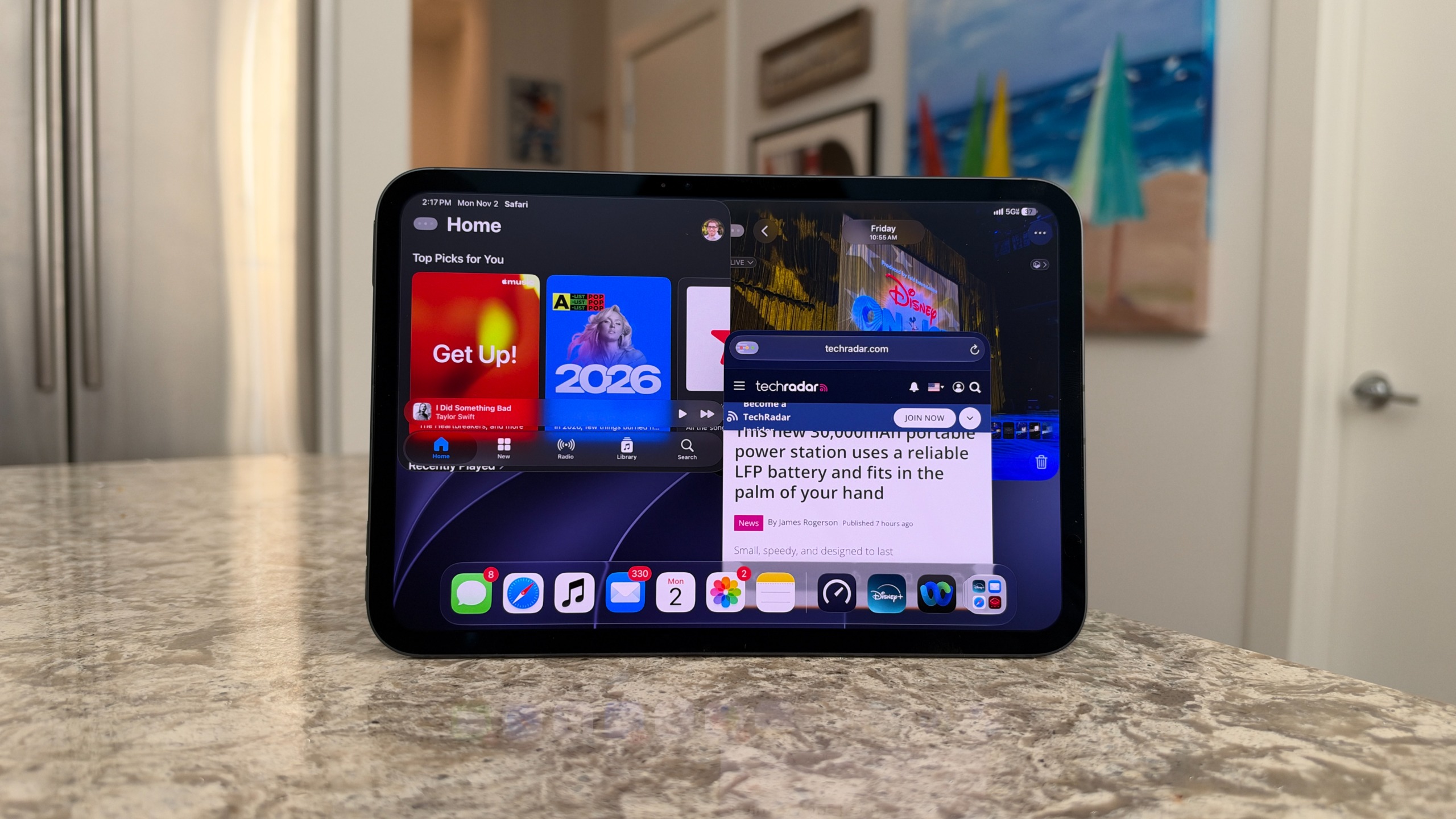
Operating on iPadOS 27 out of the box, the iPad mini fully leverages Apple’s modern software ecosystem. The inclusion of full windowed multitasking allows users to run multiple applications concurrently, layering and resizing windows across the 8.5-inch canvas.
While the physical screen dimensions are compact, the software flexibility ensures that productivity workflows—such as dragging assets between the Files app and creative suites—feel natural. Furthermore, the updated operating system supports extended workspace capabilities when connected to external displays, transforming the pocketable tablet into a secondary workstation when paired with an external monitor, keyboard, and trackpad.
Battery Endurance and Next-Generation Connectivity
Despite its reduced physical thickness, the iPad mini manages to house an 18.9Wh lithium-polymer battery capable of sustaining Apple’s promised 10-hour threshold for web browsing and media playback. Independent laboratory testing yielded impressive results, with the device running continuously for over 14 hours in standardized benchmark tests, outperforming its predecessor by nearly four hours.
Connectivity standards have likewise been modernized. The integration of Apple’s N1 custom chip brings support for Wi-Fi 7, Bluetooth 6, and Thread protocol connectivity for smart home integration. Meanwhile, Cellular models benefit from Apple’s new C2 modem, delivering up to 50% faster cellular data throughput on 5G sub-6GHz and Gigabit LTE networks compared to previous iterations.
Market Implications and Verdict
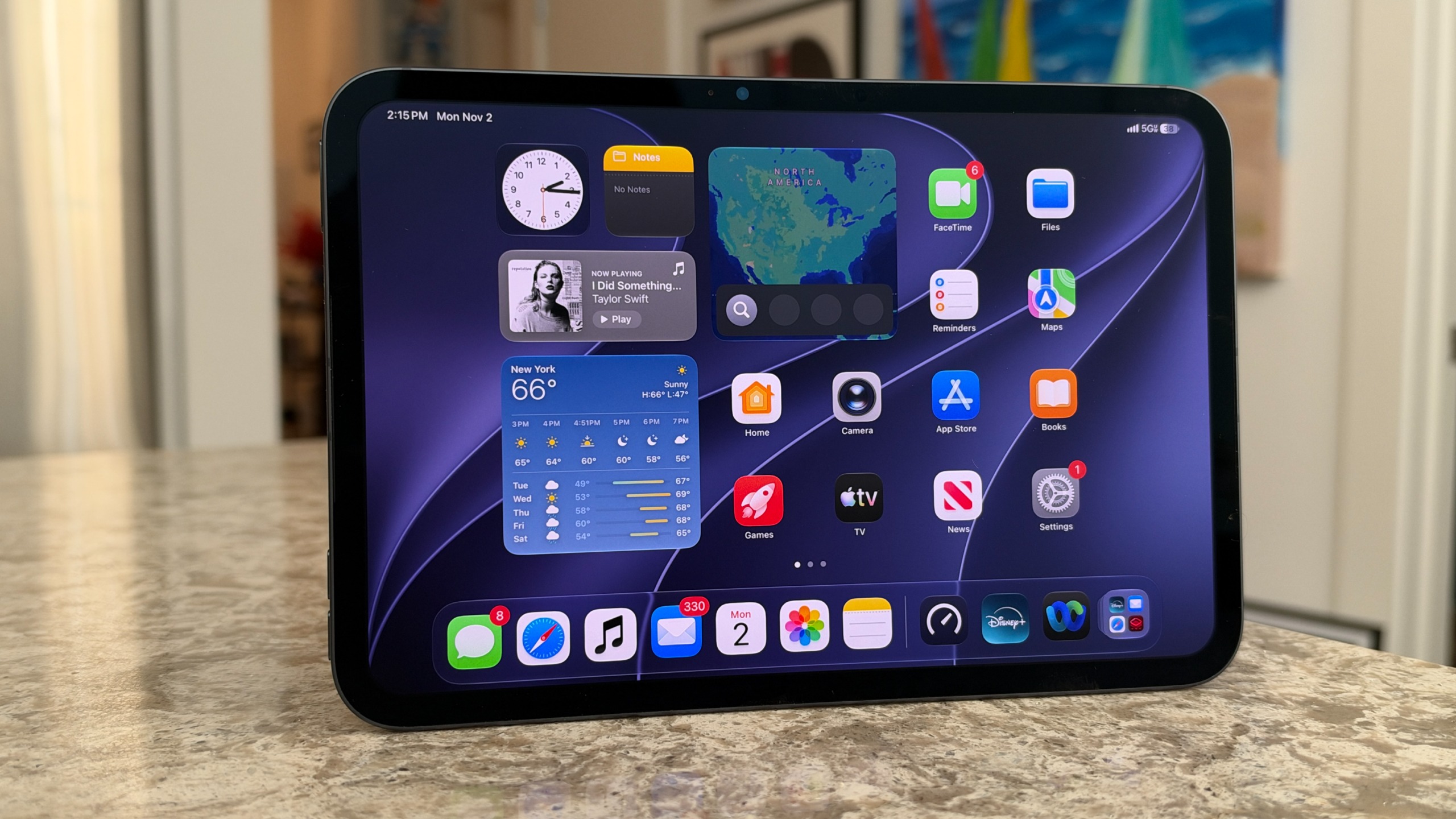
The Apple iPad mini (2026) successfully redefines the upper limits of what a compact tablet can achieve. By pairing top-tier processing silicon with an OLED display, enhanced durability, and modern connectivity standards, Apple has created a device that caters directly to enthusiasts demanding uncompromised performance in a minimal footprint.
Nevertheless, the financial investment required cannot be overlooked. With a starting price of $699 / £699 / AU$1,099—and fully configured models approaching or exceeding $1,000—the device commands a luxury price. For consumers who prioritize maximum screen real estate per dollar, standard iPad offerings remain more economical. However, for users specifically seeking an ultra-portable, highly durable, and visually stunning digital notebook and media consumption device, the 2026 iPad mini stands virtually unmatched in the current consumer technology market.