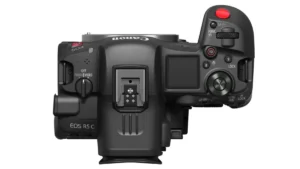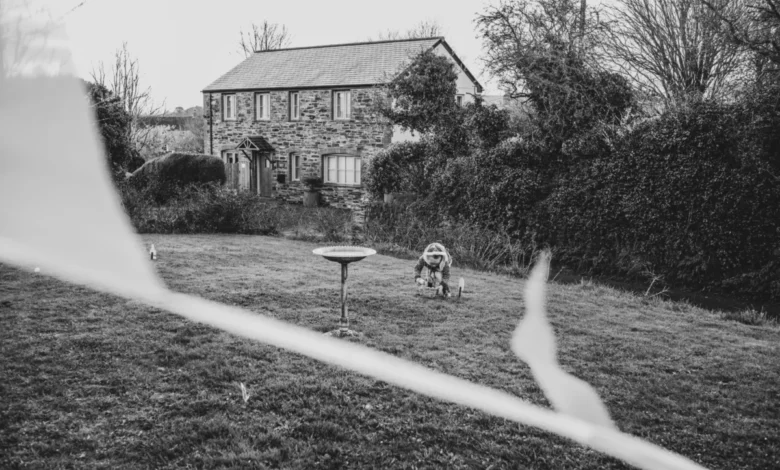
The pursuit of ever-higher megapixel counts in digital cameras has, for years, been presented as the primary metric of photographic advancement. This narrative, heavily promoted by manufacturers, has led many photographers to believe that more megapixels inherently translate to better images, greater creative freedom, and enhanced professional opportunities. However, a growing number of experienced photographers, including award-winning visual storyteller Sebastian Oakley, are challenging this paradigm, arguing that the true value of a photograph lies not in its raw pixel data, but in its ability to evoke emotion, tell a story, or preserve a meaningful moment. This shift in perspective has significant implications for how we evaluate camera technology and, more importantly, how we approach the art and craft of photography.
Oakley’s personal journey, which began with film and progressed through various digital camera generations, exemplifies this evolution. His early experiences with simple Kodak point-and-shoot cameras and later with professional SLRs like the Nikon F5, produced images that, by his own account, were published internationally without any concern for their resolution. The focus, he asserts, was on the photograph’s impact and effectiveness, not its pixel count. This foundational understanding was tested as he transitioned into the digital age, adopting cameras like the 4-megapixel Nikon D2H and eventually the 36-megapixel Nikon D800.
"The D2H might sound almost laughably modest by modern standards," Oakley reflects, "but it was an exceptional professional camera: fast, responsive and perfectly capable of producing photographs that were published internationally. Nobody looking at those images cared that they had been captured with four megapixels. The photograph either worked or it did not."
This sentiment underscores a crucial point: the effectiveness of a photograph is a holistic quality. It encompasses composition, lighting, timing, subject matter, and the photographer’s intent. While megapixels can contribute to image quality by offering greater detail and flexibility in post-production, they are merely one component in a complex equation. The allure of higher resolution, however, proved persistent. As camera technology advanced, with sensors comfortably exceeding 50, 60, and even 100 megapixels, Oakley found himself drawn into the "easy trap" of believing that larger files would elevate his work.
The Allure of High-Resolution: A Test Drive with Medium Format
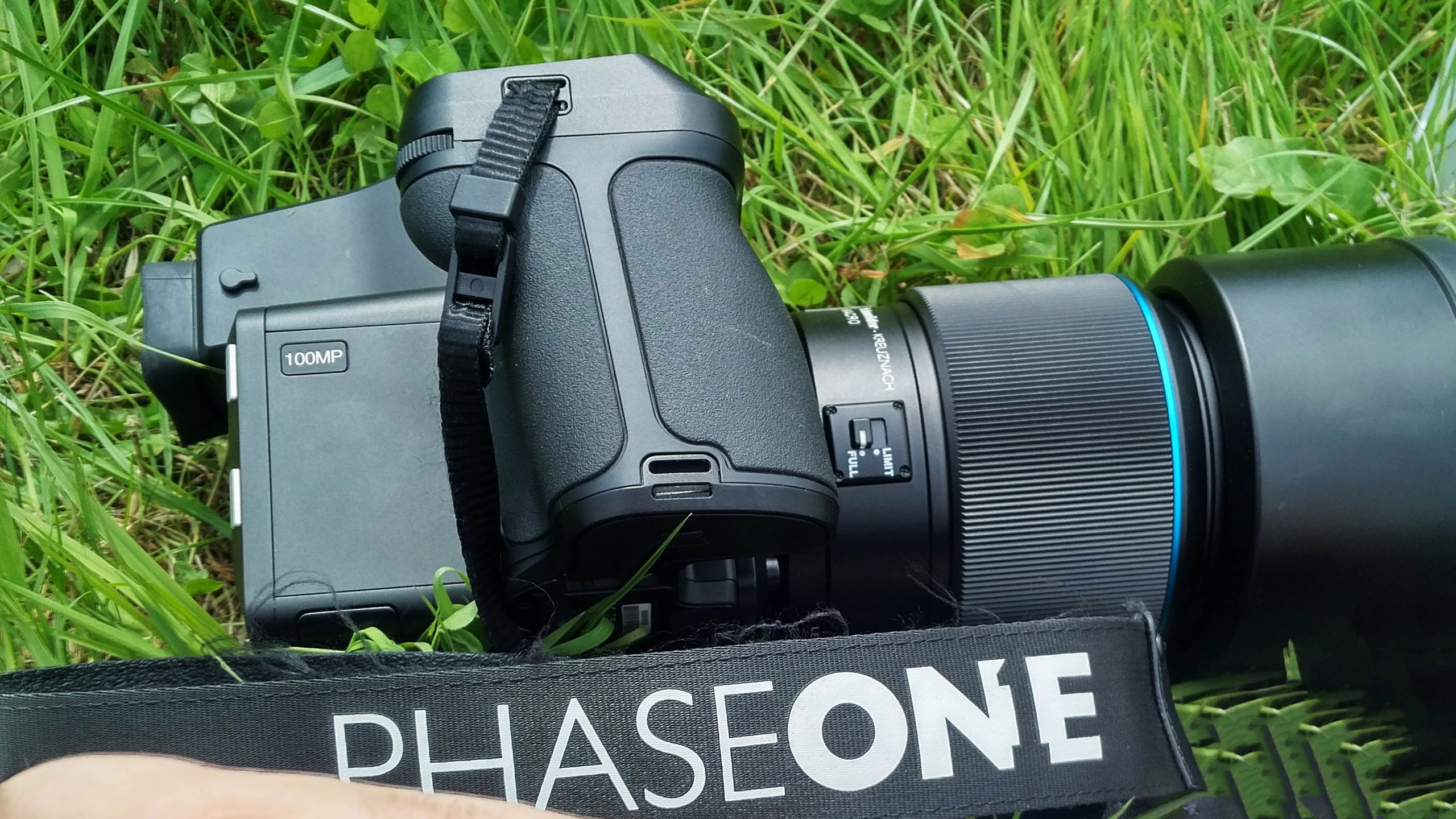
This pursuit led Oakley to explore the realm of digital medium format cameras, specifically the Hasselblad H6D-100c and the Phase One XF 100MP. These systems, renowned for their colossal sensor resolutions, promised unparalleled detail and a significant advantage for professional clients requiring extensive cropping or large-scale reproductions. Oakley even undertook an entire event coverage project across Ireland and the UK with the Phase One XF 100MP to rigorously assess its performance outside controlled studio environments.
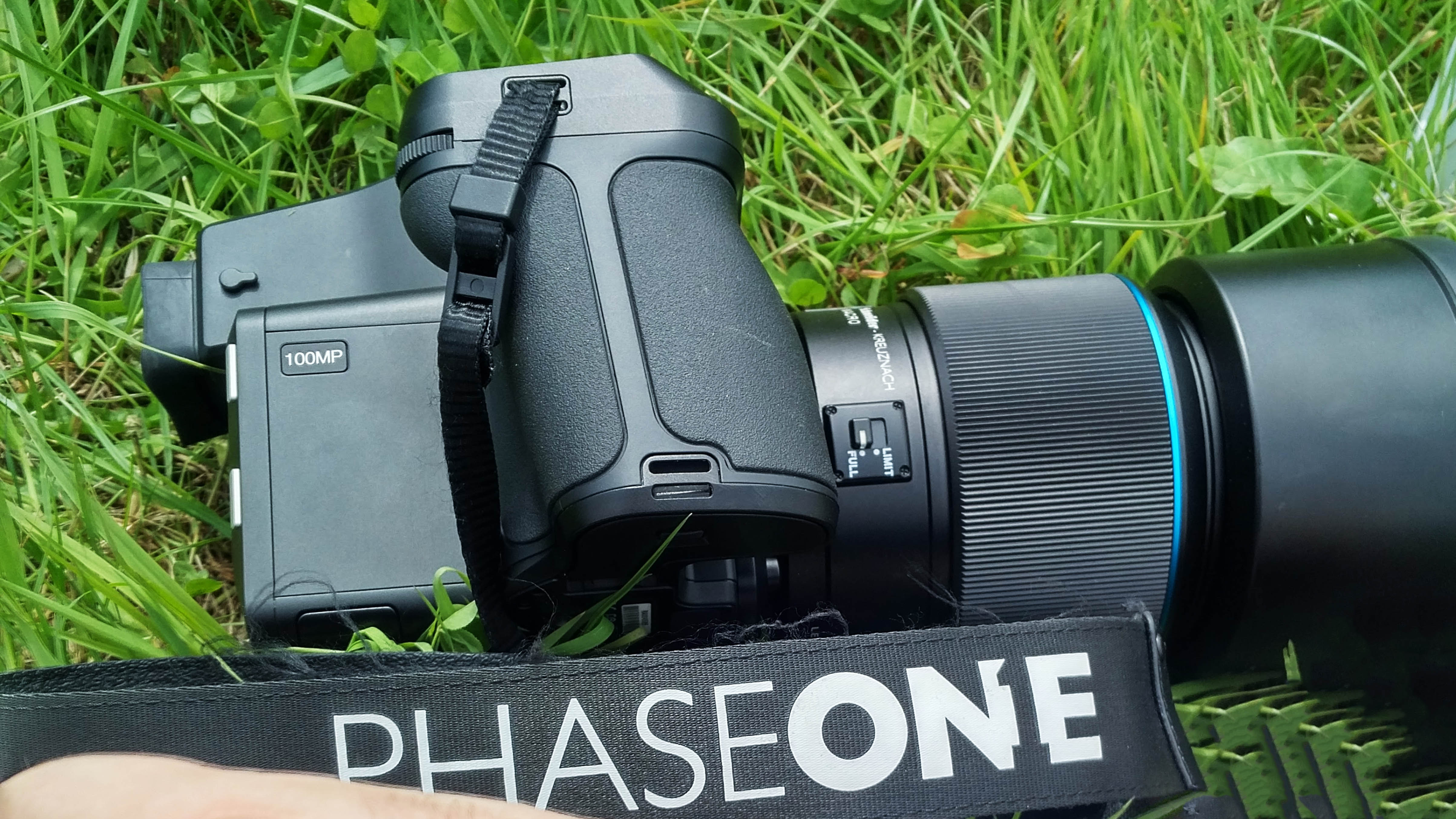
"The files were extraordinary," he recalls, "but the photographs were not automatically extraordinary because of them – and that distinction took me longer to understand than it probably should have." This experience solidified his realization that while a camera can record more detail, it cannot imbue a photograph with artistic merit. The ability to recognize a fleeting expression, anticipate a moment, or understand the subtle nuances of changing light remains firmly within the photographer’s domain.
The implications of this realization extend beyond individual photographers. The industry’s relentless focus on megapixel numbers can create a misleading perception of progress, potentially overshadowing other critical aspects of camera design and image quality, such as dynamic range, low-light performance, autofocus speed, and color science.
Shifting Focus: From Pixels to Purpose
Oakley’s epiphany arrived when he recognized that the perceived limitations were not in his equipment but in his own approach. He had allowed technical specifications to divert his attention from the core principles of photography. This realization prompted a deliberate shift in his creative process. Instead of adhering to the common practice of positioning himself among crowds of photographers aiming for identical shots, he began seeking unique vantage points and considering elements beyond the obvious subject.

"I started looking for different positions rather than standing shoulder to shoulder with ten other photographers producing almost identical frames," he explains. "I thought more carefully about timing, perspective and what was happening beyond the obvious subject." This newfound emphasis on creative vision and compositional intent led him to re-evaluate his gear choices.
The Enduring Appeal of Classic Cameras
This recalibration of priorities brought Oakley back to a lineage of cameras that prioritize user experience and photographic narrative over sheer pixel count. He found profound satisfaction in using the Leica M-E, an 18-megapixel full-frame CCD sensor camera. Despite its seemingly modest resolution by today’s standards, the M-E consistently delivered images with "wonderful character, depth and color." More importantly, it produced photographs that resonated with him on a deeper level.
"On paper, 18 megapixels might appear limited in 2026," Oakley acknowledges, "but the camera has produced images with wonderful character, depth and color. More importantly, it has produced photographs I care about, which is ultimately worth far more to me than an impressive number on a specification sheet."
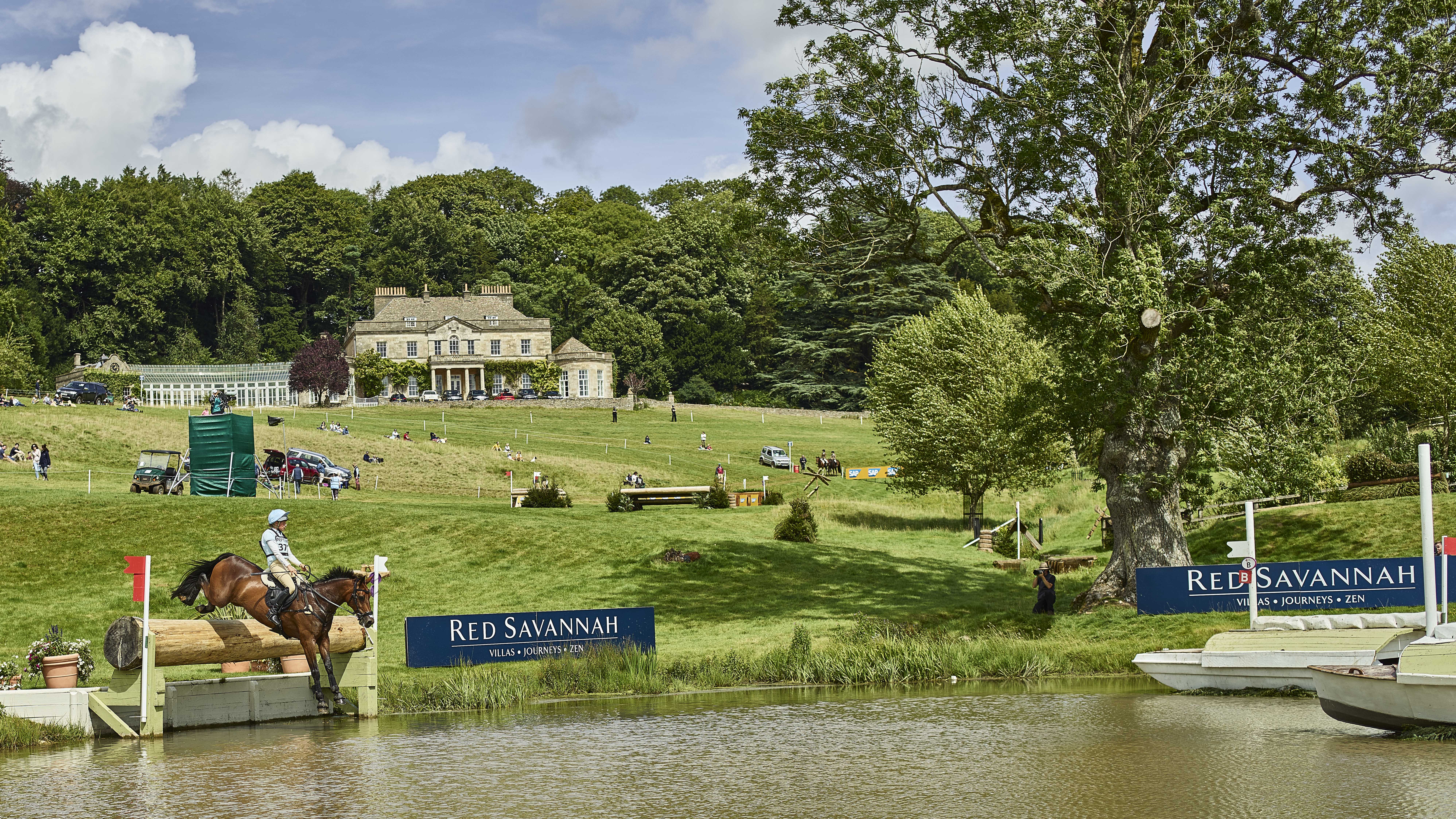
He also frequently utilizes the Leica M240, a 24-megapixel camera that, while not cutting-edge, offers a compelling balance of resolution and engaging user experience. For social media platforms like Instagram and Facebook, which heavily compress images, 24 megapixels are more than sufficient. Even significant crops from these files retain enough detail for online sharing and can produce impressive physical prints when prepared correctly.
The Nuances of Large-Format Printing
The ability to produce large, high-quality prints from seemingly lower-resolution files is often underestimated. Oakley emphasizes that successful large prints are not a matter of simply sending an original file to a printer. They require meticulous preparation, including appropriate resizing, output sharpening, soft proofing, and the selection of the correct ICC profile for the chosen printer and paper.
"When that process is handled properly," he states, "a well-exposed and carefully focused 18 or 24-megapixel image can print beautifully. Viewing distance also matters, because a large print is intended to be appreciated as a complete image rather than examined from a few centimetres away with a magnifying glass." This highlights that the technical skill in post-processing and printing can significantly enhance the perceived quality and impact of an image, often compensating for a lower native resolution.
The Future of Photography: Beyond the Megapixel Race
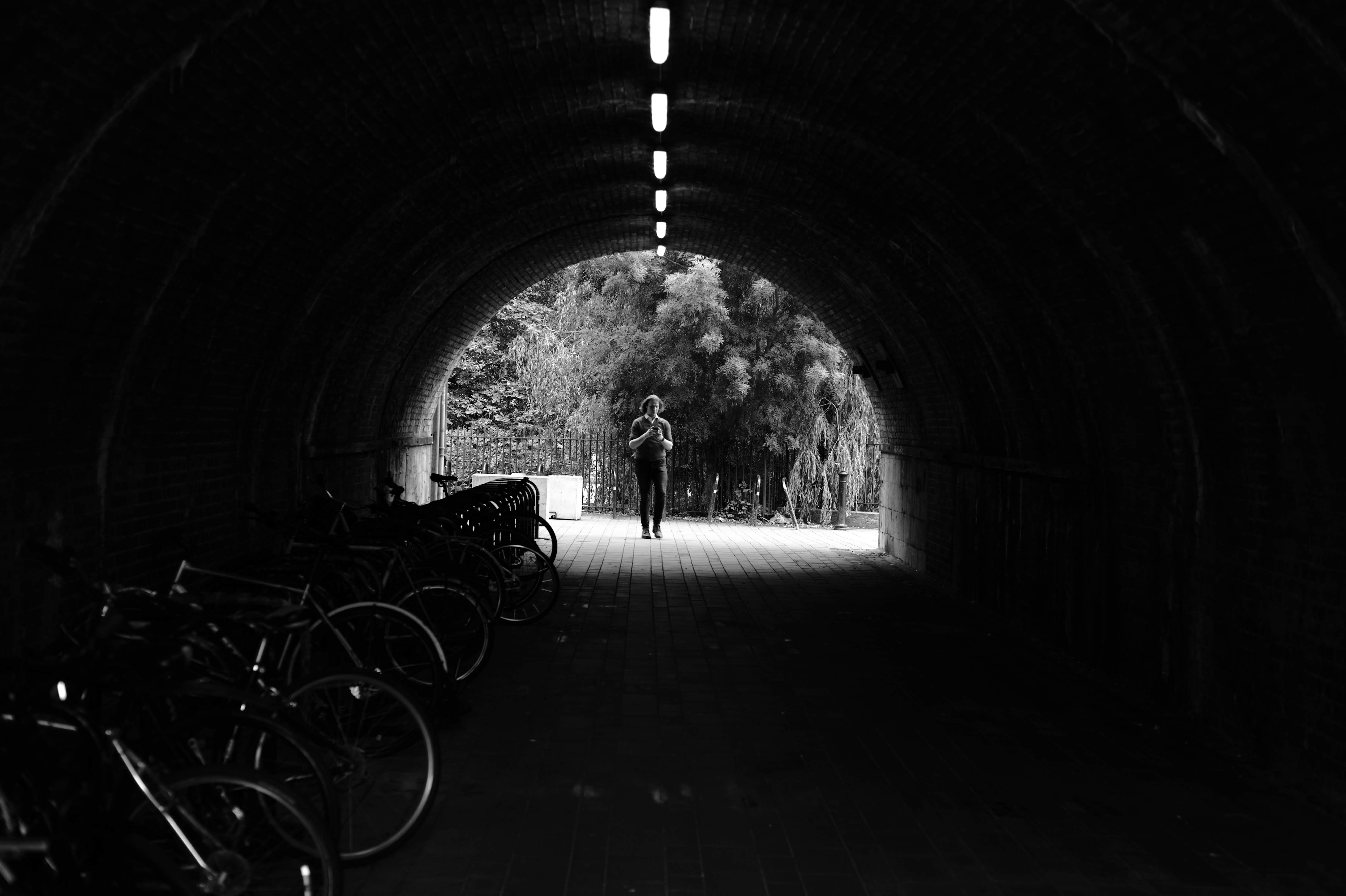
While acknowledging that high-resolution cameras have legitimate applications, particularly in commercial, architectural, landscape, and studio photography where extensive cropping or massive reproductions are required, Oakley maintains that these scenarios are not the norm for most photographers. The majority are engaged in sharing images online, creating books, making moderately sized prints, or documenting personal experiences. For these purposes, older or lower-resolution cameras can be exceptionally capable.
The core of Oakley’s argument rests on the intrinsic value of a photograph. A photograph gains meaning through the moment it captures, the narrative it conveys, or the memories it evokes, not merely by the number of pixels it contains. This perspective encourages a re-evaluation of the equipment we choose. Instead of prioritizing the latest high-resolution model solely based on its specifications, photographers are increasingly seeking tools that inspire them to go out and create, that foster a more direct and engaging photographic process.
"I would rather use a camera that encourages me to go out and photograph than own the latest high-resolution model simply because its specification sheet is more impressive," Oakley concludes. The Leica M240, for instance, offers him a direct, uncomplicated, and involving experience, providing ample resolution for his needs.
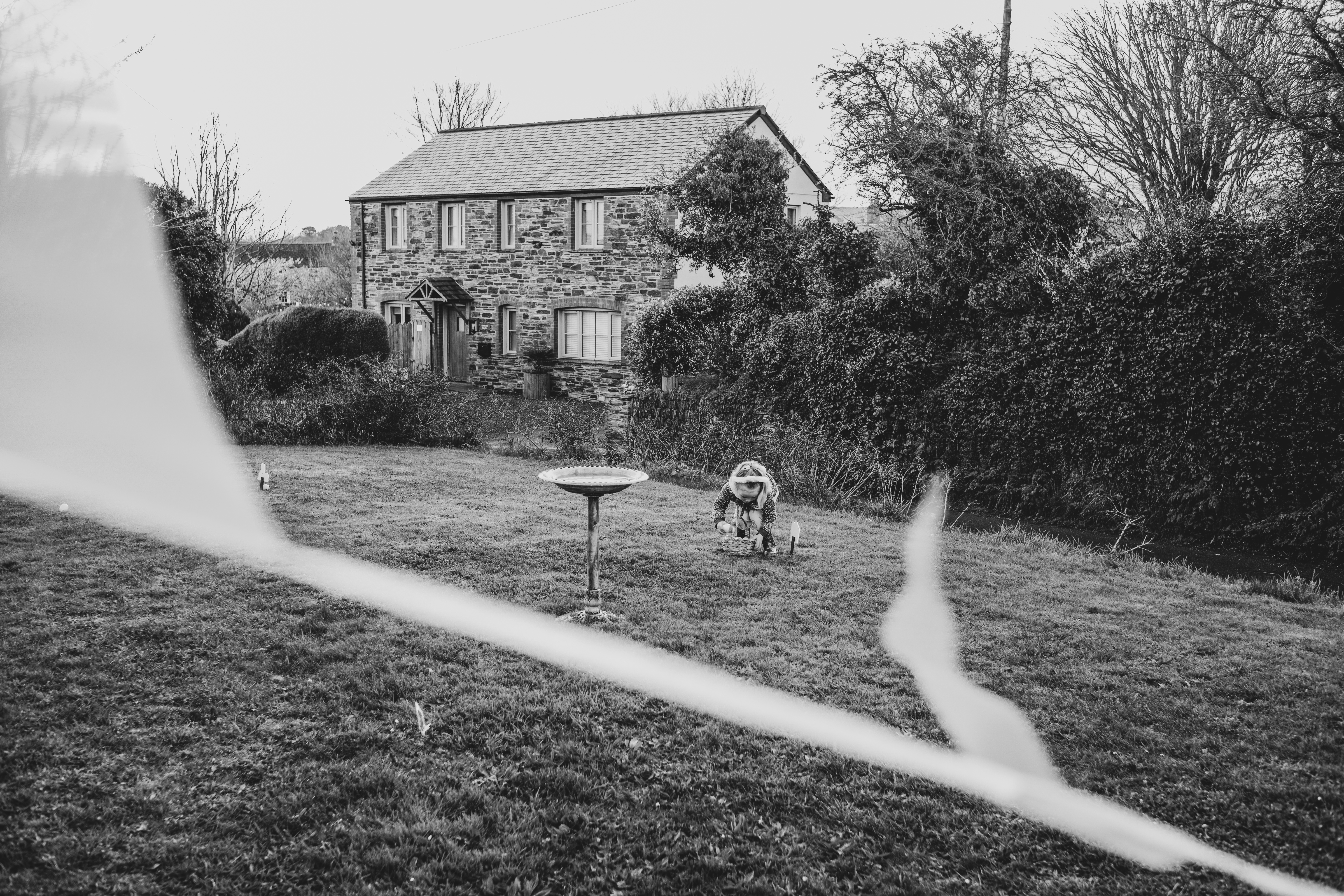
Ultimately, the debate over megapixels serves as a broader commentary on the industry’s marketing strategies and the potential for technological advancements to overshadow artistic intent. While high-resolution cameras offer undeniable benefits in specific professional contexts, the enduring power of a photograph often lies in its emotional resonance and storytelling capacity, qualities that transcend the limitations of sensor resolution. As photographers like Sebastian Oakley advocate for a more holistic approach, the industry may see a continued appreciation for cameras that prioritize the photographic experience and the creation of meaningful images over the mere accumulation of pixels. The true measure of a camera, it seems, is not in how many megapixels it boasts, but in how many compelling photographs it helps its user create.