Bentley Employs Full Orchestra to Compose Bentley Dynamic Symphony for Upcoming Torcal Electric SUV to Replicate Soul of V8 Engines

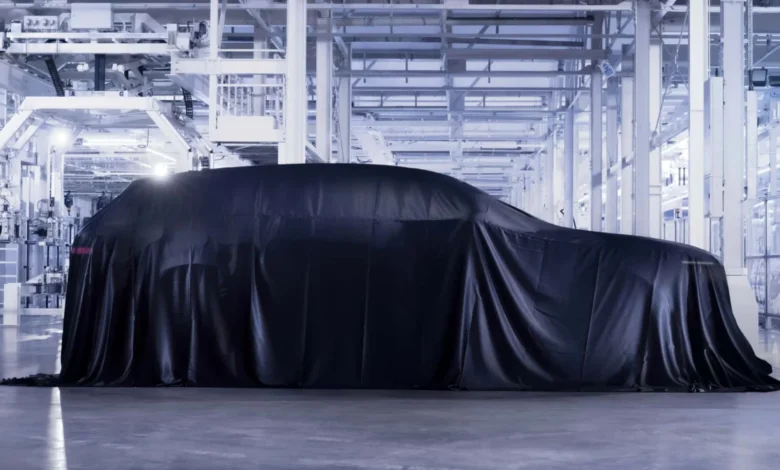
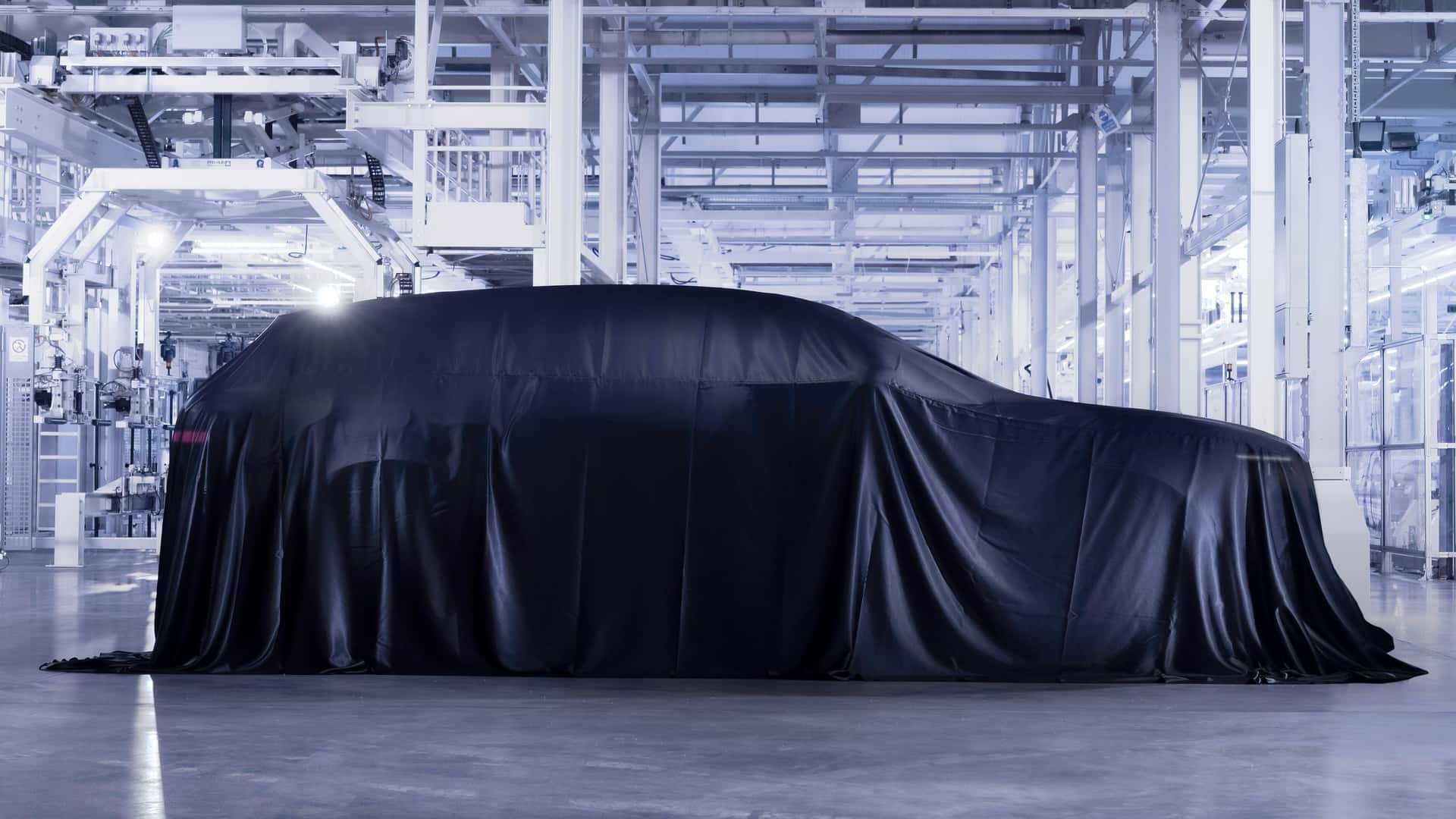
The transition from internal combustion engines to electric powertrains presents a unique psychological and sensory challenge for the luxury automotive sector, particularly for brands defined by the visceral experience of their powerplants. Bentley Motors, a cornerstone of British luxury and performance, is addressing this "character deficit" through an unprecedented creative endeavor. As the company prepares for the launch of its first fully electric vehicle, the Torcal SUV, it has commissioned a full orchestra to record a bespoke powertrain soundtrack titled the "Bentley Dynamic Symphony." This initiative aims to bridge the emotional gap between the silent operation of electric motors and the storied, rhythmic roar of the brand’s historic V8 and W12 engines.
The move comes at a critical juncture for the Crewe-based manufacturer. The Bentley Bentayga currently stands as the brand’s most successful model, accounting for nearly 40% of its global sales. Consequently, its electric counterpart, the Torcal, carries the weight of maintaining this commercial momentum. To ensure the vehicle retains the "Bentley-ness" that customers expect, the company has eschewed traditional digital synthesis in favor of a human-centric, organic approach to sound design. By utilizing live musicians rather than purely algorithmic soundscapes, Bentley seeks to replicate the subtle imperfections and complex rhythms that define the auditory appeal of a high-performance combustion engine.
The Science of Sound: Rhythm Over Frequency
For decades, the automotive industry has understood that the appeal of a performance car is not merely a matter of decibels, but of character. As electric vehicles (EVs) have become more prevalent, the absence of engine noise has been identified as a significant hurdle for enthusiast adoption. While some manufacturers have opted for "sci-fi" hums or direct digital recordings of existing engines, Bentley’s engineering team embarked on a deeper acoustic analysis to determine exactly why humans find combustion engines so compelling.
During the development of the Bentley Dynamic Symphony, the engineering team recorded several of the brand’s most iconic engines in controlled studio environments. Using high-fidelity parabolic microphones, they analyzed the waveforms of these powerplants, ranging from the legendary 6¾-litre V8 to the supercharged "Blower" units of the 1930s. The findings were revelatory: the primary driver of emotional engagement was not the mechanical tone itself, but the rhythm.
The analysis revealed that a combustion engine is inherently "human" in its delivery. Because it is a mechanical system with thousands of moving parts, an engine does not produce a perfectly uniform sound. There are micro-fluctuations in timing, subtle variations in pressure, and a cadence that mimics the "pocket" of a professional drummer. This realization led Bentley to the conclusion that a full orchestra, comprised of human performers, was the only medium capable of replicating the "living" quality of a V8 engine.
Composition and Instrumentation of the Dynamic Symphony
The Bentley Dynamic Symphony is not a static piece of music but a reactive audio environment. To build this soundtrack, the composers focused on specific instruments that could mirror the mechanical functions of an internal combustion engine. Percussion, particularly drums, served as the foundation of the project. The rhythmic strike of a drumhead was found to be the closest acoustic parallel to the combustion cycle within a cylinder, providing the "pulse" that drivers feel through the chassis.
Beyond the rhythm section, the orchestra utilized bass guitars and violas to provide the low-mid frequency "growl" associated with high-displacement engines. The goal was not to create a literal imitation of a V8—which often sounds artificial when played through speakers—but to evoke the same emotional response. The soundtrack is designed to be highly responsive; as the driver applies more pressure to the throttle of the Torcal SUV, the orchestral arrangement shifts in intensity, tempo, and timbre. This ensures that the auditory feedback remains synchronized with the physical sensations of acceleration and deceleration, providing a coherent sensory experience that mimics the mechanical link of a traditional drivetrain.
Historical Benchmarks and Heritage Preservation
Bentley’s decision to use an orchestra is deeply rooted in its desire to pay homage to its century-long history of engineering. Two specific benchmarks were used during the composition process:
- The 6¾-Litre V8: Often referred to as the L-Series, this engine was in continuous production in various forms for over 60 years. It defined the "wave of torque" characteristic that Bentley owners prize. The "Bentley Dynamic Symphony" seeks to replicate the effortless, low-frequency hum and steady cadence of this legendary powerplant.
- The Supercharged 1930s "Blower": Known for its distinct, high-pitched whine and aggressive mechanical clatter, the Blower Bentley represented the brand’s racing pedigree. Elements of this urgent, mechanical urgency were integrated into the orchestral score to provide a sense of "performance" during high-speed maneuvers.
By grounding the Torcal’s sound in these historical references, Bentley is attempting to maintain a thread of continuity between its past and its electric future. This approach contrasts sharply with other luxury manufacturers who have sought to redefine the "sound of luxury" as absolute silence or futuristic digital tones.
Comparative Context: The Industry’s Search for EV Soul
Bentley is not the first manufacturer to grapple with the silence of electric motors, but its methodology is among the most expensive and labor-intensive to date. The industry has seen various approaches to this problem:
- BMW: The German automaker famously collaborated with Academy Award-winning composer Hans Zimmer to create the "IconicSounds Electric" for its i-series models. Zimmer’s approach was more cinematic and "ethereal," aiming to create a new sonic language for the electric era.
- Hyundai: With the Ioniq 5 N, Hyundai took a literal approach, using "N Active Sound+" to mimic the sound of a turbocharged four-cylinder engine and an eight-speed dual-clutch transmission, complete with simulated gear shifts.
- Dodge: The American muscle car brand developed the "Fratzonic Chamber Exhaust" for its Charger Daytona EV, which uses a literal exhaust pipe and transducer system to pump out a 126-decibel roar that rivals a Hellcat V8.
Bentley’s orchestral approach sits between these extremes. It avoids the literalism of a fake engine recording while shunning the "spaceship" aesthetic of digital synthesis. By using an orchestra, Bentley positions the Torcal as a "performance" in the artistic sense, emphasizing the craftsmanship and human touch that define the brand’s ultra-luxury status.
Market Implications and the Beyond100 Strategy
The development of the Bentley Dynamic Symphony is a key component of the company’s "Beyond100" strategy. Initially, Bentley had set an ambitious goal to become a purely electric brand by 2030. However, like many luxury marques, it has recently adjusted its timeline due to shifting market demands and the complexities of the global EV transition. The current roadmap suggests a more gradual integration of plug-in hybrids (PHEVs) alongside the new EV lineup, with the Torcal SUV serving as the flagship for this new era.
The success of the Torcal is vital for Bentley’s financial health. In 2023, Bentley delivered 13,560 cars globally. While this was a slight decrease from previous record-breaking years, the profit per vehicle remained high due to the brand’s "Mulliner" bespoke program. Bentley understands that its clientele is not just buying a mode of transportation, but a sensory experience. If the Torcal feels "sterile" or "soulless" compared to a Bentayga, the brand risks alienating its core demographic of high-net-worth individuals who value heritage and emotion.
Technical Implementation and Psychoacoustics
The delivery of the "Bentley Dynamic Symphony" within the Torcal SUV requires sophisticated hardware. Standard car audio systems are often optimized for music playback, not for the spatial and dynamic requirements of powertrain emulation. Bentley is expected to utilize advanced parabolic speaker arrays and vibration transducers (shakers) integrated into the vehicle’s seats and floorboards.
This allows the sound to be "felt" as much as it is heard, addressing the psychoacoustic need for haptic feedback. When a driver accelerates, the low-frequency vibrations of the bass guitars and drums will be transmitted through the cabin, mimicking the physical "thrum" of a V8. This multi-sensory approach is designed to trick the brain into perceiving a level of mechanical engagement that a silent electric motor cannot provide on its own.
Conclusion: A New Chapter in Luxury Acoustics
The Bentley Torcal SUV represents a pivotal moment for the British automaker. By hiring a full orchestra to compose its "Dynamic Symphony," Bentley is making a definitive statement about the future of luxury: that technology should not come at the expense of humanity. While the transition to electrification is inevitable for the sake of sustainability and performance, the "soul" of the machine remains a priority for the Crewe engineering team.
As the Torcal nears its market debut, the automotive world will be watching to see if a symphony can truly replace the roar of a V8. If successful, Bentley may have found the blueprint for preserving the emotional core of performance driving in a post-combustion world. The project serves as a reminder that even in an age of software-defined vehicles and silent motors, the human ear still craves the rhythm, imperfection, and drama of a live performance.