Garmin Unveils CIRQA Smart Band, Its First Screen-Free Fitness Tracker

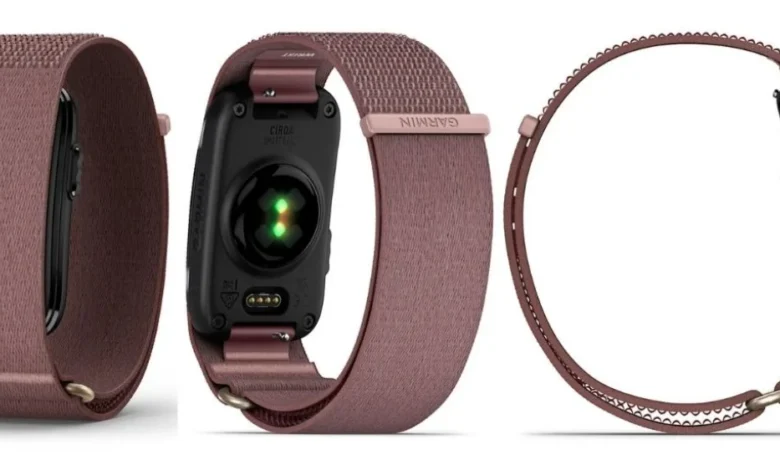
Garmin, a global leader in GPS technology and connected devices, has officially announced the launch of its innovative CIRQA Smart Band, marking the company’s inaugural foray into the screen-free fitness tracker market. This new offering distinguishes itself from many contemporary alternatives by providing access to its full suite of advanced fitness and wellness features without requiring an ongoing subscription, a significant departure from the prevalent industry trend. The CIRQA Smart Band represents a strategic expansion of Garmin’s extensive wearable portfolio, targeting consumers who prioritize discreet, continuous health monitoring without the visual distractions or recurring costs associated with subscription-based models.
Core Features and Design Philosophy
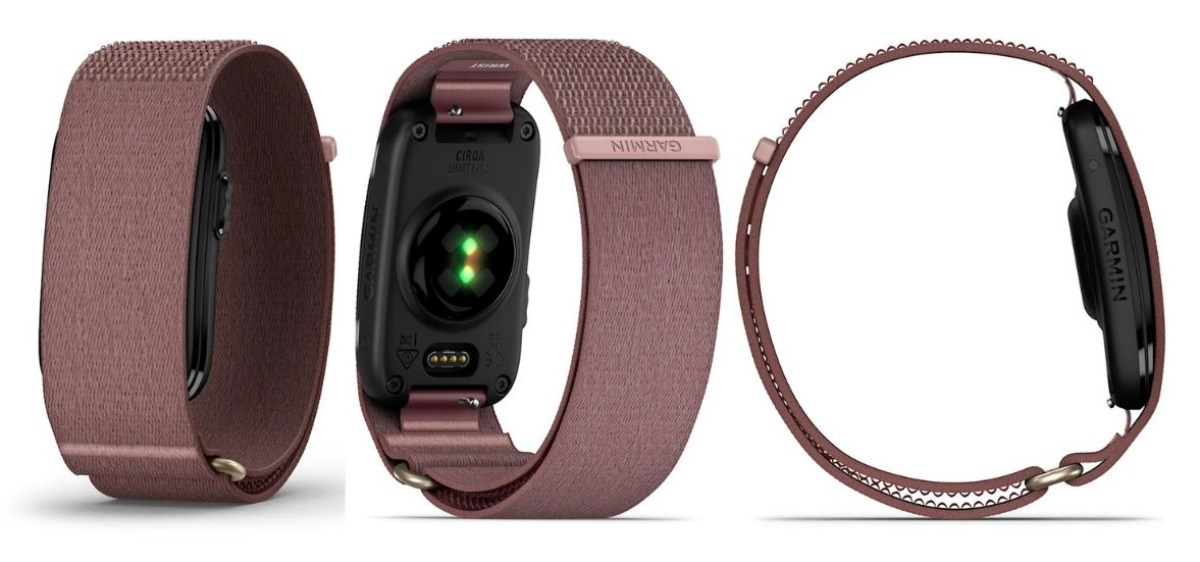
At the heart of the CIRQA Smart Band’s appeal is its commitment to prolonged utility and comprehensive data collection. Garmin asserts that the device can deliver an impressive battery life of up to 10 days on a single charge, even when performing continuous 24/7 health monitoring. This endurance is a critical factor for users seeking uninterrupted insights into their physiological state. The design emphasizes durability and comfort, featuring a fiber-reinforced polymer case that houses the sophisticated sensor array. This robust construction is paired with a versatile fabric strap, allowing the CIRQA to be comfortably worn around either the wrist or the arm, catering to individual preference and various activity types. Weighing a mere 14.8 grams, the module is exceptionally lightweight, ensuring it remains unobtrusive during daily wear and strenuous activities. Furthermore, its 5ATM water resistance rating signifies its capability to withstand pressures equivalent to a depth of 50 meters, making it suitable for swimming, showering, and other water-based activities.
The CIRQA Smart Band is engineered to track an extensive array of physical activities, supporting approximately 80 different modes, including popular exercises such as running, walking, and swimming, alongside a multitude of other sports and workouts. A discreet side button integrated into the module enhances user interaction, allowing for quick assignment and initiation of specific activities, streamlining the tracking process. Beyond activity monitoring, the device excels in comprehensive health and wellness metrics. It continuously tracks sleep patterns, providing detailed insights into sleep stages and quality. Key physiological indicators include VO2 max, a crucial measure of cardiovascular fitness; Heart Rate Variability (HRV) Status, which offers insights into stress levels and recovery; Pulse Oxygen (SpO2) for blood oxygen saturation monitoring, vital for understanding respiratory health and sleep quality; stress levels; and skin temperature. All collected data is seamlessly synchronized and made accessible through the intuitive Garmin Connect app, a central hub for users to review their progress, analyze trends, and gain actionable insights into their overall well-being. The inclusion of Body Battery energy monitoring further empowers users to manage their energy reserves throughout the day, providing a holistic view of their physical readiness and recovery needs.
Pricing, Availability, and Market Positioning
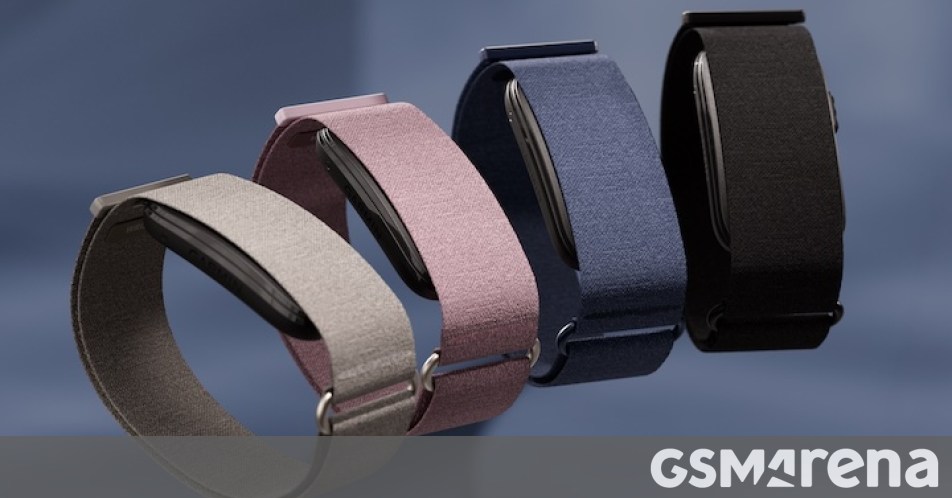
The Garmin CIRQA Smart Band is priced at $199.99, positioning it competitively within the premium segment of minimalist fitness trackers. It is currently available for purchase through Garmin’s official channels and select retailers. To cater to diverse aesthetic preferences, the smart band is offered with a wide selection of fabric strap colors, including Black, Citron Gray, Captain Blue, Dark Olive, French Gray, French Blue, and Mauve, allowing users to personalize their device to match their style. This broad palette underscores Garmin’s attention to design as much as functionality, acknowledging that wearables are increasingly seen as fashion accessories as well as health tools.
Garmin’s Strategic Move: A Deeper Dive into Market Context
Garmin’s introduction of the CIRQA Smart Band is not merely a product launch but a strategic move within the highly competitive and evolving wearable technology market. For decades, Garmin has been synonymous with precision GPS technology, initially dominating the navigation sector before successfully pivoting and expanding into sports and fitness wearables. The company’s heritage is built on robust, reliable devices catering to outdoor enthusiasts, athletes, and professionals who demand accuracy and durability. Products like the Fenix and Forerunner series smartwatches have garnered a loyal following due to their advanced metrics, long battery life, and rugged construction.
The decision to launch a screen-free tracker, however, signals Garmin’s recognition of a growing niche within the broader health and fitness segment. While many users appreciate the rich data and interactive displays of smartwatches, a significant subset seeks a more discreet, less intrusive form of health monitoring. This demographic often includes individuals who prefer to disconnect from screens, want a device that blends seamlessly into their daily attire, or find traditional smartwatches too bulky or distracting.
The Rise of Screen-Free Wearables and the Subscription Model Debate
The market for screen-free health trackers has seen significant growth in recent years, spearheaded by innovations from companies like Oura and Whoop. These brands have popularized the concept of unobtrusive, continuous biometric data collection, often presented through sophisticated mobile applications. A common thread among many of these advanced screen-free trackers is their reliance on a subscription model, where users pay a recurring fee to access in-depth analytics, personalized coaching, and historical data trends. This model, while lucrative for companies, can be a barrier for consumers who prefer a one-time purchase without ongoing financial commitments.
Garmin’s decision to offer the CIRQA Smart Band with all its advanced features accessible without a subscription directly challenges this prevailing industry paradigm. This move could resonate strongly with consumers who are wary of subscription fatigue or who perceive greater value in an upfront purchase that unlocks lifetime access to core functionalities. It positions Garmin as a consumer-friendly alternative, emphasizing long-term ownership and value proposition. This strategy leverages Garmin’s established brand reputation for delivering comprehensive data and analytics through its robust Garmin Connect ecosystem, which has traditionally been free to use for its device owners.
Technological Underpinnings and Health Metric Importance
The CIRQA Smart Band’s ability to provide extensive health tracking in a compact, screen-free form factor with exceptional battery life is a testament to advancements in sensor technology and power management. Modern optical heart rate sensors, accelerometers, gyroscopes, and temperature sensors have become increasingly miniaturized and energy-efficient, allowing for continuous data collection without rapidly draining power. The sophistication lies not just in the hardware but also in Garmin’s proprietary algorithms that process raw sensor data into meaningful health insights.
Each health metric tracked by the CIRQA offers valuable insights:
- VO2 Max: This metric estimates the maximum amount of oxygen an individual can utilize during intense exercise. It is a gold standard for aerobic fitness and a strong predictor of overall cardiovascular health and longevity.
- HRV Status: Heart Rate Variability (HRV) is the variation in time between heartbeats. A higher HRV generally indicates a well-regulated nervous system, better recovery from stress, and good overall health. Low HRV can signal overtraining, illness, or high stress.
- Pulse Oxygen (SpO2): Monitoring blood oxygen saturation is crucial for detecting potential respiratory issues, especially during sleep. Low SpO2 can indicate conditions like sleep apnea or respiratory distress. It’s also vital for individuals at high altitudes.
- Stress Tracking: By analyzing HRV and heart rate patterns, the device can estimate physiological stress levels, helping users identify stressors and manage their daily energy.
- Skin Temperature: While not explicitly detailed, skin temperature monitoring can provide early indications of illness, track menstrual cycles, and offer additional context for sleep quality.
- Body Battery Energy Monitoring: This proprietary Garmin metric combines HRV, stress, sleep, and activity data to estimate a user’s energy reserves. It helps individuals understand when they are ready for a challenging workout or when they need to prioritize rest and recovery.
The aggregation and presentation of these complex data points within the Garmin Connect app allow users to move beyond raw numbers and gain actionable intelligence about their bodies. The app’s interface is designed to be intuitive, presenting trends, personalized insights, and recommendations to optimize health and performance.
Broader Impact and Implications for the Wearables Market
Garmin’s entry into the screen-free, no-subscription segment with the CIRQA Smart Band carries several significant implications for the broader wearables market:
- Increased Competition for Subscription-Based Models: The CIRQA directly challenges companies that rely on subscriptions for their advanced features. This could force competitors to re-evaluate their pricing strategies or enhance their free offerings to remain competitive, ultimately benefiting consumers.
- Validation of the Discreet Wearable Trend: Garmin, as a major player, validating the screen-free form factor lends significant credibility to this category. It signals that there is a substantial market demand for unobtrusive health monitoring.
- Expansion of Garmin’s Market Reach: The CIRQA allows Garmin to tap into a new segment of consumers who might have previously overlooked their products due to the screen-centric nature of most smartwatches or the perceived complexity. This includes minimalist users, those seeking secondary trackers, or individuals primarily focused on health data rather than smart notifications.
- Focus on Core Health Data: By eliminating the screen, the CIRQA places an unadulterated emphasis on the collection and interpretation of health data. This reinforces the idea that the true value of a fitness tracker lies in its ability to provide accurate and actionable insights, rather than just displaying information.
- Innovation in Battery Life: The stated 10-day battery life for continuous monitoring sets a high bar, pushing other manufacturers to improve power efficiency in their devices, especially for those with displays.
- Consumer Choice and Value: For consumers, the CIRQA represents a compelling option that offers advanced health tracking at a competitive price point, without the long-term financial commitment of a subscription. This empowers users with more choice in how they manage their health technology investments.
In conclusion, the Garmin CIRQA Smart Band is more than just a new product; it is a statement from a seasoned industry leader. By combining Garmin’s renowned accuracy and robust data ecosystem with a screen-free, no-subscription model, the CIRQA is poised to carve out a significant space in the evolving landscape of health and fitness wearables, offering a compelling proposition for those seeking comprehensive health insights with unparalleled discretion and long-term value.