Apple Introduces the iPhone Duo Alongside the iPhone 18 Pro and iPhone 18 Pro Max


Apple has officially unveiled its most significant hardware pivot in over a decade, introducing the iPhone Duo, the company’s inaugural foray into the folding smartphone market. This radical design shift arrives as the centerpiece of a new mobile lineup that also includes the traditional, high-performance iPhone 18 Pro and iPhone 18 Pro Max. While the tech industry has spent the last several years watching competitors like Samsung and Google experiment with flexible display technology, Apple’s entry marks a strategic evolution in its product ecosystem.
The launch, which omits a standard "base" model for the time being, signals a divergence in Apple’s hardware philosophy. Industry analysts suggest that the absence of a entry-level iPhone 18 at this launch event points toward a segmented release schedule, with rumors mounting regarding an iPhone 18e and a second-generation iPhone Air expected to debut in the spring of 2027.
A Chronology of the 2027 Hardware Rollout
The release schedule for the new devices is staggered to manage supply chain logistics and market demand. For the flagship Pro models, preorders are slated to commence on September 12, with the devices reaching consumers on September 18. The iPhone Duo, representing a more complex manufacturing process, follows a separate timeline: preorders open on October 16, followed by a general retail release on October 23.

This staggered rollout reflects the complexities associated with producing foldable handsets, which require specialized hinge mechanisms and durable, flexible display materials. Apple has deliberately opted for a patient entry into this category, allowing the company to observe the market maturation of early foldable devices from rival manufacturers.
Technical Specifications and Shared Architecture
Across all three new models, the internal architecture is unified by the A20 Pro chipset. This silicon represents a substantial leap in mobile computing, offering approximately 20 percent higher raw processing speeds and a 30 percent increase in power efficiency compared to the previous A17 Pro iteration. Furthermore, the A20 Pro includes an upgraded neural engine specifically tuned for on-device artificial intelligence, supported by a revamped thermal management system. This system incorporates a larger vapor chamber designed to dissipate heat during intense workloads, such as real-time 4K video rendering or high-fidelity gaming.
All models utilize Super Retina XDR OLED panels featuring ProMotion technology, which enables an adaptive refresh rate ranging from 1 Hz to 120 Hz. This dynamic range is critical for maintaining the device’s always-on display functionality without compromising battery longevity. While the screens are protected by the latest iteration of Ceramic Shield 2—which maintains superior scratch resistance and anti-reflective properties—the iPhone Duo distinguishes itself with a custom nano-texture finish on its interior display, aimed at minimizing light glare and mitigating the appearance of the central crease.
Standard features across the entire 18-series include IP68 water and dust resistance, support for Qi2 magnetic wireless charging, USB-C 3.2 connectivity, Wi-Fi 7, Bluetooth 6, and Thread networking capabilities. Every device in this generation is equipped with advanced satellite-based emergency features and crash detection, alongside deep integration with Apple Intelligence and the newly refined Siri AI.

The iPhone Duo: Design and Functional Strategy
The iPhone Duo represents a significant departure from standard smartphone form factors, opting for a passport-style hinge design rather than the more common "book" or "flip" orientations seen elsewhere. When folded, the device features a 5.4-inch outer display; upon unfolding, it reveals a expansive 7.6-inch panel.
The engineering focus for the Duo has been on structural integrity. The device features a titanium chassis and a precision-engineered hinge system that utilizes magnetic guidance to ensure a secure, flush closure. Despite these advancements, the device remains heavier than its peers, weighing in at 254 grams.
From a user experience perspective, Apple has optimized iOS for the Duo’s unique footprint. The interface utilizes a vertical, side-stacked control layout to maximize screen real estate, facilitating intuitive multitasking and split-screen functionality. A notable feature is the integration of "StandBy" support, which allows the outer screen to function as a bedside alarm clock while the device is propped open, while the inner display provides ambient light pulses for wake-up sequences.
To prioritize internal space for its high-capacity battery—which is the largest ever installed in an iPhone—Apple has omitted the dedicated telephoto lens, opting instead for a dual-camera system consisting of a 48-megapixel primary sensor and a 48-megapixel ultra-wide lens. Face ID has also been moved, with biometric authentication now handled by a Touch ID sensor integrated into the power button.

The Professional Tier: iPhone 18 Pro and Pro Max
For those who prefer the traditional slab form factor, the iPhone 18 Pro and Pro Max offer iterative yet substantial improvements. The Pro model features a 6.3-inch display with a refined, smaller Dynamic Island capable of surfacing three concurrent Live Activities notifications.
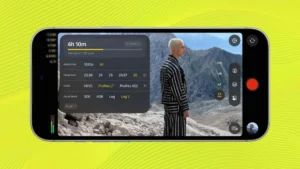
The primary technological advancement in the Pro lineup is the introduction of a variable aperture system for the main camera. By allowing the physical lens opening to adjust, the camera can simulate the behavior of the human eye. A wider aperture allows for superior low-light performance and a natural bokeh effect, while a smaller aperture provides greater depth of field for expansive landscape photography. This system is supported by comprehensive manual controls, allowing photographers to adjust shutter speed, white balance, and focus with granular precision.
The iPhone 18 Pro Max, boasting a 6.9-inch display, remains the performance leader in terms of battery endurance. With an estimated 43 hours of video playback, it represents a 16 percent increase in battery efficiency over the previous generation. Both Pro models are designed to meet the rigorous demands of professional content creators, supporting high-bitrate video capture at 4K resolution and 120 frames per second.
Market Implications and Economic Considerations
Apple’s decision to increase the pricing of the Pro series by $100 compared to the iPhone 17 Pro series underscores rising manufacturing costs, particularly concerning advanced silicon and camera components. The premium positioning of the iPhone Duo, which starts at $1,999, positions it as a niche device for enthusiasts and power users rather than a mass-market replacement.

Financial analysts note that Apple continues to leverage its ecosystem to incentivize adoption. The bundling of three months of Apple One services—covering music, television, gaming, news, and cloud storage—serves to deepen user commitment to the platform. However, the company’s financing programs, including the Apple Upgrade Program, are receiving increased scrutiny. With monthly payments starting at $35 for the entry-level Pro, the total cost of ownership over two years, when combined with mandatory AppleCare+ coverage, represents a significant long-term financial commitment for the consumer.
Sustainability and the Case for Maintenance
In a climate of increasing consumer awareness regarding electronic waste, Apple has placed a renewed emphasis on the longevity of its older devices. The company continues to provide software support for legacy handsets as far back as the iPhone 11 Pro, reinforcing the idea that an upgrade is not always a necessity.
Official guidance from the company suggests that users with older handsets should consider professional battery replacements or authorized repairs before committing to a new purchase. For those who choose to upgrade, Apple has streamlined the trade-in process, emphasizing the importance of data backups and factory resets. This focus on "repairability" and the secondary market is a strategic move to address criticisms regarding the environmental impact of rapid hardware turnover, while simultaneously maintaining the high resale value that characterizes the iPhone lineup.
Conclusion
The 2027 iPhone lineup is defined by a clear segmentation of the user base. The iPhone Duo targets the early-adopter market, providing a highly refined, albeit expensive, vision of the future of mobile interaction. Conversely, the iPhone 18 Pro and Pro Max remain the standard-bearers for professional-grade photography, processing power, and battery efficiency. By maintaining these distinct tiers, Apple is attempting to capture both the experimental segment of the market and its loyal core of power users, while carefully managing the expectations of consumers who prioritize utility and longevity over the latest form-factor innovation.