Nintendo Switch 2 The Legend of Zelda 40th Anniversary Edition Sells Out Instantly as Scalpers Flood Resale Markets

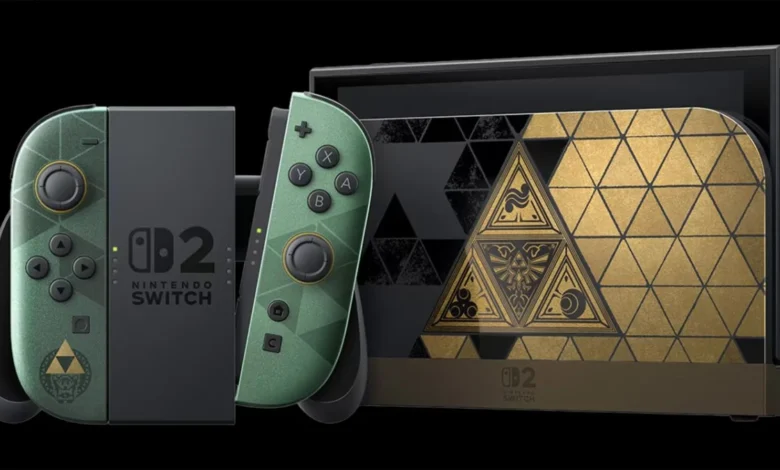
The debut of Nintendo’s first-ever special-edition hardware for its next-generation platform has triggered an immediate market frenzy. Following yesterday’s comprehensive Nintendo Direct broadcast, preorders for the Nintendo Switch 2 The Legend of Zelda 40th Anniversary Edition went live across major U.S. electronics and gaming retailers, only to vanish within minutes. The unprecedented demand has left countless consumers empty-handed, while opportunistic resellers have already begun listing the coveted bundle on secondary markets at exorbitant markups, nearly doubling the manufacturer’s suggested retail price.
Priced at $519.99—just $20 above the baseline MSRP of the standard Nintendo Switch 2—the special-edition console was positioned as an irresistible offering for both collectors and franchise enthusiasts. Commemorating four decades of Hyrule lore since the release of the original The Legend of Zelda on the Nintendo Entertainment System in 1986, the hardware package blends cutting-edge next-generation internal specifications with bespoke, franchise-inspired aesthetic detailing.
However, the limited-run nature of the hardware has exposed familiar vulnerabilities within the modern consumer electronics supply chain, igniting fierce debates over inventory allocation, bot protection, and the persistent threat of automated scalping rings.
The Immediate Rush and Retailer Rollout
The chaotic rollout began mere hours after Nintendo detailed its upcoming hardware lineup during the broadcast event. Major nationwide retailers—including Target, Best Buy, GameStop, and Walmart—activated their preorder portals with little advanced warning, creating a digital stampede of eager buyers.
Within moments, servers at multiple major retail chains experienced severe latency issues or crashed entirely under the sheer volume of traffic. By the time most consumers navigated checkout queues, listings across Target, Best Buy, and GameStop were officially flagged as "Out of Stock." Walmart momentarily kept its portal open with delayed preorder statuses, while Amazon briefly maintained availability at the standard $519.99 price point, offering a fleeting window for buyers to secure a unit at retail value before automated scraping bots cleared the inventory.
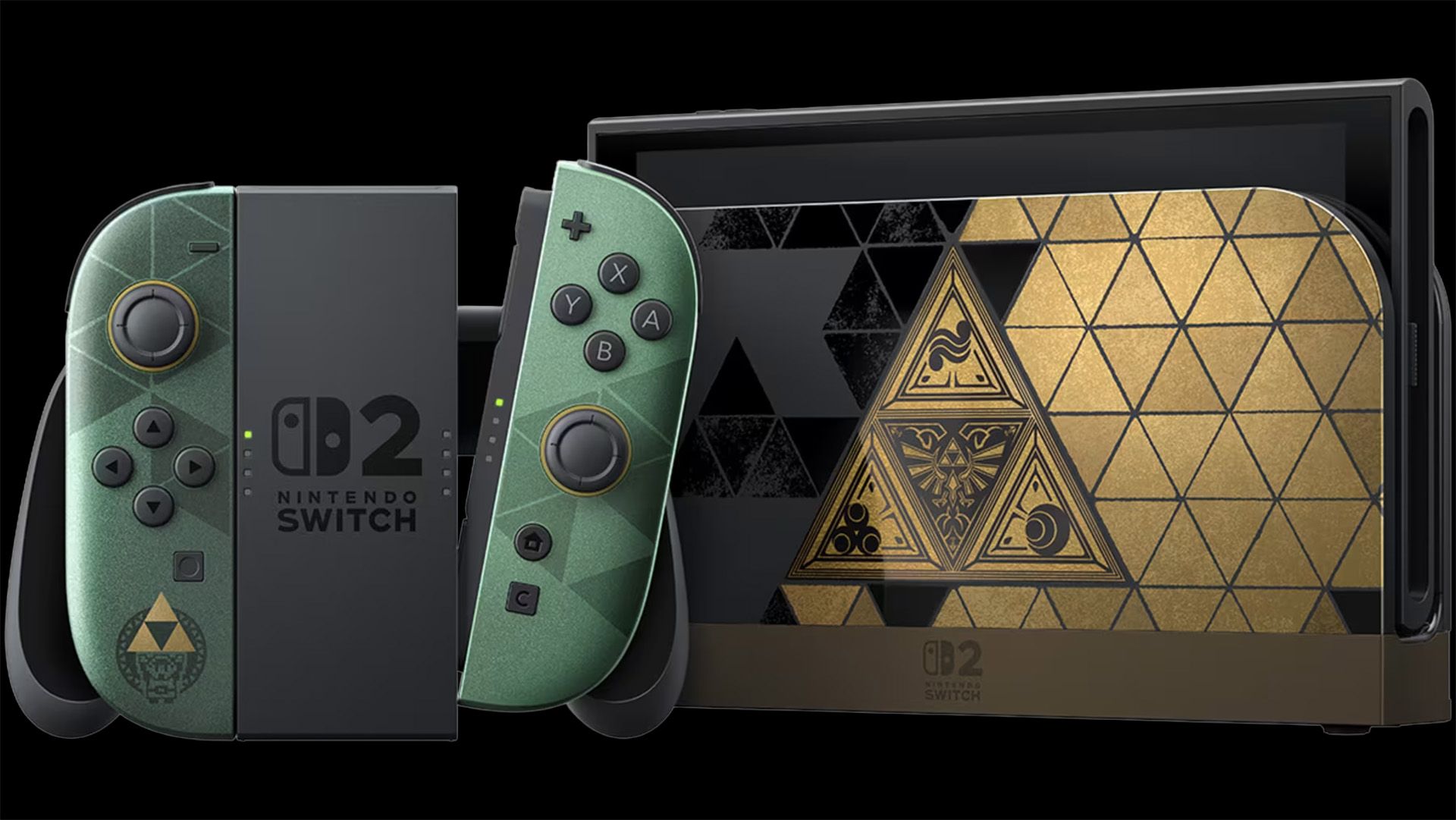
The hardware bundle is scheduled for an official official release on October 29, aligning with the autumn gaming season. In addition to the console itself, Nintendo has expanded the 40th Anniversary collection to include matching peripherals. Best Buy listings confirmed preorders for the Nintendo Switch 2 Pro Controller The Legend of Zelda 40th Anniversary Edition at $99.99, alongside a specialized carrying case bundled with a tempered glass screen protector priced at $39.99. Both accessories met a similar fate, selling out across several digital storefronts shortly after going live.
The Return of the Scalping Crisis
As availability evaporated through authorized channels, secondary marketplaces like eBay and StockX immediately flooded with listings for the commemorative console. Within hours of the initial sell-out, individual sellers and automated bot syndicates began posting preorders ranging from $800 to over $1,000—representing a 100% markup over Nintendo’s official retail price.
The swift exploitation of the hardware launch echoes historical trends surrounding limited-edition Nintendo hardware. Previous iterations, such as the Nintendo Switch OLED Model: Tears of the Kingdom Edition and the Nintendo Switch Lite Hyrule Edition, faced similar initial shortages. However, industry analysts note that the stakes are significantly higher with the launch of Nintendo’s new flagship hardware ecosystem, given that this represents the very first special-edition variant of the Switch 2.
Consumer advocacy groups and retail analysts have repeatedly criticized major platforms for failing to implement stringent anti-bot measures, such as mandatory two-factor authentication, verified customer account histories, or CAPTCHA protocols robust enough to block automated purchasing scripts. Despite occasional retailer interventions—such as limiting purchases to one unit per household—scalpers continue to leverage sophisticated proxy networks to bypass restrictions.
Historical Context and Franchise Legacy
The release of the 40th Anniversary Edition marks a major milestone for one of the most enduring intellectual properties in interactive entertainment history. Created by Shigeru Miyamoto and Takashi Tezuka, The Legend of Zelda debuted in Japan in February 1986 on the Famicom Disk System, followed by a North American release on the NES in 1987. Over the past four decades, the franchise has evolved from a top-down 8-bit adventure into a cultural touchstone that has redefined open-world game design through landmark titles like Ocarina of Time, Breath of the Wild, and Tears of the Kingdom.
Nintendo has historically utilized milestone anniversaries to release commemorative hardware, starting with custom-themed Game Boy Advance SP units and expanding into specialized home console designs. The decision to attach the 40th Anniversary branding to the launch window of the Switch 2 serves a dual purpose: it honors a foundational pillar of Nintendo’s software portfolio while providing an immediate, high-margin collector’s item to drive day-one adoption of the new hardware platform.
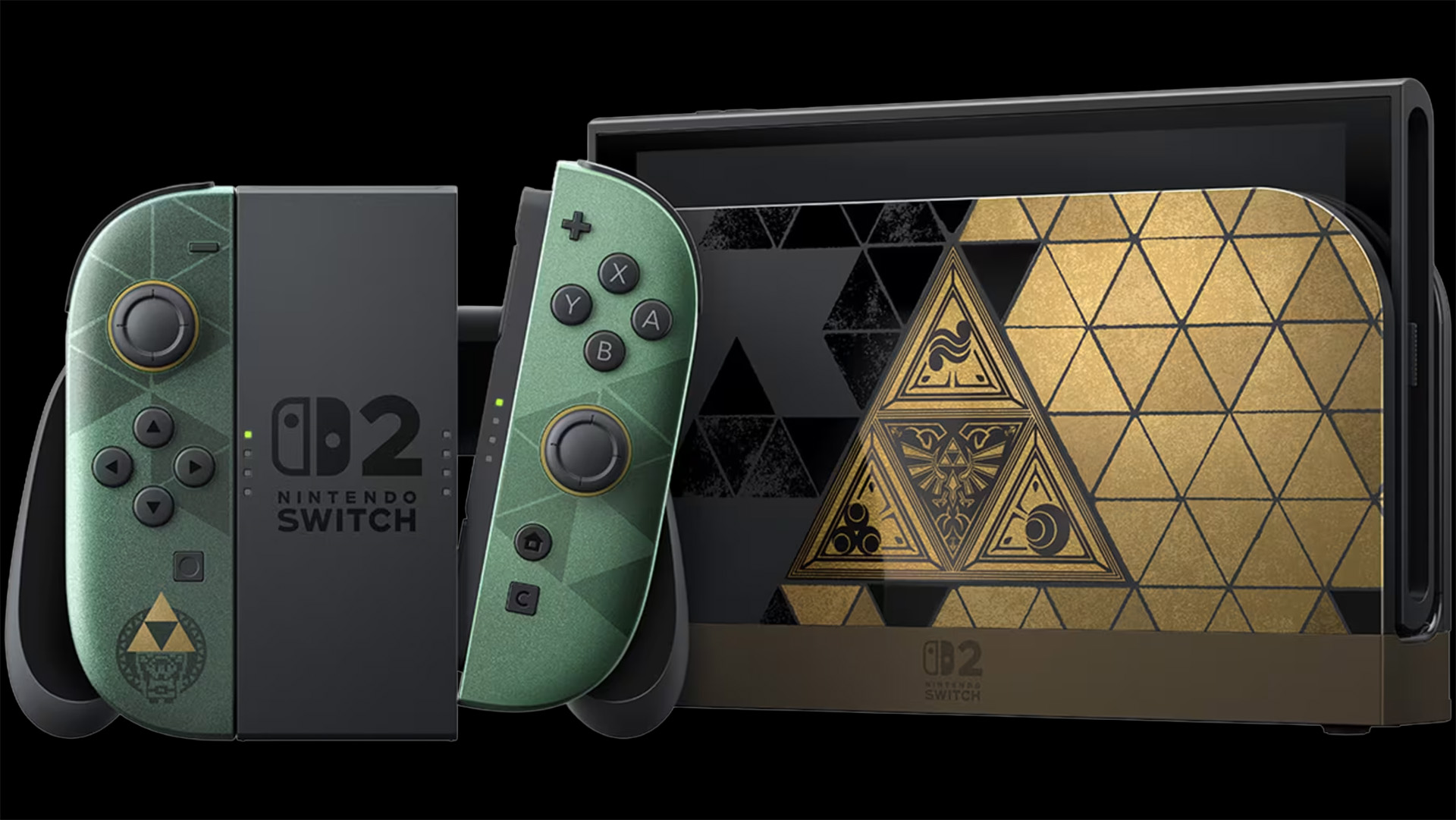
Underneath the commemorative exterior, the Switch 2 houses significantly upgraded internal architecture compared to its predecessor. Early hardware testing and developer documentation indicate that the new console incorporates a custom NVIDIA Tegra processor featuring modern graphics rendering technologies, improved thermal management, and expanded RAM capacity designed to support higher fidelity visuals and stable frame rates. By pricing the anniversary edition at a modest $20 premium over the base console, Nintendo effectively subsidized the collector appeal, maximizing its desirability.
Supply Outlook and Market Implications
With preorders effectively exhausted across major U.S. storefronts, consumers now face an agonizing wait leading up to the October 29 launch date. Historically, Nintendo allocates a secondary pool of physical inventory for brick-and-mortar retail locations on launch day. However, industry insiders warn that securing a unit in-store will likely require lining up hours before retail locations open, with quantities heavily restricted per store.
A central question facing the market is whether Nintendo will manufacture enough units to satisfy long-term demand or if the 40th Anniversary Edition will remain artificially scarce. Past precedent offers a glimmer of hope; while limited-edition Nintendo Switch consoles commanded high resale prices during their initial launch windows, sustained production cycles eventually saturated the market, rendering scalper markups unsustainable over time. For instance, models like the Tears of the Kingdom OLED Switch eventually stabilized in supply, allowing genuine fans to purchase them at retail pricing months after release.
Nevertheless, the immediate failure of digital retail infrastructure highlights ongoing systemic flaws in how high-demand entertainment hardware is distributed. Until retailers adopt foolproof verification methods that prioritize genuine consumers over automated scalper networks, marquee hardware launches will continue to trigger frantic digital stampedes and inflated secondary markets. For now, prospective buyers shut out of the initial preorder window must monitor retail restocks closely or wait for Nintendo to clarify its post-launch production forecasts.