North Korean Pixel 8 Pro Clone Emerges with Unexpected Specs, Challenging Conventional Knockoff Narratives

A peculiar device, visually indistinguishable from Google’s flagship Pixel 8 Pro, has surfaced from North Korea, defying the typical expectations associated with clone phones. While counterfeit devices are generally known for their superficial resemblance and often subpar internal components, this particular iteration, nicknamed the "People’s Pixel" by its reviewer, presents a surprisingly robust set of specifications and an unusual software configuration that sets it apart from its knockoff brethren, and in a few niche areas, even surpasses its genuine counterpart. The revelation, brought to light through a hands-on video by YouTuber fenibook and subsequently reported by NotebookCheck, offers a rare glimpse into the technological capabilities and priorities within one of the world’s most isolated nations.
The Unveiling of the "People’s Pixel"
The authentic Google Pixel 8 Pro made its global debut in October 2023, heralded as Google’s most advanced smartphone to date, boasting its custom Tensor G3 chip, sophisticated AI capabilities, and a cutting-edge camera system. Typically, high-quality clones tend to appear on the grey market several months following a flagship device’s launch, often originating from manufacturing hubs known for producing both genuine and counterfeit electronics. The appearance of this North Korean variant aligns with this general timeline but adds a layer of geopolitical intrigue due to its origin and the specific features it incorporates.
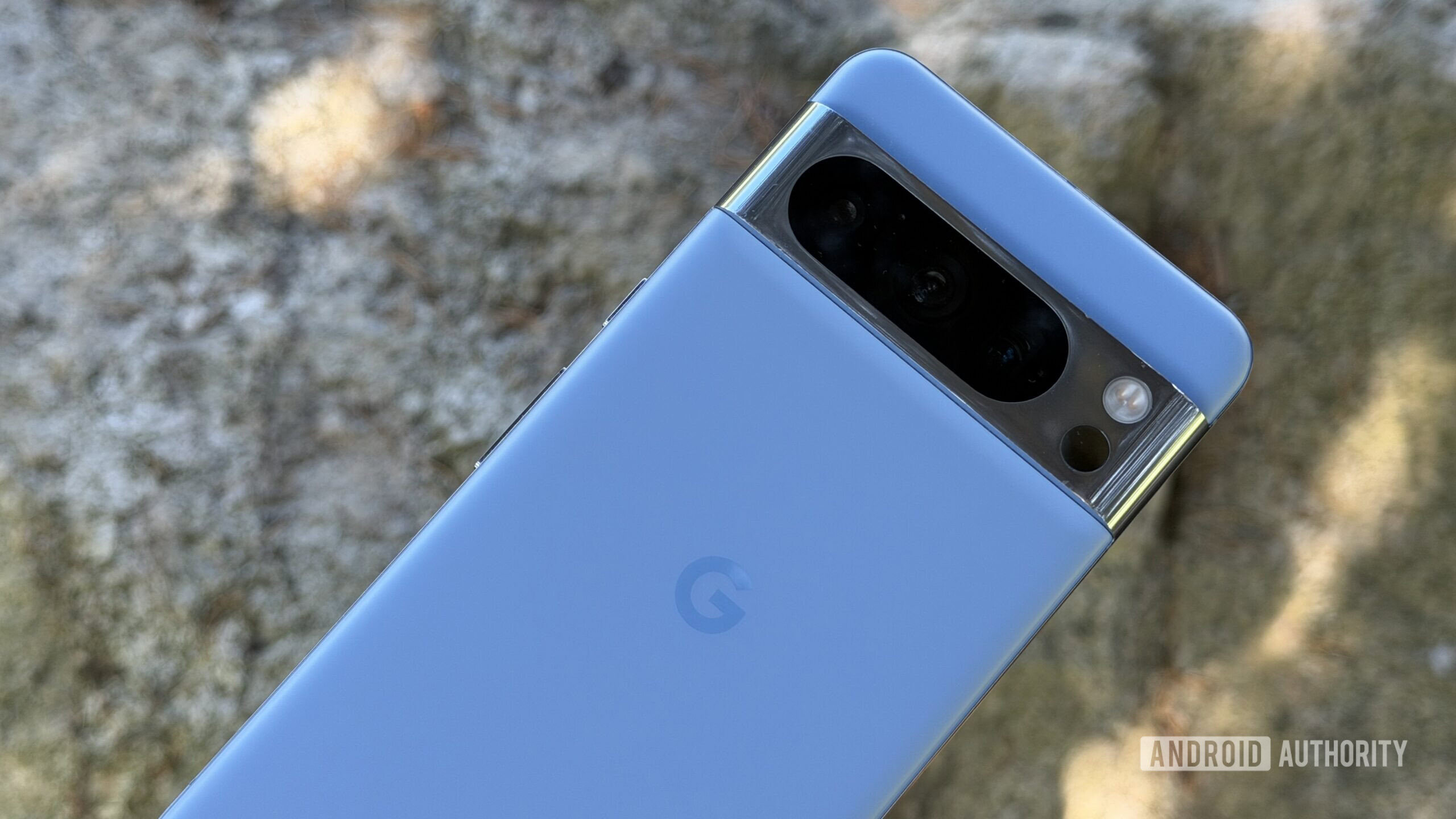
The device reviewed by fenibook, whose North Korean logo was reportedly obscured in the video, presents an almost perfect external replication of the Pixel 8 Pro. From its distinctive full-width camera bar that elegantly spans the rear of the device to the tactile frosted glass back panel, the clone meticulously mimics Google’s design language. This level of aesthetic fidelity is a testament to the sophistication of modern counterfeiting operations, making it exceedingly difficult for an untrained eye to differentiate it from an authentic Pixel 8 Pro at first glance. The attention to detail in replicating the physical design suggests access to precise manufacturing specifications or skilled reverse engineering capabilities.
Divergence in Core Specifications: A Blend of Compromise and Advantage
While the exterior pays homage to Google’s design, the internal architecture of the North Korean clone reveals a pragmatic approach to component selection, balancing performance, availability, and cost. Instead of Google’s bespoke Tensor G3 System-on-a-Chip (SoC), the "People’s Pixel" is powered by a MediaTek Dimensity 7050 processor.
The Tensor G3, a custom-designed chip by Google, is engineered to excel in on-device artificial intelligence and machine learning tasks, powering many of the Pixel 8 Pro’s signature features, including advanced computational photography, real-time language processing, and enhanced security. It represents Google’s strategic commitment to deep hardware-software integration, differentiating the Pixel line from other Android devices.
In contrast, the MediaTek Dimensity 7050 is a mid-range SoC, part of MediaTek’s increasingly competitive Dimensity series, known for offering a solid balance of performance and power efficiency at a more accessible price point. While it cannot match the Tensor G3’s raw computational prowess, particularly in AI-specific workloads, the reviewer noted an interesting trade-off: the clone reportedly remained significantly cooler during extended gaming sessions and other demanding tasks. This observation highlights a known characteristic of the Tensor G3, which, despite its power, has sometimes been criticized for thermal management under heavy loads. The Dimensity 7050, with its more conservative performance profile, naturally generates less heat, offering a practical advantage in sustained performance and user comfort. This thermal efficiency could be a deliberate design choice or a fortunate byproduct of component selection, indicating a focus on practical usability over raw, bleeding-edge performance in certain scenarios.
Perhaps the most unexpected hardware specification for a clone device is its memory configuration. While many premium flagship smartphones, including the base model of the Pixel 8 Pro, typically come with 8GB or 12GB of RAM, this North Korean clone ships with a substantial 16GB of RAM alongside 256GB of internal storage. This generous allocation of RAM is more commonly found in high-end gaming phones or ultra-premium variants, making its presence in a knockoff particularly noteworthy. Such a memory configuration would significantly enhance multitasking capabilities, allowing users to run numerous applications simultaneously without experiencing slowdowns. The decision to equip the device with 16GB of RAM suggests either readily available access to these components or a deliberate strategy to provide a perception of high-end performance, even if the processor is mid-range.
Display and Camera System: A Mix of Premium Features and Surprising Advantages
The display on the "People’s Pixel" further contributes to its premium facade, featuring a 120Hz refresh rate. A high refresh rate display delivers smoother scrolling, more fluid animations, and a more responsive user experience, a feature typically reserved for flagship and high-mid-range smartphones. This inclusion underscores the clone’s attempt to replicate a premium user experience beyond mere aesthetics.
The camera system also presents a fascinating blend of aspirations and unexpected strengths. The clone reportedly features a triple-camera setup on the rear, comprising a 50MP primary sensor, a 50MP ultrawide lens, and a 50MP periscope telephoto camera offering 3x optical zoom. For selfies, it is equipped with a 32MP front-facing camera. For comparison, the genuine Pixel 8 Pro boasts a 50MP main camera, a 48MP ultrawide, and a 48MP telephoto lens with 5x optical zoom, complemented by a 10.5MP selfie camera.
While the clone’s 3x optical zoom is less potent than the Pixel 8 Pro’s 5x optical zoom, the reviewer made a surprising claim: the clone’s telephoto camera purportedly excelled at capturing macro-style shots from a significantly closer distance than the Pixel 8 Pro’s own zoom lens. This niche advantage in macro photography provides the "People’s Pixel" with an unexpected, albeit specific, edge over its inspiration. This capability might stem from the specific focal length and minimum focusing distance characteristics of the chosen 50MP periscope sensor, indicating a possibly opportunistic or even deliberate component selection that yielded an unforeseen benefit.
The Unconventional Software Story: A Gateway to Google Services?
Perhaps the most astonishing aspect of this North Korean clone lies in its software configuration. According to the review, the device’s bootloader is unlocked directly out of the box. This is an extremely rare and highly significant feature for any mass-produced smartphone, let alone a clone from a state with strict technological controls. An unlocked bootloader allows users to install custom operating systems, alternative Android distributions, or even the stock Pixel software itself.
The profound implication of an unlocked bootloader, coupled with the claim that it can run Google services, cannot be overstated. North Korea operates a highly restrictive internet and mobile network environment, known as "Kwangmyong," which is entirely separate from the global internet. Access to foreign content and services is severely limited, and smartphones available domestically are typically heavily modified to prevent such access and to facilitate state surveillance. The ability to install stock Pixel software and, by extension, access Google services like the Play Store, Gmail, and Google Maps, would circumvent these state-imposed restrictions entirely.
This raises several critical questions: Is this an intentional feature, perhaps for a specific, privileged user group within North Korea who require access to global communication channels for official or diplomatic purposes? Is it an oversight in the manufacturing or distribution process? Or is it indicative of a grey market product intended for export or use by individuals who manage to bypass state controls? The conventional wisdom regarding North Korean technology would suggest stringent controls, making this unlocked bootloader an anomaly that points to deeper complexities in the country’s approach to technology and information.
North Korea’s Enigmatic Tech Landscape
North Korea’s technological environment is one of the most closed and controlled in the world. The country has developed its own domestic smartphone brands, such as Pyongyang and Arirang, which are often rebranded Chinese phones with heavily customized Android-based operating systems. These devices are designed to operate exclusively within the "Kwangmyong" intranet, limiting access to a curated selection of state-approved content and preventing connection to the global internet. Foreign media and technology are strictly regulated, with severe penalties for unauthorized access.
The appearance of a Pixel 8 Pro clone with such advanced specifications and, more importantly, an unlocked bootloader capable of running Google services, challenges this narrative. It suggests that while the state maintains an iron grip on information for the general populace, there might be avenues for specific individuals or entities to access or produce technology that deviates from the standard control mechanisms. This could involve illicit cross-border trade, sophisticated internal manufacturing, or a system designed for elite use that bypasses general restrictions. The fact that the original North Korean logo was covered in the review video hints at a sensitivity surrounding the device’s true origin and distribution within the country.
Broader Implications and Analysis
Despite its surprising features, the North Korean Pixel 8 Pro clone does not dethrone the genuine article. Google’s Pixel 8 Pro remains superior in several critical aspects:
- Performance: The Tensor G3 chip offers significantly faster processing power and unparalleled AI capabilities, which are central to the Pixel experience.
- Computational Photography: While the clone may have a niche macro advantage, Google’s sophisticated computational photography algorithms, powered by the Tensor G3, deliver consistently superior image quality, dynamic range, and advanced editing features like Magic Editor and Best Take.
- Software Updates and Security: Genuine Pixel phones receive seven years of major Android updates and security patches, ensuring long-term usability and protection. Clone devices, by their very nature, lack any official software support, leaving users vulnerable to security flaws and preventing access to future Android features.
- Ecosystem Integration: The Pixel 8 Pro is seamlessly integrated into Google’s vast ecosystem of services and hardware, offering a cohesive and reliable user experience.
However, the existence of such a sophisticated clone carries several implications:
- For Google: The proliferation of high-quality counterfeits represents an ongoing challenge for intellectual property protection and brand integrity. While the clone’s limitations ultimately highlight the value of genuine Pixel devices, it underscores the need for continuous vigilance against piracy.
- For the Counterfeit Market: This device demonstrates an increasing level of sophistication in the clone industry, moving beyond mere superficial imitation to incorporating competitive, and occasionally superior, hardware features. It suggests that certain manufacturers in the grey market are capable of sourcing quality components and assembling devices that offer a compelling, albeit illicit, alternative.
- For North Korea: The "People’s Pixel" indicates a level of technical and manufacturing capability within North Korea or its associated networks that is often underestimated. The ambiguity surrounding its production and distribution — whether it’s a state-sanctioned project for specific cadres, a product of illicit trade networks, or a combination — highlights the complexities of monitoring technology flows in a highly secretive state. The unlocked bootloader, in particular, challenges the traditional understanding of North Korea’s tech control mechanisms. It could signify a deliberate strategy to provide advanced, globally connected tools to a select few, or it could be an unintended consequence of how these devices are assembled and sourced.
- Consumer Risks: For any potential consumer outside North Korea, purchasing a clone device comes with significant risks. These include unknown component quality, lack of warranty or support, potential for pre-installed malware or surveillance software, and the inherent security vulnerabilities of unsupported software. Even with an unlocked bootloader, ensuring the integrity and security of the software installed on such a device is a complex challenge.
Conclusion
The North Korean Pixel 8 Pro clone stands as a remarkable anomaly in the world of counterfeit electronics. It’s more than just a superficial imitation; it’s a device that, through a combination of shrewd component selection and an astonishingly open software configuration, manages to carve out a unique identity. While it cannot rival the genuine Pixel 8 Pro’s holistic excellence, particularly in AI and software longevity, its unexpected strengths in areas like thermal management, RAM allocation, and even niche camera capabilities, coupled with the profound implications of its unlocked bootloader, make it an intriguing case study. It serves as a potent reminder that the landscape of global technology, even in its most restricted corners, is constantly evolving, presenting new challenges and surprising innovations that defy conventional expectations. The "People’s Pixel" is not just a phone; it’s a testament to ingenuity, illicit trade, and the enduring human desire for advanced technology, even under the most extraordinary circumstances.