Deals: Galaxy Tabs from $210, Pixel 10 Pro XL up to $450 off, Pixel 45W power charger, Sharge HyperTower, more

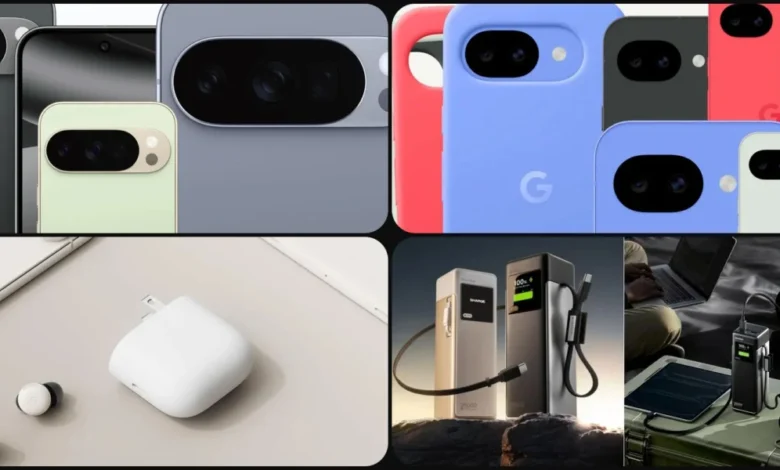
The digital marketplace is currently abuzz with a confluence of pricing adjustments and promotional sales that demand consumer attention. While Samsung has officially implemented sweeping price increases across its popular Galaxy Tab lineup, Amazon continues to list several models at their former Manufacturer’s Suggested Retail Price (MSRP) and is even offering further discounts, presenting a unique, albeit potentially fleeting, window for savings. Concurrently, Google’s Pixel 10 series smartphones are experiencing robust price reductions, with new units starting from $449 and significant open-box deals on the high-end 10 Pro XL model, offering savings of up to $456. Complementing these device-centric offers, essential accessories like Google’s official Pixel 45W USB-C Power Charger have reached one of their lowest price points at $18, and Sharge has launched its innovative HyperTower 170W 25,000mAh power bank with an introductory deal that includes a free USB-C cable. The gaming monitor segment also sees action, with Samsung’s new 27-inch QD-OLED 240Hz gaming monitor discounted by $150 and bundled with a copy of Resident Evil Requiem.
Samsung Galaxy Tabs: Navigating Official Price Hikes Amidst Amazon’s Current Deals
The tablet market, a dynamic segment within consumer electronics, has recently witnessed a significant pricing shift from one of its key players: Samsung. The South Korean tech giant has officially announced and implemented substantial price hikes across its current-generation Galaxy Tab portfolio. This adjustment affects a broad spectrum of devices, from the more accessible Galaxy Tab A11+ to the premium Galaxy Tab S11 lineup, as well as the mid-range S10 FE and Lite models. Reports indicate that these price increases range from approximately $50 to as much as $100 on certain high-end S11 models, reflecting a broader industry trend of adapting to evolving production costs, supply chain complexities, and potentially, strategic market positioning.

Industry analysts suggest that such price adjustments are often a response to several factors. Global inflation, fluctuating raw material costs, and increased logistical expenses are frequently cited as primary drivers. Additionally, companies like Samsung continually invest heavily in research and development, incorporating advanced display technologies, more powerful processors, and enhanced software features, which inherently contribute to the manufacturing cost of each unit. A hypothetical statement from a Samsung spokesperson, if made public, might emphasize the company’s commitment to innovation and quality, asserting that the price revisions ensure continued investment in cutting-edge technology and a superior user experience. This move also comes at a time when the tablet market, while mature, continues to see steady demand for devices that bridge the gap between smartphones and laptops, catering to both productivity and entertainment needs.
Despite these official price increases taking effect on Samsung’s direct sales channels, a curious market anomaly has emerged on Amazon. As of the current reporting, the e-commerce behemoth continues to list many of these affected Galaxy Tab models at their pre-hike MSRPs. Furthermore, Amazon is offering additional discounts from these older list prices, effectively allowing consumers to acquire these devices at significantly lower rates than what is now available directly from Samsung. For instance, the Galaxy Tab A11+, Galaxy Tab S10 Lite, and the Tab S11 are all currently available at starting prices around $210 after these layered discounts.
This disparity creates a unique purchasing opportunity, but one that is likely temporary. Historically, when major tech brands implement official price adjustments, it typically takes a period—ranging from days to weeks—for these changes to propagate across all major retail partners, including Amazon. This lag provides a brief window for savvy consumers to capitalize on the outdated pricing structure. The urgency for potential buyers is palpable: securing a Galaxy Tab now could mean saving anywhere from $50 to $100 compared to future pricing once Amazon’s listings are updated to reflect the new official MSRPs. The strategic implication for Samsung is that while the price hikes might bolster margins on direct sales, the prolonged availability of older pricing at key retailers like Amazon could dilute the immediate financial impact of these adjustments and potentially lead to a surge in sales through these channels as consumers seek out the best value.
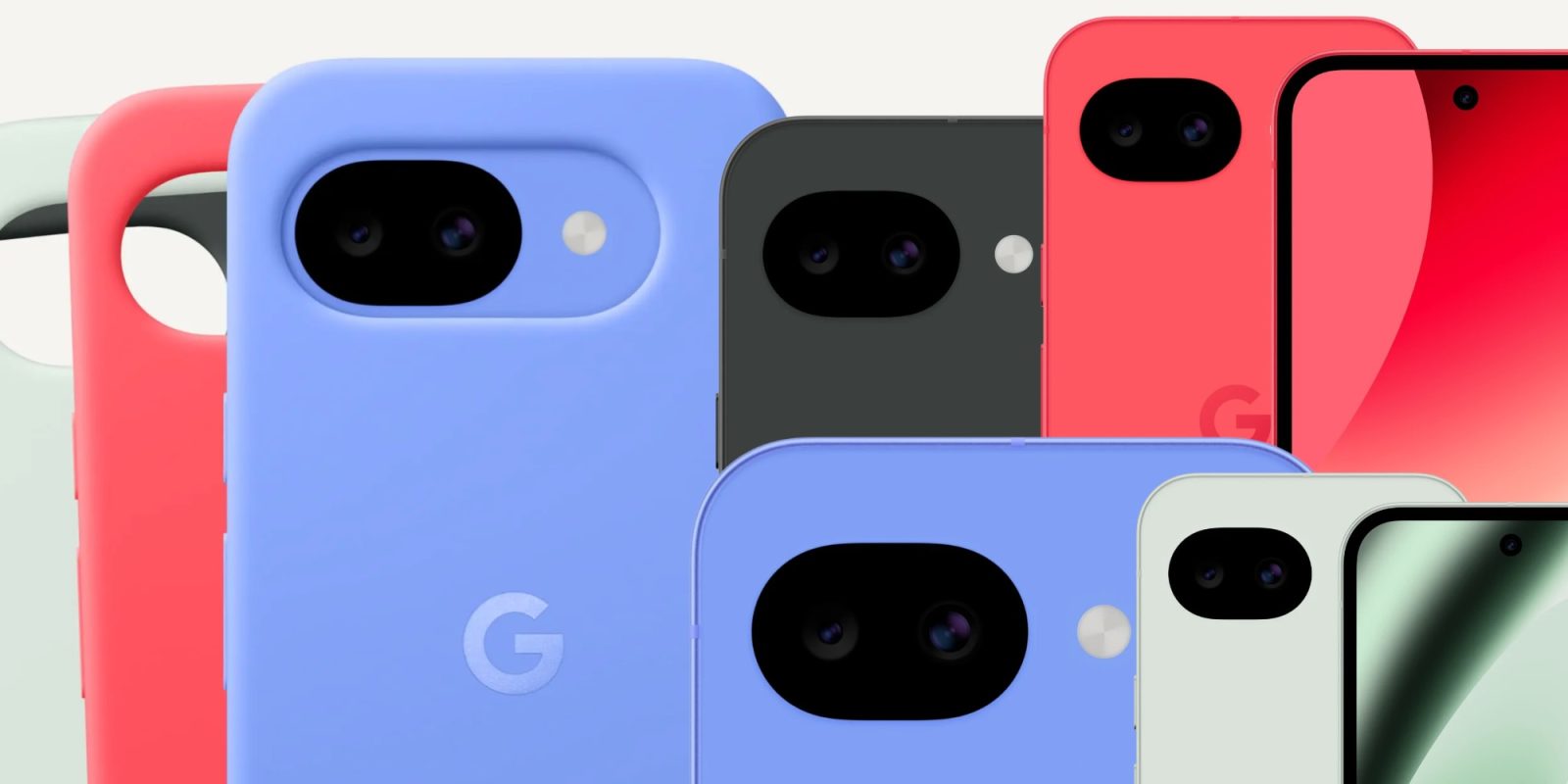
Google Pixel 10 Lineup: Deep Discounts and Open-Box Opportunities Ignite Sales
Google’s Pixel smartphone lineup, renowned for its cutting-edge computational photography, pure Android experience, and AI-driven features, is currently the subject of aggressive promotional pricing. The Pixel 10 series, which includes the standard Pixel 10, the more advanced Pixel 10 Pro, and the budget-friendly Pixel 10a, was launched with much anticipation, positioning Google as a formidable competitor in the premium and mid-range smartphone segments against industry titans like Apple and Samsung. These devices are characterized by their Tensor chipsets, delivering exceptional performance for AI tasks, alongside sophisticated camera systems that consistently rank among the best in the industry.
The current wave of deals suggests a strategic move by retailers to stimulate sales, potentially clearing inventory in anticipation of future model releases or responding to competitive market pressures. Throughout the past week, Amazon initiated significant price drops across various Pixel 10 models, with many of these discounts surprisingly remaining active into the new week. New units of the Pixel 10 are now available from $449, marking some of the best prices seen since their launch. The 2026 Pixel 10a, often lauded for its exceptional value proposition, has also reached an all-time low price, making advanced Google technology more accessible than ever.
Beyond brand-new units, Best Buy has entered the fray with compelling "open-box" offers, particularly on the unlocked 256GB Google Pixel 10 Pro XL. These deals present an opportunity for consumers to acquire flagship-tier devices at dramatically reduced prices, with savings reaching up to $456 off the new list price. Open-box items, typically customer returns or display models, are categorized by condition (e.g., "excellent," "satisfactory"). While the pricing on some of these open-box models has fluctuated slightly, the overall value remains exceptional. Best Buy’s rigorous inspection and certification process for open-box items, usually accompanied by a standard return policy, provides a degree of assurance for buyers looking to maximize their savings without significantly compromising on quality or functionality.

The chronology of these deals is noteworthy. Following their initial launch in early 2026, the Pixel 10 series devices typically maintained their premium pricing. However, as the product cycle progresses, and especially as rumors or leaks of next-generation Pixel devices begin to circulate, retailers often initiate these deep discounts. This strategy helps maintain sales momentum, attract new users to the Pixel ecosystem, and manage inventory efficiently. The sustained nature of these deals, even past anticipated end dates, indicates either a stronger-than-expected supply or an aggressive push to capture market share. For Google, these promotions are crucial for expanding its user base and strengthening its position in a fiercely competitive smartphone landscape, particularly by making its AI-centric features and camera prowess more widely available at attractive price points.
Essential Accessories: Google’s 45W Charger and Sharge’s HyperTower Power Bank
In an era where many smartphone manufacturers, including Google, have opted to remove charging bricks from their device packaging in an effort to reduce electronic waste and packaging size, the availability of high-quality, official chargers at competitive prices becomes increasingly important. Google’s official Pixel 45W USB-C Power Charger, designed to deliver optimal fast-charging performance for Pixel smartphones and other compatible USB-C devices, has recently dropped to one of its best prices ever at just $18. This 45W charger is capable of rapidly replenishing battery life, with typical claims of charging a Pixel device to 50% in approximately 30 minutes, significantly reducing downtime for users. The availability of this essential accessory at such an accessible price point encourages users to invest in official peripherals that ensure compatibility, safety, and peak performance, circumventing the risks associated with third-party alternatives.
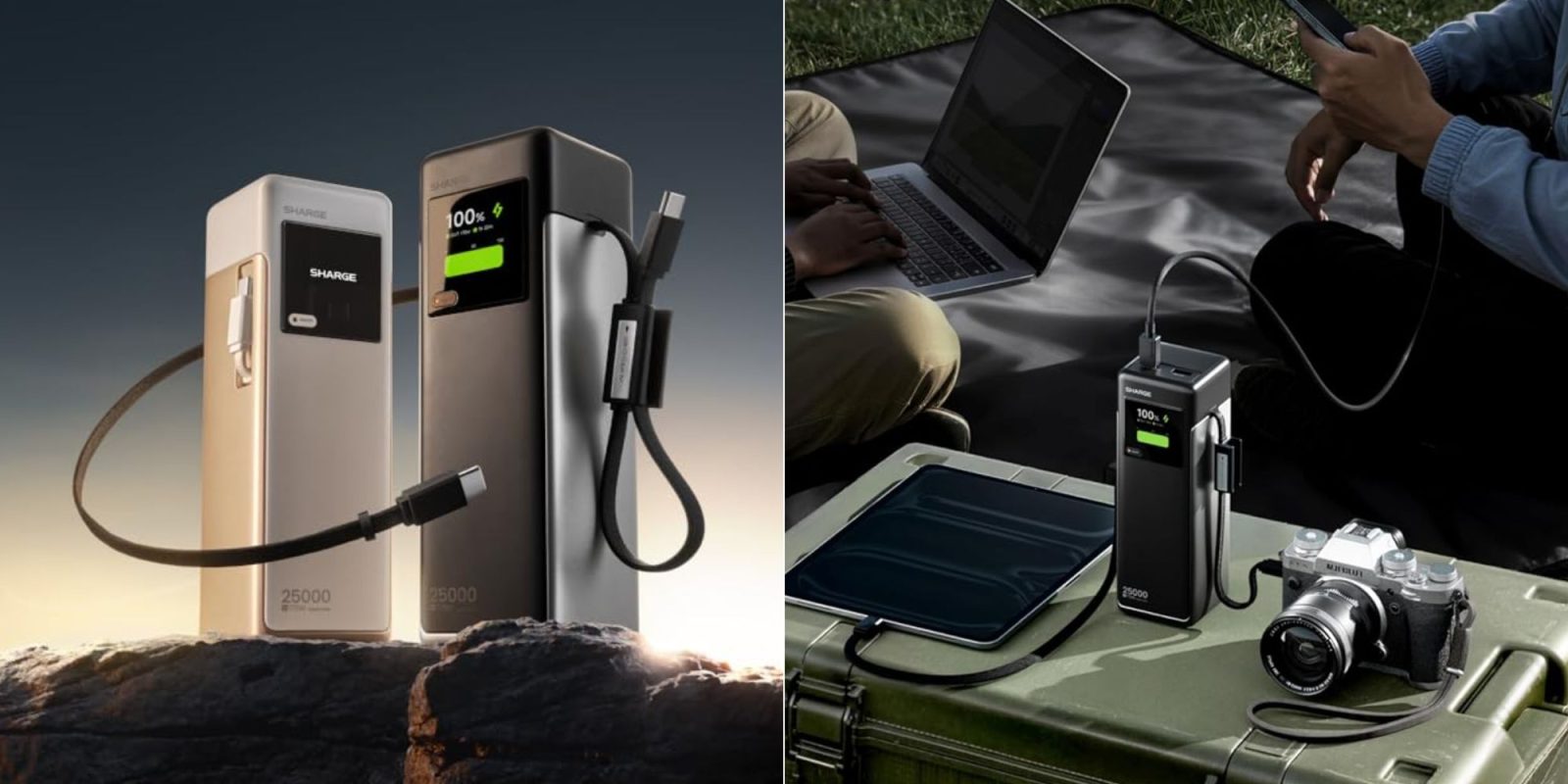
Parallel to the need for efficient wall charging, the demand for robust portable power solutions has surged, driven by the increasing number of power-hungry mobile devices and the reliance on them for work, travel, and entertainment. Sharge, a brand known for its distinctive design language and high-performance power accessories, has debuted its new HyperTower 170W 25,000mAh display-equipped power bank. This innovative device enters the market with a compelling launch deal that includes a free USB-C cable, adding immediate value for early adopters.
The HyperTower stands out with its impressive specifications: a massive 25,000mAh capacity, capable of recharging multiple smartphones several times over or providing substantial power to laptops and other larger electronics. Its 170W total output capacity, distributed across multiple ports, signifies its ability to fast-charge not just one, but several devices simultaneously, including high-power devices like modern laptops. A key feature is its integrated display, which provides real-time information on charging status, power output, and remaining battery life, offering users unprecedented transparency and control over their portable power management. This level of functionality positions the HyperTower as a premium solution for power users, digital nomads, and anyone requiring reliable, high-capacity portable power on the go. The launch deal underscores Sharge’s strategy to quickly gain market traction by offering enhanced value, appealing to a consumer base that increasingly prioritizes both performance and intelligent design in their tech accessories.
High-Performance Displays: Samsung’s QD-OLED Gaming Monitor Steals the Show
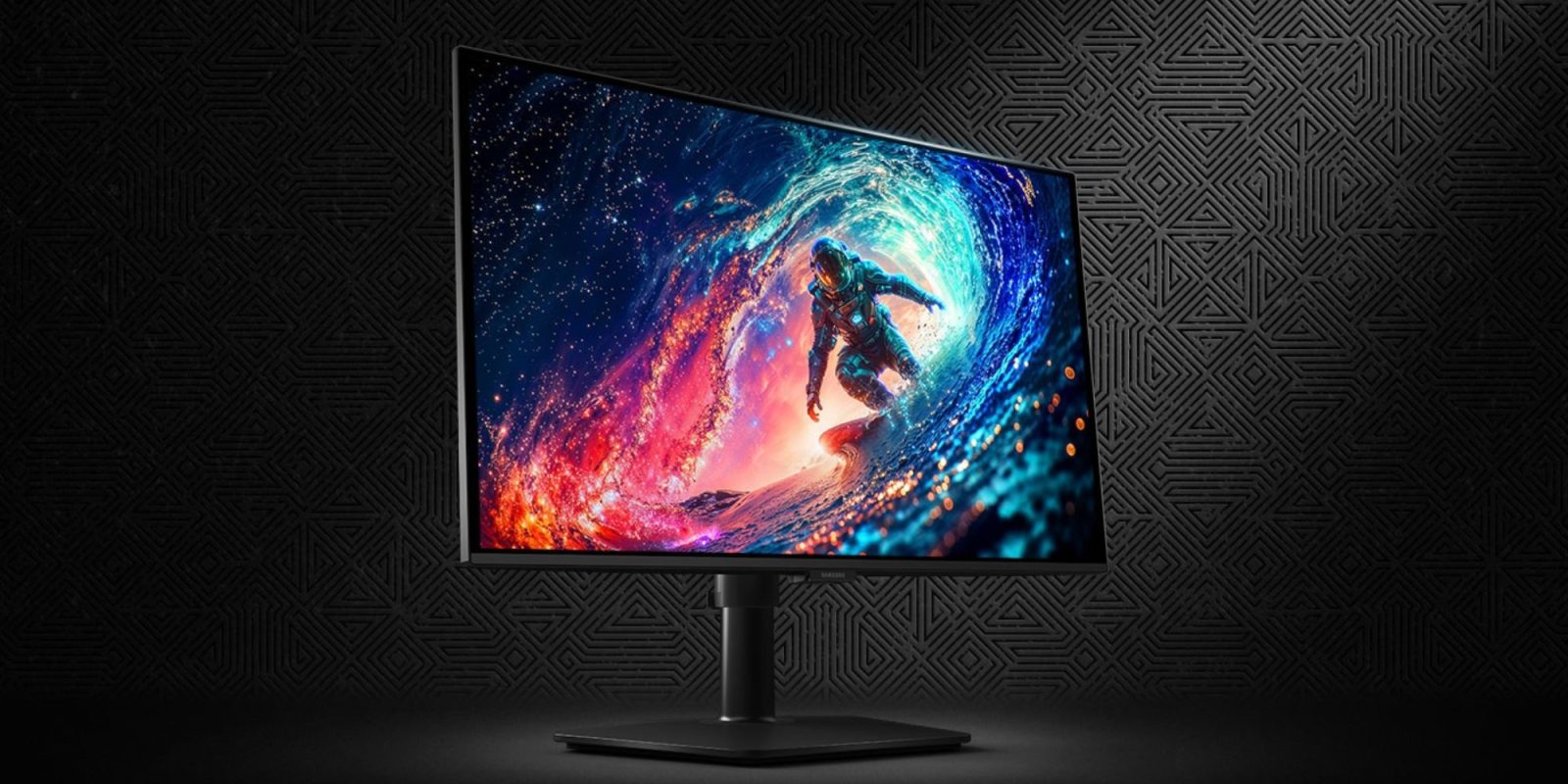
The gaming monitor market is perpetually pushing the boundaries of visual fidelity and responsiveness, with Samsung consistently at the forefront of display technology innovation. The company’s new 27-inch QD-OLED 240Hz gaming monitor, the Odyssey G61SH, is currently available at a significant discount of $150 off its regular price, sweetening the deal further with a complimentary copy of Resident Evil Requiem. This offer presents a compelling opportunity for serious gamers and visual professionals alike to upgrade their setup with cutting-edge display technology.
QD-OLED (Quantum Dot Organic Light Emitting Diode) technology represents a pinnacle in display performance, combining the perfect blacks and infinite contrast ratios of OLED panels with the vibrant color saturation and brightness advantages of Quantum Dot technology. This results in an unparalleled visual experience, characterized by stunning clarity, incredibly deep colors, and true-to-life imagery. The monitor’s QHD (2560×1440) resolution provides a sharp image without being as demanding on graphics cards as 4K, making it an ideal sweet spot for high-refresh-rate gaming. With a blistering 240Hz refresh rate, the Odyssey G61SH ensures buttery-smooth motion, crucial for competitive gaming where every millisecond counts. This high refresh rate, combined with the near-instantaneous response times inherent to OLED technology, virtually eliminates motion blur and ghosting, delivering a fluid and immersive gaming experience.
Samsung’s Odyssey series has long been synonymous with premium gaming, and the G61SH continues this tradition by integrating features designed to enhance gameplay. The inclusion of Resident Evil Requiem as a bundled title adds immediate value, providing a high-fidelity game that can showcase the monitor’s capabilities right out of the box. This strategic bundling is a common tactic in the competitive gaming hardware market, designed to entice purchases by offering a complete entertainment package.
In the broader context of the display market, QD-OLED technology, while still premium, is becoming more accessible. This monitor competes directly with other high-end gaming displays from brands like LG, Alienware, and Asus, many of which also leverage OLED or high-refresh-rate IPS panels. Samsung’s offering distinguishes itself with the unique benefits of QD-OLED and aggressive pricing strategies. For consumers, this means more choices and better value for monitors that deliver exceptional color accuracy, deep blacks, and blazing-fast performance, catering to the increasing demands of modern gaming and content creation.
Broader Tech Market Trends and Consumer Outlook
The current landscape of consumer electronics deals reflects several overarching market trends. The confluence of official price hikes by manufacturers and simultaneous deep discounts from major retailers like Amazon and Best Buy indicates a complex interplay of supply chain management, inventory optimization, and strategic market positioning. Manufacturers, facing rising costs and the need to maintain profitability, are adjusting their official pricing. However, retailers, often operating on different inventory cycles and with varied purchasing agreements, might temporarily absorb these increases or leverage existing stock at older costs to offer more attractive deals. This creates a fascinating, albeit often fleeting, arbitrage opportunity for consumers.
Furthermore, the prevalence of deep discounts on current-generation devices, particularly for smartphones like the Google Pixel 10 series, often signals an anticipation of new product launches. As companies prepare to unveil their next flagship models, clearing existing inventory becomes a priority to make way for new stock and generate excitement for upcoming releases. This strategy benefits consumers by making cutting-edge technology more affordable towards the end of a product cycle. Similarly, the aggressive pricing on essential accessories like chargers and the launch deals for innovative products like Sharge’s power bank highlight the robust and competitive accessories market, where brands vie for consumer attention through value-added propositions.
For consumers, these market dynamics underscore the importance of vigilant monitoring of prices and timing purchases strategically. The window to capitalize on disparities, such as Amazon’s delayed price hike implementation for Samsung Galaxy Tabs, is typically narrow. Similarly, understanding the product lifecycle of smartphones can help buyers decide whether to invest in a current model at a steep discount or wait for the next generation. The overall outlook suggests a vibrant and competitive tech market that, despite inflationary pressures, continues to offer significant value propositions through strategic sales and promotions, rewarding informed and patient consumers.
Related posts: