Apple Secures Pivotal Victory in Masimo Patent Dispute, ITC Upholds Redesigned Apple Watch Blood Oxygen Feature.

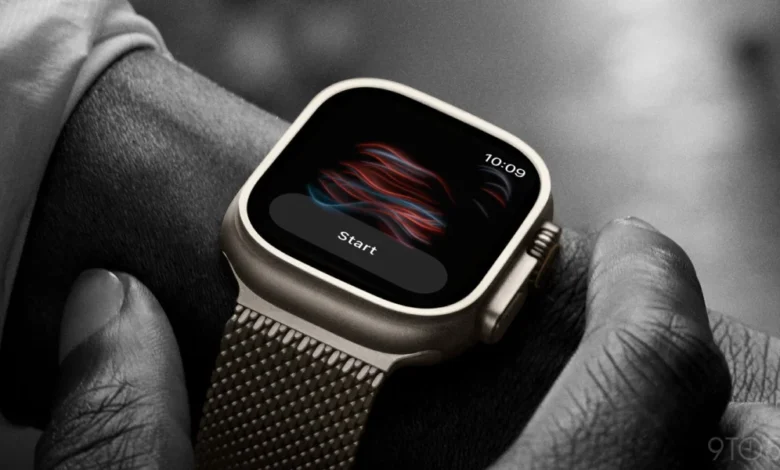
The International Trade Commission (ITC) has delivered a significant ruling in favor of Apple, declining to review an earlier decision that found the redesigned blood oxygen sensor in the Apple Watch does not infringe upon patents held by health technology company Masimo. This definitive action effectively closes the door on Masimo’s efforts to reinstate an import ban on Apple’s popular wearable devices in the United States, allowing Apple to continue offering its vital health feature without interruption. The ruling marks a crucial turning point in a protracted and high-stakes legal battle that has captivated the technology and healthcare industries for several years.
A Prolonged Legal Confrontation Over Health Technology
The genesis of this legal saga dates back several years, with Masimo initiating legal action against Apple, alleging infringement of its patented pulse oximetry technology. Masimo, a recognized leader in non-invasive patient monitoring, argued that Apple’s implementation of the blood oxygen monitoring feature in its Apple Watch devices leveraged proprietary technology and trade secrets, leading to a direct legal challenge. The dispute escalated significantly when the ITC, following an initial investigation, sided with Masimo, determining that certain Apple Watch models did indeed infringe upon Masimo’s patents.
This initial ruling prompted the ITC to issue a limited exclusion order in October 2023, which, if not overturned or mitigated, would have prohibited the importation and sale of infringing Apple Watch models in the U.S. market. Facing this potential ban, Apple, a company known for its vast legal and engineering resources, sought a temporary stay and subsequently implemented a strategic measure: it halted sales of its then-current flagship models, the Apple Watch Series 9 and Apple Watch Ultra 2, in the United States just before Christmas 2023. This proactive step was taken to comply with the ITC’s order while it pursued an appeal and, concurrently, worked on a technical workaround.

The temporary sales halt underscored the gravity of the situation for Apple, as the Apple Watch’s health monitoring capabilities, including the blood oxygen sensor, are central to its market appeal and a key differentiator in the competitive wearable technology landscape. The company quickly announced its intention to develop a redesigned version of the feature, aiming to circumvent the patent infringement claims.
Apple’s Redesign and Subsequent Regulatory Approvals
Apple’s engineering teams swiftly went to work, implementing a redesign of the blood oxygen feature. The core of this redesign involved shifting a significant portion of the data processing and algorithm execution from the Apple Watch itself to the paired iPhone. This architectural change aimed to create a legally distinct implementation of pulse oximetry that would no longer fall within the scope of Masimo’s asserted patents. The data collection still occurred on the watch, but the critical interpretive steps were offloaded, a move Apple believed would sufficiently differentiate its technology.
Following the implementation of this redesign, Apple submitted its updated watches for review by U.S. Customs and Border Protection (CBP). In January 2024, the CBP provided a crucial clearance, concluding that Apple’s redesigned blood oxygen feature did not infringe Masimo’s patents and thus permitted Apple to resume sales of the Apple Watch Series 9 and Ultra 2 with the feature enabled in the U.S. This decision by a federal agency provided Apple with a significant, albeit temporary, reprieve and allowed it to restore full functionality to its premium smartwatches in its most important market.
Predictably, Masimo vehemently disagreed with the CBP’s finding. The company filed petitions with the ITC, arguing that Apple’s redesigned feature still fell within the scope of the existing exclusion order and challenged the CBP’s decision. Masimo asserted that merely moving processing steps did not fundamentally alter the underlying technology or avoid patent infringement, setting the stage for another round of legal scrutiny.
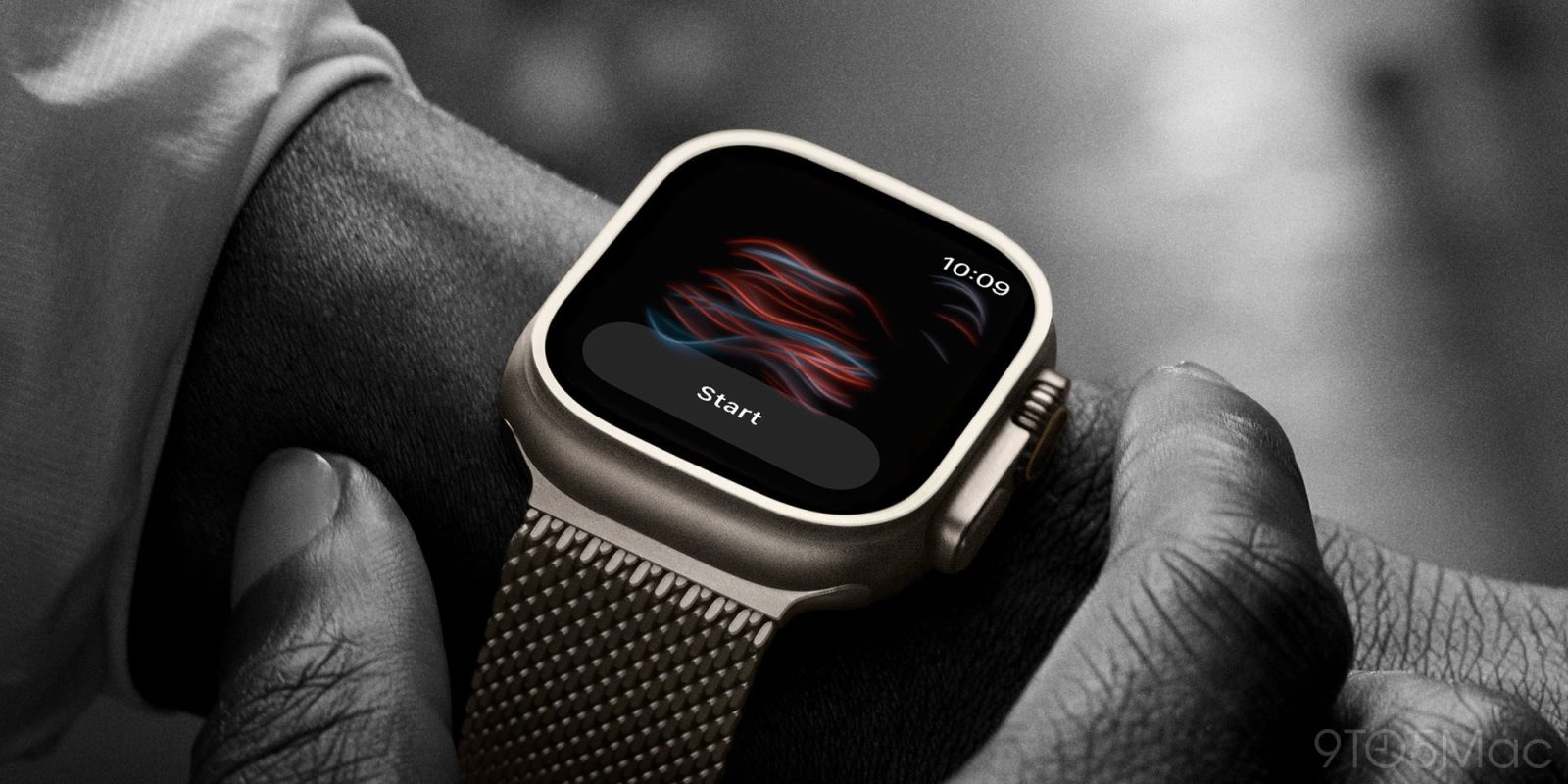
The ITC’s Deliberations and Final Verdict
The petitions filed by Masimo initiated a new phase of review within the ITC. An Administrative Law Judge (ALJ) was tasked with examining the redesigned Apple Watch models and evaluating whether they continued to infringe Masimo’s patents. After thorough deliberation and technical analysis, the ALJ issued an Initial Determination on March 18, 2026. This pivotal ruling concluded that the accused redesigned products did not infringe the asserted claims of Masimo’s patents. The ALJ’s finding was a major victory for Apple, validating its engineering efforts and legal strategy.
Following the ALJ’s determination, both Masimo and Apple had the opportunity to file petitions for a full Commission review of the EID (Enforcement Initial Determination). Masimo, seeking to overturn the ALJ’s finding, and Apple, likely seeking to affirm it and preempt further challenges, each submitted their respective petitions. The Commission then reviewed these petitions and the ALJ’s decision.
Earlier today, the ITC delivered its final verdict on the matter. The full Commission officially declined to review the ALJ’s ruling. This decision is outlined in the ITC’s communication: "The Commission has determined not to review the EID. This combined proceeding is hereby terminated in its entirety with the conclusion that the accused redesigned products do not infringe the Asserted Patents, and therefore, they should not be excluded pursuant to the terms of the LEO [limited exclusion order]." This unambiguous statement effectively terminates the enforcement proceeding and permanently lifts the threat of an import ban on the redesigned Apple Watch models.
Official Reactions and Future Outlook
In response to the ITC’s decision, Apple released a statement to 9to5Mac, expressing its satisfaction with the outcome. "We thank the ITC for its decision, which ensures we can continue to offer this important health feature to our users," an Apple spokesperson stated. The company further highlighted the relentless nature of Masimo’s legal campaign: "For more than six years, Masimo has waged a relentless legal campaign against Apple, and nearly all of its claims have been rejected. We will always defend our innovations, and remain focused on what we do best: delivering the best products and services in the world for our users."

Apple also reiterated its commitment to health and wellness features, confirming that it is pleased to continue offering its redesigned Blood Oxygen feature to users in the US, alongside other critical health functionalities such as the ECG app, hypertension notifications, and irregular rhythm notifications. The company emphasized the significant research and development efforts its teams have dedicated to creating and delivering these health, wellness, and safety features across its product ecosystem, all while maintaining a strong focus on user privacy.
While Apple celebrates this victory, the legal road for Masimo may not be entirely closed. The ITC’s decision can still be appealed to the U.S. Court of Appeals for the Federal Circuit, which specializes in patent law. Given Masimo’s persistent pursuit of its claims, an appeal to a higher court remains a distinct possibility. However, overturning an ITC decision at the appellate level can be a challenging endeavor, requiring strong arguments against the Commission’s legal and factual findings.
Broader Implications for the Tech and Healthcare Industries
The ITC’s ruling carries significant implications extending beyond the immediate parties involved. For Apple, this decision represents a monumental win. It removes a considerable legal and operational burden, ensuring uninterrupted sales of its flagship smartwatches in the crucial U.S. market. The ability to freely offer the blood oxygen feature, a cornerstone of its health monitoring suite, reinforces the Apple Watch’s competitive edge against rivals like Samsung, Google (Fitbit), and Garmin. This victory also validates Apple’s strategy of rapid technological adaptation and robust legal defense against patent infringement claims, showcasing its capacity to navigate complex regulatory and legal landscapes.
For Masimo, the outcome is undoubtedly a setback. Having invested substantial resources in this legal battle, the inability to enforce an import ban on Apple’s redesigned products diminishes a key leverage point in its pursuit of patent protection and market share. While Masimo remains a formidable player in the medical device sector, this decision highlights the challenges smaller, specialized companies face when asserting patent rights against tech giants with immense engineering and legal capabilities. The company will now need to evaluate its next steps, weighing the costs and potential benefits of further appeals.

More broadly, this case sets an important precedent for the burgeoning health technology sector. It underscores the complexities of patent law in an era of rapid innovation, particularly when medical-grade technologies transition into consumer electronics. The distinction made by the ITC between Masimo’s patented approach and Apple’s redesigned implementation—specifically, the shift of processing from the device to a paired smartphone—could influence how other companies design and implement health monitoring features to avoid infringement. This might lead to more distributed processing architectures in wearables, where the device acts primarily as a sensor, and a companion application handles the proprietary algorithms.
Furthermore, the dispute highlights the strategic importance of health features in consumer wearables. As smartwatches evolve beyond simple fitness trackers to sophisticated health monitoring devices, the intellectual property surrounding vital sign measurement becomes increasingly valuable and contested. Companies like Apple are investing heavily in these capabilities, aiming to position their devices as essential tools for personal health management, potentially even disrupting traditional healthcare models. This ruling ensures that Apple can continue to innovate and compete aggressively in this critical domain, reinforcing its vision for the Apple Watch as a comprehensive health and wellness companion.
Ultimately, the ITC’s decision reaffirms the dynamic nature of intellectual property law in the face of technological advancement. While patent holders are rightly protected for their innovations, companies with the resources to engineer alternative solutions can sometimes navigate around existing claims, provided their new implementations are legally distinct. For consumers, the ruling means continued access to advanced health monitoring features on their Apple Watches, free from the disruptions of ongoing legal disputes.
Related posts: