Samsung Launches Galaxy Card to Challenge Apple in the Fintech Sector as Ecosystem Wars Expand

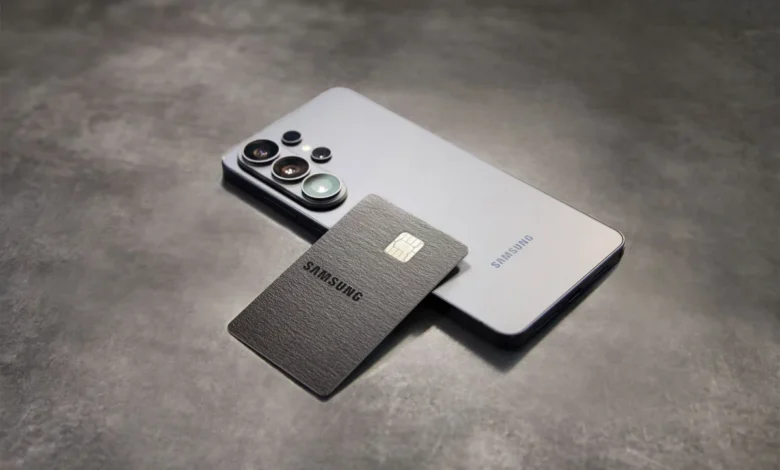
Samsung has officially entered the competitive landscape of consumer finance with the unveiling of the Galaxy Card, a strategic move designed to mirror and challenge the established dominance of the Apple Card. Announced just forty-eight hours prior to the highly anticipated summer Galaxy Unpacked event, the Galaxy Card represents Samsung’s most aggressive attempt to date to integrate financial services directly into its hardware ecosystem. This new credit product, issued by Barclays on the Visa network, seeks to capitalize on the loyalty of millions of Samsung Galaxy users in the United States, offering a suite of rewards and digital-first features that prioritize the use of Samsung Wallet over traditional physical transactions.
The timing of the announcement is particularly significant. As Samsung prepares to showcase its latest generation of folding smartphones and wearable technology at Unpacked, the Galaxy Card serves as the "connective tissue" intended to bind consumers more tightly to the brand. By offering a financial product that rewards hardware purchases and ecosystem engagement, Samsung is following a blueprint laid out by Apple nearly seven years ago, while attempting to refine the model through different banking partnerships and material choices.
Technical Specifications and the Physical-Digital Hybrid Model
Unlike the Apple Card, which famously utilized a titanium build for its physical component, the Galaxy Card is constructed from recycled steel. This choice reflects Samsung’s broader corporate initiative toward environmental sustainability while maintaining a premium, weighted feel that distinguishes it from standard plastic credit cards. Despite the presence of a physical card, the Galaxy Card is fundamentally designed as a digital-first product. Upon approval, the virtual version of the card is immediately provisioned to the user’s Samsung Wallet account, allowing for instant use via Near Field Communication (NFC) at point-of-sale terminals.
The partnership with Barclays marks a notable shift in the co-branded card landscape. While Apple originally partnered with Goldman Sachs—a relationship that is currently transitioning to Chase—Samsung has opted for Barclays, a veteran in the co-branded credit space. By utilizing the Visa network, Samsung ensures near-universal acceptance globally, a move that contrasts with Apple’s reliance on the Mastercard network.
A Tiered Rewards Structure Designed for Brand Loyalty
The Galaxy Card’s value proposition is centered on a tiered cash-back rewards system that incentivizes direct interaction with Samsung’s retail and software platforms. The rewards structure is detailed as follows:
- 5 Percent Cash Rewards: Applied to all in-store or online purchases made directly from Samsung in the United States. This includes the purchase of flagship smartphones, tablets, appliances, and televisions.
- 3 Percent Cash Rewards: Earned on all purchases made using the Galaxy Card through the Samsung Wallet app. This "tap-to-pay" incentive is designed to shift consumer behavior away from physical card swipes toward mobile payments.
- 2 Percent Cash Rewards: Dedicated to streaming service subscriptions, acknowledging the growing portion of household budgets allocated to digital entertainment.
- 1 Percent Cash Rewards: A baseline rate for all other purchases made using the physical steel card.
These rewards are redeemed as statement credits or can be transferred directly into a linked checking or savings account, providing a level of liquidity that appeals to modern consumers. To further entice early adopters, Samsung is offering a $200 cash reward for new cardmembers who spend $2,000 within the first 90 days of account opening. Additionally, the card provides a 20 percent discount on Samsung’s VIP Advantage membership, a program that bundles extended device protection, specialized technical support, and exclusive access to promotional deals.
Chronology of the Tech-Finance Convergence
The launch of the Galaxy Card is the culmination of a decade-long trend where technology giants have sought to disintermediate traditional banks. The timeline of this evolution highlights the strategic patience required to enter the highly regulated financial sector:

- 2014-2015: Apple and Samsung launch Apple Pay and Samsung Pay, respectively, focusing on the digitization of existing credit cards.
- 2019: Apple debuts the Apple Card in partnership with Goldman Sachs, introducing the concept of a "card designed by a tech company."
- 2020-2022: Samsung expands Samsung Pay into Samsung Wallet, integrating digital keys, boarding passes, and vaccine records, laying the groundwork for a dedicated credit product.
- 2023: Reports emerge of friction between Apple and Goldman Sachs, leading to the eventual announcement that Chase would take over the Apple Card portfolio.
- July 2024: Samsung announces the Galaxy Card, aiming to fill the void for Android users who were previously excluded from the "tech-card" trend.
Financial Terms and Accessibility
The Galaxy Card carries no annual fee and no foreign transaction fees, making it a competitive option for international travelers. However, the annual percentage rate (APR) is variable, determined by the individual’s creditworthiness at the time of application. Applications for the card are scheduled to open on July 22, coinciding with the retail availability of the devices expected to be announced at Galaxy Unpacked.
One of the primary critiques of ecosystem-locked cards is the "walled garden" effect. Samsung has addressed this by clarifying that the Galaxy Card is not strictly limited to Samsung device owners. While the Samsung Wallet app is exclusive to the company’s smartphones and watches, the physical card remains functional for those who might switch to a different mobile platform. In such cases, account management is handled via a dedicated Barclays online portal. This mirrors the Apple Card’s strategy, where former iPhone users can still manage their accounts via a web interface, though they lose the 3 percent daily cash perks associated with Apple Pay.
Expert Analysis: Commodity vs. Experience
Financial analysts view the Galaxy Card as a move toward "brand stickiness" rather than a revolutionary financial innovation. Brian Riley, Director of Credit Advisory Services at Javelin Strategy & Research, notes that credit cards have largely become a commodity. "How you differentiate them is really what makes the difference," Riley explains. "That’s really the big deal here—how you use your card."
Riley points out that the modern consumer often utilizes a "portfolio" of cards—one for groceries, one for Amazon, and now, potentially, one for their mobile ecosystem. However, he warns of the "revolving" trap. "One of the big challenges here on rewards is that quite often, you go in well-intentioned and you don’t get the full benefit of the rewards because you start revolving on the product," Riley says. If a user carries a balance, the interest charges can quickly exceed the value of the 3 or 5 percent cash back earned.
Sara Rathner, a credit card expert at NerdWallet, offers a grounded perspective on the impact of these tech-branded cards. She suggests that while the Apple Card did not "change the world" in the same way the iPhone did, it did innovate the user experience. Features like real-time interest calculators and the ability to see a credit offer before a "hard pull" on a credit report have now become industry standards. Rathner notes that the 3 percent reward for Samsung Wallet usage is particularly compelling for urban users. For instance, using the phone to pay for daily commutes on transit systems like New York City’s OMNY could result in significant annual savings.
Broader Implications for the Industry
The introduction of the Galaxy Card signals a new phase in the "Ecosystem Wars." For Samsung, the goal is not merely to earn transaction fees, but to gather data on consumer spending habits and ensure that when it comes time to upgrade a phone or buy a new refrigerator, the consumer is financially incentivized to stay within the Samsung family.
Furthermore, the transition of the Apple Card to Chase and the launch of the Galaxy Card with Barclays suggest a stabilization in the relationship between Big Tech and Big Finance. After the initial volatility seen with the Goldman Sachs and Apple partnership, banks are now entering these agreements with a clearer understanding of the risks and rewards.
As the Galaxy Card prepares for its July 22 debut, the industry will be watching closely to see if Samsung can successfully convert its massive hardware install base into a loyal financial user base. If successful, the Galaxy Card may prove that in the modern economy, the most valuable thing a tech company can hold is not just your data, but your wallet.