Canon’s Enduring Legacy: A Deep Dive into Cameras for the Deliberate Photographer

Canon has consistently demonstrated a remarkable ability to innovate and cater to a diverse spectrum of photographic needs, offering a comprehensive lineup that spans sophisticated DSLRs, compact point-and-shoots, and versatile APS-C offerings. While the company is renowned for its high-speed, feature-rich models, a closer examination reveals a consistent commitment to cameras that empower photographers to slow down, deliberate their shots, and ultimately, capture images with exceptional quality and artistic intent. This exploration delves into several key Canon models that exemplify this philosophy, highlighting their technical prowess and enduring appeal for photographers who value precision and thoughtful composition.
The Canon PowerShot G1 X: A Compact Powerhouse for Detail-Oriented Shooters
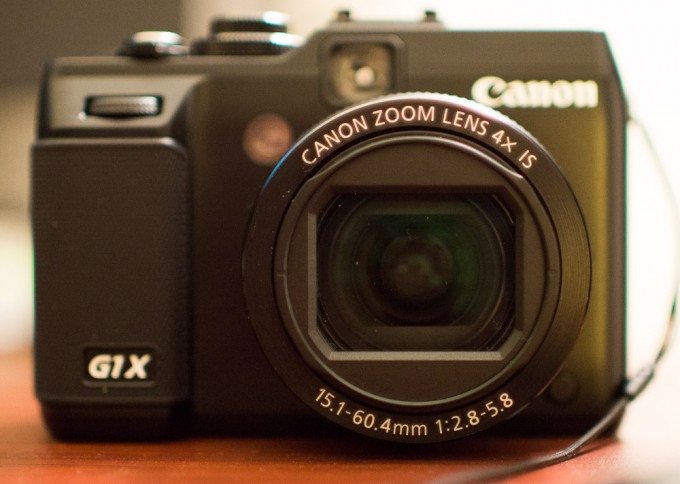
The Canon PowerShot G1 X, first introduced, represented a significant stride in the compact camera segment, bridging the gap between pocketable convenience and advanced imaging capabilities. At its heart lies a substantial 1.5-inch, 14-megapixel CMOS sensor, a departure from the smaller sensors typically found in its class at the time. This larger sensor size is crucial for delivering superior image quality, characterized by remarkable detail, excellent color reproduction, and impressive contrast.
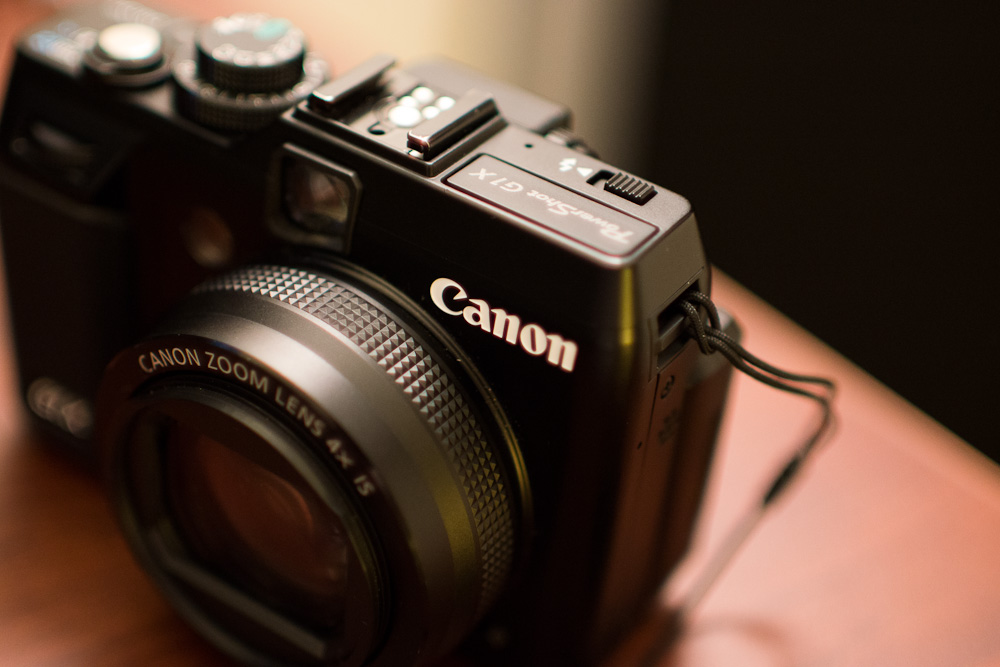
Complementing the advanced sensor is a versatile 28-112mm equivalent zoom lens. The optics are engineered for swift and responsive zooming, allowing photographers to quickly adjust their framing without missing fleeting moments. A key advantage of the G1 X, as noted in contemporary reviews, is its impressive high ISO performance. The ability to consistently capture usable images up to ISO 3200, with even some usable shots emerging from ISO 6400, significantly expands the camera’s utility in low-light environments. This capability is further enhanced by integrated lens-shift image stabilization, which permits the use of slower shutter speeds, thereby increasing creative control over exposure and motion blur.
Beyond its technical specifications, the G1 X’s design is a testament to Canon’s attention to ergonomic detail. The camera boasts a pleasingly rounded rectangular grip that provides a secure and comfortable hold. Its weight and build quality exude a sense of robust craftsmanship, reinforcing its position as a premium compact camera. This thoughtful design, coupled with its imaging prowess, made the G1 X a compelling choice for photographers seeking a high-performance, portable camera that doesn’t compromise on image fidelity.
The Canon EOS 1D Mark IV: Setting the Standard for Professional Action Photography
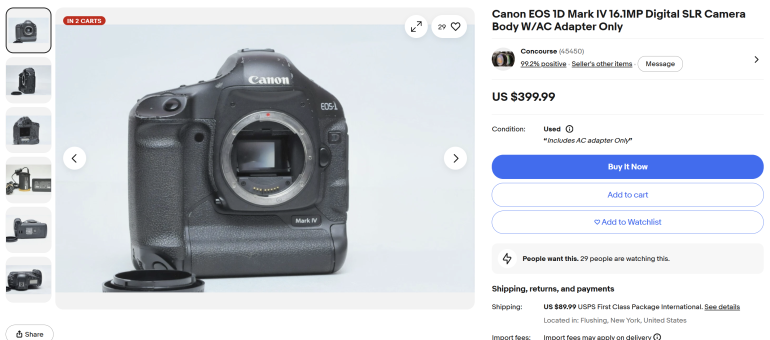
In the realm of professional photography, particularly for fast-paced and demanding genres like sports and photojournalism, the Canon EOS 1D series has long been a benchmark. The EOS 1D Mark IV, a pinnacle of DSLR technology during its era, revolutionized how photographers approached capturing dynamic subjects. This professional-grade camera is celebrated for its exceptional speed, robust build, and outstanding image quality, making it a favored tool for those who cannot afford to miss a critical moment.
The 1D Mark IV features a high-performance sensor that delivers a remarkable level of detail and superior high ISO capabilities. Images captured by this camera are rich in tonal gradation and exhibit excellent clarity, even when pushed to higher ISO settings. The camera’s ability to produce clean, detailed images at elevated ISO sensitivities is crucial for professionals working in challenging lighting conditions, such as indoor sports arenas or dimly lit event venues. Furthermore, its RAW file output retains a significant amount of image data, offering extensive flexibility during post-processing for fine-tuning exposure, color, and detail.
The physical design of the 1D Mark IV is equally impressive, built to withstand the rigors of professional use. Its weather-sealed, magnesium-alloy body ensures durability and reliability in diverse environmental conditions. The intuitive control layout, including the strategically placed joystick, enhances operational efficiency, allowing photographers to quickly adjust settings and navigate menus without diverting their attention from the subject. For professionals demanding uncompromising performance and image quality, the Canon 1D Mark IV has consistently proven to be an indispensable asset.
The Canon PowerShot G11: A Classic Point-and-Shoot with Enduring Image Quality
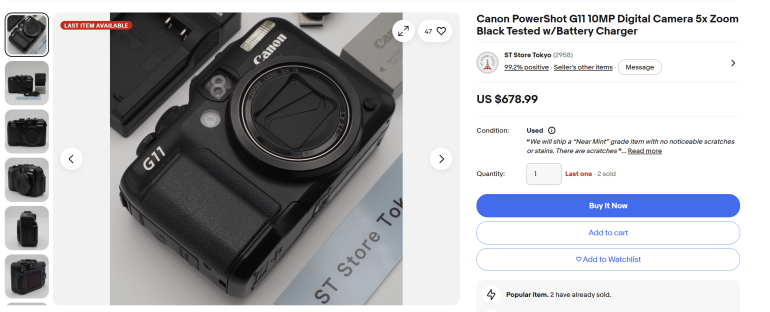
The Canon PowerShot G11, released in 2010, stands as a significant milestone in the evolution of premium point-and-shoot cameras. Even by today’s standards, its image quality remains remarkably impressive, particularly for its class. At the time of its introduction, the G11 offered a notably fast autofocus system for a compact camera, a feature that greatly contributed to its appeal for capturing moving subjects. While the pace of autofocus technology has accelerated significantly since then, the G11’s performance was considered cutting-edge, facilitating the capture of sharp, well-focused images in many situations.
A defining characteristic of the G11 is its CCD sensor, which, when paired with a flash, excels at rendering vibrant colors, especially when shooting in RAW format. This combination allows photographers to achieve a rich and nuanced color palette. The camera also delivers commendable high ISO results for its era and sensor size, further expanding its creative possibilities in less-than-ideal lighting.
The design of the G11 is both functional and aesthetically pleasing. Its robust construction and well-thought-out button layout contribute to an intuitive user experience, making it easy for photographers to access and adjust settings. As highlighted in contemporary reviews, the G11 was considered a "nearly perfect small-sensor compact targeted towards higher-end users." Despite minor flaws, its overall package offered a compelling blend of image quality, performance, and user-friendliness, solidifying its reputation as an excellent point-and-shoot option.
The Canon EOS 7D: A Versatile DSLR for Aspiring and Professional Photographers
Launched in 2010, the Canon EOS 7D emerged as a formidable contender in the enthusiast and semi-professional DSLR market. Boasting an 18-megapixel APS-C sensor and the powerful DIGIC 4 image processor, the 7D was designed to deliver exceptional image quality and performance. In many respects, it was positioned as Canon’s answer to competing offerings from other manufacturers, such as the Nikon D300s, and notably included integrated wireless flash control, a feature highly valued by studio and on-location photographers.
The 7D is capable of producing stunning images, especially when paired with Canon’s renowned L-series lenses. These professional-grade lenses, known for their superior optical quality and build, complement the camera’s capabilities, allowing photographers to achieve breathtaking sharpness, contrast, and color rendition. The camera’s robust build quality makes it an ideal companion for photographers who are often on the move, providing a reliable and durable tool for various photographic pursuits.
The 7D’s versatility has made it a favored choice for a wide range of photographic disciplines. As observed in its initial reception, the camera was well-suited for "event photographers, wedding photographers, photojournalists, sports photographers, concert photographers and celebrity photographers," all of whom would find its comprehensive feature set and performance capabilities to be a significant asset. It provided a solid platform for younger photographers to hone their skills while also meeting the demands of seasoned professionals.
The Canon EOS 5D Mark IV: The Full-Frame Benchmark for Image Excellence
The Canon EOS 5D Mark IV, a full-frame DSLR, represents a sophisticated evolution of Canon’s celebrated 5D series. Featuring a 30.4-megapixel full-frame CMOS sensor, it stands as one of Canon’s premier DSLRs, offering a compelling combination of resolution, speed, and advanced features. The camera’s construction is a testament to Canon’s commitment to durability, with a weather-resistant build and a rugged body designed to withstand challenging environmental conditions. This resilience ensures reliable operation for professionals working in diverse locations and situations.

A significant highlight of the 5D Mark IV is its exceptionally capable autofocus system. It delivers flawless and rapid focusing, even in challenging low-light scenarios, making it adept at capturing critical moments with precision. The image quality produced by the 5D Mark IV is consistently outstanding. Photos are characterized by their vibrant colors, impressive dynamic range, and the ability to retain fine details, even in the brightest highlights and deepest shadows. This dynamic range is crucial for photographers who need flexibility in post-processing to recover details and fine-tune their images.
The high ISO performance of the 5D Mark IV further enhances its appeal. It produces clean and detailed images at elevated ISO settings, allowing photographers to maintain image quality without resorting to excessive noise reduction, which can degrade detail. This capability is invaluable for wedding photographers, portrait artists, landscape photographers, and anyone working in ambient light conditions where flash might be impractical or undesirable. Coupled with a vast array of compatible EF-mount lenses, the 5D Mark IV offers photographers unparalleled creative freedom and the tools to achieve exceptional artistic results. Its enduring presence in the professional market underscores its status as a benchmark for full-frame DSLR photography.