Tides of Annihilation: Jennifer English Steps Down Amidst Health Concerns, New Voice Actor Introduced

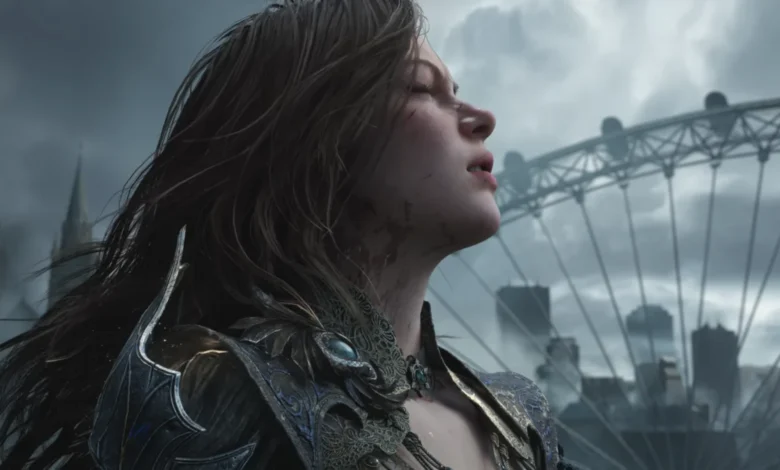
The highly anticipated action game, Tides of Annihilation, developed by Chinese studio Eclipse Glow Games, is navigating a significant shift in its voice cast. Award-winning actor Jennifer English, who has been integral to the project since its inception, has announced her withdrawal from the role of Gwendolyn, the game’s main protagonist. English cited personal health reasons, specifically the need to prioritize her mental and physical well-being, as the driving force behind this "difficult yet personally necessary decision."
A Personal Journey and a Fond Farewell
Jennifer English shared her decision with her followers on Instagram, expressing deep gratitude for her involvement in Tides of Annihilation. "I’m really grateful to have been part of Tides of Annihilation since the game’s inception and to have worked with such a lovely team," English stated. She elaborated on the personal introspection that led to her departure: "Recently, I’ve found myself needing to slow down and reassess the commitments I’ve taken on. After careful thought, I’ve realised I need to take time to rest and properly look after my mental and physical health. With that in mind, I’ve made the difficult – yet personally necessary – decision to step away from the project as it moves into its next phase."
English emphasized her continued commitment to the game in an advisory capacity. "Although I’ll be stepping away from the role, I’m happy to remain involved with Tides of Annihilation as an advisor, and I look forward to supporting the team and Gwen’s journey in a different capacity," she explained. "I wish the entire team nothing but success, and I’ll be cheering them on as they continue bringing the game to life. Thank you for your understanding and support."
Her departure was further solidified by an official statement from the Tides of Annihilation development team on X (formerly Twitter). The statement, posted on July 18, 2026, read: "We have some sad news to share, that Jennifer English will be stepping away from her role as the English voice of Gwendolyn, the main protagonist in Tides of Annihilation due to personal health reasons. She will continue to support the project in an advisory role." This sentiment was echoed by Eclipse Glow Games, who expressed their understanding and respect for English’s decision.

A Seamless Transition and a Promising New Voice
While English’s withdrawal marks an end to her direct vocal performance as Gwendolyn, her influence on the project remains significant. She played a key role in identifying and recommending her successor. "English added that she introduced the development team to ‘a very talented’ if unnamed actor ‘who I believe is a wonderful fit for Gwen’," the article stated. English expressed her confidence in the new performer, highlighting her "passion, talent, and care for the craft." She added, "I’m excited for players to hear her interpretation of the role and can’t wait for players to experience what she brings to Gwen."
Eclipse Glow Games confirmed the smooth transition, stating, "We’re excited for players to experience her interpretation of Gwendolyn." They further revealed that the new voice actor is currently in the process of recording Gwendolyn’s English performance for an upcoming hands-on demo to be showcased at Gamescom 2026. Players will have their first opportunity to hear her portrayal in this demo, scheduled for August, and through select official updates released concurrently. The studio alluded to the new actor’s recent work in video games, noting that it had left a strong impression on both English and the development team, suggesting a high caliber of talent stepping into the role.
Background and Context of Tides of Annihilation
Tides of Annihilation, developed by the emerging Chinese studio Eclipse Glow Games, first captured public attention in February 2025 during a PlayStation State of Play event. The game promises a unique fusion of modern-day London with the rich tapestry of Arthurian legend. Its gameplay is described as drawing inspiration from the fast-paced, stylish combat of titles like Bayonetta, offering players the chance to embody Gwendolyn on a quest for the Holy Grail. A key gameplay mechanic highlighted is the ability to command spectral forms of the Knights of the Round Table, blending an Elden Ring-esque fantasy aesthetic with the contemporary urban landscape of the British capital.
The game is slated for release on PC (with distribution planned for Xbox, Epic Games Store, and Steam), PlayStation 5, and Xbox Series X/S. Tides of Annihilation is part of a growing trend of high-profile action games emerging from China, following in the wake of significant international success seen with titles like Black Myth: Wukong. The upcoming Gamescom event will provide a crucial opportunity for players to experience a hands-on demo of the game, offering a more tangible glimpse into its gameplay mechanics and narrative.
Analysis of Implications
Jennifer English’s departure, while personal, underscores a growing conversation within the gaming industry regarding the demanding nature of AAA game development and its impact on the well-being of its talent. Her proactive decision to prioritize her health, coupled with the studio’s supportive response, sets a positive precedent for how creative professionals can navigate such challenges. The successful integration of a new voice actor also speaks to the resilience and collaborative spirit within the development team.

The introduction of a new performer for Gwendolyn at this stage of development, particularly with a major demo on the horizon, is a testament to the team’s preparedness and commitment to delivering a polished experience. The anticipation for the Gamescom demo will likely be heightened, with players eager to assess the new voice actor’s performance and its impact on the character of Gwendolyn. The continued advisory role of Jennifer English suggests a commitment to maintaining the integrity of her initial vision for the character, even as a new voice takes the helm.
The success of Tides of Annihilation, both critically and commercially, will be closely watched, especially as it represents a significant venture for Chinese developers in the global action game market. The game’s ability to blend familiar genre elements with a unique narrative and setting, alongside its strong voice acting and character performances, will be key factors in its reception. The transition in voice talent, managed with transparency and professionalism, positions the game to move forward with its development and marketing efforts without significant disruption, allowing the focus to remain on the quality of the final product.
A Look Ahead: Gamescom and Beyond
With the Gamescom 2026 demo on the horizon in August, the industry will be keenly observing Tides of Annihilation. The demo will not only showcase the gameplay but also provide the first public audition for Gwendolyn’s new English voice. This moment will be crucial for setting player expectations and reinforcing the game’s narrative and character development. Eclipse Glow Games’ commitment to showcasing the new performance in official updates during the same period indicates a strategic approach to managing this significant change within their promotional campaign.
The studio’s concluding remarks in their statement were a poignant tribute to Jennifer English’s contributions: "We’d also like to thank Jennifer for everything she brought to the character and to the project. Her performance brought depth, strength, vulnerability, and heart to the role. We have truly enjoyed this journey together, and wish Jennifer all the very best, and most importantly, good health and happiness in whatever comes next." This gracious acknowledgment underscores the positive working relationship and the mutual respect that characterized English’s tenure on the project, paving the way for a hopeful future for both the actor and the game. The development of Tides of Annihilation continues, with the team focused on bringing their ambitious vision to players worldwide.