Tales of Eternia Remastered Review: Breathing New Life into a JRPG Classic

Originally published by Bandai Namco in the year 2000 for the original PlayStation, Tales of Eternia established itself as the third mainline installment in the critically acclaimed Tales franchise. Developed at the time by Wolf Team, the game earned widespread commendation for its high-octane, action-oriented combat mechanics, vibrant cast of characters, and witty script. However, its initial trajectory in Western markets was noticeably hampered. When localized for the original PlayStation and later the PlayStation Portable (PSP), Western iterations suffered from notable omissions, specifically the absence of character-driven dialogue scenes known as "skits," alongside uneven voice acting.
Fast forward to October 16, 2026, and the release of Tales of Eternia Remastered—developed by TOSE Co. and published by Bandai Namco—marks a concerted effort to correct these historical oversights. Available across the PlayStation 5, PlayStation 4, Xbox Series X, Xbox Series S, Nintendo Switch, and the newly launched Nintendo Switch 2, the remaster offers a comprehensive refinement designed to appeal to both nostalgic veterans and a contemporary audience. Following a comprehensive playthrough exceeding 30 hours, which encompassed the primary narrative arc, expansive side quests, and exploration of the parallel realms of Inferia and Celestia, the title demonstrates how thoughtful quality-of-life additions can successfully bridge a 26-year generational gap.
The Mechanics of Modernization: The Boost Function Suite
The core architectural enhancement of Tales of Eternia Remastered lies in its comprehensive Boost Function suite. Recognizing that pacing standards in role-playing games have shifted dramatically over the past two decades, TOSE Co. implemented a versatile set of toggles and adjustable parameters. These features allow players to tailor the gameplay loop to individual preferences, significantly mitigating the friction traditionally associated with retro JRPGs.
Among the standout inclusions are a random encounter toggle, adjustable difficulty settings, expanded item capacity limits, and a customizable Experience Point (EXP) gain adjuster. Furthermore, the option to restore Technical Points (TP)—the resource consumed when executing special skills—during camping intervals dramatically streamlines dungeon crawling and resource management.
Despite the profound utility of these additions, minor interface hurdles remain. Accessing the Boost Function requires navigating through the main menu into a dedicated Customize section, a process that can feel somewhat cumbersome during prolonged play sessions. Reviewers note that mapping specific functions, such as disabling random encounters, directly to controller hotkeys on platforms like the Nintendo Switch 2 would have elevated the user experience.
Audio-Visual Overhaul and Performance Metrics
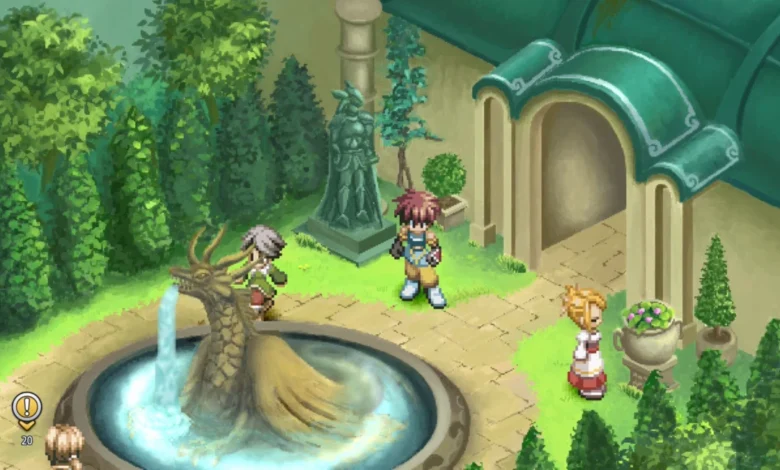
Visually, Tales of Eternia Remastered adopts a conservative approach, functioning as a remaster rather than a ground-up remake. The visual enhancements are relatively subtle, intended to clarify obscured details rather than radically reinvent the aesthetic framework. Intricate detailing on architectural statues and sharper environmental foliage benefit noticeably from the updated graphics mode, while the classic pixel sprites have been polished without losing fidelity to their original design.
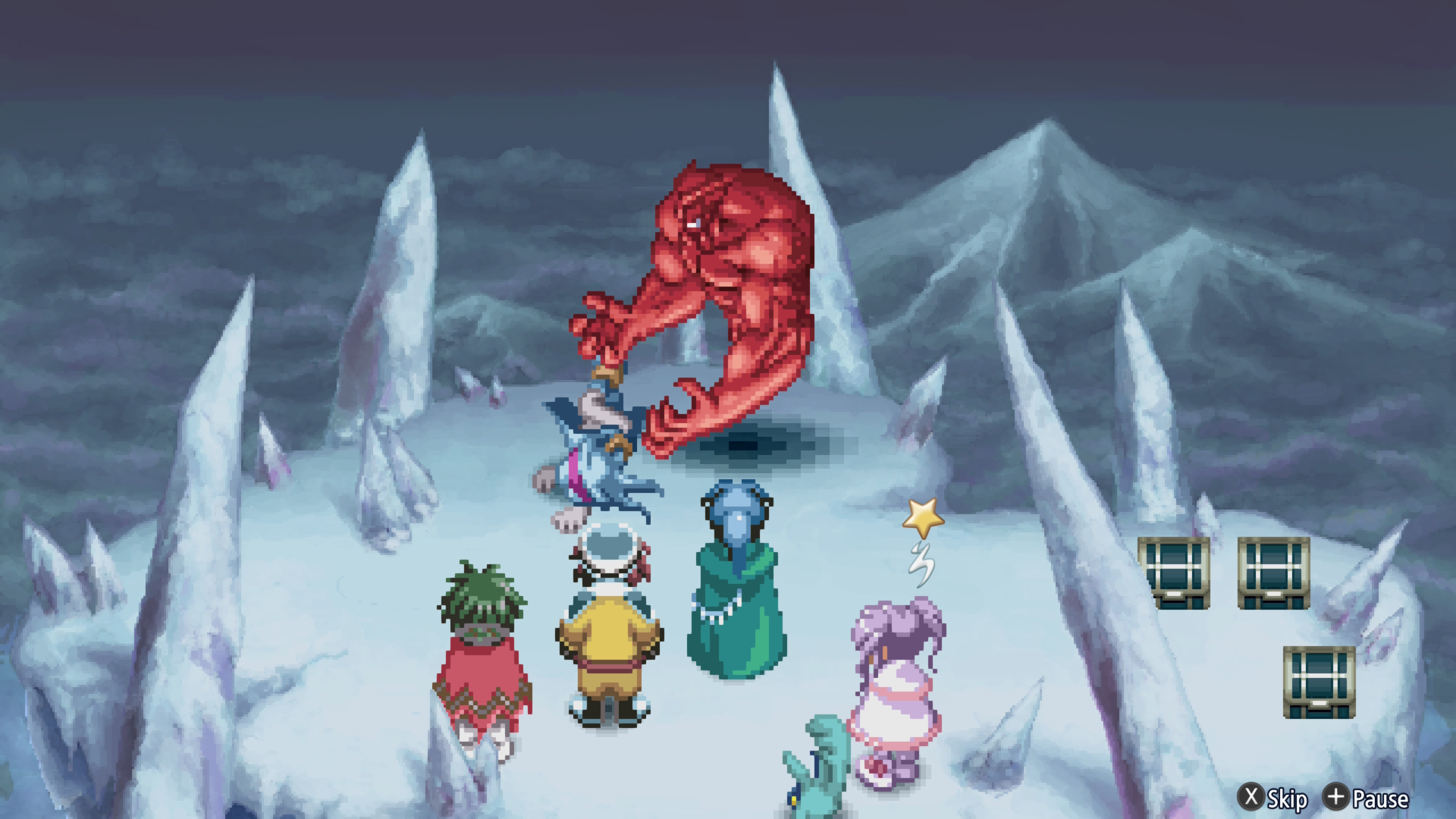
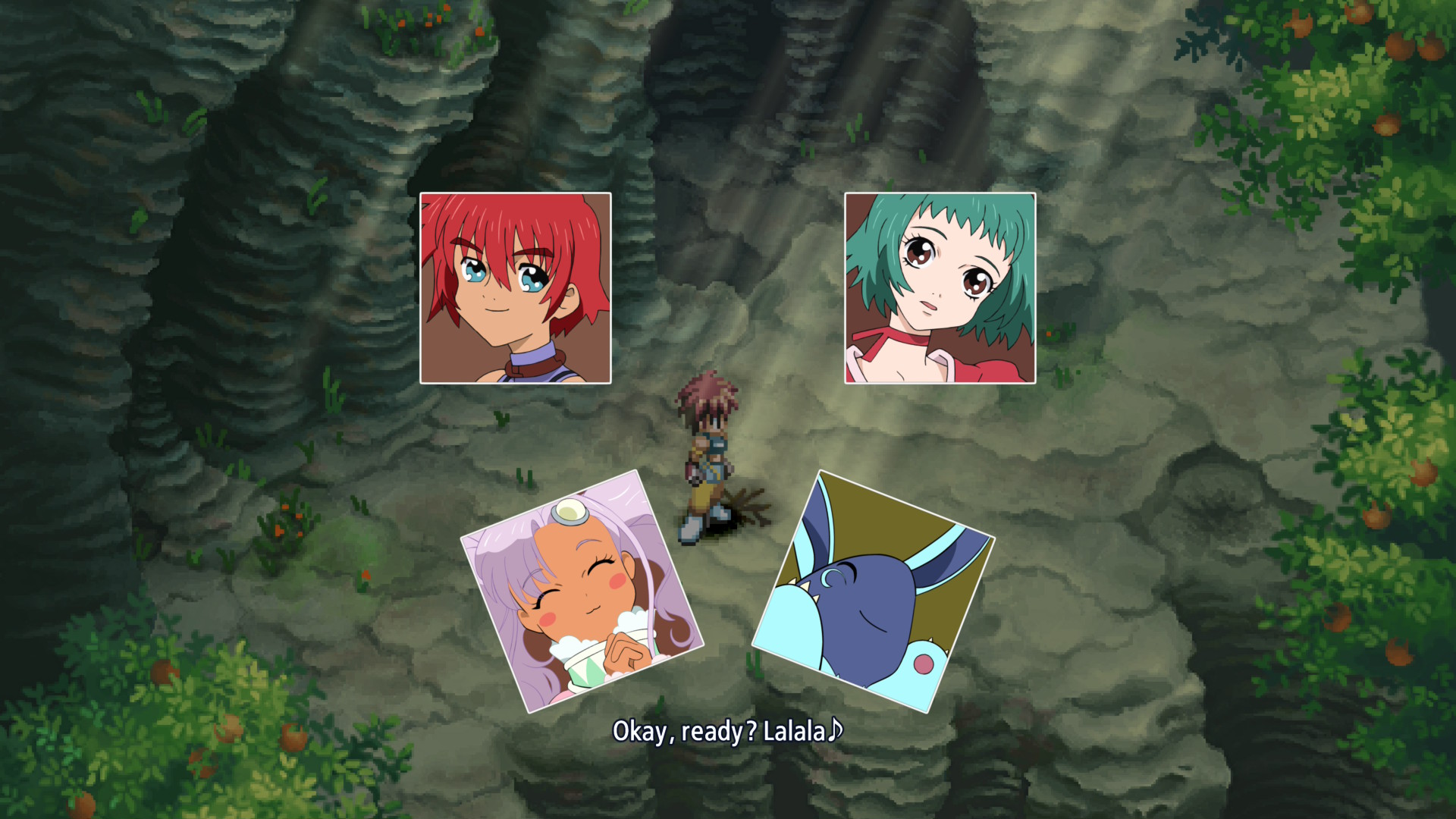
However, the graphical treatment is not without its inconsistencies. Pre-rendered cutscenes have been adapted into a widescreen presentation, utilizing a smoothing filter that occasionally yields underwhelming results. Characters and backgrounds within these cinematic sequences can appear somewhat lacking in definition, exposing the inherent limitations of the source material. Conversely, the newly recorded English voice acting has been universally praised for capturing character nuances, while the long-awaited inclusion of localized skits adds emotional depth and humor during rest stops.
Performance metrics across current-generation hardware reflect a high degree of technical optimization. On the Nintendo Switch 2, the title runs at a crisp 4K resolution in docked mode and 1080p in handheld configurations, maintaining a locked 60 frames per second (fps) throughout. Zero technical hiccups or frame drops were registered across extensive testing, solidifying modern hardware as an optimal destination for the title.
Narrative Framework and Character Dynamics
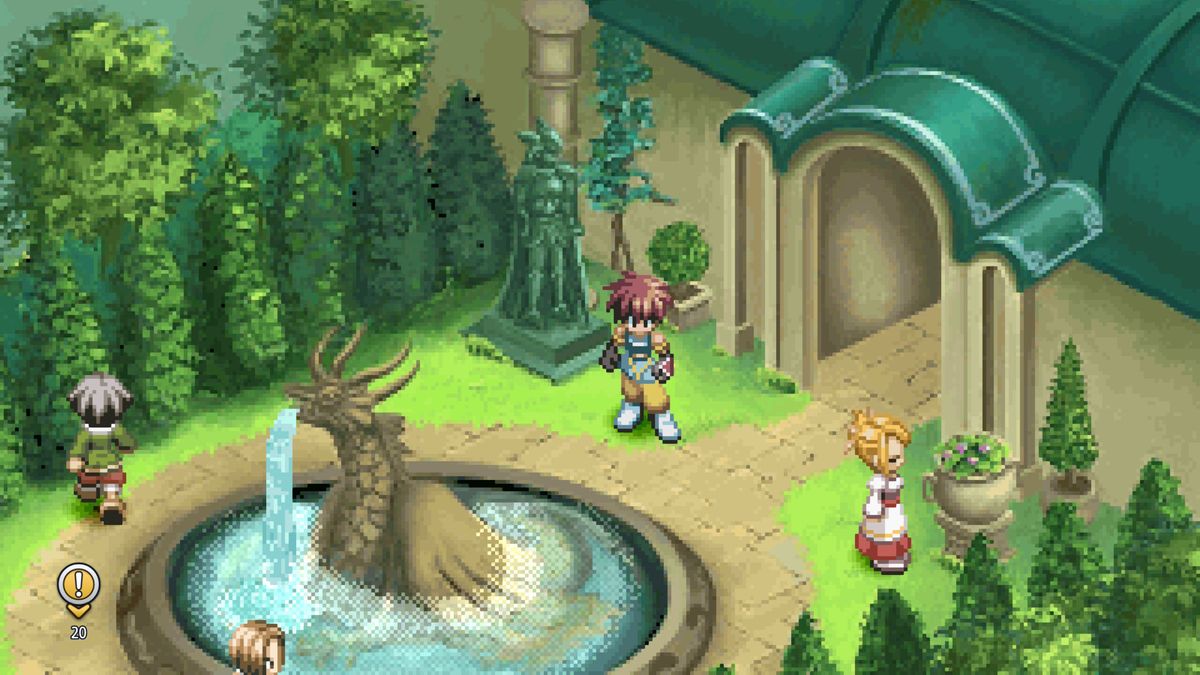
Set against a sprawling fantasy backdrop, the narrative follows a familiar structural premise: a world facing imminent destruction, necessitating a journey by a band of young heroes. While the overarching plot relies on traditional save-the-world tropes, the character writing elevates the experience well above standard genre conventions.
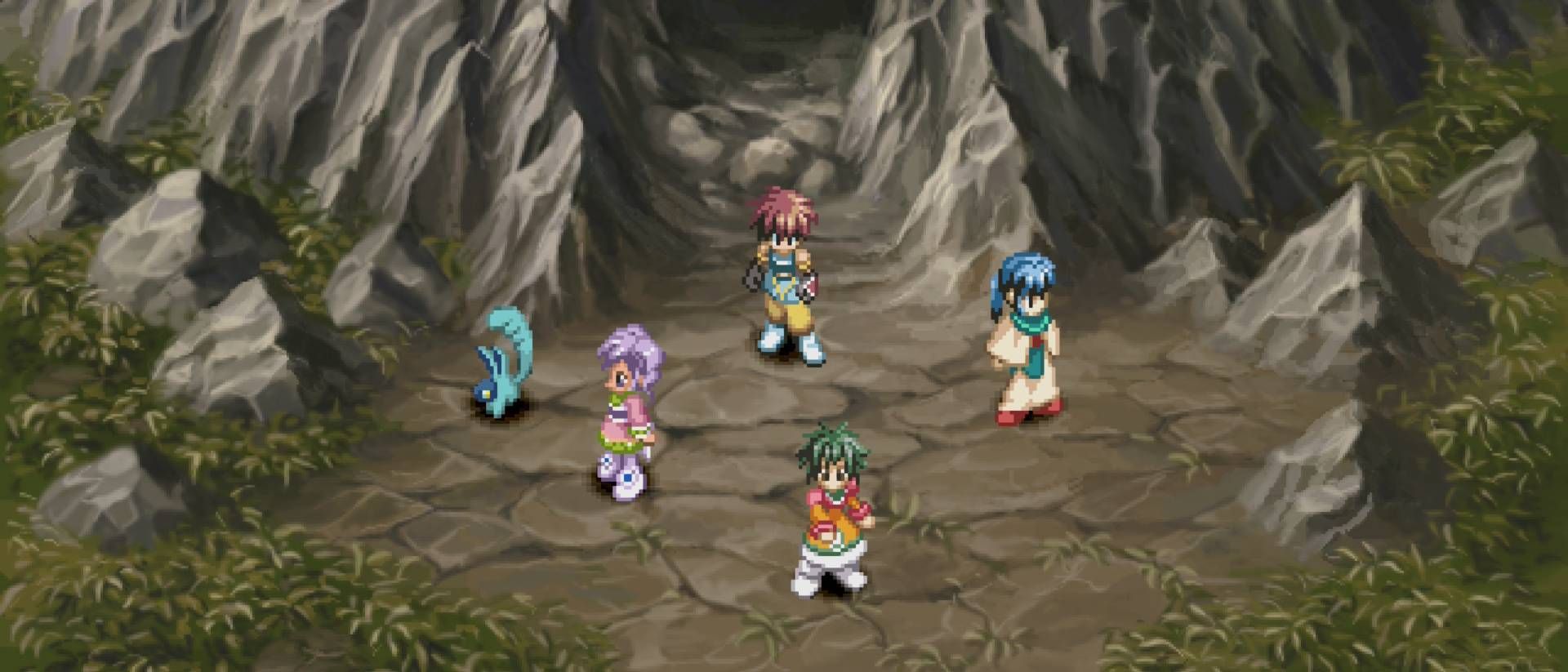
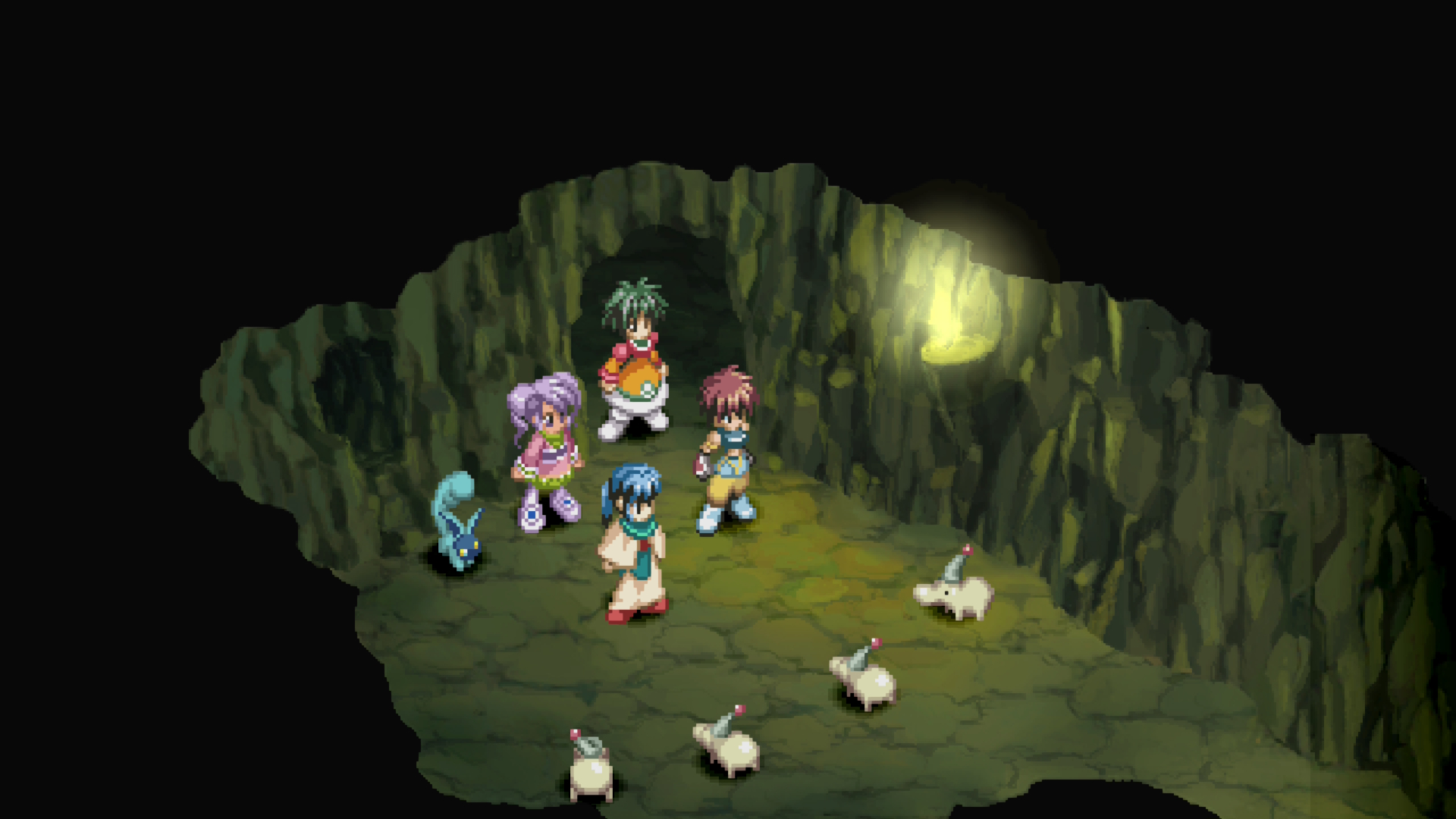
The primary party consists of four distinct archetypes: Reid, a reluctant protagonist inadvertently thrust into leadership; Farah, a contemplative and resilient martial artist; Keele, an academically arrogant scholar whose pragmatic friction provides considerable comedic relief; and Meredy, a curious and compassionate foreigner whose enigmatic origins drive much of the central conflict. By avoiding the more tedious tropes common to early 2000s JRPGs, the character interactions remain memorable and engaging.
Combat Dynamics and Strategic Depth
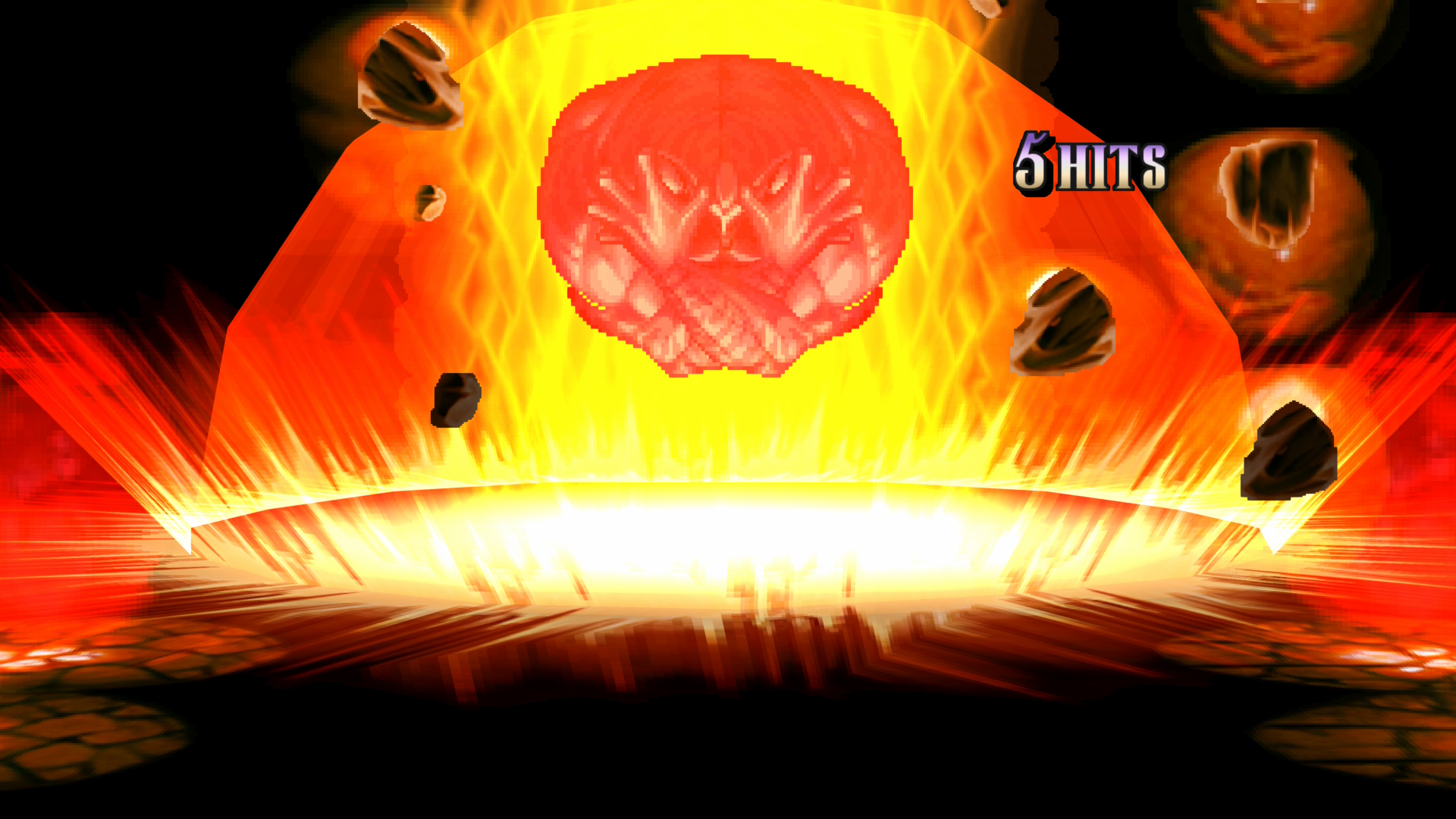
Combat remains the defining pillar of Tales of Eternia. Operating as a hybrid between traditional fighting games and classic RPG mechanics, the system emphasizes reactive, action-based commands. Players chain Artes together to execute devastating combos, requiring tactical foresight and positioning, particularly during formidable boss encounters such as the Greater Craymel, Celsius.
To maintain momentum, the title incorporates an instantaneous battle retry feature, removing the punitive friction of traditional game-over screens. For players wishing to bypass repetitive skirmishes, an automated battle mode allows AI companions to manage routine encounters while still accumulating necessary experience points for major milestones.
Broader Industry Implications and Accessibility
Tales of Eternia Remastered enters a crowded marketplace where retro remasters face intense scrutiny regarding value and execution. By pricing the title competitively and offering roughly 25 to 30 hours of focused, well-paced content, Bandai Namco has avoided the pacing bloat that frequently alienates modern gamers from the JRPG genre.
Accessibility considerations have also been meaningfully integrated. Beyond standard subtitle toggles, auto-text advancement, and button remapping, visual puzzles that previously relied exclusively on color identification have been redesigned to incorporate distinct non-color visual markers. While a dedicated colorblind mode is absent, these structural adjustments broaden the game’s accessibility footprint.
Ultimately, Tales of Eternia Remastered succeeds in rehabilitating a forgotten chapter of Bandai Namco’s catalog. While minor interface clutter and uneven cutscene scaling prevent it from achieving absolute perfection, its robust customization suite, refined audio presentation, and timeless combat mechanics ensure that this classic adventure is well-equipped for contemporary audiences.