The First Vinyl Record You Spin: A Deep Dive Into Audiophile Rituals and the Search for Sonic Perfection

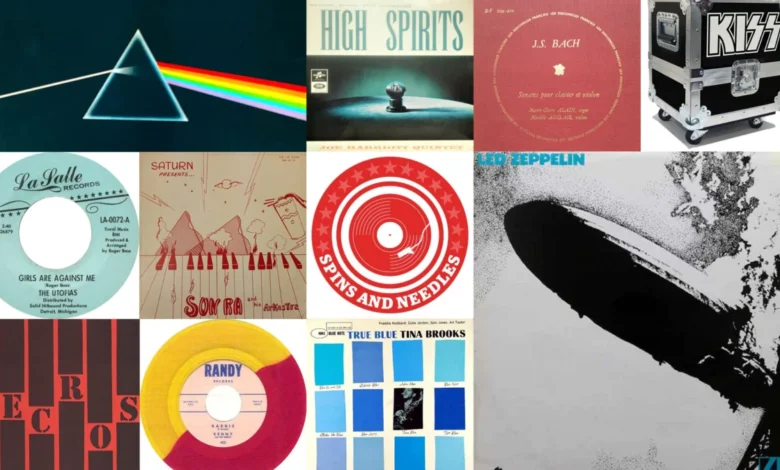
The intersection of high-fidelity audio equipment and the emotional connection to music is a cornerstone of the audiophile community. For enthusiasts, the act of "christening" a new turntable—playing the first record on a freshly installed system—is more than a simple technical test; it is a ceremonial milestone that defines the relationship between the listener and their hardware. Recently, a query posed to the reader community regarding their go-to "first spin" albums elicited a flood of responses, revealing that the choice of music for such an occasion is governed by a complex mix of nostalgia, technical evaluation, and personal preference.
The Anatomy of an Audiophile Ritual
When a listener invests in a new turntable, whether it is an entry-level belt-drive model or a high-end, precision-engineered deck like the Rega Planar 6, the initial playback serves a dual purpose. First, it functions as a basic diagnostic check to ensure the tonearm is balanced, the cartridge is aligned, and the platter speed is accurate. Second, it serves as an emotional benchmark.
The data provided by the reader responses highlights a clear divide between two schools of thought. On one side are the "technical auditors," who choose albums based on high production values, dynamic range, and frequency response. On the other are the "emotional anchors," who prioritize albums with deep personal significance, often linked to their first experiences with high-quality sound.
Chronology of the Debate
The discourse began in early October when the editorial team at What Hi-Fi? published a prompt inviting readers to share their selection for the first record played on a new turntable. Within minutes of the article’s publication, the response was instantaneous, indicating a high level of engagement with the topic.
- Initial Phase: The conversation was dominated by classic hi-fi test tracks. Early contributors cited St. Germain’s Tourist for its intricate dynamic layering and Dire Straits’ Telegraph Road for its expansive soundstage.
- Mid-Phase: As the thread expanded across various social media platforms, the scope of genres widened significantly. The inclusion of Pink Floyd’s Delicate Sound of Thunder signaled a move toward live recordings, which are often used to gauge how a system handles ambient space and crowd acoustics.
- Final Phase: By the end of the first week, the discussion shifted from specific technical recommendations to philosophical debates about the nature of audio appreciation. Readers began sharing personal anecdotes, such as connecting their choice to their first-ever stereo system, effectively turning the thread into a digital archive of audio history.
Data-Driven Perspectives on Audio Testing
The selection of test material is not arbitrary; it is rooted in the physics of sound reproduction. Albums like those by Earth, Wind & Fire or Pink Floyd are frequently cited because they contain dense arrangements that require a system to exhibit high levels of separation.

When a user selects an album like That’s The Way Of The World, they are often testing the system’s ability to handle complex bass transients and mid-range clarity. Conversely, those choosing contemporary metal or rock are often testing the system’s "headroom"—the ability to play at high volumes without introducing distortion or clipping.
However, industry experts often note a tension between "test-ready" recordings and "listener-preferred" recordings. While a highly compressed, poorly mastered record might sound thin on a high-end system, it remains a favorite for many. The consensus among the community is that a system is only as good as the enjoyment it provides, leading to a shift in how retailers and reviewers approach system demonstrations.
The Impact of Personal History
One of the most compelling aspects of the recent discourse was the revelation of how early audio experiences dictate future habits. For many, the "first record" is a callback to a formative moment. Whether it was a Yamaha receiver from the 1970s or a modern integrated amplifier, the association between a specific song and the first time an listener felt they were truly "hearing" music is powerful.
This phenomenon is supported by psychological studies on music and memory. The "reminiscence bump," where individuals have an increased recall of music heard during their youth, plays a significant role in which albums are chosen to test new gear. When a user plays an album that they have known for decades, they possess an internal "reference master." They know exactly how the snare drum should hit or how the vocal track should sit in the mix. Any deviation from this memory—whether an improvement in clarity or a shift in tonal balance—becomes the metric by which the new hardware is judged.
Industry Implications and the "Whatever Makes You Happy" Philosophy
The shift in the hi-fi industry toward more inclusive and accessible audio has been mirrored by this shift in consumer attitudes. Historically, the audiophile world was often criticized for being overly focused on technical specs, sometimes at the expense of the music itself.
The recent reader engagement suggests a move away from this rigid, sometimes elitist, approach. The prevailing sentiment—that there is no "correct" record to play, provided the listener finds joy in it—is a positive development for the industry. It lowers the barrier to entry for new enthusiasts who might otherwise feel intimidated by the technical demands of the hobby.

Furthermore, retailers and manufacturers have begun to take note. Modern demonstrations at high-end audio shows now frequently feature a wider variety of music, moving away from the "audio show staples" (such as over-produced jazz or simple folk) to include diverse genres that represent the actual listening habits of the public.
Conclusion: A Synthesis of Science and Sentiment
Ultimately, the ritual of the first spin is a synthesis of science and sentiment. While there are objective differences in the quality of recordings—a fact acknowledged by the community, with some even pointing to the poor production quality of certain punk records as a limitation—the goal of hi-fi remains the same: to facilitate an emotional connection.
The data provided by our readers proves that whether one is testing for the precise placement of instruments in a soundstage or simply revisiting a childhood favorite, the act of playing a record is a deeply personal endeavor. As the hi-fi landscape continues to evolve with new digital-analog hybrids and wireless turntable technologies, the fundamental desire to hear one’s favorite music with maximum clarity and resonance remains constant.
In summary, the next time you find yourself setting up a new turntable, the technical advice remains clear: use something you know inside and out. But the emotional advice is even more pertinent: pick the record that brings you the most joy. After all, the best system in the world is the one that makes you want to keep listening.
Related posts: