Apple is poised to capture nearly 30% of the global foldable smartphone market by 2027 following the successful launch of the iPhone Duo.

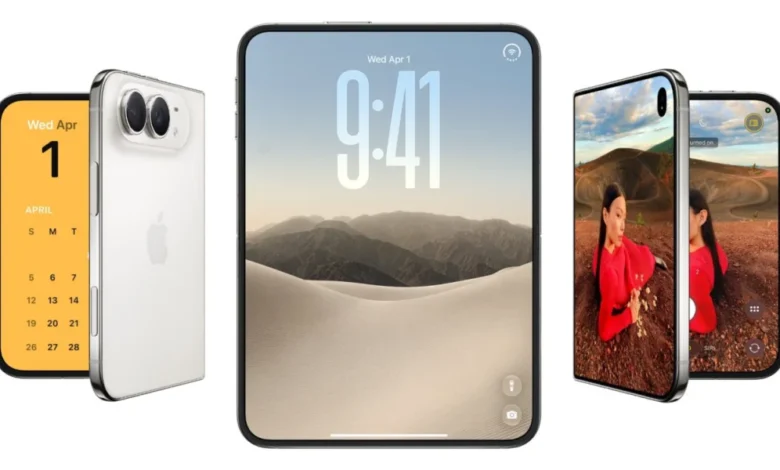
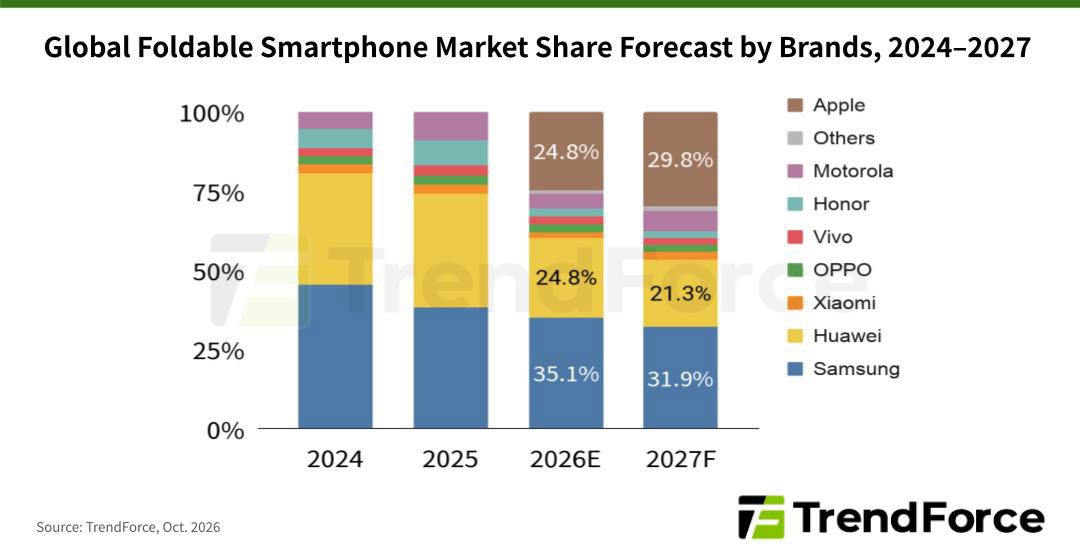
The landscape of the premium smartphone industry is undergoing a seismic shift as Apple’s inaugural entry into the foldable device segment, the iPhone Duo, begins to gain significant traction among consumers. Following a week of initial retail availability, market research firm TrendForce has reaffirmed its bullish outlook on the device, projecting that Apple will secure a 29.8% share of the global foldable smartphone market by the end of 2027. This rapid ascent signifies a potential paradigm shift in a niche market that has, until now, been dominated by early movers like Samsung and Huawei.
A Chronology of the iPhone Duo Launch
The path to Apple’s market entry was marked by years of speculation and internal development, culminating in the official announcement of the iPhone Duo last month. The anticipation surrounding the device reached a fever pitch in early September 2026, when Apple confirmed the hardware specifications and the specialized software ecosystem designed to accommodate the unique folding form factor.
Within 24 hours of the unveiling, TrendForce issued its initial market assessment. At that time, analysts predicted that Apple would ship approximately 5 million units of the iPhone Duo before the close of 2026, capturing a 24.8% market share almost immediately upon launch. This projection was particularly notable given that the broader foldable market was experiencing a period of stagnation, with Android-based competitors witnessing a year-over-year decline in shipments exceeding 20%.
As of late October 2026, with the device now in the hands of consumers for nearly a week, initial supply chain reports and sell-through data suggest that the demand for the iPhone Duo remains robust. This momentum has led analysts to revise their long-term forecasts upward, cementing the expectation that Apple will challenge the current market leaders within its first full year of commercial availability.
Analyzing the Market Dynamics
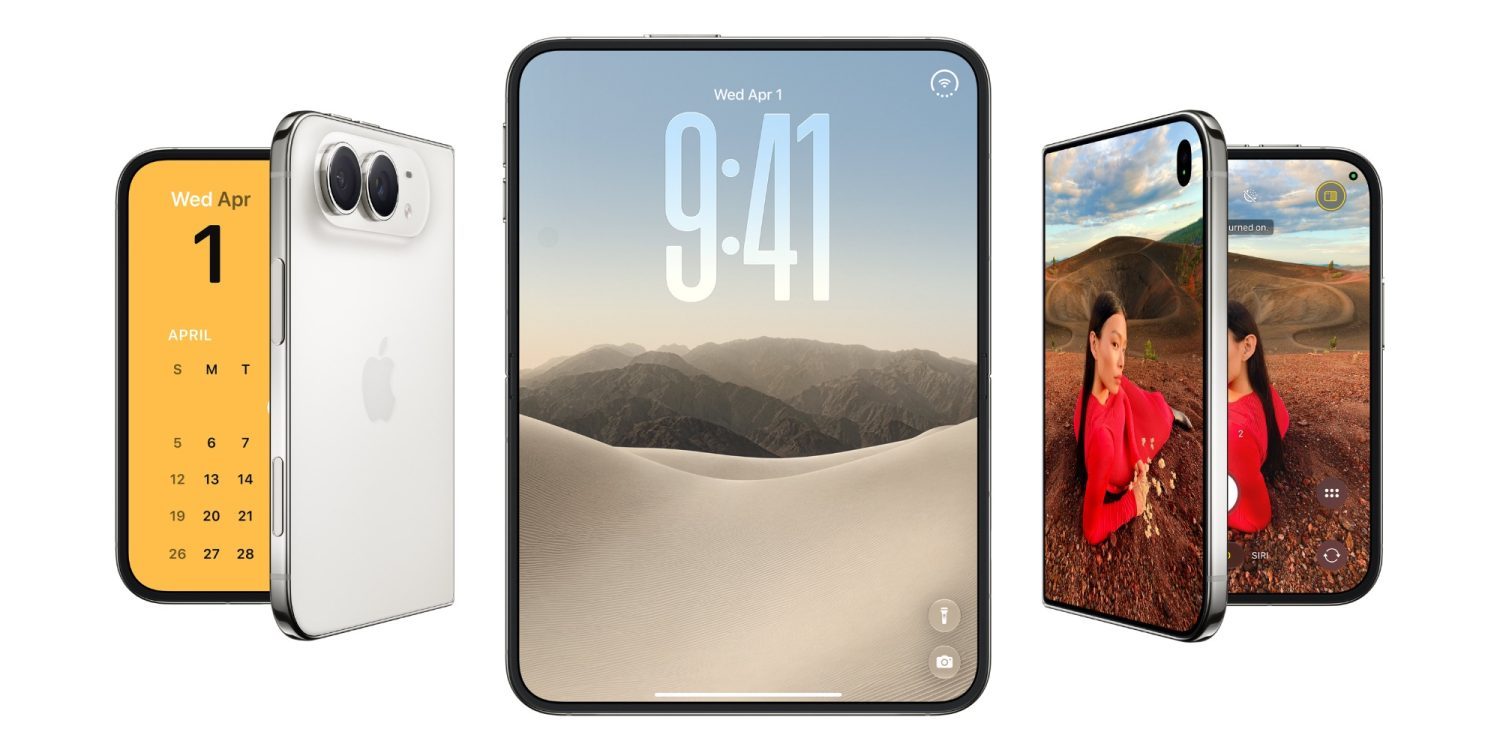
The foldable smartphone segment has historically been characterized by hardware innovation—primarily the mechanics of the hinges and the durability of flexible OLED displays. However, Apple’s entry is signaling a pivot in the industry. According to TrendForce, Apple’s primary competitive advantage is not necessarily the physical folding mechanism, but rather its unparalleled ability to integrate silicon, the iOS operating system, and a deeply entrenched developer ecosystem.
This integration is critical. For foldable devices to move beyond a "novelty" phase, they must provide tangible productivity gains. Apple’s approach focuses on multitasking efficiency, allowing users to leverage the expanded display area through seamless application handoffs and optimized software layouts. By providing developers with the tools to adapt their applications for the Duo, Apple is creating a cohesive experience that many existing foldable competitors have struggled to replicate consistently.
Competitive Landscape and Projected Shifts
The entry of the iPhone Duo is expected to redraw the competitive map of the industry. Current projections for 2027 indicate a tightening race at the top of the market:
- Samsung: As the incumbent leader, Samsung is expected to see its market share contract from 35.1% in 2026 to 31.9% in 2027. While the company maintains a strong global footprint, the entry of a high-profile competitor like Apple typically forces a redistribution of market share among existing players.
- Apple: Moving from a standing start in late 2026 to a projected 29.8% in 2027, Apple’s growth curve is expected to be one of the steepest in the history of the smartphone sector.
- Huawei: Facing competitive pressure from both domestic and international rivals, Huawei’s market share is projected to slide from 24.8% to 21.3% by 2027.
The total foldable smartphone market is expected to reach 23.5 million units in 2027, representing a 16.3% increase over 2026 figures. Analysts at TrendForce suggest that Apple’s influence will act as a catalyst for this growth, not only through its own sales but by forcing competitors to accelerate their own R&D cycles to improve hardware reliability and user interface consistency.
The Role of Software and Ecosystem Integration
One of the central themes emerging from the iPhone Duo’s launch is the emphasis on "practical value." Historically, foldable devices have faced criticism regarding the utility of the screen real estate—often referred to as the "app optimization gap." Apple’s strategy, as highlighted by Craig Federighi and other senior leadership during the launch, centers on empowering developers to treat the foldable display as a dynamic canvas rather than merely a larger screen.
By standardizing the way applications transition between folded and unfolded states, Apple is attempting to solve the fragmentation that has plagued the Android foldable ecosystem. The integration of high-performance silicon, likely an evolution of the A-series chips designed to handle dual-display processing, ensures that the user experience remains fluid. This focus on "multitasking efficiency" is the cornerstone of Apple’s long-term strategy to convert power users who may have been hesitant to switch to previous-generation foldable devices.
Economic and Technological Implications
The broader implications of this shift are profound. As Apple’s adoption of foldable technology normalizes the form factor, the supply chain for flexible components—such as ultra-thin glass (UTG) and specialized display panels—is expected to scale significantly. This scale should theoretically lower production costs for the entire industry over time, potentially making foldable devices more accessible to the mid-range market, though Apple is currently positioning the Duo as a flagship, premium offering.
Furthermore, the integration of generative AI features, which are becoming standard in modern flagship devices, is expected to be a primary driver of demand. The larger, foldable display provides a superior interface for AI-driven tasks, such as side-by-side document comparison, advanced image editing, and complex data visualization. If Apple continues to lead in AI-integrated software, the iPhone Duo could become the preferred hardware for mobile enterprise and creative professional use cases.
Industry Challenges and Future Outlook
Despite the optimistic projections, the foldable market is not without its challenges. Durability remains the primary concern for consumers, particularly regarding the crease in the display and the long-term integrity of the hinge mechanism. Apple’s reputation for quality control will be put to the test as millions of units enter the wild. Any systemic hardware failures could dampen the company’s momentum, regardless of the strength of its software ecosystem.
Moreover, the macroeconomic environment remains a variable. With the cost of flagship smartphones consistently rising, consumer appetite for premium, high-priced devices could fluctuate based on regional economic performance. However, historical data suggests that the "ultra-premium" segment—where the iPhone Duo resides—is generally more resilient to economic downturns than the entry-level or mid-range tiers.

Conclusion
The arrival of the iPhone Duo represents a significant inflection point for the foldable smartphone market. While Apple is not the first company to produce a folding device, its entry is expected to serve as the definitive validation of the form factor. By focusing on software optimization, ecosystem integration, and the practical utility of the hardware, Apple is well-positioned to command nearly a third of the market by 2027.
The competitive pressure this places on established leaders like Samsung and Huawei is likely to trigger a new wave of innovation in the industry. As the market expands and the technology matures, the success of the iPhone Duo will serve as a bellwether for the future of mobile computing. For now, the combination of strong initial demand and a robust roadmap for software updates suggests that Apple is not just participating in the foldable market, but is actively shaping its trajectory for years to come. Whether the market can sustain the growth predicted by TrendForce will depend on the sustained performance of the hardware and the ability of the broader ecosystem to continue providing value-added features that justify the premium price point of these sophisticated devices.