“I actually felt like crying when taking the photo” – underwater videographer on his heartbreaking…

Marine wildlife photographer and dive tour leader Xabi Romero recently documented a distressing scene off the coast of Fuvahmulah, a renowned UNESCO Biosphere Reserve in the southern Maldives. While diving in the crystalline waters of this isolated atoll, Romero encountered a juvenile female tiger shark—subsequently identified by the local diving community as "Fin"—that had been subjected to the brutal practice of shark finning. Despite the Maldives’ stringent environmental protections, the footage of the shark, struggling to navigate the currents with most of its dorsal and pectoral fins removed, has ignited a fresh wave of public discourse regarding the efficacy of marine sanctuary management and the persistent demand for shark products in international markets.
The Anatomy of a Crisis: Understanding Shark Finning
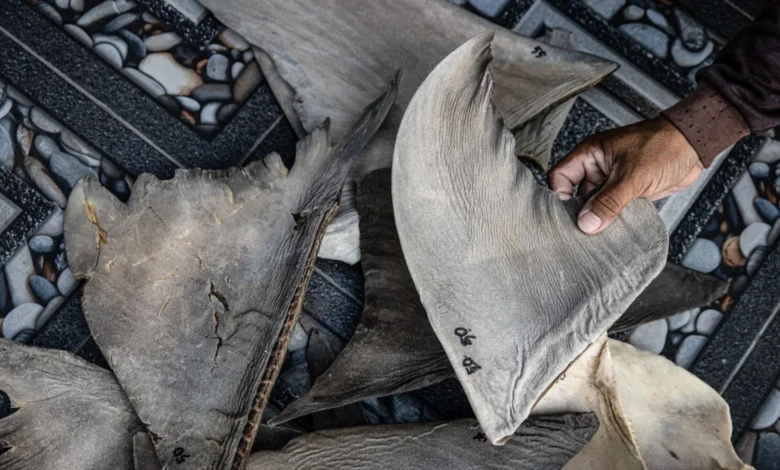
Shark finning is a highly controversial and ecologically destructive practice that involves removing a shark’s fins while the animal is still alive, subsequently discarding the remainder of the body back into the ocean. Because the shark is no longer able to swim or maintain buoyancy, it typically dies from blood loss, shock, or predation. The primary motivation for this practice is the high market value of shark fins, which are used as the main ingredient in shark fin soup, a dish historically considered a status symbol in various East Asian cultures.
From a conservation standpoint, the practice is particularly devastating because it removes apex predators from the marine ecosystem. Sharks play a critical role in maintaining the health of coral reefs and oceanic food webs by controlling the populations of prey species. The removal of these predators can trigger a "trophic cascade," leading to an imbalance that threatens the survival of other marine organisms and, ultimately, the stability of the ocean’s biological diversity.
Regulatory Challenges in the Maldives
The Maldives has long been recognized as a global leader in marine conservation. In 2010, the nation declared its entire Exclusive Economic Zone (EEZ) a shark sanctuary, effectively banning the commercial fishing of all shark species. These protections were further bolstered by the prohibition of shark finning and the trade of shark products.
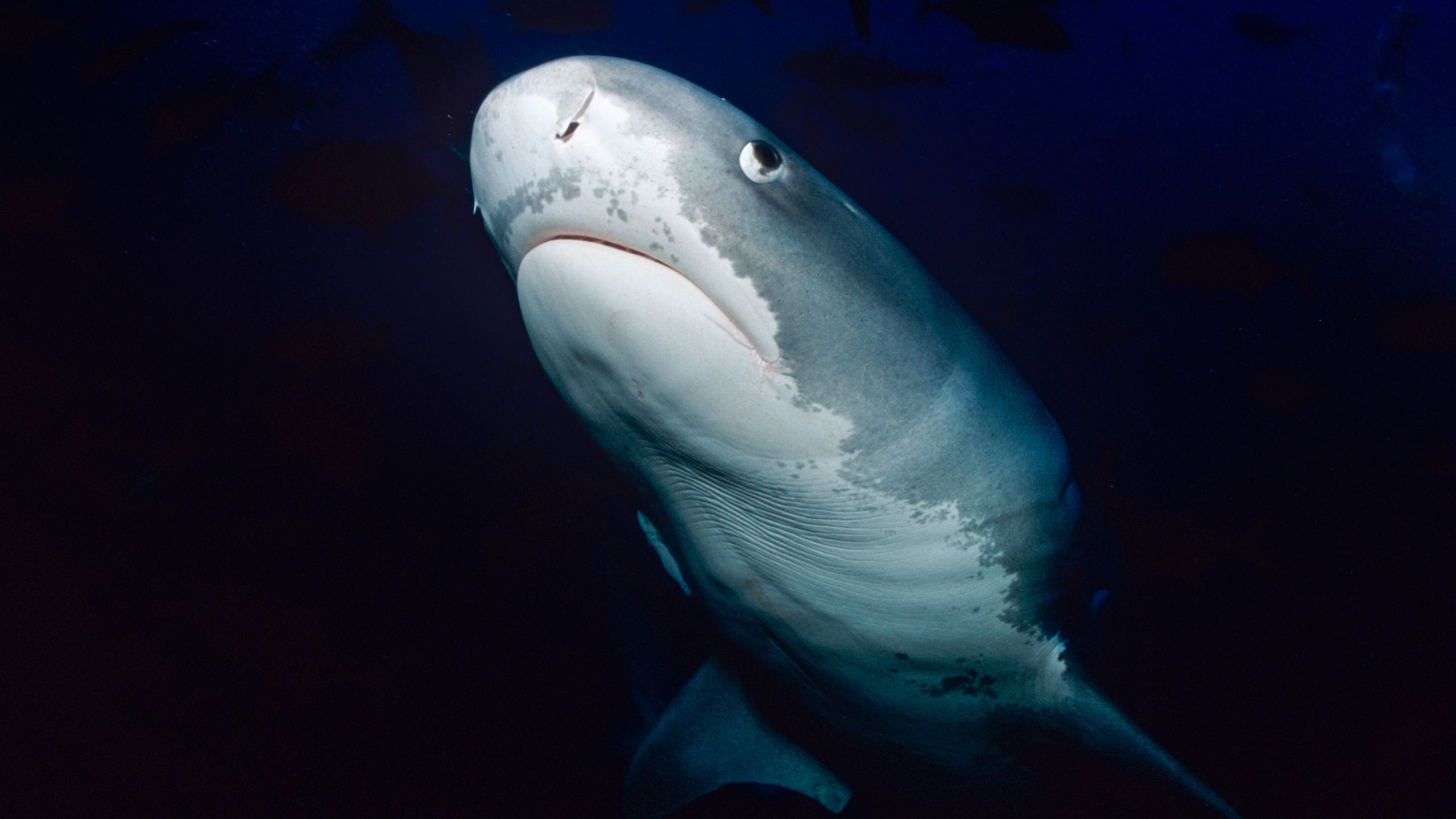
Despite these legislative efforts, the case of the tiger shark "Fin" highlights a significant gap between policy and enforcement. While the Maldivian government requires commercial fishing vessels to be equipped with GPS tracking devices to monitor their activity, the vast expanse of the Indian Ocean makes consistent surveillance nearly impossible. Small-scale fishing operations or foreign vessels encroaching on Maldivian waters often operate in the shadows, utilizing the difficulty of patrol as a tactical advantage to bypass international maritime law.
Observers note that while the Maldives maintains a robust legal framework, the "porous" nature of maritime borders allows for clandestine illegal, unreported, and unregulated (IUU) fishing. The existence of "Fin"—a shark that managed to survive the initial trauma of finning—suggests that interactions between illegal fishing vessels and protected marine life occur with alarming frequency in the region.
The Role of Visual Media in Conservation
Xabi Romero’s decision to document and share the encounter with "Fin" underscores the increasing power of digital media in modern environmental advocacy. In an era where information is consumed rapidly, high-definition, immersive video content provides an visceral reality that traditional statistics often fail to convey.
By capturing the suffering of a single, identifiable animal, Romero transformed an abstract environmental issue into a personal narrative. Following his initial encounter, the photographer returned to the site multiple times, attempting to document the shark’s condition and behavior. This effort to humanize (or "shark-anize") the victim of the crime has proven effective in driving engagement. Romero has since utilized the proceeds from photographic prints of the shark to support conservation initiatives, though he has faced scrutiny regarding the transparency of these donations. Nevertheless, the viral nature of the footage has forced a public re-examination of the effectiveness of marine sanctuaries in protecting migratory predators.
Global Trends and Economic Drivers
The demand for shark fins remains a multi-million dollar industry, despite increasing international pressure to curb the trade. According to data from the World Wildlife Fund (WWF) and various marine research institutions, approximately 73 million to 100 million sharks are killed annually, with a significant portion attributed to the fin trade.
While some countries have implemented total bans on the sale and import of shark fins, the trade remains legal in many jurisdictions, provided it adheres to specific quotas or regulations. This fragmented legal landscape makes it difficult for international bodies like CITES (the Convention on International Trade in Endangered Species of Wild Fauna and Flora) to enforce universal protections. As long as the retail price for a bowl of shark fin soup remains high—often fetching over $100 USD in luxury establishments—the economic incentive for fishermen to continue the practice will persist, regardless of the ethical or environmental costs.
Implications for Future Marine Policy
The case of the shark in the Maldives serves as a clarion call for enhanced international cooperation in marine law enforcement. Experts suggest that the following steps are essential to move beyond the current impasse:
- Enhanced Monitoring Technology: While GPS trackers are a step forward, the deployment of satellite-based synthetic aperture radar (SAR) and AI-driven vessel detection systems could provide a more comprehensive view of illegal activity in real-time.
- Global Trade Transparency: The implementation of stricter "fin-naturally-attached" policies globally, which mandate that sharks be landed with their fins intact, would significantly hamper the ability of illegal fishers to process sharks at sea.
- Community-Based Conservation: Empowering local coastal communities to participate in the monitoring and protection of their marine resources has proven effective in other parts of the world, fostering a sense of stewardship rather than exploitation.
- Cultural Shift: Continued investment in education and advocacy within consumer markets remains the most viable long-term solution. As younger generations in major consumer hubs show an increasing rejection of shark fin soup due to ethical and health concerns, the market demand may eventually collapse.
A Legacy of Survival
The story of the tiger shark "Fin" is one of resilience in the face of anthropogenic destruction. While the shark’s survival is an anomaly, it serves as a stark reminder that the ocean’s apex predators are currently caught in a cycle of human greed and institutional failure.
As the footage continues to circulate globally, the incident in the Maldives acts as a catalyst for a broader discussion. It is no longer enough for nations to simply declare sanctuaries on paper; active, sustained, and technologically advanced management is required to ensure that species like the tiger shark do not vanish from the ecosystems they have helped shape for millions of years. For now, the image of "Fin" swimming through the depths of the Fuvahmulah atoll stands as a haunting, silent witness to the necessity of change. The international community, from government agencies to the individual consumer, faces a critical junction: to continue the status quo or to implement the systemic shifts required to preserve what remains of our marine heritage.