Netflix top 10 shows update for October 27 features three essential streaming recommendations

As of Tuesday, October 27, the Netflix Top 10 rankings have undergone a significant transformation, reflecting a shift in viewer preferences as the streaming landscape moves deeper into the autumn season. While global streaming trends often fluctuate based on algorithmic adjustments and regional availability, the current data highlights a clear appetite for a mix of established romantic comedies, high-stakes science fiction, and reality-based social experiments. Understanding what is currently capturing the global audience requires a look at the narrative structures and production values that define these top-performing titles.
Analyzing the Current Streaming Landscape
The streaming industry is currently defined by a "binge-centric" consumption model. Netflix, as the market leader, continues to utilize its Top 10 list as both a diagnostic tool for subscriber engagement and a promotional engine for its original content. According to recent quarterly earnings reports, Netflix’s strategy has pivoted toward balancing massive, high-budget tentpole series with lower-cost, high-retention unscripted programming. The current list reveals that viewers are seeking escapism, with romantic narratives and high-concept psychological thrillers dominating the top tiers of the charts.

The following analysis examines three specific series currently holding space within the top 10, providing context on their production backgrounds, thematic elements, and the broader implications of their popularity.
Nobody Wants This and the Resurgence of Romantic Dramedy
The series Nobody Wants This has solidified its position at the No. 1 spot, a result that industry analysts attribute to the successful pairing of lead actors Kristen Bell and Adam Brody. The show follows the unlikely relationship between Joanne, a sex-positive podcaster, and Noah, a rabbi navigating the complexities of modern religious life.
Entering its third season, the show represents a significant investment by Netflix in the "dramedy" genre. The transition of the plot into its current phase—where the protagonists are navigating the logistics of cohabitation—mirrors the real-world experiences of a large segment of Netflix’s primary demographic, which skews toward young-to-middle-aged professionals.

From a production standpoint, the show’s success is a case study in character chemistry. By shifting the focus in the latest season to the burgeoning relationship between secondary characters Morgan and Sasha, the showrunners have successfully expanded the narrative universe, keeping long-term subscribers engaged. This strategy of "parallel romantic arcs" is a common trope in successful serialized television, designed to prevent the central relationship from becoming stale while providing additional points of entry for new viewers.
The Phenomenon of From: A Sci-Fi Horror Success Story
Occupying a prominent position in the rankings is the sci-fi horror series From. Originally an MGM+ production, its addition to the Netflix library has acted as a catalyst for a massive surge in viewership. The series, which is currently in its fourth season with a fifth and final season in development, serves as a quintessential example of how cross-platform licensing can revitalize a project.
The narrative of From centers on a small, mysterious town that traps individuals who happen upon it. The central mystery—what forces prevent the residents from leaving and why—has cultivated a dedicated following. The show is led by Harold Perrineau, whose portrayal of the town’s sheriff provides a grounding force for the supernatural elements of the script.

The show’s popularity during the week leading up to October 31 is not coincidental. Horror and suspense genres typically see a sharp increase in viewership during late October, as audiences seek seasonal content. The structural design of From—which relies on a "slow-burn" mystery where each episode peels back a layer of the town’s history—is perfectly calibrated for the binge-watching format. Unlike traditional procedurals, which provide closure at the end of each episode, From creates a "cliffhanger effect" that ensures high completion rates, a metric that Netflix prioritizes when determining the long-term value of a series.
The New Stanford Prison Experiment and the Reality Genre
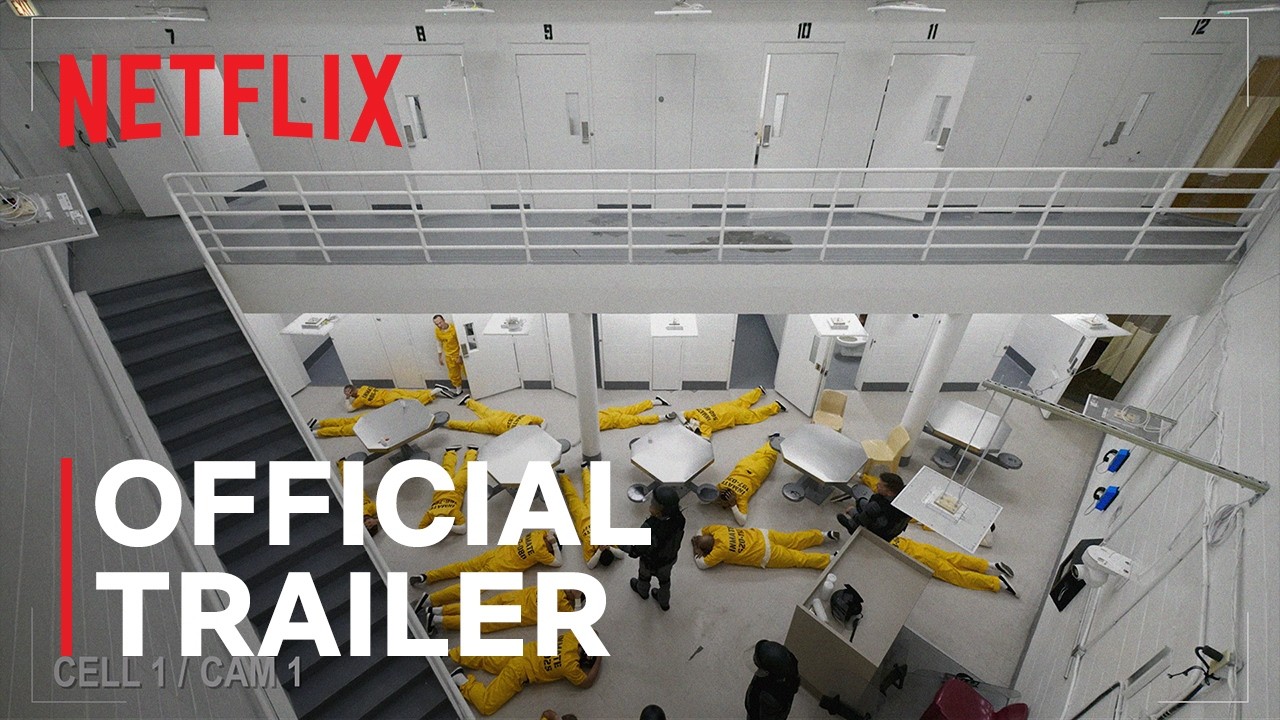
The third notable title is The New Stanford Prison Experiment. This reality series serves as a modern, if somewhat controversial, iteration of the 1970s psychological study conducted by Philip Zimbardo. The original experiment, which sought to observe the psychological effects of perceived power by assigning roles of "guards" and "inmates" to students, was famously terminated early due to ethical concerns and has since been the subject of intense academic scrutiny.
Netflix’s adaptation of this concept is fundamentally different from a scientific endeavor. By casting 30 participants and placing them in a simulated high-security prison environment for two weeks, the production focuses on the psychological breakdown and social dynamics that arise under artificial pressure.

Critics have noted that the show functions more as a social experiment in entertainment than a historical reenactment. Its presence in the Top 10 suggests that audiences remain fascinated by "high-stakes" reality television, where the potential for conflict—whether interpersonal or environmental—drives engagement. From a sociological perspective, the show taps into the public’s enduring interest in human nature under duress, albeit packaged with the polished production standards expected of a global streaming platform.
Broader Implications and Industry Trends
The current composition of the Netflix Top 10 illustrates three distinct trends within the streaming sector:
- The Value of Licensed Content: The inclusion of titles like From demonstrates that Netflix’s library strategy is not solely dependent on original productions. By acquiring the rights to established, high-quality shows, Netflix can bolster its library without the upfront risk of development and production costs.
- Genre-Specific Seasonal Spikes: The rise of horror-themed programming confirms that viewing habits are heavily influenced by the cultural calendar. Streaming platforms have become adept at using their algorithm to surface "scary" content as October approaches, effectively managing user attention through seasonal curation.
- The Shift Toward "Half-Watched" Content: As the media landscape becomes increasingly fragmented, there is a clear demand for shows that serve as background engagement. Reality series, such as The New Stanford Prison Experiment, cater to the modern trend of "second-screening," where viewers engage with content while simultaneously using mobile devices. This does not diminish the show’s success; rather, it highlights the importance of creating content that is easy to consume and visually engaging even without the viewer’s undivided attention.
Conclusion and Future Outlook
As of October 27, the Netflix Top 10 serves as a snapshot of a platform successfully juggling different types of engagement. By mixing scripted drama, supernatural horror, and social reality, the platform ensures that it has a product for every segment of its subscriber base.
Looking forward, the success of these shows suggests that the "binge" model is far from obsolete. Even as some competitors move toward weekly release schedules, Netflix’s ability to drive massive, short-term spikes in interest through the full-season drop remains its primary competitive advantage. As the year concludes, the focus for the platform will likely remain on securing high-retention content that keeps subscribers tethered to the service amidst a competitive landscape of shifting digital entertainment platforms. For the viewer, the current list provides a diverse array of options, whether one is looking for a deep-dive mystery, a light-hearted romance, or a provocative reality show to fill the quiet hours of the week.