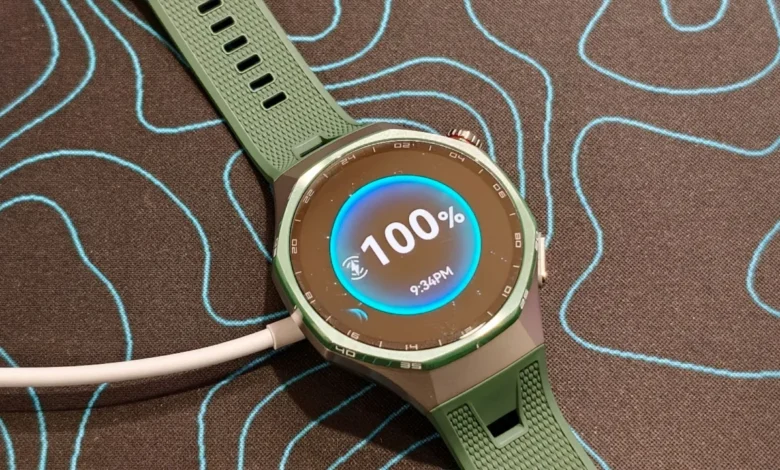
The Huawei Watch GT 7 Pro arrives at a critical juncture in the wearable technology market, where the divide between high-end fashion timepieces and specialized outdoor adventure gear is narrowing. Priced at $500.00, the device positions itself as a premium offering, distinguished by a titanium alloy chassis, a nano-tech ceramic bezel, and sapphire crystal glass. While the broader smartwatch industry—dominated by giants like Apple and Samsung—has increasingly focused on app ecosystems and cellular independence, Huawei’s latest iteration emphasizes material integrity, extreme battery longevity, and specialized fitness telemetry.

Chronology and Development
The evolution of the Watch GT series reflects a strategic shift by Huawei. Since the debut of the original GT line, the company has pivoted from basic fitness tracking to a more robust, multisport-oriented ecosystem. The GT 7 Pro represents the culmination of this trajectory. During its development phase, Huawei engineers focused on the "14-day standard" battery life threshold, a benchmark that has become the hallmark of the GT series. Following a series of regional releases in late 2026, the device has been positioned as a direct competitor to the Garmin Fenix series and the Samsung Galaxy Watch Ultra, albeit with a focus on a more refined aesthetic intended for both boardroom and backcountry environments.
Design and Durability Specifications
The device features a 45.6mm diameter frame that houses a 1.47-inch AMOLED display, capable of a manufacturer-rated peak brightness of 3,000 nits. This brightness is not merely for indoor legibility; it is a response to the growing demand for devices that remain readable under direct, high-altitude sunlight. The integration of a ceramic bezel is a notable technical choice, as ceramic is significantly more resistant to surface scratches than traditional stainless steel.

The build quality is verified by the device’s adherence to EN 13319 standards, a recognized international regulation for diving depth gauges. With a 5 ATM water resistance rating and IP69 certification, the watch is designed to withstand high-pressure water jets and submersion, making it suitable for freediving up to 40 meters. These specifications suggest that Huawei is targeting the "prosumer" athlete who requires reliability in harsh environments without sacrificing the weight-to-durability ratio provided by titanium alloys.
Performance Data and Fitness Analytics
At the core of the GT 7 Pro is an array of sensors that provide longitudinal health data. The device includes a dual-band, multi-system GNSS (Global Navigation Satellite System) that utilizes five-system L1 and L5 frequency bands. This technology is critical for accuracy in environments where signal reflection occurs, such as urban canyons or dense forest cover.

Fitness tracking capabilities extend across more than 100 modes. While the watch utilizes an AI-driven algorithm to estimate caloric expenditure and exertion levels, it excels specifically in endurance-based metrics. During high-intensity interval training (HIIT) and aerobic steady-state activities like rowing or cycling, the device provides consistent heart-rate variability (HRV) data, which feeds into the "Physical Readiness" score. This proprietary metric aggregates sleep quality, recent training load, and physiological stress to suggest whether a user should engage in heavy training or recovery.
However, data suggests limitations in the automated exercise recognition software. Like many competitors, the device struggles to differentiate between distinct strength training movements, such as the nuances between a squat and a deadlift, without manual input. This confirms that the watch is primarily a cardiovascular and GPS-tracking tool rather than a comprehensive digital strength coach.

Connectivity and Software Implications
The software experience is governed by the Huawei Health platform. A significant distinction between the GT 7 Pro and its competitors, such as the Apple Watch Series 12 or the Samsung Galaxy Watch Ultra2, is the absence of a third-party app store comparable to Wear OS or watchOS. Huawei’s ecosystem is curated, focusing on core functionality rather than third-party utility.
From a connectivity standpoint, the lack of an eSIM is a deliberate design choice aimed at extending battery life. By relying on Bluetooth 5.2 connectivity to a paired smartphone, the device avoids the power-intensive nature of standalone cellular radios. While this enhances longevity, it limits the watch’s utility for users who prioritize leaving their phones behind during excursions. Furthermore, the integration of NFC payments is contingent upon regional partnerships—such as Curve Pay—which may restrict the utility of the watch for users in markets where these specific financial gateways are not fully integrated.

Comparative Market Analysis
The wearable landscape in 2026 presents three distinct archetypes:
- The Ecosystem-Locked Tracker: Exemplified by the Apple Watch Series 12, which offers unparalleled synergy with iOS but necessitates daily charging.
- The Smart-Connected Adventurer: Represented by the Samsung Galaxy Watch Ultra2, which bridges the gap between full-featured smartwatch software and ruggedized hardware.
- The Endurance Specialist: The Huawei Watch GT 7 Pro, which sacrifices app-store depth and cellular autonomy for a superior battery-to-performance ratio and material luxury.
The financial implications for consumers are clear. At $500.00, the GT 7 Pro sits at the upper echelon of the fitness watch market. The decision to purchase rests on whether the user prioritizes "always-on" functionality and apps or the ability to go nearly two weeks without a charging cable.

Broader Impact and Industry Trends
Industry analysts note that Huawei’s move into premium materials like ceramic and sapphire indicates a broader industry trend toward "luxury tech." As consumers keep their devices for longer cycles, manufacturers are increasingly moving away from plastic and aluminum to materials that age gracefully and offer superior impact resistance.
Furthermore, the emphasis on specialized outdoor tools—such as the "walk-back" navigation feature—suggests that the market is fragmenting. Users are increasingly choosing devices based on specific activity profiles. The hiker, the diver, and the business professional have distinct needs, and the GT 7 Pro is effectively attempting to capture all three by leveraging its aesthetic versatility and robust physical construction.

Summary of Strengths and Limitations
The device’s strengths lie in its hardware endurance. The ability to maintain functionality for up to 12 days under typical use is a significant advantage over the 24-to-48-hour cycle of its main rivals. The inclusion of professional-grade sensors—including a depth gauge and ECG monitor—positions it well for health-conscious users who monitor chronic conditions.
Conversely, the limitations regarding notification management on non-HarmonyOS platforms, particularly iOS, serve as a reminder of the challenges of cross-platform compatibility. The inconsistency in rendering specific messaging application notifications and the lack of support for certain email clients highlight that the device is best utilized when paired with an Android smartphone or as a standalone tracker.

Conclusion
The Huawei Watch GT 7 Pro is an exercise in refined engineering. It succeeds by refusing to compromise on battery life and build quality, even as it makes concessions regarding third-party software breadth. For the user who views a watch as a piece of equipment rather than an extension of their smartphone’s operating system, the GT 7 Pro offers a compelling balance of performance, durability, and luxury design. Its success in the global market will likely depend on continued improvements to regional service integrations and the further refinement of its health-tracking algorithms, which already show significant maturity in cardiovascular monitoring and GPS positioning. The watch stands as a testament to the fact that, for a certain segment of the population, the most important "smart" feature is a device that functions reliably without constant intervention.