The Fans Steal the Spotlight at the 2026 Abbey Road Music Photography Awards

The 2026 Abbey Road Music Photography Awards have concluded, marking a significant departure from traditional concert photography tropes by elevating the audience from mere background elements to the focal point of visual storytelling. While music photography has historically been defined by the charismatic stage presence of performers, this year’s competition underscored a paradigm shift, favoring the raw, unscripted intensity of the fan experience over the polished aesthetics of the celebrity performer.
The annual global competition, hosted by the legendary Abbey Road Studios in London, serves as a premier platform for photographers to document the visceral connection between music and its listeners. The 2026 edition saw a record-breaking influx of submissions, with over 24,500 images entered from 42 countries. This massive participation highlights the growing accessibility of high-quality gear and the increasing cultural significance of music-based photojournalism.
The Rise of Fan-Centric Narrative
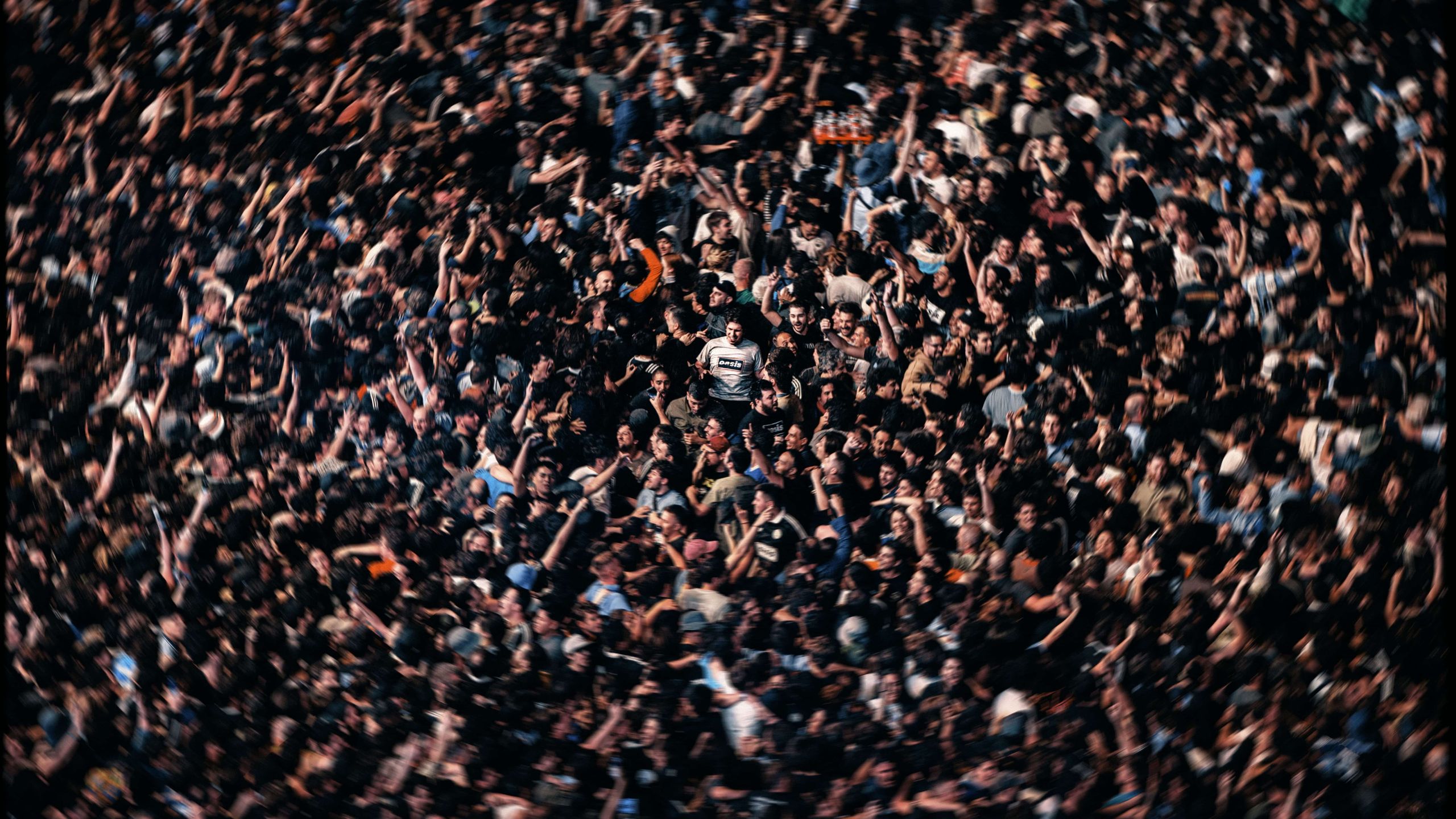
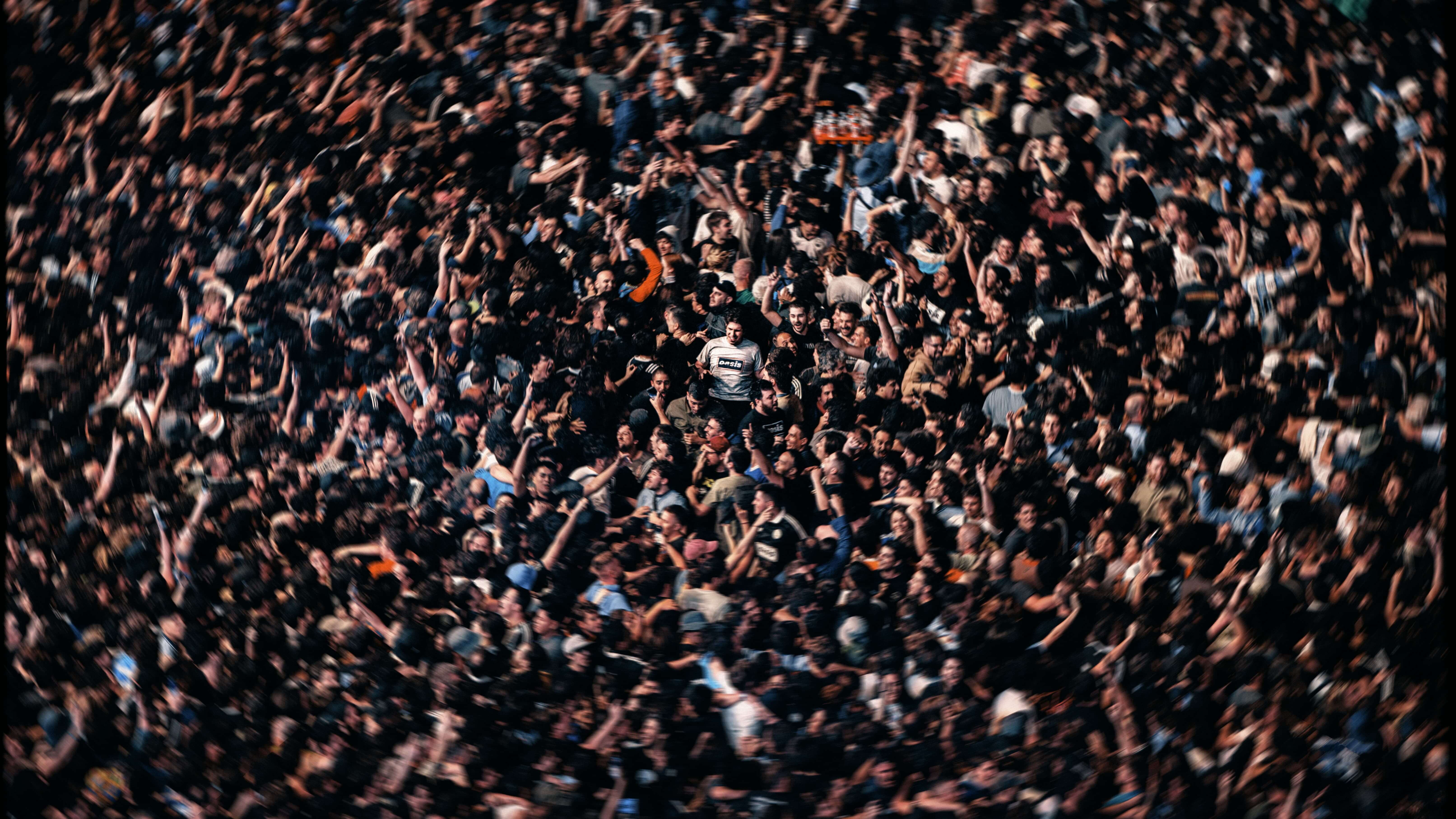
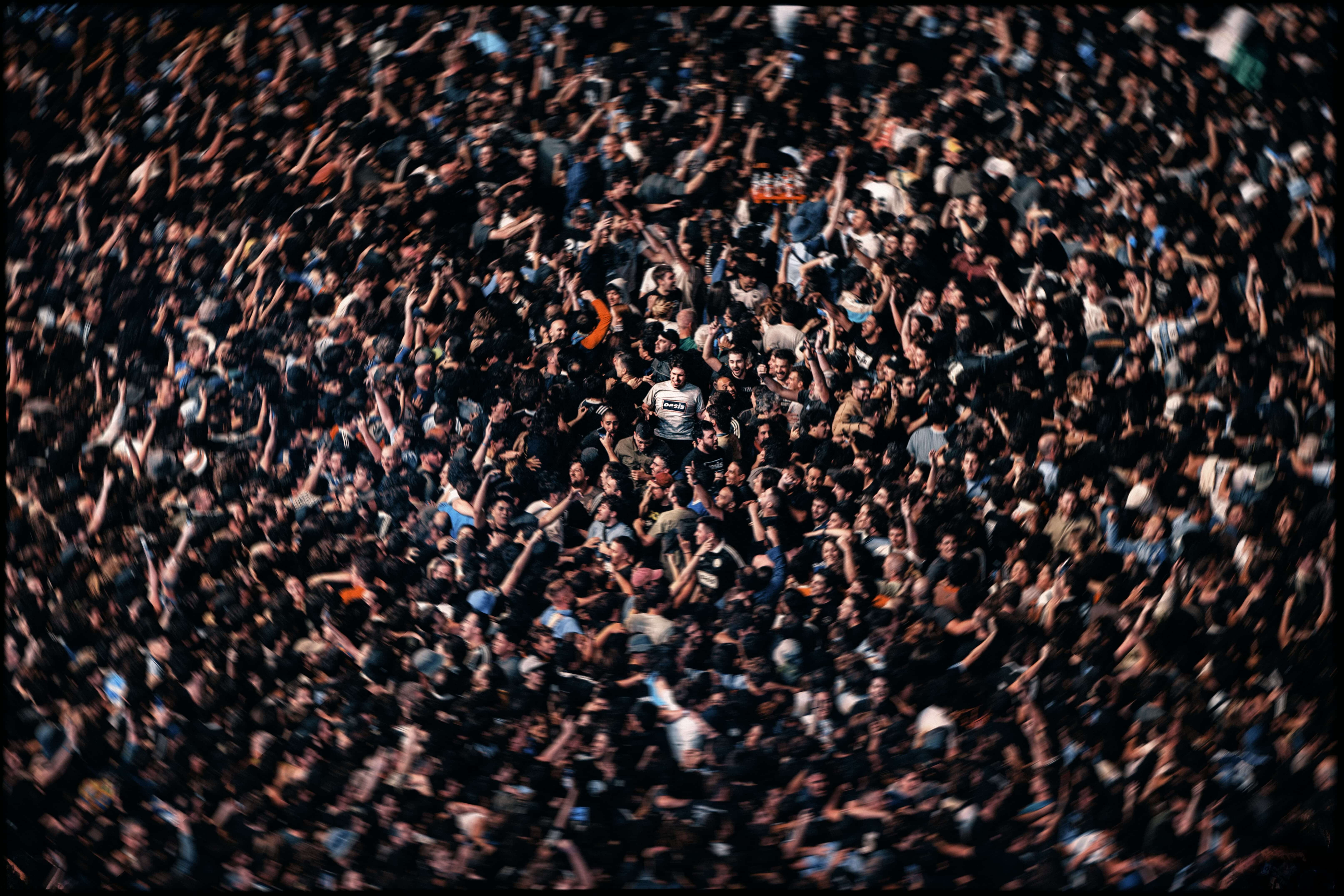
The centerpiece of this year’s awards was the "Music Moment of the Year" category, won by Joshua Halling. His winning entry captured a singular, chaotic, and deeply emotional moment during the 2025 Oasis reunion tour in Buenos Aires. The image, which portrays a fan caught in a literal and metaphorical vortex of the crowd, encapsulates the transcendental power of live music.
The significance of the image was underscored by Noel Gallagher himself, who reflected on the Buenos Aires performance during a radio interview, characterizing it as a milestone event that would remain etched in the memories of both the band and the audience. Halling’s ability to isolate a single individual’s rapture amidst a sea of thousands reflects the technical skill and observational patience required of contemporary music photographers.
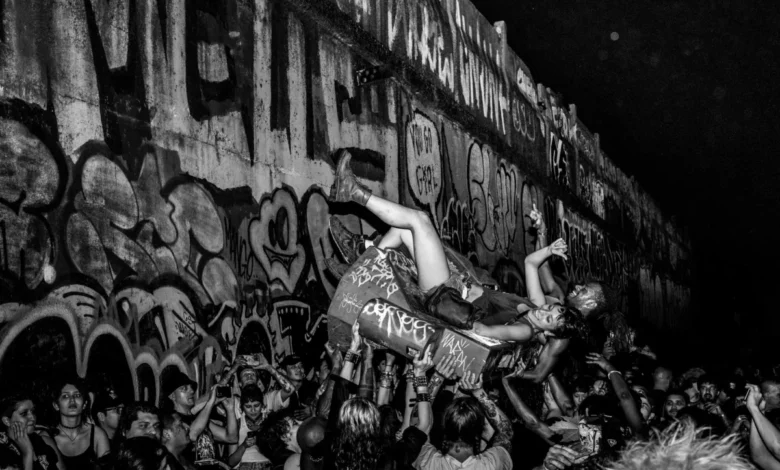
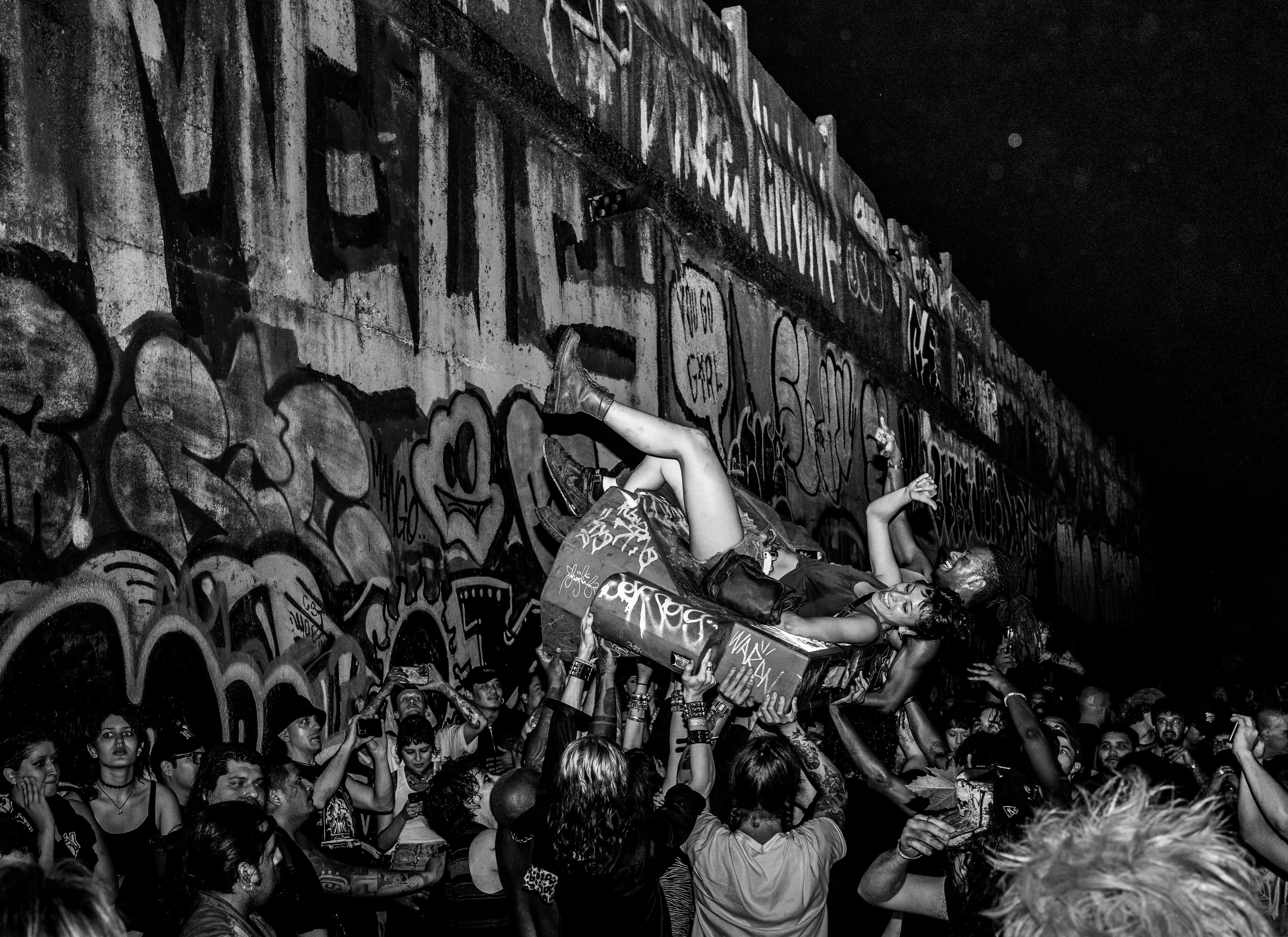
Beyond Halling’s work, the competition recognized the "Underground Scenes" and "Behind the Scenes" categories, which further emphasized the community aspect of live music. AF Cortés, who secured the top spot in the Underground category, documented the raw energy of a clandestine KARTEL show held on an abandoned rail track in Brooklyn. The image provides a stark, gritty contrast to the stadium-sized spectacle of the Oasis tour, illustrating that the core of the music industry remains rooted in local, often inaccessible, grassroots environments.
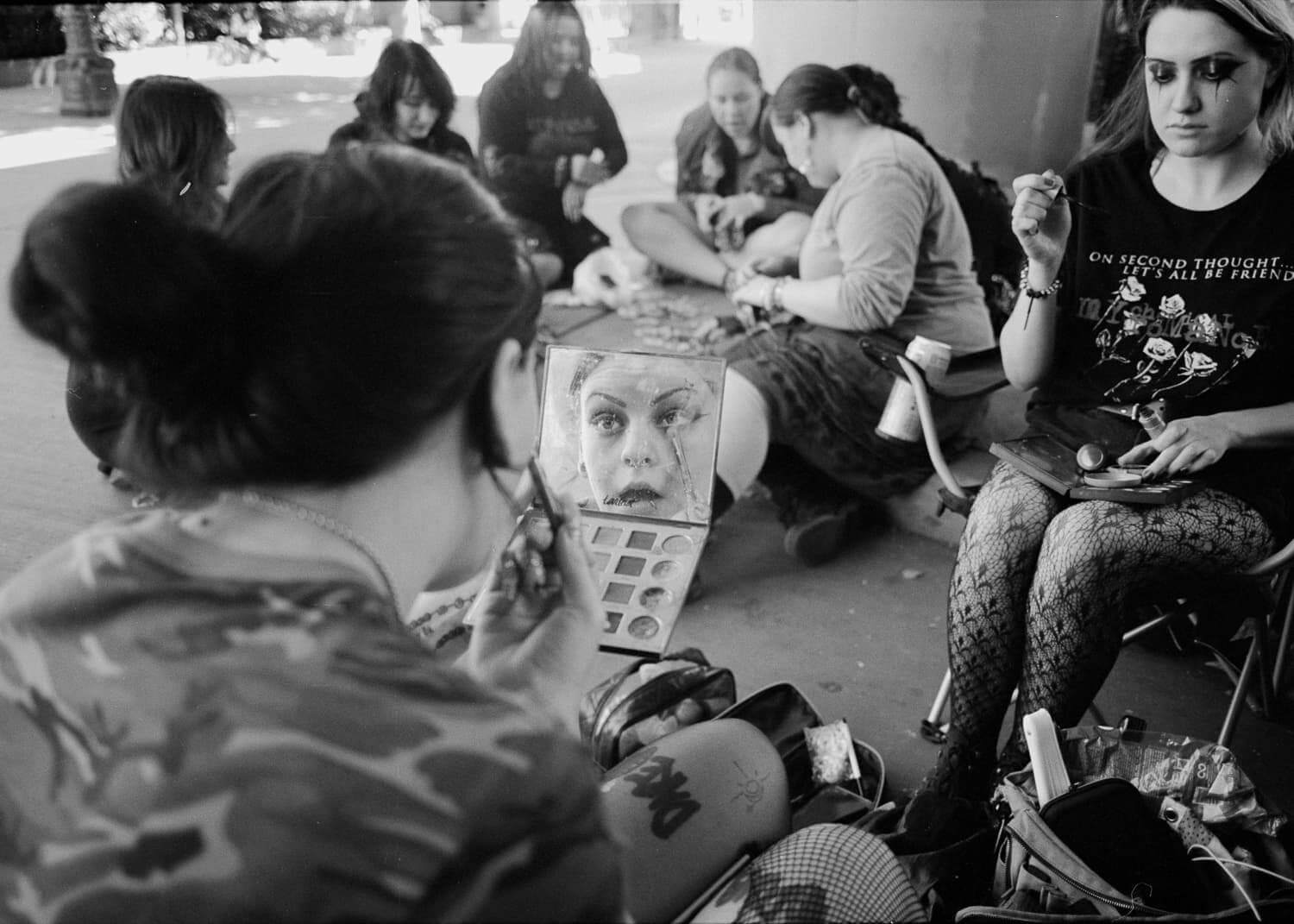
Similarly, Gabrielle Ravet’s winning photograph for the "Behind the Scenes" category—a poignant study of My Chemical Romance fans applying face paint ahead of the band’s Seattle concert—offered a glimpse into the ritualistic preparation that defines modern fandom. These images collectively suggest that the "music moment" is no longer confined to the duration of a guitar solo or a vocal climax; it is now viewed as an extended timeline of anticipation, community bonding, and collective catharsis.
Institutional Context and Historical Significance
Abbey Road Studios has long been a site of pilgrimage for music historians, but the establishment of these photography awards marks a transition from a site of production to a hub of cultural preservation. By institutionalizing the recognition of music photography, the studios have provided a formal framework for assessing the historical impact of visual media in the industry.
The 2026 edition also honored the legacy of the craft through two prestigious special awards. The "ICON" career honor was presented to Roberta Bayley, whose seminal work documenting the 1970s New York punk scene—characterized by its stark, unglamorous, and deeply authentic style—remains a cornerstone of rock-and-roll imagery. By awarding Bayley, the competition bridged the gap between the DIY aesthetic of the 1970s and the modern, high-definition digital era.
Furthermore, the "Lifetime Achievement" award was bestowed upon Masayoshi Sukita, acknowledging his four-decade-long partnership with David Bowie. Sukita’s work represents the pinnacle of artist-photographer collaboration, demonstrating how a single photographer can help define the visual identity of a global icon. The inclusion of these veterans alongside emerging talents like Halling and Ravet creates a continuity of narrative that spans the evolution of the rock concert experience.
Technical Excellence and Artistic Range
While the fan experience dominated the top accolades, the "Portrait" and "Live Music" categories maintained a focus on the performers themselves. Frances Carter’s portrait of British singer Billie Marten, which features the artist in an ethereal, serene setting with a horse, showcased the ability of music photography to transcend the stage and enter the realm of fine art.
In contrast, Tom Pallant’s "Live Music" winner, a high-contrast shot of Yungblud performing amidst a dense cloud of stage smoke, captured the kinetic energy of contemporary live performance. These images suggest that the industry continues to value the "spectacle" of the stage, even as the "community" of the audience gains parity in critical recognition.
The "Judges’ Choice" award went to Angus Jenner for a powerful image of Oasis walking onto the stage during their Cardiff reunion show. Taken from behind the band, the shot focuses on the anticipation of the moment, effectively shifting the focus from the performers’ faces to the magnitude of the crowd waiting for them. It serves as a bridge between the two competing themes of this year’s awards: the star power of the performers and the immense emotional scale of their followers.
Implications for the Future of Photography
The shift toward fan-centric photography has tangible implications for the industry. As concert production continues to become more immersive and audience demographics evolve, the role of the photographer is shifting from documentarian to cultural anthropologist. The 2026 winners demonstrate that the most compelling stories are no longer found solely on the stage, but in the collective behavior of the people who make those performances viable.
From a technical perspective, the volume of submissions and the diversity of the winning imagery suggest that modern equipment—from high-frame-rate mirrorless cameras to advanced low-light sensors—is enabling photographers to capture fleeting moments that would have been missed in the film era. However, the awards also reinforce that technology is merely a vehicle for the photographer’s eye. The ability to identify the "vortex" of a crowd or the "ritual" of face painting remains a human skill that software and hardware cannot replicate.
For aspiring photographers, the 2026 Abbey Road Music Photography Awards provide a clear roadmap: the most valuable shots are those that prioritize emotion and context over mere proximity to the stage. As the industry moves forward, it is likely that future competitions will continue to reward work that captures the unique interplay between the performer’s output and the audience’s reception.
A Data-Driven Perspective
The growth of the competition is a bellwether for the music industry’s post-pandemic recovery. With 24,500 entries, the competition has become a significant data set for understanding global trends in live performance. The geographic diversity—spanning 42 countries—indicates that the appetite for live music is not localized to major Western hubs but is a truly global phenomenon.
The economic implications for photographers are also worth noting. As live music tours continue to be the primary revenue driver for artists, the demand for high-quality, social-media-ready imagery has never been higher. Awards such as the Abbey Road competition play a critical role in legitimizing this profession, providing photographers with the professional validation necessary to secure high-level access and commercial commissions.

Conclusion: The Changing Lens
The 2026 Abbey Road Music Photography Awards have successfully reframed the discourse around concert photography. By celebrating the fans, the organizers have acknowledged a fundamental truth about the music industry: it is a participatory culture. The images awarded this year are not just photographs; they are historical documents that capture the spirit of an era defined by reunion tours, secret underground scenes, and the relentless passion of the modern listener. As the industry looks toward 2027, the standard has been set for a more inclusive, nuanced, and emotionally resonant approach to capturing the world of live music.