Apple iPhone Duo stylus support highlights a deepening divide in foldable design philosophy between Cupertino and Samsung.

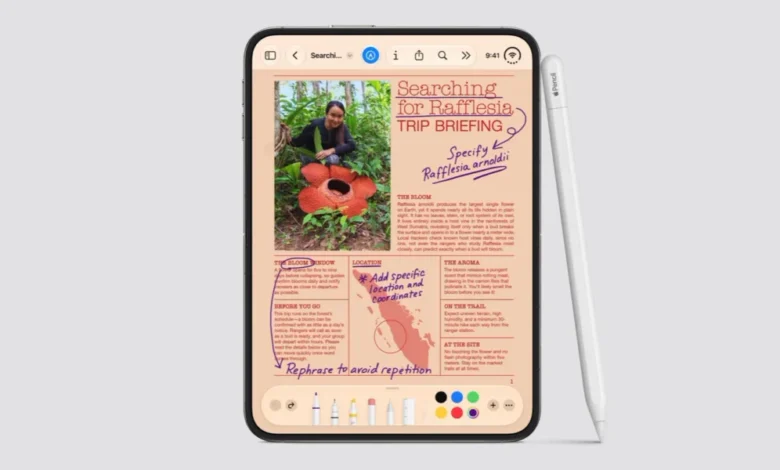
While the debut of the Apple iPhone Duo may not have fundamentally disrupted the established mechanics of the foldable smartphone market, its entry has cast a sharp spotlight on the trade-offs between hardware aesthetics and user utility. Most notably, the inclusion of Apple Pencil support—a feature that arrived with more behind-the-scenes complexity than early marketing suggested—serves as a critical case study in how major manufacturers are currently grappling with the "thinness versus functionality" dilemma. This development is particularly poignant for Samsung, the longtime leader in the foldable category, which has recently moved to strip away the very features that once defined its premium hardware.
The Evolution of Stylus Integration in Foldables
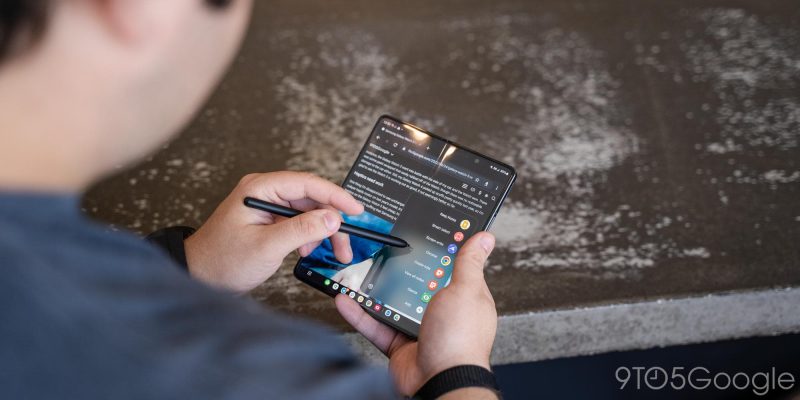
To understand the current friction in the market, one must look back to the inception of mainstream foldable stylus support. Samsung pioneered this integration in 2022 with the Galaxy Z Fold 3. At that time, the company engineered a proprietary version of the S Pen specifically for the foldable form factor. This iteration was notable for its lack of an internal battery, relying instead on passive resonance technology to interact with the device’s digitizer layer.
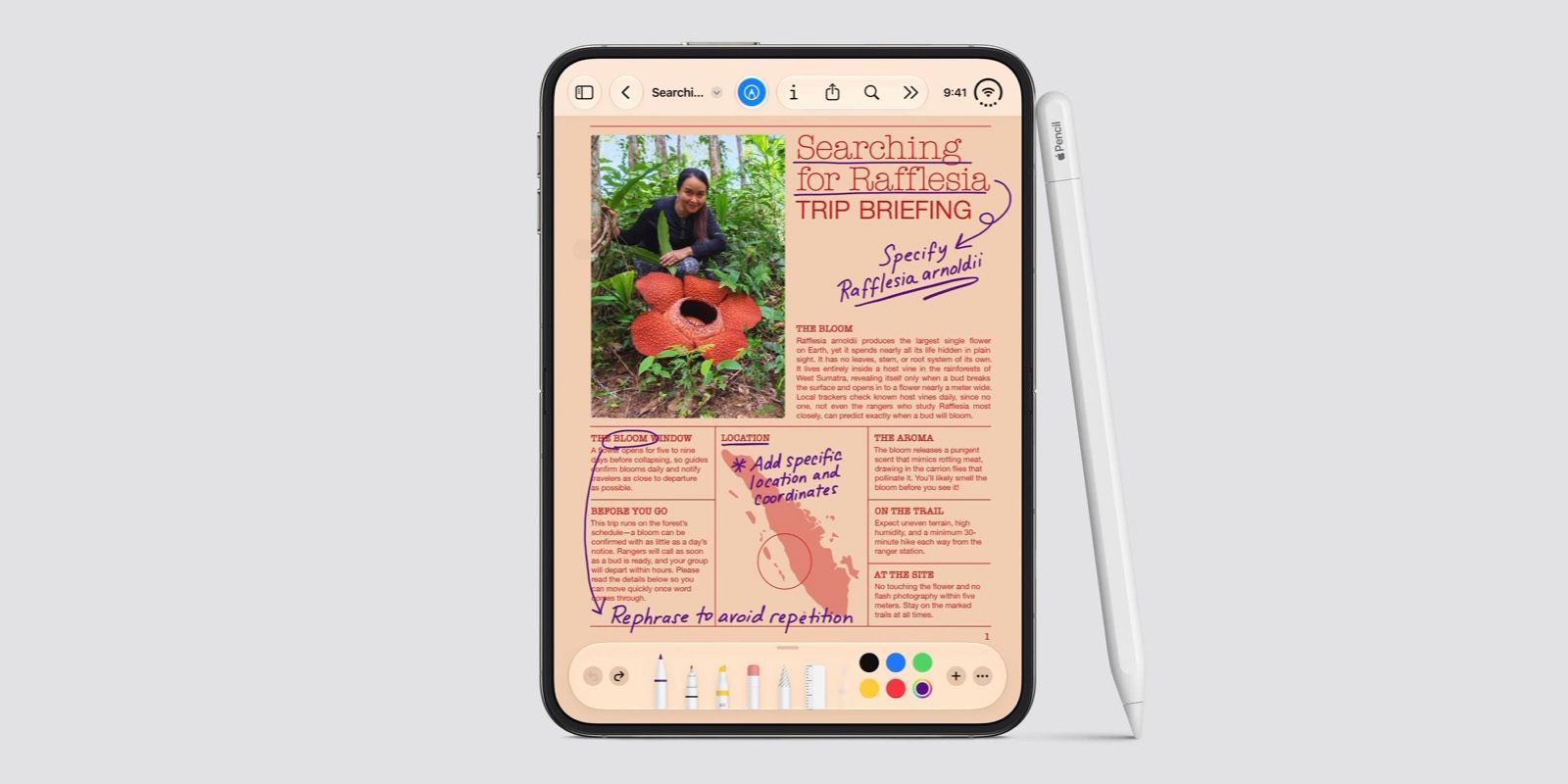
For early adopters, the S Pen was a decisive factor in choosing the Fold series, especially as the legacy Galaxy Note line was phased out of the Samsung product portfolio. However, the trajectory of this feature was not a linear path of improvement. By the time the Galaxy Z Fold 7 was released in 2025, Samsung had made the strategic decision to remove native S Pen support entirely. The primary driver for this pivot was the pursuit of a reduced chassis profile. By removing the electromagnetic resonance (EMR) layer required for stylus input, Samsung was able to shave millimeters off the device’s total thickness, aiming to align the foldable’s weight and depth with traditional flagship slabs.
The Apple iPhone Duo Implementation Strategy
Apple’s approach to the iPhone Duo has been far from straightforward. Initial industry reports and internal documentation from Cupertino suggested that Apple had much higher ambitions for its stylus integration. According to insights published by Bloomberg, Apple’s engineering teams had originally developed a bespoke, miniaturized version of the Apple Pencil. This hypothetical accessory was designed to be significantly shorter than standard models, featuring magnetic attachment points specifically aligned with the iPhone Duo’s unique hinge architecture.
However, technical hurdles surfaced in the months leading up to the mass production phase. Reliable sources indicate that the miniaturized pencil failed to meet internal durability and performance benchmarks, forcing Apple to abandon the hardware project just months before the product’s public reveal. Consequently, the company pivoted to a software-enabled solution that utilizes existing USB-C Apple Pencil models.
This is not a seamless transition for the end user. Apple has signaled that the software update required to bridge the communication gap between the iPhone Duo’s display and the legacy stylus hardware will not be deployed until late 2026. This staggered rollout highlights the difficulty of retrofitting digitizer support into a device that was not originally optimized for it at the hardware level, confirming that the implementation is a far more complex software endeavor than a simple toggling of a feature.
Comparative Analysis: Samsung’s Current Stance
The contrast between Apple’s late-stage scramble for stylus support and Samsung’s current "stylus-free" mandate is striking. As of the current market cycle, both the Galaxy Z Fold 8 and the Galaxy Z Fold 8 Ultra have eschewed stylus support. For Samsung, the engineering justification remains constant: the inclusion of a physical digitizer layer in the display assembly adds non-trivial bulk to the device.
Samsung’s design philosophy for the Z Fold 8 generation has been laser-focused on three metrics: weight reduction, chassis thinness, and hinge durability. Internal data suggests that market research indicated a significant portion of consumers prioritized a thinner device over the inclusion of an S Pen, which many users reportedly found inconvenient to carry separately. Despite this, the lack of an integrated "silo" for the stylus has created a usability gap that competitors are eager to fill.
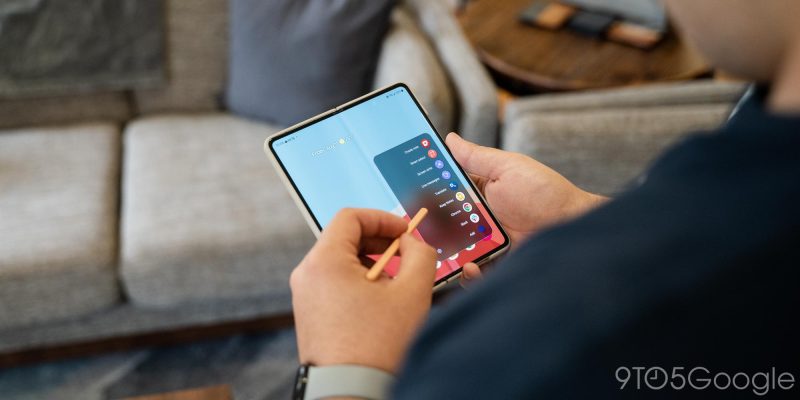
Other manufacturers in the Android space, particularly those in the Chinese market, have continued to refine stylus support for their foldable offerings. These competitors have largely ignored the trend toward hyper-thinness in favor of maintaining productivity-focused feature sets. With Apple now entering the fray—even with its late-arrival, software-reliant approach—the market pressure on Samsung is mounting.
The Broader Implications for the Mobile Industry
The re-emergence of the stylus as a point of contention suggests that the "thinness race" in the foldable market may be hitting a plateau. Consumers, particularly in the professional and creative sectors, continue to demand devices that function as legitimate digital canvases.
- Hardware Digitization vs. Software Emulation: The industry is currently divided between those using dedicated EMR hardware (which requires specific display layers) and those experimenting with software-based stylus compatibility.
- Productivity as a Market Differentiator: With standard smartphones becoming increasingly iterative, the foldable sector is the only remaining battlefield for true hardware innovation. Stylus support serves as a shorthand for "productivity device," helping to justify the high price points associated with foldable technology.
- The "Note" Legacy: Samsung finds itself in a paradoxical position. Having successfully convinced the market that the "Note" experience was essential, it now risks alienating its most loyal power users by prioritizing thinness over the S Pen.
Future Outlook and Expected Developments
Looking toward the next cycle, the industry is closely watching the Galaxy Z Fold 9. While Samsung has publicly maintained a neutral stance, internal signals suggest that the company is actively reconsidering the return of stylus support. Industry analysts suggest that the company is exploring "hybrid" digitizer layers—thinner, more flexible materials that would allow for pen input without compromising the integrity of the folding screen.

Furthermore, the arrival of the Apple iPhone Duo serves as a validation for the foldable form factor as a whole. While Apple’s initial execution has been criticized for its technical limitations and delayed software support, the move signals that the company views the foldable market as a mature enough ecosystem to warrant its own proprietary interface tools.
As we move into 2027, the battle will likely shift from who can build the thinnest device to who can best integrate professional-grade input tools without sacrificing portability. If Apple can successfully optimize the latency and pressure sensitivity of the Apple Pencil on the Duo’s foldable display, it may force Samsung to abandon its current "thin-at-all-costs" roadmap. The coming months will be critical, as both firms prepare their software updates and hardware revisions that will ultimately dictate the standard for mobile productivity in the late 2020s.
Related posts: