GasPulse App Offers New Data-Driven Approach to Tracking National Fuel Trends for iPhone Users

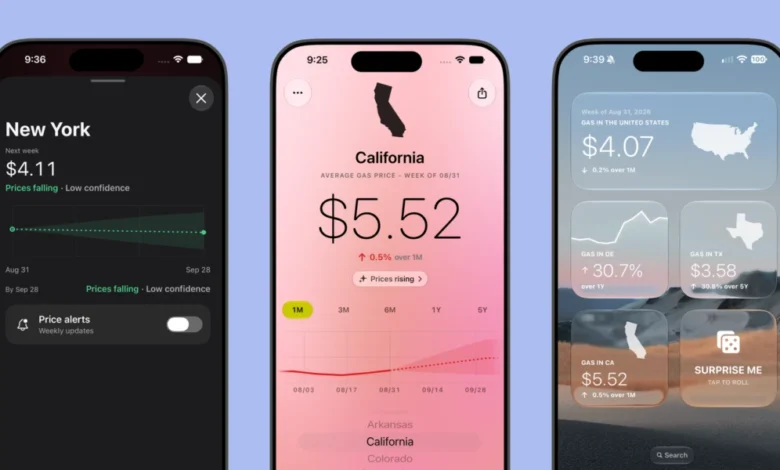
The volatility of global energy markets has long been a source of economic anxiety for the American consumer, with fluctuating fuel costs directly impacting household budgets and transportation logistics. While a multitude of applications exist to help drivers locate the cheapest pump in their immediate vicinity, a new tool titled GasPulse has emerged to shift the focus from localized search to macroeconomic trend analysis. Designed for the iOS ecosystem, GasPulse provides users with a comprehensive view of regional fuel pricing, historical performance, and predictive outlooks, moving beyond the transactional nature of traditional gas-finding apps.
Understanding the Landscape of Fuel Price Volatility
To comprehend the utility of an application like GasPulse, one must first recognize the structural complexities of the retail gasoline market. According to data from the U.S. Energy Information Administration (EIA), retail gasoline prices are influenced by a volatile combination of crude oil costs, federal and state taxes, distribution and marketing expenses, and refining costs. Crude oil, which typically accounts for over 50% of the price of a gallon of gasoline, is subject to geopolitical instability, supply chain disruptions, and shifting demand curves.
Historically, consumers have had little agency in navigating these fluctuations, often reacting to price changes at the pump with little foresight. GasPulse seeks to mitigate this by leveraging the weekly averages published by the EIA to offer a macro-level perspective. By focusing on state and regional trends rather than individual service station pricing, the app allows users to observe broader market movements—such as seasonal refinery maintenance, changes in reformulated gasoline requirements, or shifts in national supply inventories—before they manifest as significant price spikes at their local stations.
Core Functionality and Data Integration
At its core, GasPulse is an analytical tool that prioritizes data visualization. The application interface is built around clean, intuitive charts that map price trajectories over various timeframes, extending back as far as five years. This longitudinal data is particularly useful for identifying recurring seasonal patterns, such as the typical price increases observed during the transition to summer-blend gasoline or the peak demand associated with holiday travel periods.
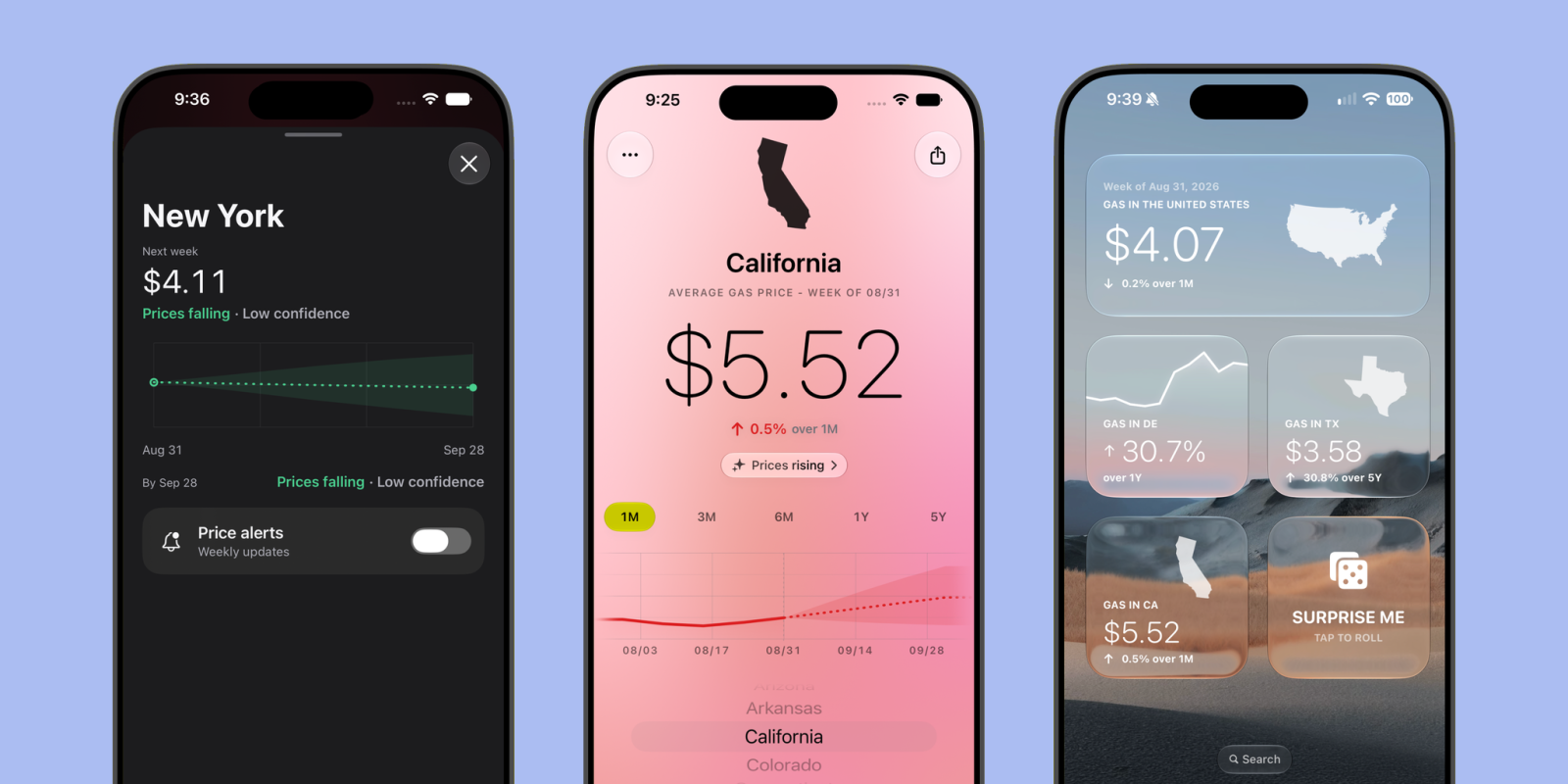
One of the standout features of the application is its "Outlook" functionality. While the developers emphasize that these are estimates rather than guarantees, the feature utilizes current market data to provide a directional forecast for future fuel costs. For households managing fixed transportation budgets, this forward-looking information serves as a planning resource. By understanding whether regional prices are trending toward an upward or downward trajectory, users can make more informed decisions regarding travel plans or long-term fuel expenditure management.
In addition to its predictive capabilities, the app offers a robust state-by-state comparison engine. This allows residents in states with high tax environments to compare their costs against regional neighbors, providing context that is often lost when viewing prices in isolation. This functionality is supported by push-notification alerts, which allow users to monitor up to six specific geographic areas. By utilizing iOS background refresh capabilities, the app ensures that users remain updated on significant price shifts without requiring constant manual oversight.
Integration with the Apple Ecosystem
GasPulse has been engineered specifically for the latest iterations of the iOS platform, specifically targeting devices running iOS 18 and later. The integration into the Apple ecosystem is seamless, prioritizing the user experience through the use of home screen and lock screen widgets. This design choice addresses a common friction point in utility applications: the need to manually open an app to retrieve a simple data point. By providing "at-a-glance" visibility, GasPulse allows users to monitor their designated regions directly from their iPhone’s lock screen.
Furthermore, the inclusion of Siri support underscores the developer’s commitment to accessibility and convenience. Users can query the status of regional fuel prices using voice commands, facilitating a hands-free interaction model that is particularly useful for drivers. The absence of a subscription model or third-party advertisements within the app represents a departure from the "freemium" model that currently dominates the mobile app landscape, suggesting a focus on long-term user retention and utility rather than immediate monetization.
Chronology of Market Factors and Fuel Economics
The need for transparency in fuel pricing has grown more acute over the last decade. Following the price instability of the 2020-2022 period—a timeframe defined by pandemic-induced supply chain shocks and geopolitical conflicts—consumers have become increasingly sensitive to the factors driving pump prices.

- 2020-2021: The global pandemic caused a temporary collapse in demand, leading to historically low prices, followed by a rapid, supply-constrained recovery.
- 2022: Global supply chain disruptions and the conflict in Ukraine triggered record-high fuel prices in the United States, peaking in mid-summer.
- 2023-2024: The market entered a phase of relative stabilization, though price sensitivity remains high among the American public.
- 2025-2026: Continued integration of AI and data-driven analytical tools, such as GasPulse, has allowed for more sophisticated consumer-facing trend analysis, moving beyond basic price reporting.
The evolution of these tools reflects a broader trend in the tech industry: the "democratization of data." Where once sophisticated economic forecasting was the domain of commodities traders and analysts, mobile applications are now bringing this data to the average consumer.
The Economic Implications of Informed Consumption
The broader impact of tools like GasPulse lies in the empowerment of the consumer. While a single individual’s fuel purchasing habits are unlikely to influence the global price of crude oil, the collective behavior of informed consumers can create market pressure. When consumers are aware of price trends, they are better equipped to time their fuel purchases strategically.
Economists often note that price discovery is a fundamental requirement for a functioning market. By providing clear, historical, and forecasted data, GasPulse enhances the transparency of the gasoline market. When users can see that a price spike is likely a temporary regional phenomenon rather than a permanent shift, it can reduce the "panic-buying" behavior that sometimes exacerbates supply shortages at local stations.
Furthermore, the application serves as an educational bridge. By presenting complex EIA data in a digestible format, GasPulse encourages a more nuanced understanding of energy economics. Users who might otherwise blame local gas station owners for rising prices may gain a better understanding of the global and regional pressures that dictate costs.
Conclusion: A Shift in Mobile Utility
GasPulse stands as a significant entry in the "Indie App Spotlight," highlighting a shift toward specialized, data-focused utility software. By eschewing the common clutter of advertising and subscription paywalls, the developers have prioritized utility and design, creating a tool that serves a specific, practical purpose for the iPhone-using public.

As the digital landscape continues to evolve, the demand for applications that translate raw government and industry data into actionable personal insights will likely continue to grow. GasPulse represents the current zenith of this trend within the automotive utility sector. For users interested in monitoring the pulse of the national energy market, the application offers a stable, ad-free, and highly accessible solution that bridges the gap between complex economic reporting and the daily requirements of the American driver.
While the application does not solve the underlying issue of high fuel costs, it provides the necessary visibility for users to navigate those costs with greater confidence and foresight. In an era of constant economic flux, that clarity is an increasingly valuable commodity.
Related posts: