Lexar Unveils the Muse Portable SSD as the World’s Thinnest External Storage Solution


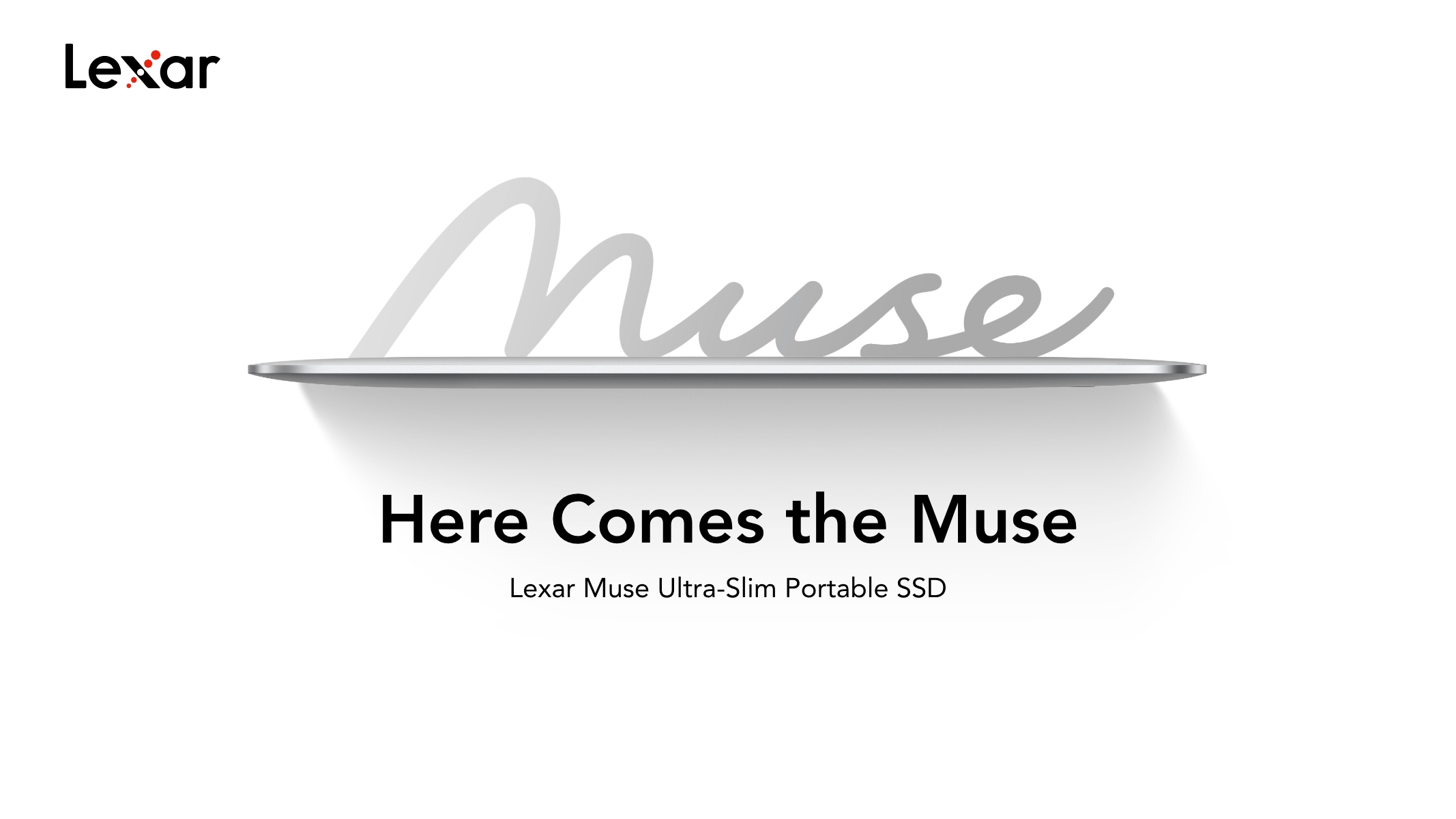
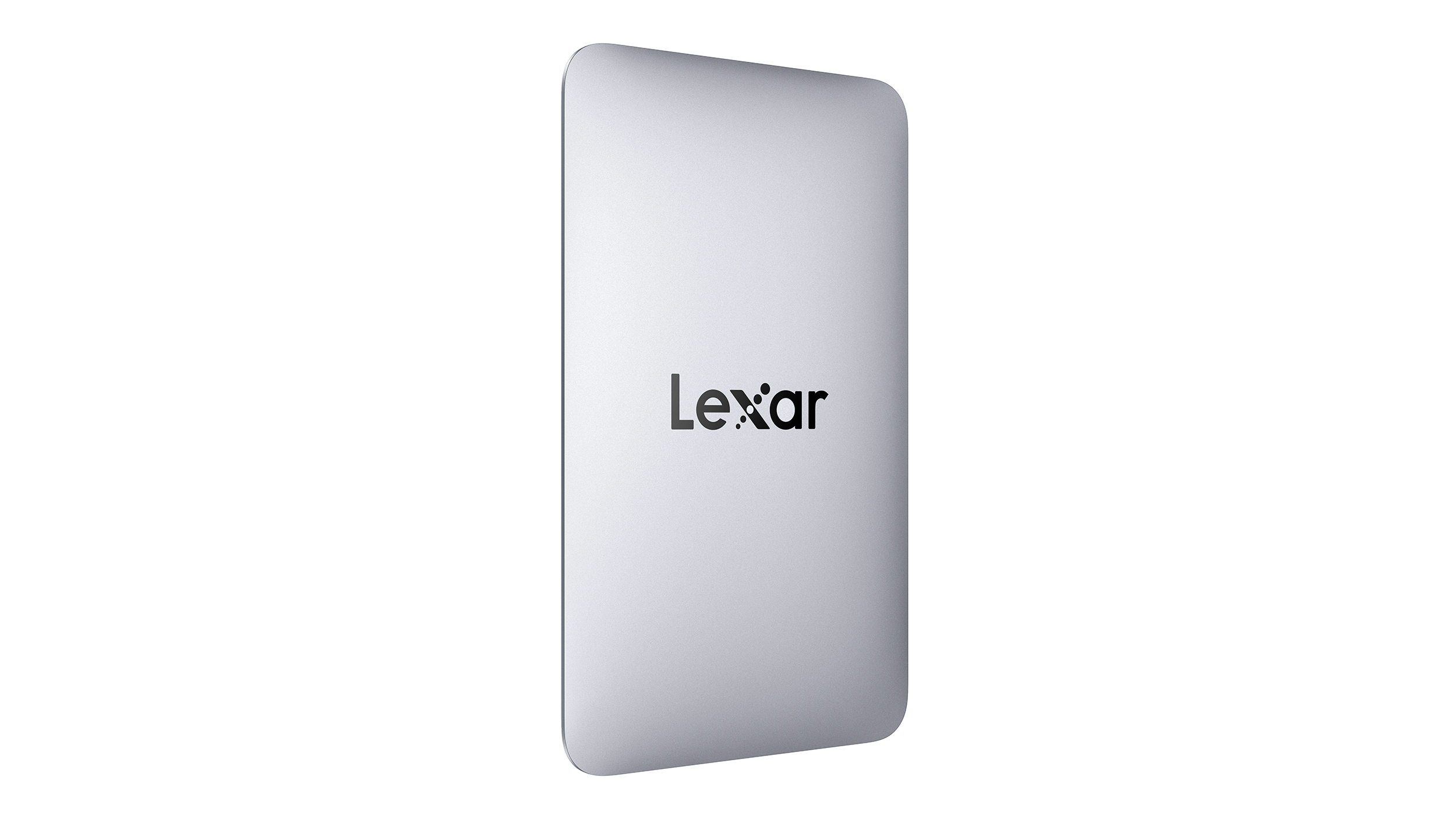
Lexar has officially unveiled its latest innovation in high-speed, portable data storage: the Muse. Billed as the thinnest portable solid-state drive (SSD) currently in existence, the device is engineered to address the growing demand for unobtrusive, high-performance storage solutions for professional mobile videographers and casual content creators alike. Measuring a mere 3.8mm at its thickest point and tapering to an incredibly slim 1mm at its edges, the Muse is designed to integrate seamlessly into a modern mobile workflow without adding significant bulk to handheld devices.
Engineering the Ultra-Thin Form Factor
The development of the Lexar Muse represents a significant departure from traditional external storage design. Most portable SSDs on the market today rely on standard USB-C port architectures and conventional printed circuit board (PCB) layouts, which necessitate a certain amount of physical volume to house the controller, NAND flash chips, and thermal management systems.
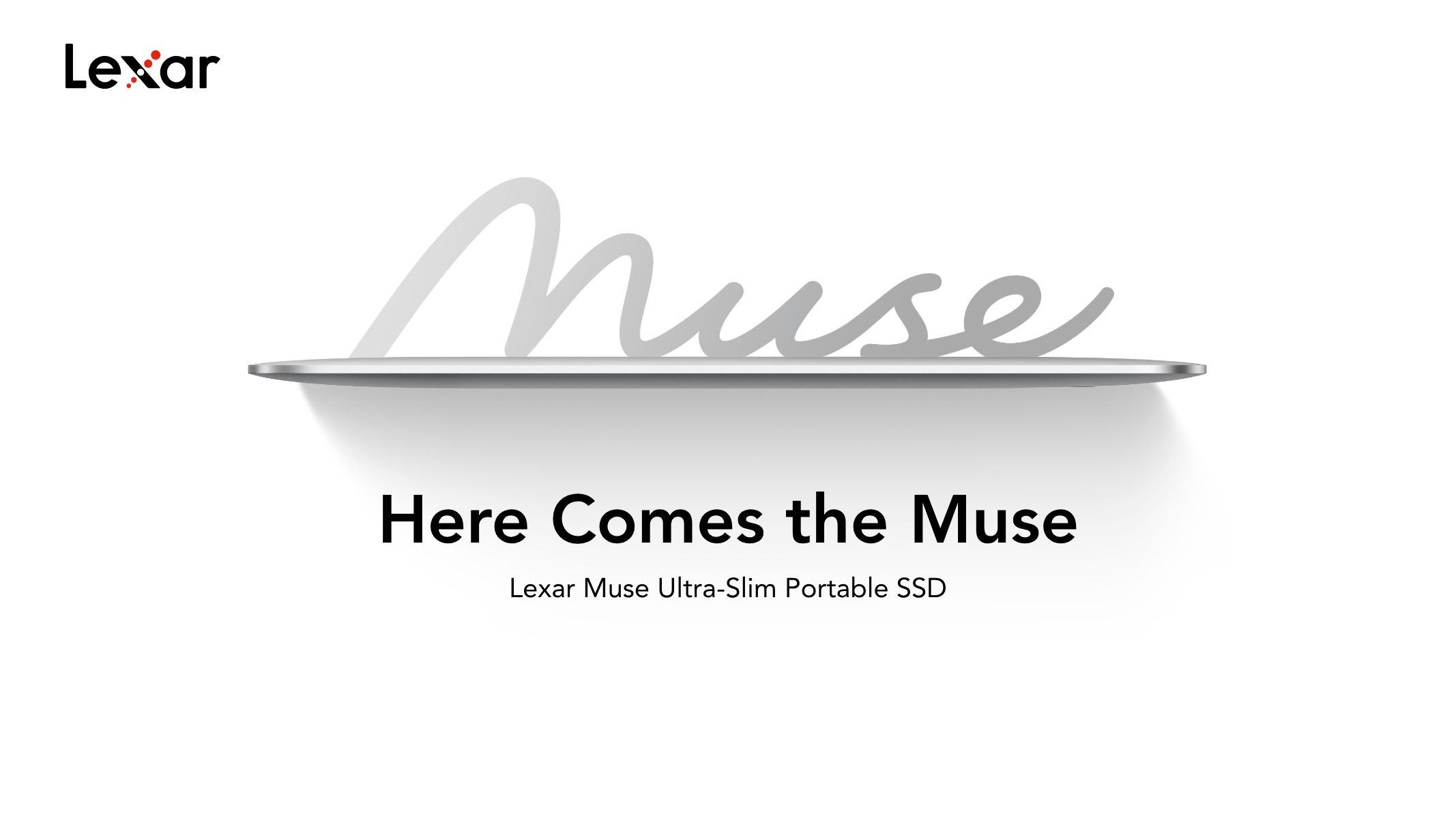
To achieve its record-breaking profile, Lexar’s engineering team utilized a custom, ultra-thin PCB specifically manufactured for the Muse. By employing high-density NAND stacking, the company has managed to condense the internal architecture into a smaller surface area without sacrificing data capacity or reliability. The external housing is constructed from a precision-machined, unibody metal enclosure. This design choice serves a dual purpose: it provides the structural integrity required for a device that is meant to be carried in tight pockets or attached to the back of a smartphone, and it acts as a passive heatsink to facilitate efficient heat dissipation during sustained read and write operations.
A New Approach to Connectivity: The SnapLink System
Perhaps the most radical departure from industry standards is the Muse’s exclusion of a traditional USB-C input port. In its place, Lexar has implemented the proprietary SnapLink Magnetic Cable system. This interface relies on a recessed pad of pogo pins located on the rear of the device.
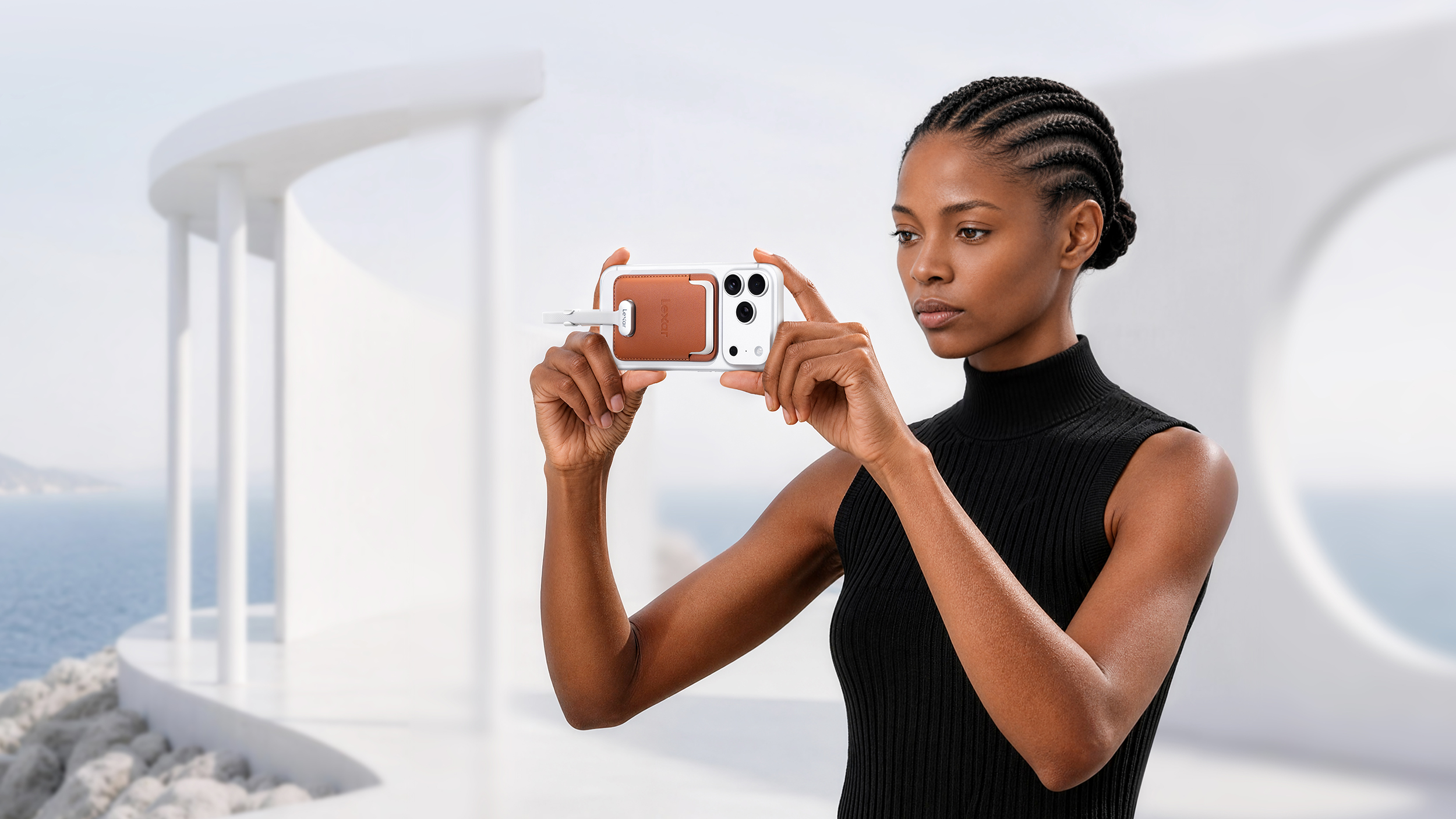
The integration of N52-grade neodymium magnets ensures that the cable aligns perfectly with the pin array, creating a secure physical connection that is resistant to accidental disconnection. While this design is the primary factor enabling the SSD’s extreme thinness, it also highlights a shift toward magnetic, modular accessories—a trend popularized by Apple’s MagSafe ecosystem. By utilizing a magnetic sleeve, users can affix the Muse directly to the rear of a compatible smartphone. This setup is specifically optimized for creators who utilize their mobile devices as primary cameras, allowing for the direct recording of high-bitrate video formats that would otherwise exceed the internal storage capacity of a smartphone.
Performance Benchmarks and Capabilities
Despite its unconventional design, the Lexar Muse does not compromise on speed. The device is rated for sequential read speeds of up to 1050MB/s and maximum write speeds of 1000MB/s. In the context of mobile cinematography, these speeds are critical. Modern flagship smartphones, such as the iPhone 15 and 16 Pro series, support the recording of Apple ProRes 4K video at frame rates reaching 120fps.
Recording such high-resolution, high-frame-rate footage generates massive amounts of data in a very short time. Standard internal smartphone memory is often insufficient for extended shoots in these formats. The Muse’s 1000MB/s write speed ensures that the device can handle the high sustained data throughput required for 4K ProRes capture, effectively transforming a smartphone into a professional-grade cinema camera without the need for bulky, cable-heavy external rigs.
Market Context and Industry Implications
The announcement of the Lexar Muse arrives at a pivotal moment for the storage industry. As smartphone cameras continue to converge with professional cinematography equipment, the bottleneck for high-quality production has shifted from lens optics to data management.
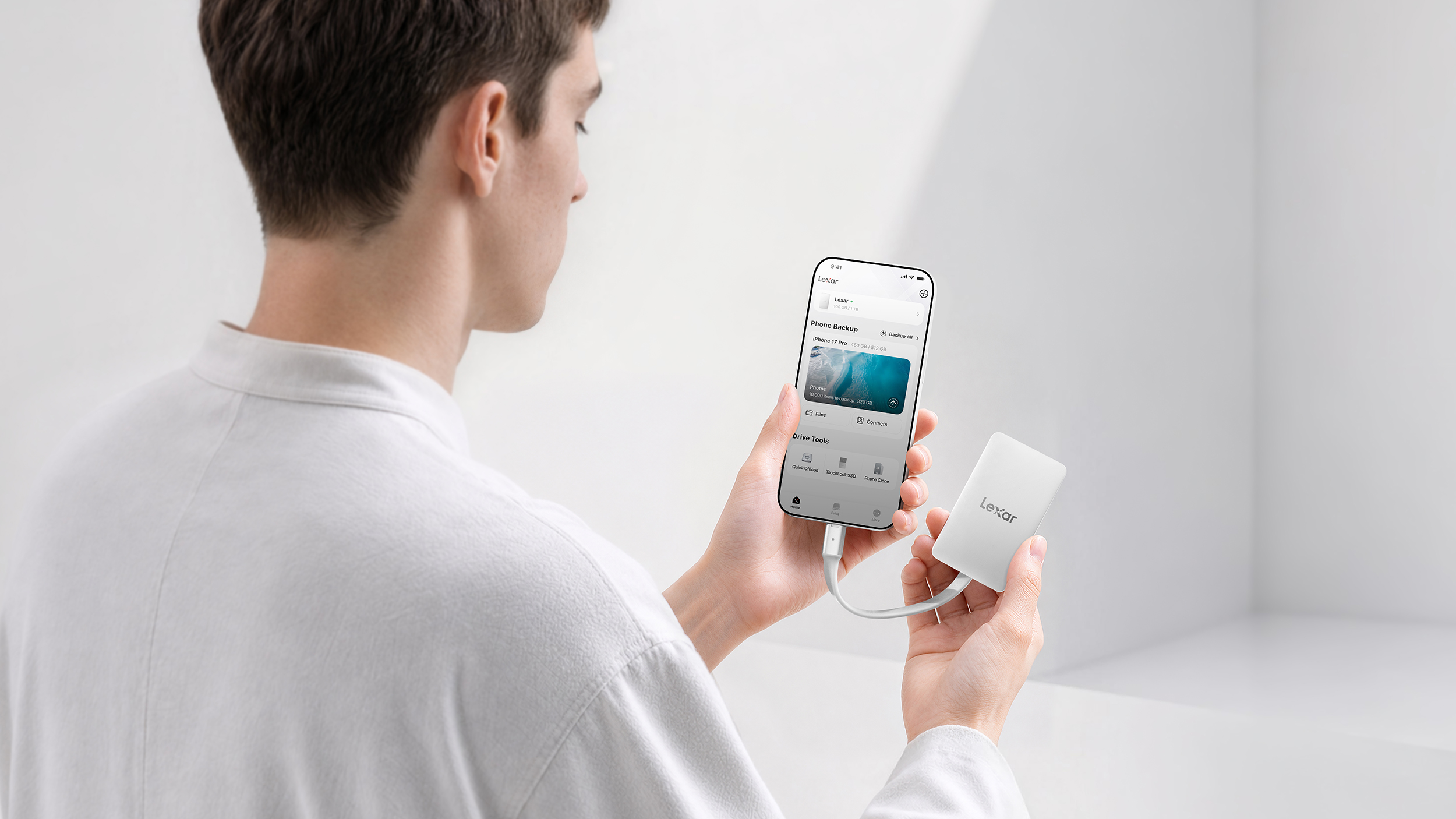
For years, the external SSD market has been dominated by rugged, bulky drives that prioritize drop protection and water resistance. While those features are essential for field work, they are often overkill for creators working in studio or urban environments. Lexar is betting that a significant segment of the market—specifically "run-and-gun" social media creators and mobile filmmakers—is willing to trade ruggedization for extreme portability and aesthetic integration.
This shift toward "invisible" storage is indicative of a broader trend in consumer electronics: the miniaturization of high-performance components. By moving toward pogo-pin connectivity and magnetic mounting, Lexar is also signaling an interest in proprietary ecosystems. While this offers a streamlined user experience for those who invest in the Muse and its specific cable system, it also raises questions regarding future-proofing and interoperability with non-magnetic devices.
Development Timeline and Future Outlook
Lexar has confirmed that the Muse will be available in two distinct storage capacities: 512GB and 1TB. While the company has yet to release official pricing details, the product is currently slated for a market launch in the fourth quarter of 2026. This extended lead time between the announcement and the expected release date suggests that Lexar is currently in the final stages of optimizing the manufacturing process for the custom PCB and the refined unibody metal chassis.
Industry analysts suggest that the delay may also be attributed to the complexities of certifying the magnetic cable system for various international electronic standards. Furthermore, as mobile video formats evolve, Lexar may be conducting extensive compatibility testing to ensure that the Muse maintains its 1050MB/s performance threshold across various operating systems and USB-C controller chipsets when adapted via the magnetic interface.
Technical Analysis: The Impact on Professional Workflows
The implications of a device like the Lexar Muse for the creative industry are substantial. Historically, the use of external SSDs with smartphones has been a clumsy affair involving long, dangling cables and heavy drive enclosures that interfere with handheld gimbals or cage rigs. The Muse’s form factor, which essentially turns the drive into a thin, secondary "layer" on the back of the phone, solves a major ergonomic pain point.
Furthermore, the choice of a pogo-pin interface over a standard port may prove to be a masterstroke for long-term reliability. USB-C ports are susceptible to debris accumulation and mechanical wear over thousands of insertion cycles. A recessed pogo-pin pad, by contrast, is easier to clean and lacks the delicate internal tongue found in standard USB-C ports, which is often the first point of failure in portable drives.
However, the transition to a magnetic proprietary cable system does present a potential disadvantage: the loss of the "universal" nature of the drive. If a user loses or damages their proprietary SnapLink cable, they cannot simply replace it with a standard USB-C cable from a local electronics retailer. Lexar will need to ensure a robust supply chain for these cables to maintain customer satisfaction.
Conclusion
As the line between mobile devices and professional production gear continues to blur, the Lexar Muse stands as a testament to the ingenuity required to keep pace with modern data demands. By prioritizing thinness, high-speed throughput, and magnetic convenience, Lexar is positioning itself at the forefront of the mobile storage revolution. Whether the market fully embraces this move toward proprietary magnetic connectivity remains to be seen, but the technical achievement represented by the Muse’s sub-4mm profile is a milestone that will likely influence the design language of portable storage for years to come. With a scheduled release in late 2026, the tech community will be watching closely to see if the real-world performance of the Muse lives up to the impressive specifications promised by its manufacturer.
Related posts: