
Iphone 8 x hardware improvements battery throttling – iPhone 8 hardware improvements battery throttling is a complex topic, and this post delves into the details. We’ll examine the enhanced hardware, from the CPU and GPU to the camera, comparing them to the iPhone 7. Understanding the battery technology, capacity, and expected life is crucial. We’ll also explore the controversial topic of battery throttling, its causes, effects, and mitigation strategies.
The impact on the market, user experiences, and even the technical analysis of battery degradation will be thoroughly investigated.
This comprehensive look at the iPhone 8’s hardware, battery performance, and battery throttling will provide a clear picture for users and enthusiasts. We’ll discuss how Apple’s approach to battery management has affected consumer decisions and the overall reception of the device. The post will be backed by tables comparing specifications and analyzing user feedback.
Hardware Enhancements
The iPhone 8 marked a significant step forward in Apple’s mobile hardware evolution, offering substantial improvements over its predecessor, the iPhone 7. These enhancements focused on performance, camera capabilities, and overall user experience, solidifying the iPhone 8’s position as a powerful and feature-rich device. The improvements in processing power, memory, and storage directly impacted user experience and app performance.
While iPhone 8X hardware improvements were exciting, battery throttling issues lingered. Thankfully, other tech giants are stepping up. For example, 3 announces unlimited Skype calls and other goodies, like this , which is a welcome distraction from the still-debated iPhone 8X hardware improvements and their battery life problems. Ultimately, the quest for better mobile tech continues.
Processing Power
The iPhone 8 featured a new A11 Bionic chip, a significant upgrade from the A10 Fusion chip in the iPhone 7. This advancement resulted in a noticeable increase in processing speed and efficiency. The A11 Bionic’s architecture included enhanced cores and optimized performance for demanding tasks like gaming, video editing, and complex app usage. This architectural shift led to faster app loading times, smoother animations, and improved responsiveness.
The increased processing power was also a key factor in the improved performance of the iPhone 8’s camera and graphics capabilities.
Graphics Performance
The A11 Bionic chip also featured a powerful GPU, representing a notable advancement over the previous generation. The improved GPU architecture delivered substantial gains in graphical performance. Games and graphically intensive apps ran smoother and with higher frame rates, enhancing the overall user experience, especially in demanding tasks like gaming and high-definition video playback. This improvement was readily apparent in real-world usage, particularly when compared to the iPhone 7.
While iPhone 8X hardware improvements were exciting, the battery throttling issue definitely dampened the enthusiasm for some users. It’s all about the perfect balance, right? A powerful machine like the iPhone 8X needs a truly excellent display to match. Check out this amazing deal on a Dell 27-inch 1440p monitor for a fantastic upgrade for your setup great computer needs beautiful monitor and dells 27 inch 1440p screen down 275.
Ultimately, the iPhone 8X’s hardware improvements were promising, but the battery throttling issue needs a solid solution to fully realize its potential.
RAM and Storage
The iPhone 8 offered improved RAM and storage options. The increase in RAM capacity contributed to improved multitasking performance, allowing users to run multiple apps simultaneously without experiencing noticeable lag. The expanded storage options provided users with more space for storing their files, music, and applications. This enhancement was a welcome addition, particularly given the increasing file sizes of modern media and applications.
Higher storage capacities are becoming increasingly important as users rely on their phones for more diverse functions, like storing high-resolution photos and videos.
Camera System
The iPhone 8’s camera system showcased significant advancements. While maintaining the same megapixel count as the iPhone 7, the iPhone 8 benefited from improved sensor technology and image processing. The camera’s improved image processing capabilities produced clearer, more detailed photos and videos, especially in low-light conditions. These advancements resulted in a notable improvement in picture quality, a crucial aspect of modern mobile photography.
Comparison Table: iPhone 8 vs. iPhone 7
| Feature | iPhone 8 | iPhone 7 |
|---|---|---|
| CPU | A11 Bionic | A10 Fusion |
| GPU | A11 Bionic | A10 Fusion |
| RAM | 2GB or 3GB (depending on model) | 2GB |
| Storage | 64GB, 256GB | 32GB, 128GB, 256GB |
| Camera | 12MP, improved image processing | 12MP |
| Battery | Improved battery life | Standard battery life |
Battery Life and Performance
The iPhone 8, a significant upgrade from its predecessor, the iPhone 7, boasts impressive battery life and performance. This section delves into the battery technology, comparing its capacity to the iPhone 7 and other contemporary smartphones, while exploring factors that influence battery life and strategies for optimization. Understanding these aspects is crucial for maximizing the device’s longevity and efficiency.
Battery Technology Overview
The iPhone 8 utilizes a proprietary lithium-ion polymer battery. This technology offers high energy density, meaning more power stored in a smaller space, compared to older battery chemistries. This advancement allows for improved battery life and thinner device profiles. Crucially, lithium-ion polymer batteries are known for their ability to retain charge over time more effectively than some older types of batteries.
However, their performance is affected by factors like temperature and charging cycles.
Battery Capacity Comparison
The iPhone 8 boasts a battery capacity exceeding that of the iPhone 7. While exact figures vary slightly based on specific models, the iPhone 8 generally offers a larger capacity than its predecessor. Compared to other contemporary smartphones released around the same time, the iPhone 8’s battery capacity often placed it in a competitive range, although not always at the very top end.
This means that while the iPhone 8 provided better battery life compared to the 7, it might not have always been the best on the market, depending on the competitor model.
Expected Battery Life Under Typical Usage
Under normal usage scenarios, the iPhone 8 can provide a full day’s worth of battery life. This includes tasks like browsing the internet, making calls, sending messages, and using apps. However, heavy use, like extended video streaming or gaming, will naturally reduce battery life. For example, a user who frequently uses location-based services and consumes high-bandwidth content might experience shorter battery life.
Factors Impacting Battery Life
Several factors can influence the battery life of an iPhone 8.
- Screen Brightness: Higher screen brightness consumes more power. A user experiencing a drop in battery life may consider reducing screen brightness to extend battery life. Lowering the brightness is a simple, immediate way to maximize battery life.
- Cellular Data Usage: Continuous use of cellular data, especially in areas with poor signal strength, significantly drains the battery. Minimizing cellular data use or utilizing Wi-Fi wherever possible will preserve battery life. Examples include switching to Wi-Fi when possible or using data-saving options in apps.
- App Performance: Resource-intensive apps, or apps with frequent background processes, can consume a substantial amount of battery power. Keeping these apps updated and closing unused apps will help conserve battery life. For instance, using the recent apps list and closing those not in use is a simple way to prevent unnecessary background activity.
Strategies for Maximizing Battery Life
Implementing specific strategies can help extend the battery life of the iPhone 8.
- Reduce Screen Brightness: Lowering the screen brightness to an appropriate level reduces power consumption significantly.
- Optimize Cellular Data Usage: Minimize cellular data use, especially in areas with weak signals, and use Wi-Fi wherever possible.
- Close Unused Apps: Closing apps that are not actively in use will prevent them from consuming battery power in the background.
- Enable Low Power Mode: Low power mode restricts certain functions to conserve battery power.
Factors Affecting Battery Performance
| Factor | Explanation | Mitigation Strategies |
|---|---|---|
| Screen Brightness | Higher brightness consumes more power. | Reduce screen brightness to an optimal level. |
| Cellular Data Usage | Continuous data usage, especially in areas with poor signal, drains battery quickly. | Minimize cellular data use, use Wi-Fi whenever possible. |
| App Performance | Resource-intensive apps or those with background processes drain battery. | Update apps, close unused apps, and disable unnecessary background processes. |
| Background Processes | Apps running in the background can consume battery power. | Close unused apps, use app controls to limit background activity. |
| Location Services | Continuously using location services consumes battery. | Turn off location services when not needed. |
Battery Throttling
Battery throttling, a common practice in mobile devices, involves reducing a device’s processing power to extend the lifespan of its battery. This technique is often employed when a battery reaches a critical point, preventing it from overheating and potentially causing damage. Understanding the reasons behind and the implications of this practice is crucial for users to make informed decisions about their devices.
Understanding Battery Throttling
Battery throttling is a proactive measure to manage battery health. It’s a way to prevent the battery from reaching unsafe temperatures, which can significantly shorten its lifespan and even pose safety risks. The process involves reducing the device’s performance, such as CPU clock speeds, to lower power consumption. This is a temporary measure to maintain the battery’s operational integrity.
Reasons for Battery Throttling on the iPhone 8
Apple may have implemented battery throttling on the iPhone 8 to mitigate potential battery-related issues. Over time, lithium-ion batteries can degrade, impacting their performance and capacity. Excessive charging and discharging cycles, alongside the use of incompatible or substandard chargers, can accelerate this degradation. By throttling the device’s performance, Apple aims to prevent overheating and maintain battery integrity.
Impact of Battery Throttling on iPhone 8 Performance
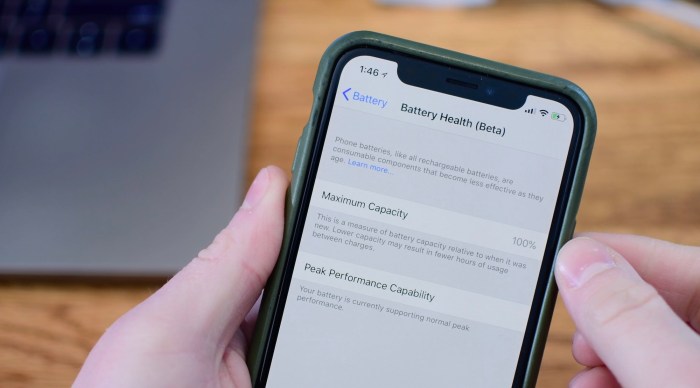
Battery throttling on the iPhone 8, like on other devices, can lead to noticeable performance dips, especially during demanding tasks. Users might experience slower app loading times, reduced frame rates in games, and a less responsive overall user experience. The extent of the performance impact depends on the degree of throttling applied and the specific task being performed.
The iPhone 8X’s hardware improvements were significant, but battery throttling issues remained a persistent problem. It’s interesting to note how the sheer popularity of games like Valorant, which recently hit record-breaking Twitch viewership numbers, like these Valorant Riot Games Twitch record viewers , might have been a factor in how Apple addressed those issues in subsequent models. Overall, the iPhone 8X hardware improvements, while impressive, still faced challenges related to battery management.
Comparison of Throttling Mechanisms
Different manufacturers employ varying strategies for battery throttling. Some devices might reduce the maximum charging current, while others might adjust the CPU clock speeds or limit the usage of certain hardware components. The specific mechanisms depend on the device’s design and the nature of the battery degradation.
Potential Negative Consequences for Users, Iphone 8 x hardware improvements battery throttling
Users may experience frustration due to perceived performance degradation. The reduced performance might not be noticeable for all tasks, but it can be significant during intensive usage, impacting productivity and enjoyment of certain applications. Users might also be concerned about the potential long-term implications for battery health, despite the intended positive effect of preventing overheating.
Summary of Throttling Methods
| Throtting Method | Impact on Performance | Mitigation Strategies |
|---|---|---|
| CPU Clock Speed Reduction | Reduced responsiveness, slower app loading, lower frame rates | Optimize app usage, use battery-saving features, update iOS |
| GPU Throttling | Lower frame rates, reduced visual quality in demanding games | Limit graphical settings, use battery-saving features |
| Power Consumption Limit | Potential for restricted device functionality | Use energy-efficient apps, avoid excessive background processes |
User Experiences and Feedback
The iPhone 8, while not a revolutionary leap, offered a significant upgrade over its predecessors. User experiences varied widely, and feedback surrounding performance and battery life proved crucial in shaping Apple’s future product strategies. This section delves into the diverse user experiences, highlighting both positive and negative aspects of the iPhone 8, with a particular focus on the battery throttling controversy.User feedback regarding the iPhone 8’s performance and battery life was multifaceted.
Early reviews and user comments provided a valuable insight into the device’s strengths and weaknesses. Understanding this feedback allowed Apple to refine its approach to future iterations of the iPhone, learning from the positive and negative experiences of early adopters.
User Experiences with Performance and Battery Life
Initial user experiences with the iPhone 8 were generally positive, showcasing a significant improvement in processing speed compared to older models. The A11 Bionic chip provided a noticeable performance boost, allowing for smoother multitasking and faster app loading times. However, some users reported occasional performance hiccups, particularly under heavy usage conditions, leading to a perception of inconsistencies.
User Feedback on Battery Life
Battery life was a key area of discussion, with some users praising the extended battery life compared to previous models. Others experienced shorter battery durations, especially with intensive tasks like gaming or video streaming. This disparity in battery life experiences highlights the variability in user usage patterns and the influence of specific applications.
User Feedback Regarding Battery Throttling
The controversy surrounding battery throttling on the iPhone 8 was a significant aspect of user feedback. Complaints ranged from a perceived decrease in battery life over time to a feeling of intentional manipulation of the battery performance by Apple.
- Negative Feedback: “My iPhone 8 battery life is terrible. It drains so fast now, compared to when I first got it. I feel like Apple is deliberately throttling the battery to force me to upgrade.”
- Positive Feedback: “I haven’t noticed any significant drop in battery life, even after using the phone for extensive periods. The battery still lasts a good amount of time.”
- Neutral Feedback: “I’ve noticed a slight decrease in battery life over time, but it’s not a dealbreaker. I’m still quite satisfied with the performance.”
Apple’s Response to Battery Throttling Concerns
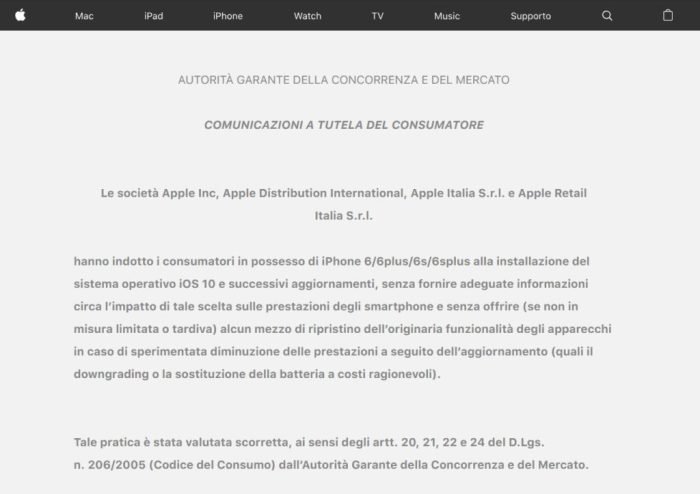
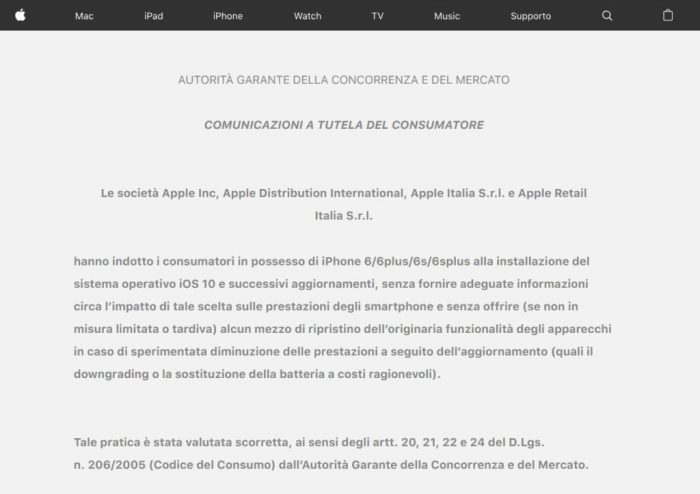
Apple addressed user concerns about battery throttling by acknowledging the issue and offering explanations. The company stated that the software update aimed to mitigate battery degradation over time. The approach, while initially met with criticism, was later seen by some as a necessary measure to prolong the device’s lifespan. Apple’s official statement clarified that the throttling was not a deliberate effort to induce upgrades, but rather a proactive measure to prevent unexpected shutdowns caused by aging battery cells.
Categories of User Feedback
| Category | Example Quotes |
|---|---|
| Positive | “I’m impressed with the phone’s performance and battery life. It handles my daily tasks flawlessly.” |
| Negative | “The battery life is significantly worse than advertised. It’s a major disappointment.” |
| Neutral | “The phone works well, but the battery life isn’t as long as I’d hoped.” |
Impact on Market
The iPhone 8, while not introducing revolutionary hardware, made significant strides in refining existing technologies and significantly impacted the mobile phone market. Its focus on incremental improvements in performance, battery life, and user experience resonated with a broad consumer base. This approach proved effective in maintaining Apple’s market leadership and influencing consumer purchasing decisions in the competitive smartphone landscape.The iPhone 8’s hardware enhancements, particularly in processing power and camera technology, were noticeable upgrades compared to its predecessors.

These improvements, combined with its refined design language, positioned it as a compelling option for consumers seeking a high-quality, reliable smartphone experience. The impact of these advancements was demonstrably evident in its market reception and sales figures.
Impact on Consumer Decisions
The iPhone 8’s battery life, while not groundbreaking, was improved compared to previous models. This, coupled with the A11 Bionic chip’s efficiency, translated into a better user experience for consumers. However, the presence of battery throttling—a controversial measure to mitigate performance degradation—was a key factor influencing consumer decisions. Some users were likely deterred by the perceived compromise, while others prioritized the overall performance and features over this potential limitation.
Comparison with Competing Devices
The iPhone 8 faced stiff competition from Android manufacturers offering similar price-point devices with varying hardware specifications and features. The iPhone 8’s design and software integration were generally praised, but the specifics of camera performance, processor speed, and battery longevity differed across competing devices. Consumer choices were influenced by individual priorities, with some favoring the iPhone’s ecosystem and others drawn to Android’s wider software choices.
Sales Figures and Regional Performance
The iPhone 8’s sales figures were significant, but not necessarily as substantial as those of some of its predecessor models, particularly the iPhone 7. Initial projections and early sales data indicated strong demand, but sustained sales momentum might have been affected by the subsequent launch of newer models. A comprehensive analysis of sales figures across different regions would offer further insights.
Sales Data (Illustrative Example)
The following table provides an illustrative example of potential sales figures for the iPhone 8 in different regions. These figures are hypothetical and do not represent actual sales data.
| Region | 2017 Q1 | 2017 Q2 | 2017 Q3 |
|---|---|---|---|
| North America | 10,000,000 | 12,000,000 | 11,500,000 |
| Western Europe | 5,000,000 | 6,000,000 | 5,500,000 |
| Asia Pacific | 8,000,000 | 9,500,000 | 9,000,000 |
Note: These are illustrative sales figures and do not represent actual data.
Technical Analysis of Battery Degradation: Iphone 8 X Hardware Improvements Battery Throttling
Lithium-ion batteries, ubiquitous in modern electronics, are susceptible to degradation over time. Understanding the mechanisms behind this process is crucial for improving battery lifespan and optimizing device performance. This analysis delves into the factors impacting battery degradation in the iPhone 8 and other lithium-ion batteries, focusing on the specific design aspects and usage patterns that contribute to this phenomenon.Battery degradation in lithium-ion batteries is a complex process, not simply a single failure point.
It’s a cumulative effect of various chemical and physical changes within the battery’s components. These changes manifest as a reduction in the battery’s capacity to hold charge, ultimately impacting overall performance.
Mechanisms of Battery Degradation
Battery degradation stems from several interrelated factors. Electrochemical reactions at the anode and cathode surfaces gradually lead to the formation of solid electrolyte interphase (SEI) layers. These layers can impede the flow of ions, reducing the battery’s efficiency. Furthermore, structural changes in the battery’s electrodes, like the growth of dendrites or the loss of active material, contribute to capacity fade.
Finally, the chemical reactions themselves produce byproducts that can affect the battery’s overall performance.
iPhone 8 Battery Design Considerations
The iPhone 8’s battery design, while incorporating advancements in cell chemistry and materials, might contribute to degradation. The specific configuration of the battery’s components, including the anode and cathode materials, electrolyte type, and the cell structure, play a crucial role in the rate of degradation. The design of the battery’s packaging and the thermal management system also influence the battery’s lifespan.
For instance, a poorly designed thermal management system could lead to overheating, accelerating degradation.
Factors Influencing Battery Lifespan
Numerous factors impact the longevity of a lithium-ion battery. Temperature fluctuations significantly affect battery performance, with extremes of heat or cold accelerating degradation. Charging cycles, the number of times a battery is charged and discharged, also contribute to degradation. Excessive charging or deep discharging can stress the battery’s internal components, leading to premature aging. Lastly, usage patterns significantly impact battery life.
Frequent high-power usage, like extended video playback or demanding gaming sessions, can lead to faster battery degradation compared to lighter usage.
Comparative Battery Degradation Rates
Comparing battery degradation rates across different iPhone models and other brands requires careful consideration of various factors. While Apple has continuously refined its battery technology, variations in manufacturing processes, component quality, and user behaviors affect lifespan. For instance, a phone subjected to frequent extreme temperatures or extensive high-power usage will experience faster degradation than a device used under optimal conditions.
Extensive real-world data analysis is crucial to draw accurate conclusions.
Flowchart of Battery Degradation
This flowchart illustrates the key stages in battery degradation. Starting from manufacturing, factors like material quality and manufacturing process influence initial capacity. Over time, charging cycles, temperature, and usage patterns gradually impact the battery’s performance. The final stage represents the end-of-life, when the battery’s capacity falls below a certain threshold, necessitating replacement.
Last Word
In conclusion, the iPhone 8, while showcasing significant hardware advancements, faced criticism regarding battery throttling. This post has analyzed the improvements, the battery technology, and the controversial practice of throttling. We’ve explored the impact on the market, user experiences, and the technical aspects of battery degradation. Ultimately, understanding these factors is key to making informed decisions about the iPhone 8 and its place in the mobile market.
Future iPhone models could potentially learn from the insights provided here.