Nintendo of America Secures $300 Million Tariff Refund and Launches Customer Appreciation Sale Instead of Direct Payouts


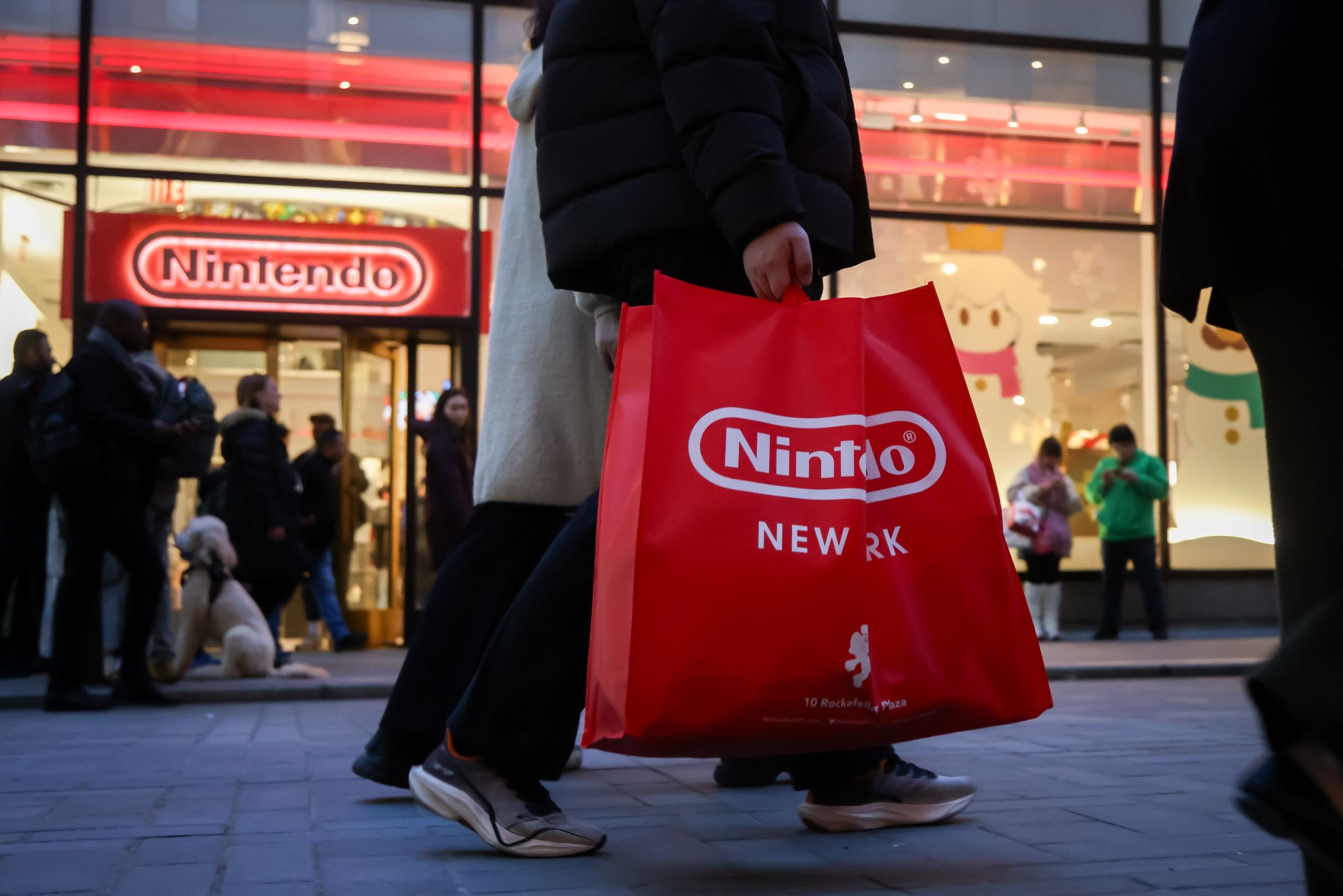
Nintendo of America has announced a sweeping promotional event titled the "Customer Appreciation Sale," funded in part by a massive $300 million tariff refund secured from the U.S. government. Rather than issuing direct cash reimbursements to consumers who absorbed higher hardware and accessory prices during recent trade disputes, the gaming giant is channeling the funds into a two-week discount window.
Running from September 13 to September 26, the promotion offers a flat 30% discount across a wide array of products, including digital Nintendo Switch software, hardware bundles, select physical games, downloadable content (DLC), official accessories, amiibo figures, and branded apparel. These discounts will be accessible through physical Nintendo Store locations, the digital Nintendo eShop, and various participating third-party retail partners.
The decision to fund a sales event rather than distribute direct refunds comes amid rising legal scrutiny. Nintendo of America is currently navigating a proposed class-action lawsuit from consumers who argue that the company unfairly passed the burden of unlawful import taxes onto buyers and should not retain the financial windfall now that the government has returned the capital. While rival firm Sony faces similar litigation, Nintendo has formally moved to dismiss the claims against it.
Background and Chronology of the Tariff Dispute
The roots of this financial controversy stretch back to trade policy shifts enacted during the Trump administration, which placed heavy levies on technology hardware imported from overseas manufacturing hubs. The video game industry, heavily reliant on complex global supply chains centered in Asia, felt the immediate squeeze.
For Nintendo, the financial friction coincided with the highly anticipated rollout of the Nintendo Switch 2. The geopolitical and economic pressures forced the company to scramble its distribution plans. Shortly after the initial global unveiling of the next-generation console, Nintendo of America was compelled to delay U.S. pre-orders to assess the exact impact of the incoming duties, though the hardware’s core June 5 launch date ultimately remained on schedule.
As supply chain constraints and trade penalties continued to mount, the economic reality forced corporate adjustments. In May, Nintendo enacted a $50 price increase on the Switch 2, bringing the standard U.S. retail price to $499. Although the company cited component shortages and synchronized pricing adjustments across international markets like Europe and Japan, American consumers bore the immediate brunt of the elevated price point.
Recognizing the vulnerability of the levies, major corporations fought back through the legal system. In March, Nintendo of America joined a massive coalition of importers—including household names like Costco, FedEx, and Revlon—in filing lawsuits against the U.S. government in the U.S. Court of International Trade.
The legal challenge gained immense momentum when the Supreme Court ultimately ruled that extensive swaths of the implemented tariffs were unlawful. The ruling triggered a massive government obligation to return billions of dollars to affected American businesses. By the end of July, the federal government had paid out a milestone $100 billion in tariff refunds out of an estimated $166 billion owed. In its 2026 corporate earnings documents, Nintendo confirmed that it successfully recovered $300 million from the proceedings.
Corporate Responses and Industry Divergence
Nintendo’s official stance regarding the windfall emphasizes that while the company absorbed a significant portion of the tariff-related expenses out of pocket during the height of the trade tensions, the newly acquired refunds have created fiscal breathing room.
"The Customer Appreciation Sale is our way of saying thank you to Nintendo players for their continued support and is made possible in part by tariff-related refunds," Nintendo of America stated in a formal blog post published on its official U.S. website. "While Nintendo absorbed most tariff-related costs, the refunds helped make promotions like this one possible."
Despite this justification, the approach highlights a broader divergence in how consumer electronics and boutique hardware manufacturers are handling their unexpected government windfalls. The vast majority of major corporations that successfully sued for tariff relief have chosen to retain the funds as corporate revenue or reinvest them into internal infrastructure, even though the original tax burden was routinely passed down to retail purchasers through higher sticker prices.
In stark contrast, a handful of independent hardware developers have taken a transparent, consumer-centric approach. Notably, Panic—the Portland-based publisher and creator of the indie-focused Playdate handheld console—opted to proactively refund the tariff costs directly to the customers who had shouldered the extra expense during the height of the import disputes. This disparity has intensified public debate over corporate ethics and consumer restitution in the wake of overturned federal policies.
Legal Implications and Ongoing Class Action Battles
The core of the consumer grievance rests on the economic principle of double recovery. Plaintiffs in the pending class-action lawsuits assert that companies like Nintendo effectively collected capital twice: first by inflating retail prices to offset anticipated tariff liabilities, and second by collecting multi-million-dollar government refunds for those exact same taxes.
Legal experts note that class-action litigation involving macroeconomic trade policy is extraordinarily complex. Corporations generally possess no legal obligation to alter retail pricing based on retroactive tax or tariff adjustments unless specific contractual stipulations or consumer guarantees were made at the point of sale.
In September, Nintendo’s legal team filed a formal motion to dismiss the consumer lawsuit in federal court, arguing that the pricing of the Switch 2 was governed by standard market forces, component scarcity, and international manufacturing overhead rather than being a direct, dollar-for-dollar pass-through of tariff penalties. A federal judge is expected to review the dismissal arguments in the coming months, setting a potential legal precedent for how other multinational technology firms handle retroactive trade dispute settlements.
Market Impact and Consumer Outlook
As the September 13 launch date for the Customer Appreciation Sale approaches, market analysts expect a significant spike in digital and physical software sales for the Nintendo Switch ecosystem. For everyday gamers who felt the sting of the $499 console price point and high accessory costs earlier in the hardware generation, the 30% discount window offers a welcome, albeit indirect, financial reprieve.
However, whether a temporary software and accessory promotion will appease critics and quiet the ongoing legal challenges remains uncertain. As the broader technology sector continues to digest the billions of dollars flowing back from the U.S. Court of International Trade, the Nintendo case serves as a high-profile litmus test for the intersection of international trade law, corporate responsibility, and consumer advocacy in the modern gaming industry.