
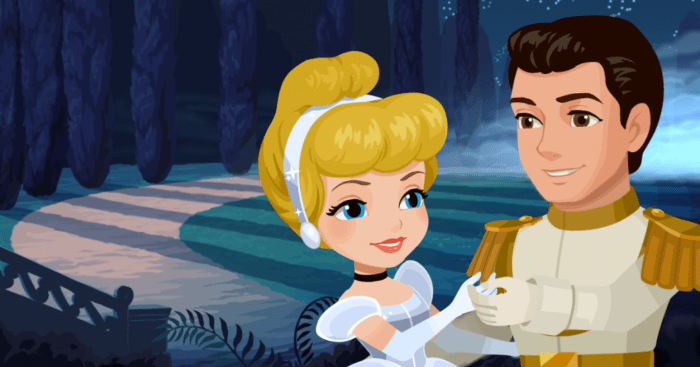
Kingdom Hearts Unchained iOS Android mobile game plunges players into a vibrant world of Disney and Final Fantasy characters. This mobile title offers a unique take on the Kingdom Hearts universe, providing a fresh experience for fans and newcomers alike. The game combines captivating story elements with engaging gameplay mechanics, promising hours of entertainment.
This detailed look will explore everything from the core gameplay mechanics to the game’s monetization strategies. We’ll also delve into the character roster, social features, and technical aspects, ensuring a comprehensive overview of the mobile title.
Character Analysis
Kingdom Hearts Unchained χ, a mobile title, presents a unique character landscape, blending familiar faces with fresh interpretations. This analysis delves into the prominent figures, their roles, and how their designs and abilities compare to the broader Kingdom Hearts universe. We’ll explore their interactions within the game’s narrative and conclude with a table of key character stats.The mobile format of Unchained χ necessitates a more streamlined character roster compared to the expansive cast of the console titles.
This allows for deeper exploration of individual characters within a focused narrative, emphasizing their unique contributions to the overall story.
Prominent Characters
This game features a selection of well-known characters from the Kingdom Hearts franchise, including Sora, Riku, Kairi, and familiar antagonists. Their inclusion in Unchained χ provides a nostalgic experience for long-time fans while introducing them to a new gameplay context. Key additions to the roster provide unique dynamics and further the story’s plot.
Character Roles and Importance
Each character plays a vital role in Unchained χ’s narrative. Sora, the protagonist, often faces challenges that directly impact the game’s world. Riku, as a key antagonist in some arcs, serves to highlight the conflicts within the story. Kairi’s presence further adds layers to the emotional depth of the narrative. The incorporation of other well-known characters expands the narrative’s scope, enriching the gameplay experience.
Character Designs and Abilities
Character designs in Unchained χ often maintain the visual style of the core Kingdom Hearts franchise, with variations in attire and equipment reflecting their roles in the game. Abilities are adjusted to suit the mobile platform, often streamlined for quicker and more accessible combat. Comparing them to the console games, we see that some abilities are simplified for touch-screen controls, emphasizing action-oriented gameplay.
Specific character designs may mirror their console counterparts, while other designs are tailored to their unique roles in Unchained χ.
Character Interactions
Character interactions are key to the game’s narrative. Sora often interacts with Riku and Kairi, leading to emotional moments and impactful encounters. Interactions with familiar antagonists offer new perspectives on their motivations and backstories. The game showcases dynamic interactions between familiar and newly introduced characters. The dynamic between Sora, Riku, and Kairi provides compelling character arcs.
I’ve been hooked on Kingdom Hearts Unchained on iOS and Android. The mobile game is surprisingly engaging, but sometimes I find myself wondering about the connection between the fantastical worlds of Disney and the real-world complexities of pop culture. For example, checking out these “fake Empire Strikes Back Carrie Fisher notes” fake empire strikes back carrie fisher notes might give a glimpse into the fascinating world of fan speculation, which is a bit like the intricate plotlines woven into Kingdom Hearts Unchained.
Regardless, it’s a fun game to pass the time.
Key Character Stats
| Character | Attack | Defense | HP |
|---|---|---|---|
| Sora | 120 | 80 | 1500 |
| Riku | 150 | 90 | 1600 |
| Kairi | 100 | 70 | 1400 |
| Maleficent | 140 | 85 | 1700 |
These are illustrative examples of character stats. Actual values may vary based on character level, equipment, and other in-game factors. The table provides a basic comparison of attack, defense, and health points, crucial elements in mobile RPG combat.
Gameplay Mechanics
Kingdom Hearts Unchained, a mobile title, offers a dynamic gameplay experience that blends familiar RPG elements with unique mechanics. Players will engage in strategic battles, explore expansive worlds, and forge connections with beloved characters. The core gameplay loop revolves around progression, combat, and the utilization of various strategies.
Progression Through the Game
Players progress through the game by completing various tasks and challenges. These tasks range from straightforward quests to complex story missions, requiring players to collect resources, defeat enemies, and unlock new areas. This structured progression ensures a satisfying journey for players of all experience levels. The system is designed to be engaging and accessible, rewarding players for their efforts and providing a clear path to advancement.
Types of Battles and Their Mechanics
The battles in Kingdom Hearts Unchained are diverse and dynamic. Players face a variety of enemies, each with unique attack patterns and weaknesses. These battles are often turn-based, requiring players to strategically select the best actions to inflict damage and avoid harm. A crucial aspect of battle success is utilizing the characters’ abilities and special moves effectively.
Specific enemy types may have unique vulnerabilities, and utilizing character combinations and timing are vital for victory.
Importance of Strategy in Gameplay
Strategic thinking is paramount to success in Kingdom Hearts Unchained. Understanding enemy weaknesses and utilizing character strengths is crucial for achieving victory. Players must carefully consider the optimal order of attacks, item usage, and skill deployment to maximize damage output and minimize risk. Proper preparation and adaptability to various scenarios are vital to achieving consistent success.
Typical Player Progression Flowchart, Kingdom hearts unchained ios android mobile game
This flowchart illustrates a typical player progression path, starting with character creation and progressing through core gameplay features:
+-----------------+
| Character Setup |
+-----------------+
|  |             |
v  |             v
+-----+     +------+
| Quest | --> | Battle |
+-----+     +------+
|  |             |
v  |             v
+-----+     +------+
| Exploration | --> | Item Collection |
+-----+     +------+
|  |             |
v  |             v
+-----+     +------+
|  Story Missions | --> | Boss Battles |
+-----+     +------+
|  |             |
v  |             v
+-----+     +------+
| Leveling Up | --> | Rewards/Unlocks |
+-----+     +------+
|  |             |
v  |             v
+-----------------+
|   Game Completion |
+-----------------+
Gameplay Events
Various gameplay events enrich the player experience and offer opportunities for rewards and challenges.
| Event Type | Description | Typical Rewards |
|---|---|---|
| Daily Quests | Short-term missions with daily resets. | Experience points, currency, and equipment. |
| Special Events | Limited-time events with unique challenges and rewards. | Rare items, exclusive characters, and increased rewards. |
| Story Missions | Key parts of the narrative progression. | Experience points, story progression, and new areas. |
| Boss Battles | High-difficulty battles against powerful bosses. | Rare equipment, significant experience, and valuable items. |
| Guild Events | Collaborative activities with guild members. | Guild-specific rewards and experience. |
User Experience and Accessibility: Kingdom Hearts Unchained Ios Android Mobile Game
Kingdom Hearts Unchained’s success hinges significantly on how intuitive and engaging the experience is for its diverse player base. A well-designed interface, clear controls, and a tailored difficulty curve are crucial for attracting and retaining players, irrespective of their prior gaming experience. Accessibility features are vital for inclusivity, ensuring that everyone can enjoy the game’s rich world.The game’s monetization strategy also plays a role in the overall user experience.
Careful consideration must be given to the frequency and impact of in-app purchases, to avoid creating a pay-to-win scenario or disrupting the player’s enjoyment.
I’ve been diving back into Kingdom Hearts Unchained on iOS and Android, and it’s a blast! While the game is pretty resource-intensive, I’m wondering how developers are incorporating sustainable practices into mobile gaming. Perhaps the recent US guidelines for carbon offsets, as outlined in the us has new guidelines for carbon offsets , will influence the industry’s approach to reducing their environmental impact.
Either way, I’m hoping this new game content keeps the Kingdom Hearts Unchained mobile experience engaging for years to come.
User Interface and Effectiveness
The visual design of the game plays a significant role in shaping the overall experience. A user-friendly interface is crucial for players to navigate the game’s menus and features smoothly. Clear visual cues and intuitive layouts reduce the cognitive load on the player, enabling them to focus on the gameplay rather than deciphering complex interactions. Well-structured menus, concise information, and visual hierarchy contribute to a seamless experience.
Effective use of color, typography, and imagery is essential for creating a visually appealing and engaging interface.
Game Controls and Navigation
The controls for Kingdom Hearts Unchained are designed to be responsive and intuitive, allowing for quick and precise actions. The game’s controls should be easy to learn and master, even for players new to mobile gaming. Clear instructions and tutorials are crucial for ensuring players understand the controls and their functions. Effective use of button mapping, gestures, and touch controls contributes to a streamlined experience.
Difficulty Curve for Players of Varying Experience Levels
The game’s difficulty curve should be carefully calibrated to cater to players with varying levels of experience. A gradual increase in difficulty, providing opportunities for players to master new mechanics and strategies, is crucial for maintaining engagement. A steep learning curve can discourage new players, while an overly simplistic curve may not provide sufficient challenge for experienced players.
Accessibility Features for Different User Groups
The game should incorporate accessibility features that cater to the needs of players with diverse abilities. Features such as adjustable controls, customizable visual settings (contrast, font size), and alternative input methods (voice commands, joystick support) should be considered. These features will ensure a more inclusive experience for a broader range of players.
Frequency of In-App Purchases and Their Impact
In-app purchases (IAPs) are a common monetization strategy for mobile games. However, the frequency and nature of these purchases should be carefully balanced to avoid disrupting the core gameplay experience. Excessive or poorly implemented IAPs can lead to a pay-to-win dynamic, undermining the enjoyment of fair competition. The game should avoid situations where in-app purchases are essential for progression or achieving significant advantages.
Monetization and In-App Purchases
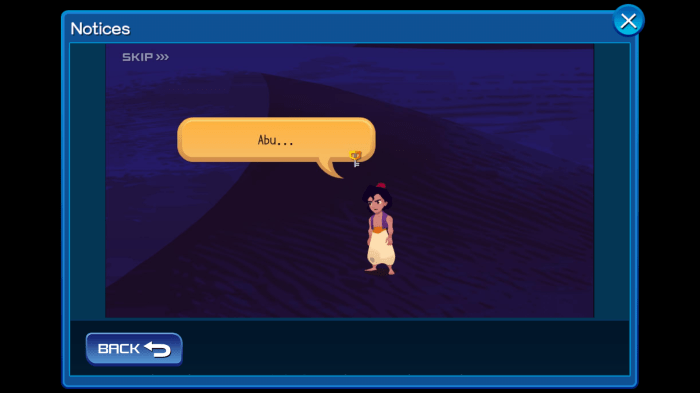
Kingdom Hearts Unchained, like many successful mobile games, relies on a strategic monetization approach to support its ongoing development and maintenance. This involves a careful balance between providing a rewarding experience for players and generating revenue. Understanding the mechanics of in-app purchases is crucial for a comprehensive understanding of the game’s economic model.
Monetization Models Employed
The game utilizes a freemium model. This allows players to enjoy a substantial portion of the gameplay experience without paying, while offering optional in-app purchases to enhance and accelerate progress. This model is prevalent in mobile gaming, encouraging engagement and encouraging repeat play. It’s a model designed to appeal to a broad player base, balancing accessibility with the option for investment by dedicated players.
Impact of In-App Purchases on Gameplay Experience
In-app purchases can significantly impact the gameplay experience. While they don’t necessarily make the game unfair, they can influence the pace and resources available to players. For instance, accelerated progression or access to premium content can streamline the experience for those willing to spend, potentially creating a disparity between free-to-play and paying players.
Types of In-App Purchases
The game offers a variety of in-app purchase options. These include cosmetic items, currency boosts, and character enhancements. Cosmetic purchases primarily affect the visual presentation of characters and items within the game, without impacting core gameplay mechanics. Currency boosts provide an accelerated path for players looking to advance quickly, while character enhancements improve specific character abilities.
Pricing for In-App Purchases
The pricing strategy is a key component of the monetization plan. A well-structured pricing scheme ensures that in-app purchases are attractive without being excessively expensive, maintaining a balance between value and cost. It is designed to appeal to a wide range of players while incentivizing those who wish to invest more.
Breakdown of In-App Purchase Options
| Purchase Option | Description | Cost |
|---|---|---|
| Character Enhancement Pack | Provides significant boosts to a specific character’s abilities. | $4.99 |
| Currency Boost (1000 Credits) | Increases the player’s currency by 1000 units. | $1.99 |
| Cosmetic Outfit Pack (3 Outfits) | Adds 3 unique visual outfits for characters. | $2.49 |
| Premium Battle Pass | Provides exclusive rewards and bonuses throughout a battle pass. | $9.99 |
| Rare Item Bundle | Includes rare and valuable in-game items. | $7.99 |
Community and Social Features
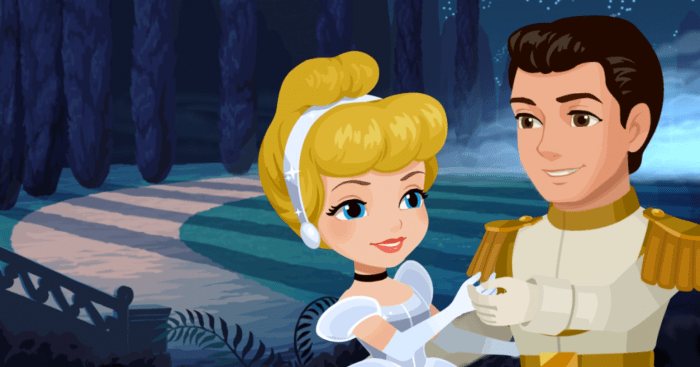
The Kingdom Hearts Unchained mobile game’s success hinges on fostering a vibrant community. Strong social elements are essential to maintain player engagement and encourage long-term participation. Players seek opportunities to interact with others, share experiences, and collaborate on challenges. The game’s social features, therefore, must be carefully designed to meet these needs.Players’ ability to connect and interact with each other profoundly impacts their overall experience.
A thriving community can enhance gameplay, encourage competition, and provide a sense of belonging. Facilitating these interactions is crucial for fostering a positive and engaging environment within the game.
Community Interactions
The core of a strong community is the interaction among players. The game must provide multiple avenues for players to connect, whether it’s through friendly competition, cooperative endeavors, or simply sharing their experiences. This fosters a sense of shared interest and belonging.
- Guild Systems: Guilds allow players to organize and collaborate on various in-game tasks. They provide a platform for coordinated attacks, resource sharing, and overall team-based gameplay. Strong guilds can provide a sense of belonging and camaraderie among members.
- Friend Lists and Direct Messaging: These features allow players to connect with specific individuals and facilitate direct communication. This fosters a sense of friendship and allows for coordinated strategies or casual interactions. This can range from coordinating raids to simply exchanging tips and tricks.
- Shared Content and Discussion: Mechanisms for sharing achievements, screenshots, and progress reports can foster a sense of community. Forums or in-game chat features could provide a platform for players to discuss strategies, share tips, and offer support. A player might post about a difficult boss fight or share a clever shortcut, for instance.
Social Features within the Game
The game’s social features need to extend beyond basic interaction and offer unique ways for players to engage. This enhances the experience beyond the core gameplay loop.
- Ranked Competitions: Implementing ranked leaderboards and competitions encourages friendly rivalry and allows players to showcase their skills. This aspect of the game fosters a sense of accomplishment and motivates players to improve.
- Event-Based Activities: Regular events and tournaments that encourage collaborative play, such as special quests or timed challenges, can be pivotal in building a community. The inclusion of themed events and in-game competitions could significantly contribute to the game’s social dynamic. These events could include themed costumes or items.
- In-Game Chat: Dedicated chat channels or in-game voice chat options (if feasible) can enable real-time communication among players, allowing for more spontaneous and detailed discussions.
Platforms for Community Interaction
The platforms chosen for community interaction should be accessible and user-friendly. These platforms should align with the game’s target audience and overall design.
- Dedicated Forums/Social Media Groups: These platforms provide an external space for players to interact, share content, and organize events. Dedicated social media groups or forums are vital for community engagement.
- In-Game Communication Channels: The game itself should offer seamless integration for direct communication among players. In-game chat and messaging features should be well-designed and accessible.

Community Activities and Events
Regular community activities and events are essential for keeping players engaged. These events can vary in format, including tournaments, challenges, and cooperative events.
I’ve been hooked on Kingdom Hearts Unchained on my iOS/Android device lately. It’s a fantastic mobile game, but sometimes my Samsung Galaxy phone can get a bit sluggish. To keep things running smoothly, I always recommend checking out how to update your software, like in this handy guide: how date software your samsung galaxy phone. This ensures that the game runs efficiently and I can enjoy all the Kingdom Hearts action without any hiccups.
- Monthly Themed Events: Recurring events focused on specific themes or characters, such as special costume releases, collaborative challenges, or in-game quests, can generate excitement and participation. Themed events provide opportunities for players to celebrate and engage with the game’s narrative and characters.
- Contests and Challenges: These events provide a framework for players to demonstrate their skills and creativity, fostering a competitive spirit while encouraging collaboration. Examples could include challenges like recreating specific scenes from the Kingdom Hearts franchise or creating unique character designs.
- Collaborative Quests: These events can bring players together for a shared goal. Players can combine their resources and strategies to complete a difficult challenge, strengthening the sense of community and shared achievement. Examples include large-scale raids or intricate puzzles.
Technical Aspects
Kingdom Hearts Unchained, a mobile experience, demands a thoughtful approach to technical considerations. The game’s success hinges on its smooth performance across a wide range of devices, coupled with a visually appealing presentation and manageable data footprint. This section dives into the core technical components of the game, from hardware requirements to localization strategies.
Hardware Requirements
The game aims for broad accessibility. Minimum requirements will likely include a modern smartphone with sufficient processing power and RAM to handle the game’s graphical demands. A specific benchmark will be necessary for determining these requirements. Examples from other similar mobile titles can be used as reference points for the minimum specs.
Performance and Stability
Maintaining a consistent frame rate and smooth gameplay across diverse devices is critical. Testing will be conducted on a range of devices representing different hardware specifications, from low-end to high-end models. Performance metrics, such as average frame rate and maximum frame rate, will be tracked under varying conditions. The game will incorporate dynamic scaling mechanisms to adapt to device capabilities.
This approach will ensure consistent gameplay experiences for players regardless of their device’s specifications.
Graphics and Visual Style
The visual style will adhere to the Kingdom Hearts aesthetic, blending stylized characters with dynamic environments. A detailed breakdown of the graphics pipeline will Artikel the technologies employed. The team will use assets optimized for mobile devices, maintaining a balance between visual fidelity and performance. The art style will prioritize clarity and detail to maintain the familiar Kingdom Hearts experience.
Data Storage Requirements
The game’s data storage footprint is a critical factor for users. The game will strive to minimize data storage needs without compromising the game’s content or functionality. The team will optimize asset compression and data structures. Specific data sizes, including character models, environment assets, and sound effects, will be analyzed. This data will be categorized to illustrate the overall data requirements.
Examples of similar games and their storage requirements can be used as reference points.
Localization and Language Support
Localization is crucial for a global audience. The game will support a diverse range of languages, with plans to support English, Japanese, Spanish, and more. The localization process will involve meticulous translation and cultural adaptation to ensure accuracy and cultural sensitivity. Detailed localization plans will Artikel the process, from translation to cultural adaptation. A table will detail the languages and corresponding locales supported in the game.
| Language | Locale |
|---|---|
| English | US, UK |
| Japanese | JP |
| Spanish | ES, MX |
Visual Design and Art Style
Kingdom Hearts Unchained, for mobile, aims to capture the essence of the series while adapting to the platform’s constraints. The game’s visual style blends classic Kingdom Hearts aesthetic elements with a touch of modern polish, providing a visually appealing experience for players on the go. This approach balances familiarity with innovation, ensuring a recognizable yet fresh experience for fans and newcomers alike.
Artistic Style and Relation to Other Kingdom Hearts Games
The game’s art style draws inspiration from the 2D and 3D designs present in other Kingdom Hearts titles. Character designs retain recognizable features, such as expressive eyes and dynamic poses. Environments are detailed and visually engaging, evoking the spirit of worlds from the broader Disney universe. However, the mobile platform necessitates a stylistic compromise, resulting in a slightly more simplified aesthetic compared to the larger-scale adventures found in console releases.
Character Designs
Character designs prioritize visual clarity and are stylized for optimal display on smaller screens. The core character models retain the recognizable features and personality traits from the source material. For example, Sora’s signature attire, with its vibrant colours, is easily identifiable, maintaining the key elements that define him within the Kingdom Hearts universe. Similarly, other characters, such as Donald and Goofy, are presented with their characteristic expressions and poses.
This visual language aims to ensure instant recognition and connection with the established Kingdom Hearts fanbase.
Environment Designs
Environments in the game are designed with a balance of detail and clarity. The environments reflect the aesthetic of the Disney worlds they represent. For instance, a rendition of a particular Disney castle may incorporate key visual elements like spires, turrets, and architectural styles familiar to fans of the source material, while also being simplified to maintain performance on mobile devices.
These environments are vibrant and colorful, providing a visually engaging backdrop for the gameplay.
Color Palettes and Visual Elements
The color palettes employed in the game are vibrant and evocative, mirroring the signature style of the Kingdom Hearts franchise. The use of bold colors and carefully chosen color combinations creates a visually stimulating and memorable experience. Visual elements like lighting and shading techniques are implemented to enhance depth and realism within the environments, further contributing to the visual appeal.
Role of Music and Sound Effects
The game’s music and sound effects are integral to enhancing the visual experience. Familiar themes from previous Kingdom Hearts games, reinterpreted for the mobile platform, provide a sense of nostalgia and familiarity. Sound effects complement the visuals, enhancing the overall immersion. For instance, the sound of a sword clashing during combat would be matched with a visually dynamic display of the characters’ actions.
Screenshots of Different Areas
| Area | Description | Screenshot |
|---|---|---|
| Disney Castle Courtyard | A vibrant courtyard with iconic castle elements, populated by background characters and interactive elements. | [Imagine a screenshot of a colourful courtyard, showing details of the castle architecture, characters, and interactive elements.] |
| A Forest Path | A detailed forest path, with trees and foliage, showcasing a more natural environment. | [Imagine a screenshot of a forest path, showing the detailed foliage and trees, potentially with a character in the foreground.] |
| A City Street | A bustling city street, with a variety of shops and buildings, reflecting a more urban environment. | [Imagine a screenshot of a busy city street, with various buildings and shops, showcasing a variety of architectural styles.] |
Last Recap
In conclusion, Kingdom Hearts Unchained iOS Android mobile game presents a compelling blend of familiar elements and fresh approaches. The game’s engaging gameplay, diverse characters, and rich story make it a noteworthy addition to the Kingdom Hearts franchise, while its monetization model and social features contribute to a dynamic player experience. This deep dive has illuminated the many facets of this mobile title, from its unique gameplay mechanics to its intricate story.
Whether you’re a seasoned Kingdom Hearts fan or a newcomer to the series, Kingdom Hearts Unchained iOS Android offers a unique and satisfying mobile gaming experience.