Instagram Intensifies Crackdown on Non-Consensual Filming Via Ray-Ban Meta Glasses, Raising Broader Questions on Wearable Tech Privacy

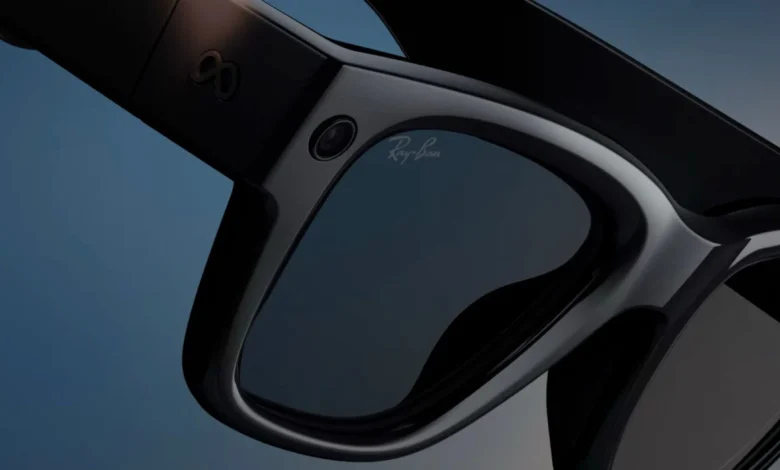
Instagram has initiated a significant enforcement action against users leveraging Ray-Ban Meta smart glasses for non-consensual filming, particularly targeting accounts engaged in harassment and privacy invasion. This move, which has already seen the removal of two prominent "pickup artist" accounts boasting over a million followers each, signals a growing awareness by social media platforms of the ethical dilemmas posed by increasingly discreet wearable recording technology. However, critics suggest this crackdown, while necessary, functions more as damage control for existing misuse rather than a comprehensive solution to the inherent privacy challenges presented by the smart glasses’ design.
The Genesis of the Concern: Ray-Ban Meta and Covert Recording
The Ray-Ban Meta smart glasses, a collaboration between Meta Platforms and EssilorLuxottica, were launched with the promise of seamlessly integrating digital capture into daily life. Building on the foundation of the earlier Ray-Ban Stories, these glasses allow users to take photos and record videos hands-free, featuring integrated cameras, speakers, and microphones. The intention was to offer a convenient way to document moments, share experiences, and even engage with Meta’s AI features, all while maintaining a stylish, everyday appearance.
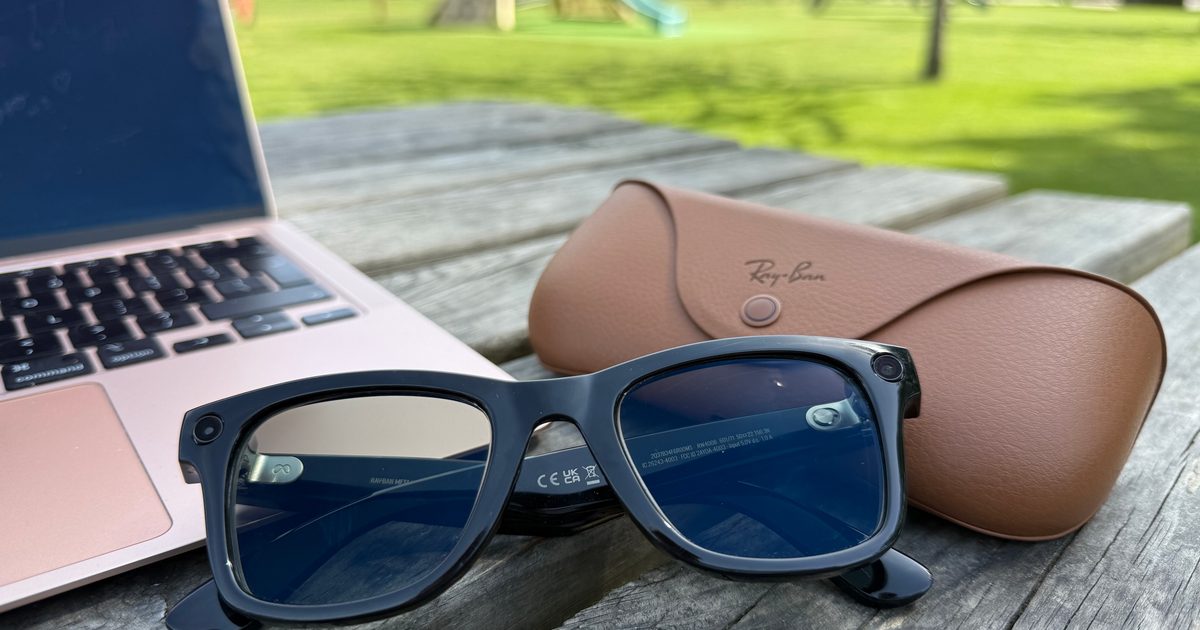
However, almost immediately upon their release, privacy advocates and the general public raised alarms. The primary concern revolved around the glasses’ ability to record video and capture images with minimal, and often easily overlooked, indication to those being filmed. While the glasses include a small LED indicator light that illuminates when recording is active, its discreet size and placement, combined with public unfamiliarity with the technology, render it largely ineffective in preventing covert recording, especially in public or brightly lit outdoor environments. This design choice has been a recurring point of contention, with many arguing that it prioritizes user convenience over the privacy rights of bystanders.
Escalation of Misuse: "Pickup Artists" and Workplace Harassment
The potential for misuse quickly materialized into documented instances of privacy violations. A particularly egregious trend emerged with "pickup artists" (PUAs) and pranksters utilizing the Ray-Ban Meta glasses to film unsuspecting individuals, predominantly women, in public spaces. These videos often depict staged encounters, unsolicited advances, or outright harassment, all captured without the subject’s knowledge or consent. The content, frequently edited for viral appeal, then proliferated across platforms like Instagram, garnering millions of views and followers for the creators.
Beyond PUA content, reports also detailed instances of individuals using the glasses to record interactions with service workers, such as cashiers and fast-food employees, often under the guise of pranks or to document perceived grievances. Such recordings, shared widely, further contribute to a climate of distrust and discomfort, eroding the expectation of privacy in everyday public interactions. The ease with which these recordings could be made and subsequently uploaded to social media amplified the problem, turning what was marketed as a lifestyle device into a tool for exploitation and harassment.

Instagram’s Response: A Targeted Crackdown
The mounting pressure and undeniable evidence of misuse prompted a response from Instagram. According to reports from Business Insider, the platform has begun actively pulling videos that depict wearers harassing strangers. Instagram head Adam Mosseri acknowledged the issue in a recent Instagram Story, stating that the platform is "trying to fight that every way we can." This public statement marked a definitive shift from what many perceived as a passive stance, indicating a more proactive approach to content moderation concerning smart glasses.
The most tangible evidence of this new policy has been the deactivation of at least two high-profile accounts. Both accounts were run by individuals identified as pickup artists, who had leveraged the Ray-Ban Meta glasses to film their interactions with women in public. Each of these accounts had amassed a substantial following, exceeding one million followers, before Instagram took action. A company spokesperson confirmed that these removals were directly linked to violations of the platform’s new harassment policy, specifically targeting content created using the smart glasses in a non-consensual manner.
However, the specifics of this new policy remain somewhat opaque. Instagram has not publicly outlined the precise criteria for what constitutes a banned video, nor has it disclosed the total number of accounts affected beyond the two prominent examples. This lack of clear guidelines raises questions about the consistency of enforcement and the ability of both users and bystanders to understand the boundaries. Without transparent rules, it becomes challenging for the public to fully trust the efficacy of the policy, and equally difficult for users of Ray-Ban Meta glasses to predict which content might lead to account suspension.

The Underlying Hardware Flaw: A Persistent Challenge
The core of the problem, many argue, lies not solely with the platforms hosting the content, but with the fundamental design of the Ray-Ban Meta smart glasses themselves. The tiny LED indicator, intended to signal active recording, is widely considered insufficient. Its dimness makes it easy to miss in outdoor settings or even in well-lit indoor environments. Moreover, the general public’s lack of awareness about this specific feature means that even if the light is visible, many people wouldn’t recognize its significance.
Early versions of similar smart glasses faced similar criticisms, and some users even found ways to physically obscure or disable the indicator light, effectively turning the devices into truly covert recording tools. Meta has attempted to address this vulnerability with software updates, implementing a "fix" that reportedly shuts off the camera entirely if the indicator light is tampered with or covered. While this represents an improvement, it doesn’t solve the issue of the light being inherently subtle and unfamiliar to most people.
The debate over discreet recording indicators extends across the nascent smart glasses industry. Competitors, notably Apple, appear to be learning from Meta’s experience. Reports suggest that Apple’s rumored smart glasses might incorporate a significantly brighter and more prominent light ring around the lens, making it far more obvious when the device is actively recording. Such a design choice prioritizes the privacy of bystanders by making non-consensual filming much harder to conceal, potentially setting a new standard for ethical hardware design in this category.
Broader Implications and the Path Forward
Instagram’s recent actions, while a welcome step, highlight the ongoing tension between technological innovation and individual privacy in the digital age. By banning accounts, the platform is treating a symptom of the problem – the dissemination of harmful content – rather than the root cause, which is the ease with which non-consensual recordings can be made in the first place. Deleting a video after it has been uploaded does little to mitigate the initial privacy violation experienced by the person who was unknowingly filmed. Furthermore, it does nothing to address recordings that are made but never posted online, or those shared through private channels.
This situation underscores a critical challenge for both hardware manufacturers and social media platforms. For Meta, the incident prompts a re-evaluation of product design, emphasizing the need for privacy-by-design principles that make recording overtly obvious to those being filmed. The responsibility extends beyond merely adding an indicator light; it requires designing a user experience that inherently respects the privacy of others.
For platforms like Instagram, the task of content moderation becomes increasingly complex with the advent of new wearable technologies. As devices become more sophisticated and integrated into daily life, the line between personal capture and privacy invasion blurs. Platforms must develop more robust and transparent policies, coupled with advanced AI and human moderation, to identify and remove problematic content quickly. They also face the ethical imperative to educate users about responsible technology use and the consequences of violating community guidelines, particularly concerning non-consensual content.
The broader societal impact of smart glasses and other wearable recording devices also warrants careful consideration. There is a growing public discourse around the "right to be forgotten" and the expectation of privacy in public spaces. As technology makes it easier to capture and share every moment, legal and ethical frameworks will need to adapt to protect individuals from pervasive surveillance. This could involve stricter regulations on wearable recording devices, clearer consent requirements for filming in public, and enhanced legal recourse for victims of non-consensual recording.
Ultimately, the crackdown by Instagram on the misuse of Ray-Ban Meta glasses serves as a crucial inflection point. It is a stark reminder that technological advancement must be balanced with ethical responsibility and a deep respect for individual privacy. While platform enforcement is a necessary step, a truly effective solution will require a concerted effort from hardware developers to prioritize privacy in design, from social media platforms to implement clear and consistent moderation, and from society as a whole to foster a culture of digital responsibility and respect. Without these integrated efforts, the convenience of hands-free recording risks irrevocably eroding the fundamental right to privacy in our increasingly connected world.
Related posts: