LG Electronics Initiates Comprehensive Ban on Residential Proxy Applications within Smart TV Ecosystem Following Security Vulnerability Disclosures

LG Electronics USA has officially announced its intention to suspend and remove all applications from its smart TV app store that facilitate the conversion of consumer hardware into residential proxy nodes. This decisive policy shift follows a series of alarming reports from cybersecurity researchers indicating that a significant portion of the software available on the LG webOS platform was surreptitiously utilizing the internet connections of unsuspecting users to route third-party traffic. The move marks a critical turning point in the governance of Internet of Things (IoT) ecosystems, as manufacturers grapple with the ethical and security implications of third-party monetization strategies that exploit home network infrastructure.
The controversy reached a boiling point in July 2024, following the release of a comprehensive study by the cybersecurity firm Spur.us. The research examined the prevalence of residential proxy Software Development Kits (SDKs) within the application ecosystems of major smart TV manufacturers. The findings were startling: more than 42 percent of the applications analyzed on LG’s webOS store were found to contain SDKs that transformed the television into a permanent, always-on proxy node. Similarly, the study revealed that more than 25 percent of applications designed for Samsung’s Tizen operating system harbored comparable components.
The Mechanics of Residential Proxy Integration
To understand the gravity of the situation, it is essential to define the role of a residential proxy. In the digital economy, residential proxies are highly sought-after commodities. Unlike data center IP addresses, which are easily identified and blocked by websites, residential IPs belong to actual home internet users. This makes them invaluable for activities such as web scraping, bypassing geographic content restrictions, and conducting market research without being detected by anti-bot mechanisms.
However, the acquisition of these IP addresses often occurs through ethically murky channels. App developers, seeking ways to monetize their creations beyond traditional advertising or subscription models, often integrate SDKs provided by proxy network operators. These operators pay developers to include code that turns the user’s device into a "peer" or "node" within their global network. Once an app is installed, the user’s smart TV becomes a gateway through which the proxy provider’s clients can funnel their internet traffic.
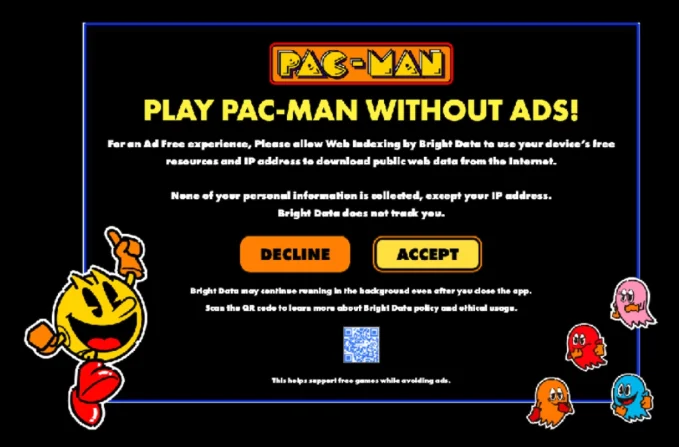
In the case of LG and Samsung televisions, these SDKs were found bundled with a wide variety of seemingly harmless software, including classic games like Pac-Man, digital screensavers, and various system utilities. In many instances, the user is presented with a choice: view traditional advertisements or agree to "share" their device’s idle resources. Security experts argue that this "consent" is often illusory, as the technical implications of becoming a proxy node are rarely explained in terms a layperson can understand.
LG’s Official Response and Enforcement Strategy
Responding to the findings published by Spur.us and subsequent inquiries from cybersecurity journalists, LG Electronics Senior Vice President John Taylor clarified the company’s position. Taylor stated that the use of smart TVs as residential proxy nodes is not an intended or authorized function of the webOS platform. He emphasized that the company is taking immediate steps to purge such software from its ecosystem.
"A residential proxy network is not an intended use for LG smart TVs, and LG Electronics is working with developers to remove the residential proxy option from their apps on the webOS platform," Taylor said in a formal statement. He further noted that the company’s review process is "well underway" and that any developers who fail to comply with the new mandate will see their applications permanently suspended from the store.
This proactive stance represents an attempt by LG to restore consumer confidence and enhance the overall security posture of its hardware. Taylor reiterated that LG is committed to strengthening its evaluation process for all developer-submitted applications to ensure that residential proxy SDKs do not find their way back onto the platform in the future. This includes more rigorous automated and manual testing to identify hidden background processes that could compromise user privacy or network integrity.
The Security and Privacy Implications
The presence of proxy SDKs on a primary home device like a smart TV introduces several layers of risk. First and foremost is the issue of network performance. While proxy providers often claim they only use "idle" resources, the constant routing of third-party traffic can lead to increased latency and decreased bandwidth for the actual homeowner. For users with data caps, this surreptitious activity can result in unexpected overage charges.

More concerning, however, are the security and legal risks. When a user’s TV acts as a proxy, their IP address is associated with whatever activity the third-party client is performing. If a client uses the proxy to engage in illegal activities—such as launching cyberattacks, accessing illicit content, or conducting fraudulent transactions—the trail leads directly back to the innocent homeowner’s internet connection.
Furthermore, cybersecurity researchers have long warned about the potential for "lateral movement" within a home network. If a proxy SDK is compromised or poorly designed, it could theoretically serve as a bridge for an attacker to access other sensitive devices on the same network, such as personal computers, security cameras, or network-attached storage (NAS) devices. While major proxy providers like Bright Data claim to have technological safeguards in place to prevent such interactions, the sheer scale of the deployment makes complete security a difficult promise to keep.
Responses from Proxy Network Providers
Bright Data, one of the primary residential proxy networks identified in the Spur.us report, has defended its business model. In statements provided to the media, the company emphasized that its network is built on the principles of transparency and informed consent. Bright Data asserts that every "peer" in its network must explicitly opt-in through a dedicated screen and that they receive tangible value—such as an ad-free experience—in return for their participation.
The company also highlighted its rigorous "Know Your Customer" (KYC) protocols, which are designed to ensure that only legitimate businesses and researchers use their services. Bright Data noted that its practices have undergone independent audits by firms such as PwC to verify compliance with industry standards. Despite these assurances, the fundamental concern remains: many users, particularly children or non-technical household members, may click through consent prompts without understanding the long-term implications of their decision.
A Broader Pattern of Software Concerns
The move to ban proxy apps comes at a time when LG is already facing scrutiny over its software partnership practices. Recently, the popular hardware review channel Gamers Nexus highlighted a controversial integration involving LG’s high-end LCD monitors. According to the report, certain LG monitors automatically trigger the installation of a McAfee security application via Windows Update without an explicit prompt for user approval.
This "bloatware" approach has drawn criticism from the tech community, as it is seen as an overreach that prioritizes affiliate revenue over user experience. The discovery that LG monitors were being used as a delivery vehicle for paid antivirus subscriptions, combined with the revelation of proxy SDKs in TV apps, suggests a broader corporate culture struggling to balance the monetization of its user base with the principles of device ownership and digital sovereignty.
The Path Forward for Smart Home Security
The crackdown by LG is likely to set a precedent for other manufacturers in the smart home space. As televisions, refrigerators, and even light bulbs become increasingly sophisticated, they become more attractive targets for companies looking to harvest data or harness distributed computing power.
Industry analysts suggest that the current regulatory environment may soon catch up with these practices. With the implementation of the General Data Protection Regulation (GDPR) in Europe and the California Consumer Privacy Act (CCPA) in the United States, the definition of "informed consent" is becoming more stringent. A one-time pop-up on a television screen may no longer be sufficient to justify the ongoing use of a consumer’s private internet connection for commercial purposes.
For consumers, the advice remains to exercise caution when installing "free" applications, even from official app stores. Checking app permissions, monitoring network traffic through router logs, and sticking to well-known software developers are essential steps in maintaining a secure home network. As for LG, the successful removal of these proxy nodes will be a significant step toward reclaiming its reputation as a hardware-first company that respects the boundaries of the digital home.
The timeline for the complete removal of these apps remains fluid, but LG has indicated that the process is a top priority. As the company continues its audit, the tech industry will be watching closely to see if other giants, such as Samsung and Sony, follow suit in purging residential proxy SDKs from their respective platforms. In the evolving landscape of the Internet of Things, the battle for control over the "last mile" of the internet—the home network—is only just beginning.