Tainted Grail: The Fall of Avalon Offers a Compelling Alternative to the Long-Awaited Elder Scrolls VI

The landscape of open-world, first-person RPGs, a genre largely defined by Bethesda’s seminal The Elder Scrolls series, has seen relatively few direct contenders emerge in recent years. While Avowed, developed by Obsidian Entertainment, stands as a notable upcoming title, another game, Tainted Grail: The Fall of Avalon, has quietly carved out its own niche, offering a dark and intricate experience that resonates with fans of the genre. Launched in May of the previous year following a period in early access, Tainted Grail has garnered a positive reception, a testament to the dedication and ambition of its relatively young development studio, Questline.
A Dark Reimagining of Arthurian Legend
At its core, Tainted Grail: The Fall of Avalon presents a "dark reimagination" of Arthurian legends, shifting the familiar narrative to the mysterious and foreboding island of Avalon. This departure from traditional lore imbues the game with a unique atmosphere, blending elements of grim fantasy with the established mystique of King Arthur’s final resting place. Unlike many fantasy RPGs that draw inspiration from Tolkien or Dungeons & Dragons, Tainted Grail leans into a more somber and perilous interpretation of the Arthurian mythos, exploring themes of decay, despair, and the lingering echoes of a once-great civilization.
The game’s setting is meticulously crafted, featuring three distinct zones that contribute to a sense of exploration and discovery. This segmented approach to world design, while different from the seamless open worlds of The Elder Scrolls, allows for more focused and detailed environments, each with its own challenges and secrets. Players are presented with a rich tapestry of activities that extend beyond the typical combat and questing. The inclusion of crafting and survival mechanics such as fishing, farming, cooking, mining, and smithing weapons allows for deep player engagement with the game’s world. Furthermore, the ability to mix spells and even sketch in a journal adds layers of personalization and immersion, encouraging players to not just conquer the world, but to understand and document it. This emphasis on player agency and world interaction echoes the beloved "sandbox" elements that have long been a hallmark of the Elder Scrolls franchise.
Gameplay Mechanics and Artistic Direction
Tainted Grail: The Fall of Avalon draws heavily from the established conventions of the first-person RPG genre, offering familiar gameplay loops such as dungeon crawling and overworld exploration. However, it distinguishes itself through its unique combat system and its striking artistic direction. The melee combat, in particular, has been praised for its elegance and fluidity, a significant advancement from the often clunky or simplistic combat found in some of its predecessors. With over fifteen years having passed since the release of The Elder Scrolls V: Skyrim, a benchmark for the genre, the evolution of combat mechanics in games like Tainted Grail is a welcome development, offering a more engaging and visceral experience for players.
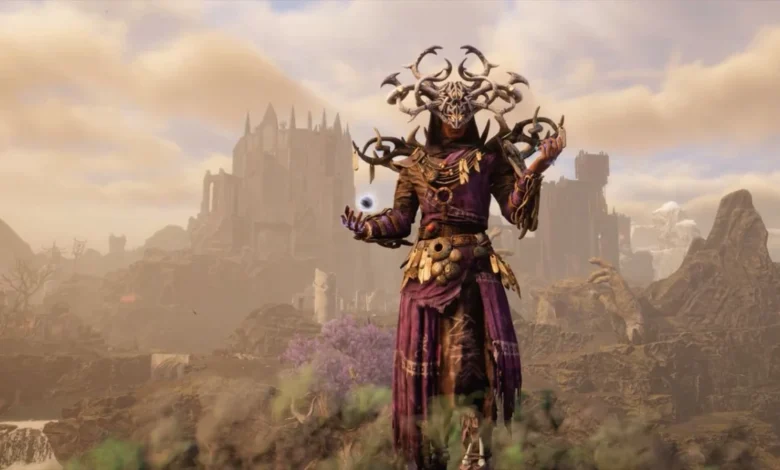
The game’s art style presents a captivating blend, described as a hybrid of Dark Souls and Morrowind. This aesthetic choice lends Tainted Grail a dark, atmospheric, and somewhat unsettling visual identity, setting it apart from the brighter, more traditional fantasy settings. The result is a world that feels lived-in, scarred, and full of untold stories. Despite its unique visual flair and thematic deviations, the game retains an unmistakable connection to the first-person Bethesda RPG formula. This familiarity, combined with its fresh ideas, creates an experience that is both comforting and invigorating for long-time fans of the genre.
Performance and Accessibility
The game’s performance has also been a point of discussion, particularly its compatibility with handheld gaming devices. Reports indicate that Tainted Grail: The Fall of Avalon runs "pretty well" on the Steam Deck, albeit with frame rates fluctuating between 30-45fps. This level of performance on a portable device is commendable for a game of its scope and complexity, suggesting a well-optimized engine and thoughtful design considerations for a wider range of hardware. While not achieving the buttery-smooth frame rates that some players might prefer, it remains a playable and enjoyable experience on the go, broadening its accessibility to a wider audience.
Strategic Timing and Current Incentives
The release of Tainted Grail: The Fall of Avalon arrives at a particularly opportune moment for fans of the Elder Scrolls series. With the next installment, The Elder Scrolls VI, still a considerable distance away, players are actively seeking new and engaging experiences within the genre. Tainted Grail presents itself as a compelling alternative, offering a deep, immersive world and a unique take on familiar RPG tropes.
Adding to its appeal, the game is currently available at a significant discount. A 50% off promotion on Steam marks the lowest price point the game has been offered at, making it an exceptionally attractive proposition for potential buyers. This substantial price reduction, coupled with the availability of a free demo, allows players to experience the game firsthand before committing to a purchase, further lowering the barrier to entry for this promising title.
Major Updates and Content Expansion
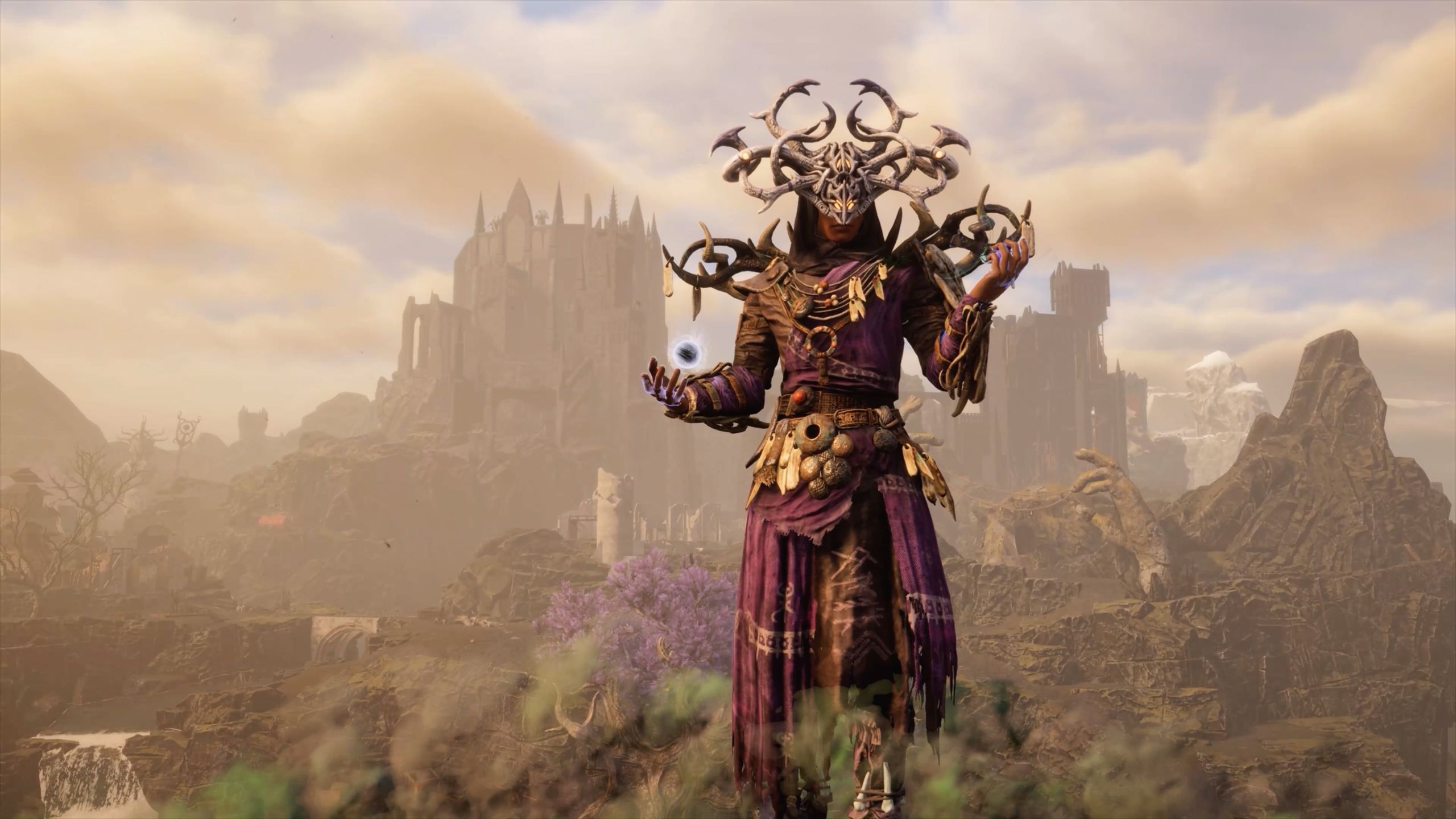
The current discount is not merely a promotional stunt; it coincides with the release of a major new patch and a free downloadable content (DLC) drop. This significant update introduces a wealth of new content, enhancing the game’s replayability and overall value. Key additions include new items that players can acquire and utilize, as well as a new "ultra+" graphics preset. This advanced graphical option is designed to push the limits of high-end PCs, offering an even more visually stunning experience for those with powerful hardware.
Furthermore, the patch introduces new armor sets tailored for rangers and sorcerers, expanding the customization options for different character builds. New bows and wands have also been added, providing players with a wider array of weaponry and magical implements to master. Perhaps one of the most anticipated additions is a new romance option, which adds another layer of depth to character interaction and narrative possibilities, allowing players to forge deeper connections within the game’s world.
The Broader Context of Indie RPG Development
The success of Tainted Grail: The Fall of Avalon highlights a broader trend in the gaming industry: the increasing capability and ambition of independent studios. For a "relatively young studio" to tackle a project of this scale and achieve positive critical and player reception is a significant accomplishment. It demonstrates that innovation and high-quality game design are not solely the domain of established AAA developers.
The emergence of titles like Tainted Grail offers a vital counterpoint to the often predictable output of larger studios. These independent games can afford to take more risks, experiment with unconventional themes and mechanics, and cater to more niche audiences. The positive response to Tainted Grail‘s "interesting spin on Arthurian legend" and its "competent world" suggests a strong appetite for creative interpretations of established fantasy settings.
Analysis of Implications
The current state of the first-person RPG market, with a long wait for the next Elder Scrolls title and a relatively sparse offering of comparable games, creates a prime opportunity for titles like Tainted Grail. Its successful launch and ongoing content updates position it as a strong contender for players seeking a deep, immersive, and thematically rich role-playing experience.
The decision to coincide a substantial discount with a major content update is a strategic move that benefits both the developer and the player. For Questline, it serves to attract new players and retain existing ones by offering enhanced value and continued support. For players, it provides an affordable entry point into a game that is clearly being actively developed and improved. This approach fosters a loyal community and contributes to the long-term viability of the game.
The inclusion of features like a new romance option, alongside graphical enhancements and new equipment, indicates a commitment to expanding the narrative and gameplay possibilities. This ongoing development is crucial for keeping players engaged and for attracting new ones who may be drawn to the evolving content. The "ultra+" graphics preset, while catering to a specific segment of the PC gaming market, also signals an aspiration to remain at the forefront of visual fidelity within the genre, even for an indie title.
In conclusion, Tainted Grail: The Fall of Avalon represents a significant achievement in the realm of independent game development. It successfully blends familiar RPG mechanics with a unique thematic vision and a dark, captivating art style. Its current promotional pricing, coupled with a substantial content update, makes it an exceptionally compelling option for anyone looking for an engaging open-world RPG experience, particularly those eagerly awaiting the next chapter in the Elder Scrolls saga. The game’s continued development and positive reception underscore the dynamic and innovative nature of the modern gaming landscape, where ambitious indie titles can indeed compete with, and even innovate beyond, established giants.