The $399 Signal Ring provides actual systolic and diastolic readings, but it’s launching as a wellness device without FDA clearance

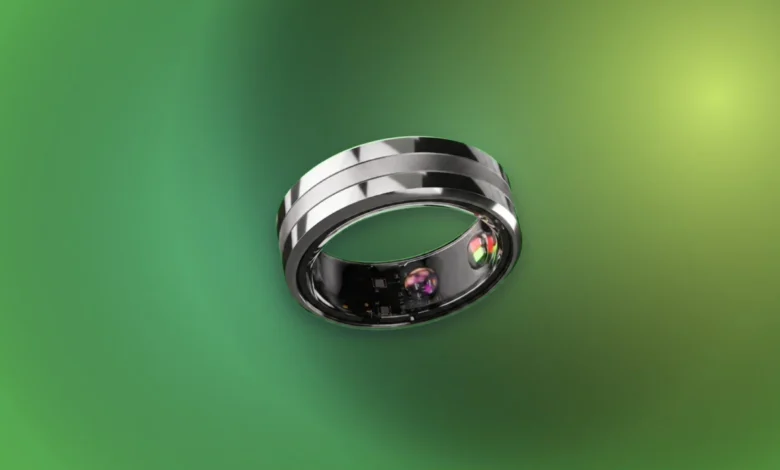
Vital Signals has introduced a new smart ring, the Signal Ring, priced at $399, which makes a significant claim in the rapidly evolving wearable health technology market: the ability to display numerical systolic and diastolic blood pressure readings without requiring traditional arm cuff calibration. This ambitious move positions Vital Signals directly against established giants like Apple and Oura, who have thus far refrained from offering direct blood pressure measurement in their popular wearable devices, largely due to the stringent regulatory and accuracy challenges involved. However, the Signal Ring is entering the market as a "wellness device," a critical distinction that means it has not yet received clearance from the U.S. Food and Drug Administration (FDA) for medical use.
Unveiling the Signal Ring: Details and Timeline
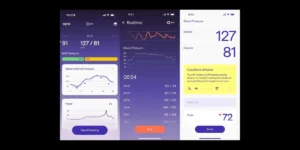
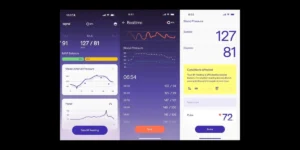
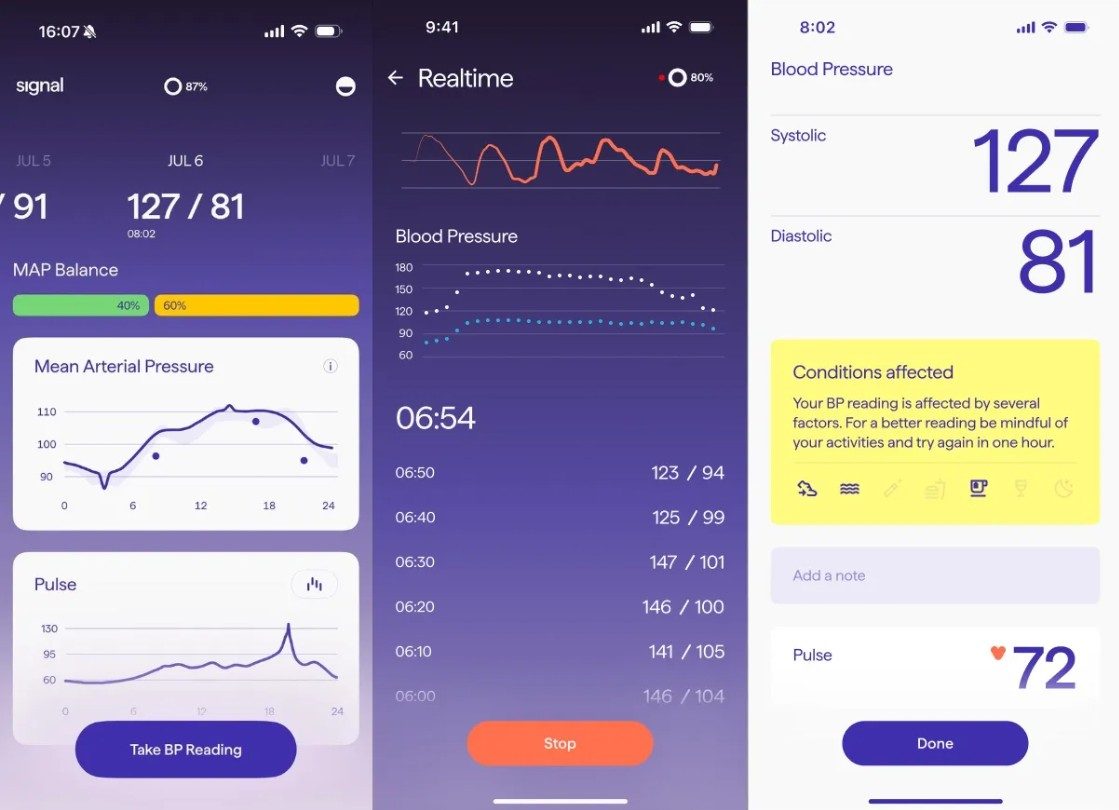
The announcement, initially reported by Bloomberg, details that preorders for the Signal Ring are set to commence on July 16, with the initial wave of shipments anticipated to begin in October. This timeline suggests a rapid deployment strategy for the device, aiming to capture early adopters eager for convenient health monitoring solutions. The ring is designed to collect blood pressure readings throughout the day and overnight, transmitting the data to a companion application available on both iOS and Android platforms for user review.
Vital Signals is simultaneously developing and testing a separate, medical-grade version of the Signal Ring. This version is specifically engineered with the intent to diagnose hypertension and identify potentially dangerous blood pressure trends, a capability that would require rigorous clinical validation and FDA clearance to be marketed as such. However, at the time of the consumer model’s announcement, results from these crucial clinical trials have not yet been publicly released, leaving a gap in verifiable medical efficacy for the diagnostic version.
The Technology Behind the Readings: Cuffless Blood Pressure Measurement
The Signal Ring’s core innovation lies in its approach to cuffless blood pressure estimation. Vital Signals states that the device employs custom electronics and proprietary algorithms to derive blood pressure measurements directly from the finger. This system is designed to account for various physiological differences among individuals, such as body mass and variations in arterial stiffness, which are critical factors influencing blood pressure readings.

At its heart, this technology likely leverages photoplethysmography (PPG), a common optical sensing method used in many wearables to detect changes in blood volume in the microvascular bed of tissue. PPG sensors emit light (often green or infrared) into the skin and measure the amount of light reflected back. As blood flows through the arteries, it absorbs light, and the pulsations of blood flow due to heartbeats create detectable changes in light absorption. From these pulse waves, various parameters related to cardiovascular health, including heart rate, heart rate variability, and in advanced systems, estimates of blood pressure, can be extracted.
The American Heart Association (AHA) has acknowledged and described similar approaches across the emerging category of cuffless blood pressure devices. These devices typically rely on optical sensors to capture cardiovascular signals, which are then processed by sophisticated software and algorithms to translate them into estimated blood pressure readings. The complexity arises in accurately correlating these optical signals, which represent changes in blood volume, with the actual arterial blood pressure, which is a mechanical force. Factors such as pulse wave velocity (PWV) – the speed at which the arterial pulse propagates through the circulatory system – are often utilized in these algorithms, as PWV can be influenced by arterial stiffness and, consequently, blood pressure.
Despite the advanced algorithms, achieving consistent and accurate readings from a finger-worn device presents unique challenges. For the Signal Ring, users are still advised to sit quietly and manually initiate a session for the most reliable measurement. The accompanying app incorporates features like breathing exercises and pauses readings if it detects movement or talking, behaviors known to introduce artifacts and throw off the accuracy of blood pressure measurements. This necessity underscores the sensitivity of the technology to external factors and user compliance.
The Critical Divide: Wellness vs. Medical Device and FDA Scrutiny
The distinction between a "wellness device" and a "medical device" is paramount, especially when discussing health parameters as vital as blood pressure. The FDA plays a crucial role in regulating medical devices in the United States to ensure their safety and effectiveness. A device marketed for diagnosis, treatment, mitigation, or prevention of disease, or intended to affect the structure or any function of the body, generally falls under FDA regulation.
By launching the Signal Ring as a wellness device, Vital Signals circumvents the extensive and costly FDA clearance process required for medical devices. This allows them to bring the product to market more quickly. However, it also restricts the claims they can legally make about the device’s capabilities. A wellness device cannot be marketed for diagnostic purposes, nor can it claim to treat or prevent any medical condition. It is primarily intended for general health and fitness tracking, providing insights that are not meant to replace professional medical advice or diagnostics.
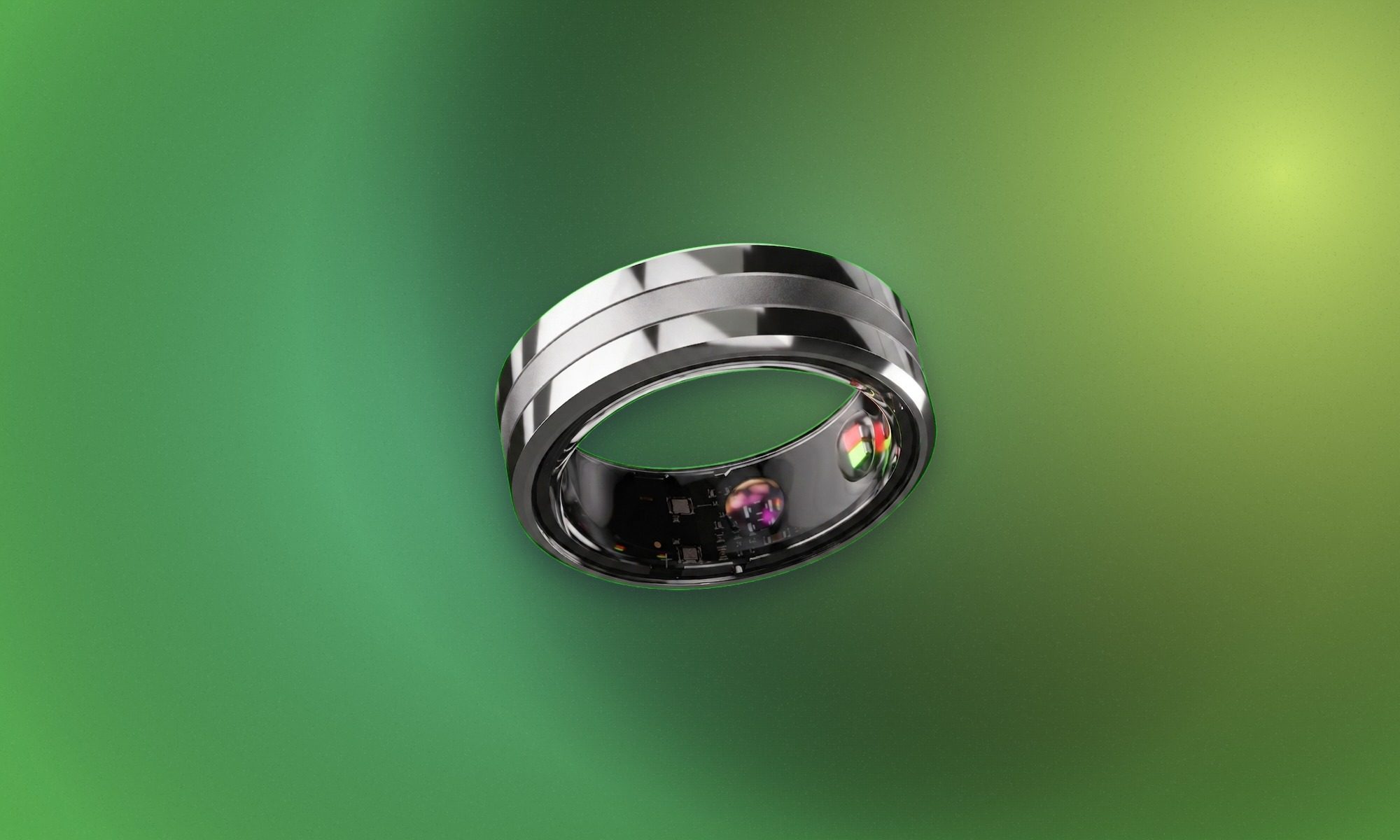
The FDA has been explicit in its warnings regarding unauthorized blood pressure wearables. In a safety communication, the agency cautioned consumers against relying on devices that have not received FDA clearance for measuring blood pressure. The risks associated with inaccurate readings are substantial: a falsely low reading could delay critical medical treatment for hypertension, while a falsely high reading might lead to inappropriate medication changes or unnecessary anxiety. The FDA’s stance highlights the potential for harm when unvalidated devices are used for medical decision-making.
Furthermore, the FDA has issued "draft guidance" for cuffless, non-invasive blood pressure measuring devices. This guidance outlines the extensive performance testing and evaluation criteria that manufacturers must meet for such devices to gain regulatory clearance. These criteria typically include rigorous clinical trials comparing the device’s readings against established, validated reference methods, ensuring accuracy across a diverse patient population, and demonstrating consistency and reliability over time. The fact that Vital Signals has not yet published clinical trial results for its medical-grade version indicates that this rigorous validation process is still ongoing or has not yet reached a point of public disclosure. This lack of published, peer-reviewed data is a significant red flag for medical professionals and discerning consumers.
Navigating the Competitive Landscape: Where Apple and Oura Tread Cautiously
The smart ring market, while still nascent compared to smartwatches, is experiencing significant growth, with players like Oura, RingConn, and ultimately, Samsung’s upcoming Galaxy Ring vying for market share. These devices primarily focus on sleep tracking, activity monitoring, heart rate, and temperature sensing. However, direct blood pressure measurement has remained a frontier that major players like Apple and Oura have approached with extreme caution, if at all.
Apple, with its dominant Apple Watch, has integrated advanced health features such as electrocardiogram (ECG) for atrial fibrillation detection and blood oxygen saturation monitoring. Both of these features underwent extensive clinical validation and received FDA clearance (or equivalent regulatory approvals globally) before being rolled out to consumers. Similarly, Oura rings offer advanced sleep stage tracking, heart rate variability, and body temperature trends, but stop short of claiming direct blood pressure measurement. This deliberate restraint by industry leaders underscores the complexity, regulatory hurdles, and potential liability associated with providing medical-grade blood pressure data.
Their hesitation is rooted in several factors: the inherent variability of blood pressure, the difficulty of maintaining consistent sensor contact on the finger or wrist, and the enormous responsibility of providing data that could directly influence medical diagnoses and treatment plans. The bar for accuracy in medical devices is extremely high, and the implications of failure are severe. Vital Signals’ bold entry into this challenging space without initial FDA clearance for its consumer model highlights a different strategy, potentially aiming to establish market presence before navigating the full regulatory pathway for a diagnostic version.
Addressing Accuracy and Reliability: Early Concerns and Operational Limitations
Early demonstrations of the Signal Ring have already brought some of these inherent challenges to light. Bloomberg’s hands-on experience with the device reportedly revealed instances of inaccurate readings. Vital Signals attributed these discrepancies to "ring fit," which is a meaningful limitation for a piece of hardware that fundamentally relies on consistent and optimal skin contact to gather accurate physiological data. The fit of a ring can vary greatly depending on finger size, swelling, movement, and even environmental factors. If the sensor is not perfectly aligned or if there is a gap between the sensor and the skin, the PPG signals can be compromised, leading to unreliable data.
Another operational limitation noted is that a significant portion of the data processing for the Signal Ring happens in the cloud. While the ring is capable of recording measurements offline, users will not be able to view their results until the device successfully reconnects to the internet. This dependency on cloud processing raises questions about immediate access to critical health data, especially in situations where connectivity might be intermittent or unavailable. It also introduces potential latency between measurement and insight, which could be a concern for users seeking real-time monitoring. Furthermore, the reliance on cloud processing for sensitive health data invariably brings data privacy and security considerations to the forefront.
Targeting the User: Hypertension Management and the Quest for Convenience
Vital Signals is strategically targeting individuals with hypertension or those at an elevated risk of developing the condition, rather than the broader market of general fitness enthusiasts. While the Signal Ring does offer supplementary features like heart rate monitoring and some sleep tracking capabilities, these are positioned as supporting roles to its primary function of blood pressure measurement.
Hypertension, or high blood pressure, is a pervasive global health issue, affecting billions worldwide. It is a major risk factor for heart disease, stroke, kidney disease, and other serious health complications. Regular monitoring of blood pressure is crucial for managing hypertension, enabling clinicians to assess the effectiveness of treatments and make necessary adjustments. Traditional methods involve periodic measurements at a doctor’s office or at-home monitoring with an arm cuff, which, while accurate, can be inconvenient and sometimes lead to "white coat hypertension" (elevated readings due to anxiety in a clinical setting).
The appeal of a discreet, continuous blood pressure monitoring device like a smart ring is undeniable for this demographic. Such a device could offer unparalleled convenience, potentially leading to better adherence to monitoring protocols and providing a more comprehensive picture of blood pressure trends over time, including nocturnal readings which are often overlooked. This could empower patients and their healthcare providers with richer data for personalized care.

However, the "wellness device" status means that while the Signal Ring might offer insights into trends, it cannot be used for definitive diagnosis or to guide medication adjustments without validation by an FDA-cleared device. For anyone whose medical treatment or management critically depends on accurate blood pressure readings, medical professionals consistently recommend continuing to use an authorized arm cuff and consulting with a clinician for interpretation and guidance. The Signal Ring, in its current iteration, should be viewed as a supplementary tool for awareness, not a replacement for clinical-grade medical equipment.
Consumer and Ethical Considerations: Data, Decisions, and Trust
The introduction of devices like the Signal Ring brings forth a host of consumer and ethical considerations. Foremost among these is the imperative for consumers to fully understand the limitations of a non-FDA cleared device. The allure of convenience and cutting-edge technology must be balanced with an informed awareness that the readings provided are for "wellness" purposes and have not undergone the rigorous validation required for medical claims.
There is a significant risk of users misinterpreting data or, more dangerously, making critical medical decisions based on potentially inaccurate or unvalidated readings. For instance, a user might mistakenly believe their hypertension is under control based on the ring’s readings, leading them to delay seeking professional medical advice or to alter prescribed medication without consulting their doctor. Such actions could have severe health consequences. Healthcare providers will also need to be cautious in how they incorporate data from such devices into patient care, emphasizing the need for validation against clinical standards.
Data privacy is another salient point. With much of the Signal Ring’s processing occurring in the cloud, users’ sensitive health information is being transmitted and stored remotely. Consumers must be assured of robust data encryption, secure storage protocols, and transparent policies regarding how their health data is collected, used, and shared. Trust in the device and the company is paramount for adoption, especially when dealing with such personal and critical health metrics.
The Road Ahead: Innovation, Regulation, and the Future of Smart Rings
The Vital Signals Signal Ring represents a bold step in the integration of advanced health monitoring into discreet wearable technology. Its launch underscores the ongoing tension between rapid technological innovation and the necessary, but often slower, pace of regulatory oversight in the health sector. For Vital Signals, the path to gaining FDA clearance for a medical-grade version will require substantial investment in clinical trials, robust data submission, and a demonstrated commitment to accuracy and patient safety. This process is often iterative, requiring collaboration with regulatory bodies to meet stringent performance benchmarks.

The success or failure of the Signal Ring in establishing reliable, actionable blood pressure monitoring could significantly influence the broader smart ring and wearable health market. If Vital Signals can eventually demonstrate clinical accuracy and secure regulatory approval, it could pave the way for other manufacturers to invest more heavily in similar features, ultimately transforming how individuals manage chronic conditions like hypertension. Conversely, if the device struggles with accuracy or faces significant regulatory challenges, it might reinforce the cautious approach currently adopted by industry leaders.
As smart rings continue to evolve, integrating more sophisticated sensors and AI-driven analytics, the promise of truly continuous, passive, and accurate health monitoring grows. However, the Signal Ring serves as a timely reminder that for critical health parameters, the convenience of technology must always be underpinned by scientific validation and regulatory approval to ensure patient safety and effective healthcare outcomes. The coming months, following its October shipping date, will reveal how well the Signal Ring performs in real-world conditions, outside of controlled testing environments, and how its data stands up to the scrutiny of both users and the medical community.
Conclusion: A Cautious Step Forward
The Vital Signals Signal Ring is undeniably pushing the boundaries of what’s possible with wearable health technology, offering a tantalizing glimpse into a future where essential health metrics like blood pressure can be monitored with unprecedented ease. Its $399 price point, coupled with the absence of a recurring subscription, makes it an attractive proposition for those seeking greater insight into their cardiovascular health. However, its launch as a wellness device, without FDA clearance, is a critical caveat that consumers and healthcare professionals must fully comprehend.
While the ambition to provide cuffless, continuous blood pressure readings is laudable and addresses a significant unmet need in chronic disease management, the current lack of published clinical validation for its medical-grade counterpart and early reports of accuracy issues necessitate a cautious approach. For now, the Signal Ring should be considered a promising, yet unproven, addition to the wellness technology landscape. Those whose treatment hinges on precise blood pressure readings are strongly advised to continue relying on FDA-cleared medical devices and the guidance of their clinicians, reserving the Signal Ring for supplementary insights rather than definitive medical decision-making. The journey from innovative concept to trusted medical device is long and arduous, and Vital Signals is just embarking on that challenging path.