OpenAI Sunsets ChatGPT Atlas: A Deep Dive into the Evolving Landscape of AI-Powered Web Browsers

OpenAI, a leading artificial intelligence research organization renowned for its groundbreaking models like GPT, has announced the discontinuation of its experimental AI-first web browser, ChatGPT Atlas, effective next month. This development, which may come as a surprise to many who were unaware of the browser’s brief existence, highlights the complex and rapidly evolving dynamics within the burgeoning field of AI-integrated web browsing. The decision by OpenAI, a company synonymous with pushing the boundaries of AI, prompts a closer examination of why tech giants and innovative startups alike are vying for a foothold in the browser market, and what the future holds for these intelligent gateways to the internet.
The Strategic Imperative: Why AI Companies Are Building Browsers
Web browsers have long served as the primary interface between users and the vast expanse of the internet, functioning as our digital window to information, entertainment, and commerce. Their ubiquity makes them invaluable platforms for understanding user behavior, preferences, and data consumption patterns. This inherent strategic importance explains why, in recent years, top AI companies have scrambled to launch or heavily integrate AI capabilities into their own browser offerings. The ability to directly observe and interpret user interactions within a browser provides an unparalleled data stream, crucial for refining AI models, personalizing experiences, and ultimately, shaping the digital future.
Historically, browser development has been a fiercely contested arena, often referred to as the "browser wars." From the early rivalry between Netscape Navigator and Microsoft’s Internet Explorer in the 1990s to Google Chrome’s eventual dominance in the 2010s, control over the browser has translated into significant power over the digital ecosystem. With the advent of advanced artificial intelligence, this battle has entered a new phase, where the integration of AI is not merely a feature but a fundamental reimagining of how users interact with the web. Companies envision browsers that can not only display content but also actively assist, automate, and anticipate user needs, transforming passive browsing into a proactive, intelligent experience.

The Demise of ChatGPT Atlas: A Lesson in Market Realities
The sunsetting of ChatGPT Atlas, OpenAI’s foray into the AI browser space, underscores the challenges of breaking established user habits and competing with entrenched incumbents. While OpenAI has not provided extensive details regarding its decision, several factors can be inferred. The browser market is notoriously difficult to penetrate, with Google Chrome commanding a dominant global share, often exceeding 60-70% across various platforms. Users exhibit strong loyalty to their chosen browsers, often due to ingrained muscle memory, synchronization across devices, and integration with existing ecosystems.
For a new entrant like ChatGPT Atlas, overcoming this inertia would have required a compelling and clearly differentiated value proposition that resonated deeply with users. Without significant marketing, widespread awareness, or revolutionary features that fundamentally reshaped the browsing experience, it likely struggled to gain traction. Furthermore, OpenAI’s core mission revolves around advancing AI research and developing foundational models. Maintaining and developing a full-fledged web browser demands substantial resources, which might have been deemed better allocated to its primary AI research and product development, such as improving ChatGPT, DALL-E, and its API services. The decision could also reflect a strategic shift, perhaps indicating that OpenAI sees more value in integrating its AI capabilities into existing popular browsers rather than building its own from the ground up, or that it is exploring different modalities of AI interaction beyond the traditional browser paradigm.
Despite Atlas’s discontinuation, the broader trend of AI integration into browsers is far from over; in fact, it is accelerating. The underlying premise — that AI can profoundly enhance the browsing experience — remains widely accepted across the tech industry.
The New Guard: Leading AI Web Browsers in the Post-Atlas Era

As OpenAI retreats from the direct browser competition, several other players are vigorously pushing the boundaries of what an AI-powered browser can achieve. Each offers a unique approach to integrating artificial intelligence, catering to different user needs and priorities.
Google Chrome: The Dominant Player with Gemini Integration
Google Chrome, already the undisputed leader in the global web browser market, has significantly amplified its position by seamlessly integrating Gemini, Google’s advanced AI model, directly into its interface. This move is a powerful demonstration of leveraging existing market dominance to introduce next-generation features. Gemini now resides conveniently in the upper-right corner of the browser, providing context-aware AI assistance across various tabs. Users can engage Gemini for a multitude of tasks, from conducting product comparisons across multiple e-commerce sites to customizing recipes found online, or extracting technical insights from complex articles.
The integration goes beyond a simple chatbot sidebar, a feature that has become common in many modern browsers. Chrome distinguishes itself with Gemini Live integration, enabling real-time interaction with the AI. This allows for dynamic conversations and immediate assistance as users navigate the web. More ambitiously, Google is actively experimenting with an "agentic mode" for Gemini within Chrome. This groundbreaking feature would allow Gemini to control tabs and perform actions on the user’s behalf, such as booking appointments, filling out forms, or orchestrating complex research tasks across multiple web pages. Imagine an AI agent proactively managing your online tasks, freeing up valuable time and mental effort. Crucially, most of these advanced AI capabilities, barring the experimental agentic features, are bundled free of charge, making them accessible to Chrome’s enormous user base and solidifying its lead in the AI browser race.
Dia: Intelligent Design and Custom Automation
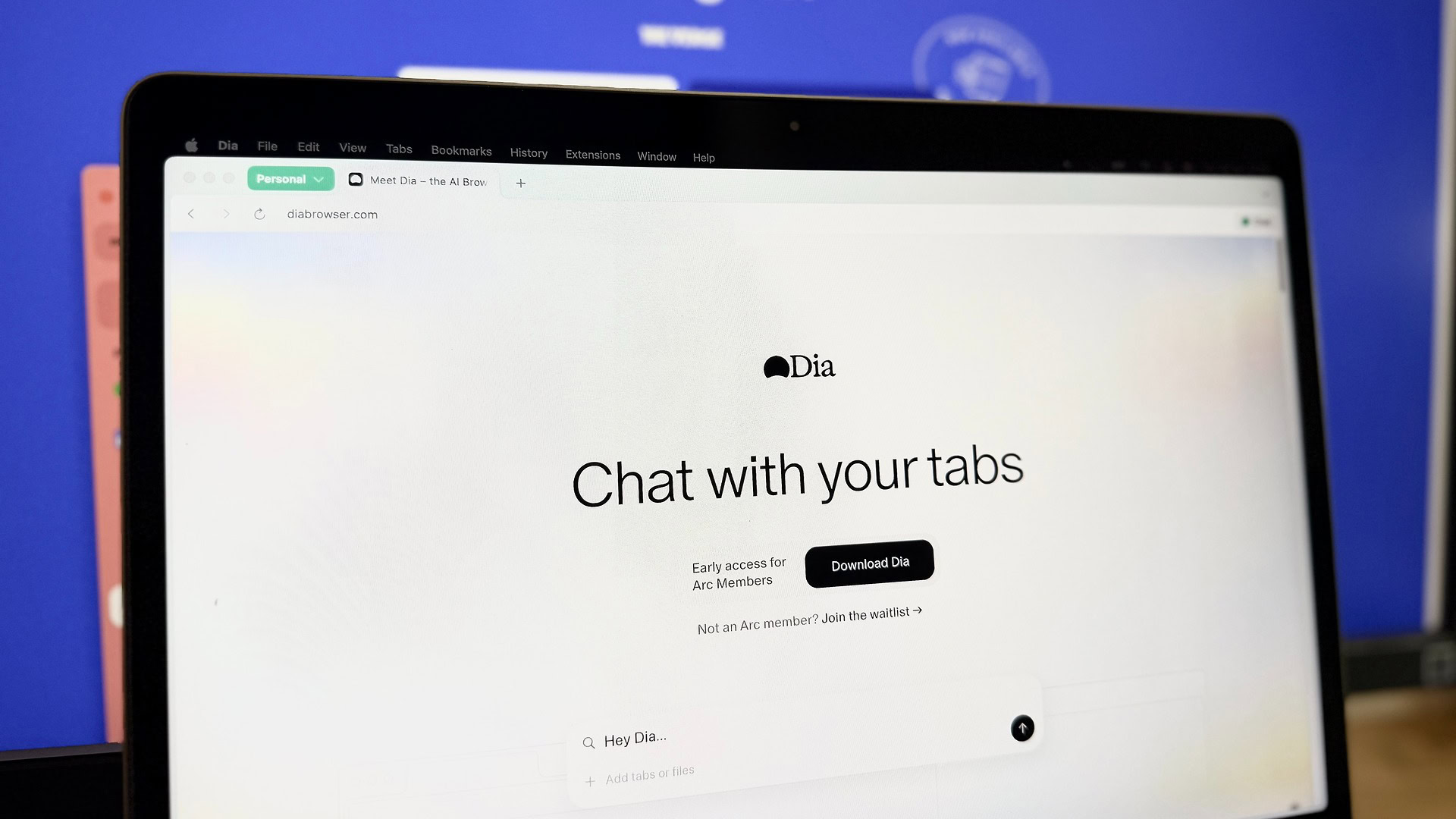
From The Browser Company, Dia emerges as a successor to the innovative Arc browser, building upon its foundation with a refined approach to AI integration. Dia’s philosophy leans towards subtle, smart features rather than an overt, "in-your-face" AI presence, aiming for a more seamless and intuitive user experience. Users of Dia will recognize many elements borrowed from Arc, including its efficient quick shortcuts for tasks like joining meetings and its distinctive approach to tab management.
While Dia does include a capable AI sidebar for common tasks such as summarizing lengthy articles or extracting key pointers from YouTube videos, its true differentiator lies in its "Custom Skills" feature. This allows users to create personalized shortcut prompts that execute a sequence of actions. For instance, a user might configure a "morning news rundown" skill that automatically visits their favorite tech websites, extracts the latest headlines and summaries, and presents them in a digestible format each day. This level of customizable automation empowers users to tailor their browsing experience to their specific workflows and information needs, embodying a more intelligent and efficient interaction with the web without sacrificing user control. Dia aims to strike a balance, offering the best of Arc’s innovative design principles combined with modern AI capabilities, making it a compelling choice for users seeking efficiency and personalization.
Perplexity Comet: The Vision of Autonomous AI Browsing
Perplexity Comet stands out as perhaps the most ambitious and "artificially intelligent" web browser currently available, pushing the boundaries of autonomous interaction. Developed by Perplexity AI, a company known for its conversational answer engine, Comet redefines what a browser can do. Early users of Comet have been particularly impressed by its ability not only to "see" open tabs but to actively interact with them in real time, simulating a user’s actions on screen. This capability evokes a sense of entering a futuristic sci-fi scenario, where the browser itself appears to be navigating and performing tasks independently.
The company further extends this vision with its "Computer" product, an advanced AI orchestrator priced at $200 per month. This feature allows AI agents to work on user tasks in the background, even without the laptop being open. If direct API interaction with an application is not possible, the AI within Comet can, with user permission, browse within the browser and execute actions in web-based applications, all autonomously. This level of agentic capability positions Perplexity Comet as a tool for extreme productivity and automation, appealing to power users and professionals who require sophisticated, hands-off task management. It represents a significant leap towards a future where AI agents take on increasingly complex digital responsibilities.

Microsoft Edge: Ecosystem Integration and Efficiency
For users deeply entrenched in the Microsoft ecosystem, whether through their professional lives with Microsoft 365 or academic pursuits, Microsoft Edge presents itself as a natural extension of their digital environment. Like many of its contemporary AI-powered counterparts, Edge features a context-aware sidebar powered by AI. This sidebar can intelligently process information from open tabs, offering summaries of long documents, comparing products, or providing quick answers to questions related to the current content.
While Microsoft Edge maintains a more traditional layout compared to some of the more radical designs seen in browsers like Arc or Dia, its efficiency and performance are notable. Built on the Chromium engine, Edge is recognized as one of the most resource-efficient browsers, performing well not only on Windows but also on macOS. Despite Microsoft’s occasional tendency to promote its other products within the browser, Edge remains a robust and capable web browser. Its AI capabilities serve as a valuable enhancement, providing practical assistance without fundamentally altering the familiar browsing experience. For users prioritizing integration with their Microsoft tools and a performant browsing experience, Edge offers a compelling AI-enhanced option.
Brave: Privacy-First AI Integration with Leo
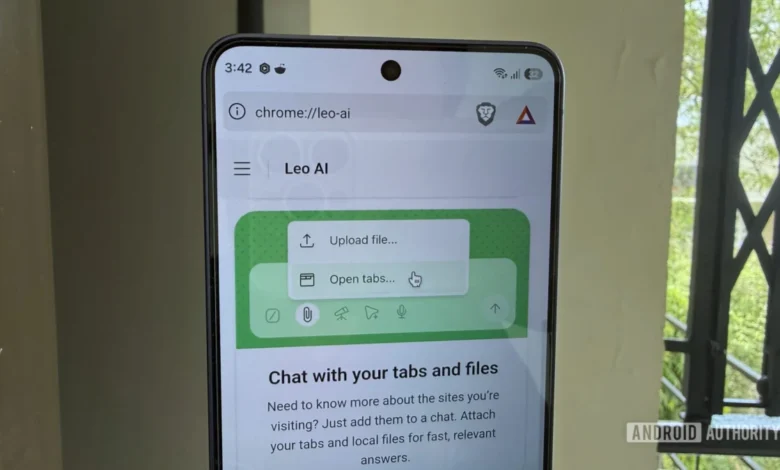
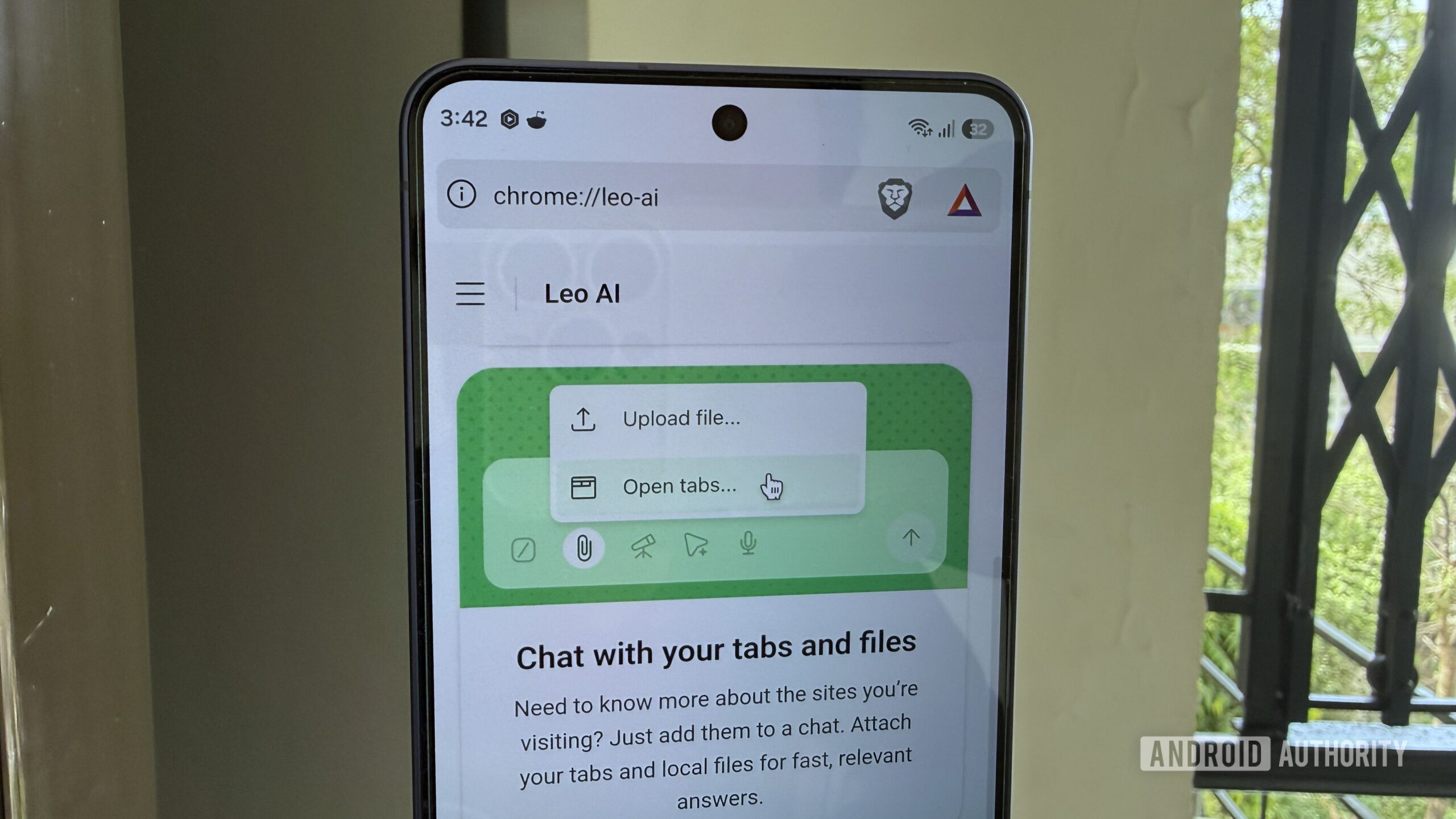
Brave has long cultivated a reputation for its unwavering commitment to user privacy, and this ethos extends directly to its AI integration. The browser’s proprietary AI, named Leo, is designed to perform common AI tasks—such as summarizing web pages, generating content, and rewriting text—while meticulously preserving user privacy. Brave emphasizes that all interactions with Leo AI are processed locally or through secure, anonymized cloud services, ensuring that user data is not collected or used for training models without explicit consent.

A key feature of Leo AI is its flexibility, allowing users to select their preferred language model rather than being locked into a single provider. This empowers users to choose the AI that best suits their specific needs and privacy comfort levels. However, some advanced features of Leo AI, including access to newer and more powerful Large Language Models (LLMs), are gated behind a paid subscription tier, costing $15 per month. While Brave’s AI capabilities may not always match the breadth or sophistication of more mainstream, resource-intensive alternatives, particularly those with deep cross-service integrations, it excels in its core mission. For privacy-conscious users who value control over their data and prefer a transparent AI experience, Brave offers a compelling solution, perfectly suited for those with minimal yet critical AI assistance requirements.
Arc (Honorable Mention): The Innovator’s Legacy
Arc, from The Browser Company, deserves an honorable mention for its profound impact on browser design and its early embrace of intelligent features, even if active development has since shifted to Dia. Arc initially garnered significant attention for its ambitious claims of revolutionizing the web browser experience, and it largely delivered on these promises, attracting a dedicated user base. Despite The Browser Company’s pivot, Arc remains available and is still favored by users who find conventional browsers lacking after experiencing Arc’s unique approach.
Arc’s "AI Max" features were designed not merely to add a chatbot but to genuinely enhance the user experience. These include clever automations like automatically tidying up tab titles for easier identification and intelligently renaming downloaded files for better organization. It also offered direct integrations with various AI chatbots, including ChatGPT, directly within its search bar, streamlining access to AI assistance. While Arc may not receive new features moving forward, its innovative spirit and existing AI enhancements continue to offer a highly differentiated browsing experience. For users who prioritize a fresh, intuitive interface and intelligent organizational tools, Arc could still be a preferred choice.
Broader Implications and The Future of AI Browsers
The landscape of AI-powered web browsers is rapidly evolving, driven by technological advancements and a competitive race among tech giants and startups. The sunsetting of ChatGPT Atlas, while a setback for OpenAI’s direct browser ambitions, does not diminish the strategic importance of integrating AI into these fundamental digital tools. Instead, it serves as a reminder of the challenges inherent in disrupting established user habits and the need for truly compelling differentiation.
The trend towards "agentic AI" within browsers, exemplified by Google’s Gemini experiments and Perplexity Comet’s "Computer," signals a significant shift. Browsers are moving beyond being mere content displayers to becoming proactive, intelligent assistants capable of performing complex tasks autonomously. This shift promises unprecedented levels of productivity and automation, allowing users to delegate tedious digital chores to their AI companions. However, it also raises critical questions about data privacy, security, and the ethical implications of granting AI agents increasing control over our digital interactions. Companies like Brave are attempting to address these concerns head-on with privacy-first AI designs, but the broader industry will need to establish robust standards and transparent practices.
The ongoing "AI browser wars" will undoubtedly fuel innovation, leading to more intuitive interfaces, smarter automation, and more personalized experiences. As the lines between operating systems, applications, and web browsers continue to blur, AI is poised to redefine our relationship with the internet, transforming it from a static repository of information into a dynamic, intelligent, and highly personalized digital assistant. The journey is just beginning, and while some players may exit, the fundamental transformation of the web browser by artificial intelligence is an undeniable force shaping our digital future.