Intel Unveils Core Series 3 Mobile Processors, Leveraging 18A Process Node and Panther Lake Architecture for Value-Oriented and Edge Markets

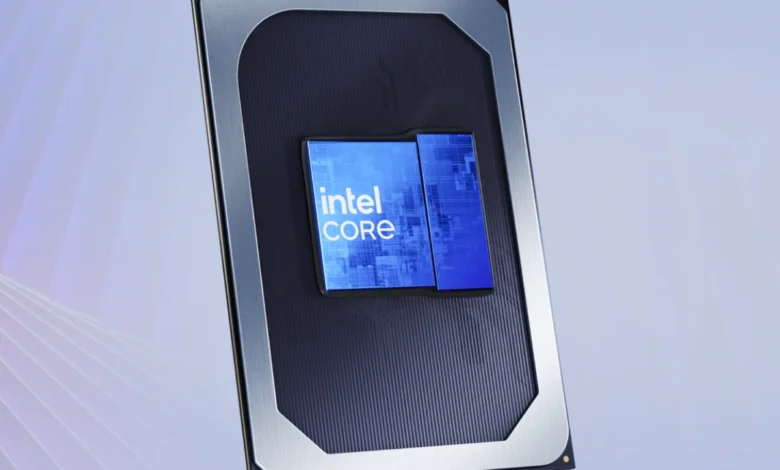
Intel has formally announced the launch of its Core Series 3 mobile processors, marking a significant strategic move designed to extend the reach of its latest architectural innovations into value-conscious market segments. These new chips are built upon the cutting-edge Intel 18A process node and leverage the Core Ultra Series 3 Panther Lake architecture, positioning them as a critical offering for a diverse array of users including students, small businesses, and a rapidly expanding landscape of essential edge deployments. The introduction of Core Series 3 underscores Intel’s commitment to democratizing advanced computing capabilities, particularly on-device artificial intelligence, across a broader spectrum of price points and application areas.
The rollout of systems featuring these processors has already commenced through Intel’s extensive network of Original Equipment Manufacturer (OEM) partners, with comprehensive market availability anticipated by the second quarter of 2026. This phased release strategy is designed to ensure a smooth transition and widespread adoption, with Intel indicating plans for more than 70 distinct designs across various form factors to be introduced by its OEM ecosystem. This breadth of design suggests a versatile platform capable of powering everything from affordable laptops and educational devices to specialized industrial embedded systems.
The Dawn of Intel 18A and Panther Lake Architecture
The Core Series 3 processors are distinguished by their foundation on the Intel 18A process node, a cornerstone of Intel’s "Angstrom Era" manufacturing roadmap. The 18A node represents a pivotal technological leap for Intel, signifying the company’s reassertion of leadership in process technology after a period of challenges. This advanced node, conceptually equivalent to 1.8 nanometers, is expected to deliver substantial improvements in transistor density, power efficiency, and overall performance, enabling smaller, more powerful, and more energy-efficient chips. Intel’s IDM 2.0 strategy, spearheaded by CEO Pat Gelsinger, places manufacturing prowess at its core, aiming to deliver five nodes in four years. The successful implementation of 18A in a commercial product like Core Series 3 demonstrates tangible progress towards this ambitious goal, enhancing Intel’s competitive standing against foundry rivals like TSMC. The move to 18A is critical for Intel’s long-term competitive strategy, promising superior performance per watt and reduced manufacturing costs at scale.
Complementing the advanced process technology is the Core Ultra Series 3 Panther Lake architecture. While specific architectural details for Core Series 3 variants will vary, Panther Lake is understood to build upon the innovations introduced in prior generations like Meteor Lake and Lunar Lake. These prior architectures pioneered a tiled, or disaggregated, design approach, integrating separate compute, graphics, SoC (system-on-chip), and I/O tiles. This modularity allows Intel to mix and match different tiles based on product requirements, optimizing for performance, power, and cost. For Core Series 3, this likely translates into a highly optimized configuration focusing on power efficiency and integrated AI acceleration, crucial for its target markets. The "Ultra" designation in the architecture name, typically reserved for Intel’s premium segments, suggests that even these value-oriented Core Series 3 chips benefit from sophisticated underlying designs and integrated Neural Processing Units (NPUs) for AI workloads, making them inherently "AI-ready." Panther Lake’s advancements are expected to further refine the efficiency of heterogeneous computing, where different types of cores and accelerators work in concert to deliver optimal performance for diverse workloads.
Benchmarking Performance: A Leap for Everyday Computing and Edge AI
Intel has released compelling performance metrics for its Core Series 3 processors, highlighting significant advancements compared to previous generations and competitor offerings. These benchmarks are crucial for demonstrating the value proposition of the new lineup across its intended applications.
For general computing tasks, Intel reports that the Core Series 3 delivers up to 47% better single-thread performance and up to 41% better multi-thread performance when compared to a typical five-year-old PC. This comparison is particularly pertinent for the consumer and small business segments, where upgrade cycles often span several years. According to industry data, the average PC refresh cycle for consumers can range from 3 to 5 years, making a five-year-old system a highly relevant baseline. Such substantial gains mean a noticeably snappier user experience, faster application loading, and more efficient multitasking for users transitioning from older hardware. The shift from a five-year-old system to a Core Series 3-powered device would represent a transformative improvement in daily productivity and responsiveness, enabling smoother web browsing, more efficient office suite usage, and quicker content consumption.
Beyond traditional CPU performance, the integration of dedicated AI acceleration is a major highlight. Intel claims up to 2.8 times the GPU AI performance when benchmarked against a five-year-old PC. Furthermore, when measured against the previous-generation Intel Core 7 150U (a U-series chip designed for mainstream thin-and-light laptops), the company asserts an improvement of up to 2.7 times in AI GPU performance alongside an impressive 64% lower processor power consumption. These figures are critical for the burgeoning "AI PC" market, where the ability to run AI workloads locally—such as real-time language translation, advanced image editing, intelligent productivity features, or generative AI applications—is becoming a key differentiator. The significant reduction in power consumption, in particular, points to extended battery life, a paramount concern for mobile users, allowing for true all-day computing without constant reliance on power outlets.
The Core Series 3 also makes a strong case for its suitability in edge deployment workloads. Intel specifically highlights the Core 7 350 variant’s performance against the Nvidia Jetson Orin Nano, a widely recognized platform in embedded AI. Intel states that its Core 7 350 provides up to 1.5 times higher object detection performance, up to 1.9 times faster image classification, and up to 2.2 times higher video analytics performance. These metrics are vital for industrial and commercial applications requiring robust, real-time AI processing at the edge, such as automated inspection systems, surveillance, smart infrastructure, and robotics. The ability to perform these complex AI inference tasks efficiently and locally minimizes latency, reduces bandwidth requirements, and enhances data privacy and security, which are critical considerations for sensitive industrial and public sector deployments. While these figures are based on Intel’s own characterizations, they suggest a competitive edge in crucial AI inference tasks, challenging established players in the embedded market by offering a compelling performance-per-watt ratio.
Core Series 3: Features, AI Prowess, and Targeted Markets
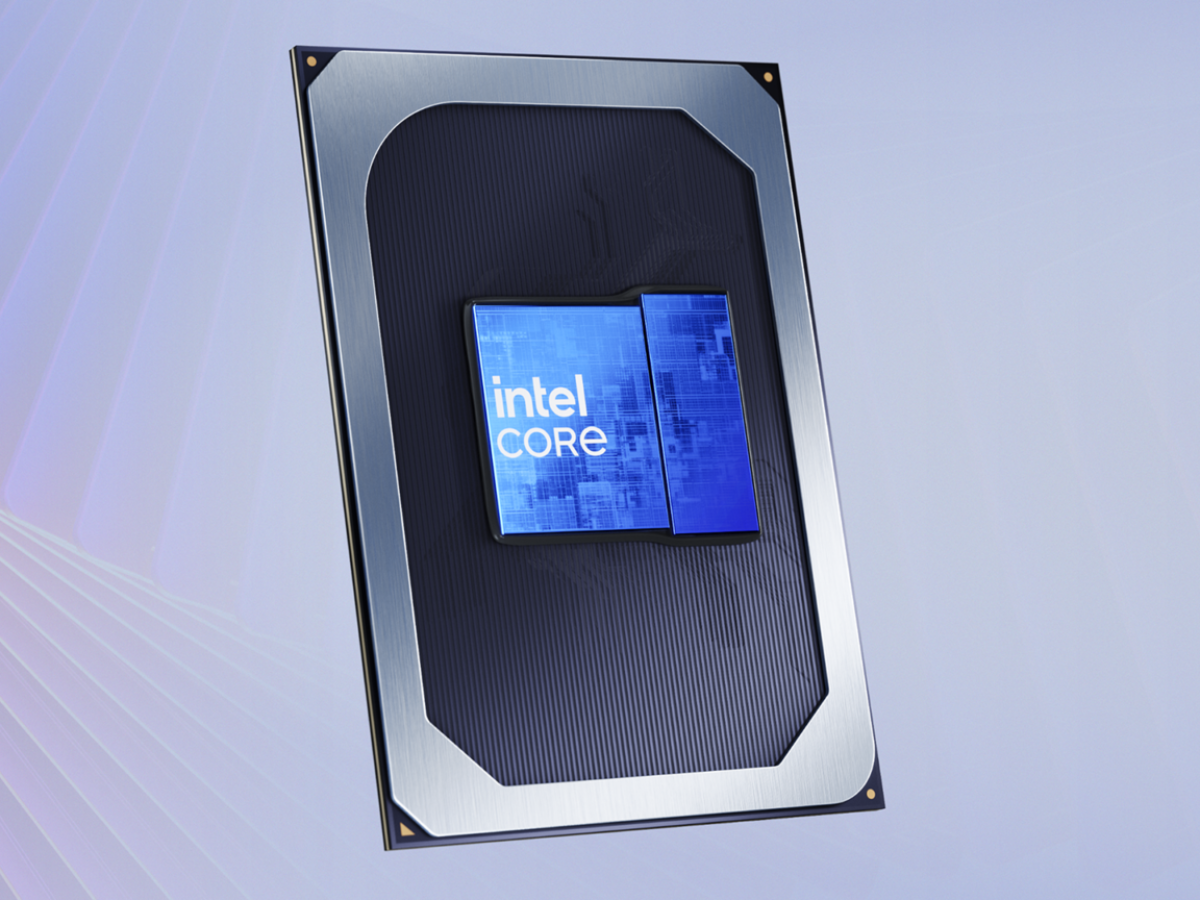
The Core Series 3 is positioned as Intel’s inaugural hybrid Core Series processor lineup explicitly designed to be AI-ready from its inception. This readiness is underpinned by several key features and technological integrations, making it a versatile platform for modern computing demands:
- Dedicated AI Acceleration: The processors boast up to 40 TOPS (Tera Operations Per Second) for AI workloads. This metric indicates the raw processing power dedicated to artificial intelligence tasks on the chip itself, distributed across the CPU, GPU, and a dedicated Neural Processing Unit (NPU). A higher TOPS count enables more complex and faster on-device AI operations, reducing reliance on cloud computing and enhancing privacy and responsiveness. This level of AI performance is crucial for driving the next generation of AI-powered applications directly on the device, from sophisticated noise cancellation in video calls to local generative AI models.
- Cutting-Edge Connectivity: The platform includes support for two integrated Thunderbolt 4 ports, offering blazing-fast data transfer speeds (up to 40 Gbps), universal connectivity for external displays (up to two 4K displays), high-speed storage, and robust power delivery. Furthermore, the inclusion of Wi-Fi 7 (R2) and Bluetooth 6 ensures cutting-edge wireless connectivity, providing faster, more reliable network access and seamless peripheral pairing. Wi-Fi 7, also known as 802.11be or Extremely High Throughput (EHT), offers higher throughput, lower latency, and improved capacity, essential for demanding applications like 4K video streaming, online gaming, and large file transfers in crowded network environments. Bluetooth 6 (which is likely a typo in the original source, as Bluetooth 5.3 is current and 5.4 is emerging; assuming a future standard or an advanced implementation of current standards) ensures robust, energy-efficient wireless connections for accessories.
- Extended Battery Life: A core design tenet for the Core Series 3 is the provision of all-day battery life, making it suitable for a full day of everyday productivity tasks without needing a recharge. This is achieved through the architectural efficiencies of Panther Lake and the power-optimized 18A process node, combined with Intel’s intelligent power management technologies across its heterogeneous cores. This focus on endurance directly addresses a primary pain point for mobile users and is crucial for educational and small business environments where charging infrastructure might be limited.
Intel has strategically segmented its Core Series 3 lineup across three distinct markets, each with specific needs and use cases:
- Consumers and Small Businesses: This segment targets users who typically upgrade their computing devices every five years or more. For these individuals and entities, the Core Series 3 aims to deliver significantly enhanced performance and integrated AI capabilities at an accessible price point. The focus is on providing a compelling upgrade path that offers tangible benefits in terms of speed, efficiency, and the ability to run modern AI-enhanced applications, thereby extending the utility and lifespan of their devices. This also caters to the growing demand for devices capable of handling increasingly complex software and multimedia without incurring premium costs.
- Education: In the educational sector, the processors are designed to power school devices with AI-capable hardware at scale. This initiative supports the integration of AI tools into learning environments, preparing students for a future increasingly shaped by artificial intelligence. By offering cost-effective, high-performance, and AI-ready solutions, Intel seeks to enable educational institutions to deploy advanced technology widely, fostering innovation and digital literacy among students. This is particularly relevant as many educational systems around the world are modernizing their digital infrastructure to support hybrid learning models and personalized education.
- Edge Deployments: For specialized edge deployments, the Core Series 3 variants include robust AI acceleration tailored for tasks involving vision and speech. This market encompasses a broad range of applications, including:
- Robotics: Enabling smarter, more autonomous robots capable of real-time environmental perception, navigation, and decision-making without constant cloud connectivity.
- Smart Buildings: Facilitating advanced occupancy detection for energy management, predictive maintenance of building systems, and enhanced security with AI-powered video analytics.
- Point-of-Sale (POS) Terminals: Enhancing retail operations with AI-driven inventory management, personalized customer analytics, automated checkout processes, and real-time fraud detection.
- Smart Metering: Providing intelligent data analysis at the source for utilities, optimizing resource allocation, enabling predictive maintenance for infrastructure, and improving grid efficiency.
The integration of AI at the edge allows for immediate data processing, reduced latency, enhanced privacy, and decreased reliance on centralized cloud infrastructure, critical for many industrial and commercial applications where real-time responsiveness and data security are paramount.
Broader Market Context and Strategic Implications
The launch of Core Series 3 processors comes at a dynamic period for the semiconductor industry, characterized by intense competition and a transformative shift towards AI-centric computing. Intel’s strategy with Core Series 3 is multi-faceted, addressing not only specific market segments but also reinforcing its broader corporate objectives.
Competitive Landscape: In the mobile processor market, Intel faces formidable competition from AMD, which continues to gain traction with its Ryzen processors, and increasingly from ARM-based solutions like Qualcomm’s Snapdragon X Elite and Apple’s M-series chips. These ARM competitors emphasize extreme power efficiency and integrated AI accelerators, particularly for Windows-on-ARM platforms. By offering compelling performance, integrated AI capabilities (40 TOPS), and strong power efficiency with Core Series 3, Intel aims to solidify its position in the mainstream and value segments, preventing further erosion of market share. The direct comparison to Nvidia’s Jetson Orin Nano for edge AI applications signals Intel’s aggressive push into embedded systems, a traditionally strong but increasingly contested domain. This move suggests Intel is keen to capture market share in areas where its x86 architecture, coupled with strong AI accelerators, can offer a compelling alternative to ARM-based embedded solutions.
The "AI PC" Revolution: The industry is currently undergoing what many are calling the "AI PC" revolution, where devices are expected to handle complex AI tasks locally rather than relying solely on cloud services. This shift promises enhanced privacy, lower latency, and the ability to function offline for AI-powered applications. Intel has been a vocal proponent of the AI PC concept, and the Core Series 3, despite targeting more value-oriented segments, brings significant AI capabilities to a broader audience. This democratization of AI hardware is crucial for accelerating the development and adoption of AI-powered software and experiences, moving AI from specialized applications to everyday computing. Market analysts project significant growth in the AI PC segment, with some estimates suggesting that AI PCs could constitute a substantial portion of the total PC market by the late 2020s.
Manufacturing Renaissance (IDM 2.0): The 18A process node is more than just a technological achievement; it’s a testament to Intel’s ongoing manufacturing renaissance under its IDM 2.0 strategy. After ceding process leadership to TSMC in recent years, Intel has invested heavily in regaining its edge. The successful deployment of 18A in a product like Core Series 3 validates these investments and signals Intel’s return to the forefront of semiconductor manufacturing. This not only benefits Intel’s own products by providing a technological advantage but also strengthens its Intel Foundry Services (IFS) division, which aims to become a major foundry player for external customers, diversifying Intel’s revenue streams and leveraging its advanced manufacturing capabilities.
Pricing and Availability: While Intel has not announced specific pricing for Core Series 3 processors, adhering to its standard model where OEM partners determine final product pricing, the focus on "value-conscious users" suggests a competitive price point. The phased availability, with full market saturation expected by Q2 2026, provides OEMs time to integrate the new chips into a wide array of form factors and to develop optimized systems. The commitment to over 70 designs reflects strong OEM confidence in the platform’s versatility and market potential, indicating that a broad ecosystem of laptops, mini-PCs, industrial PCs, and other embedded devices will soon be available.
Chronology of Intel’s Recent Mobile Processor Development
The Core Series 3 launch is the latest in a rapid succession of mobile processor innovations from Intel, showcasing a deliberate and aggressive roadmap:
- **12th